BMW i3 Battery Cable Replacement: DIY or Pro? What Every Owner Needs to Know Before Touching High Voltage
You’ve just installed a new battery—or maybe you’re troubleshooting a “High-Voltage System Malfunction” error—and you notice it: a frayed, corroded, or damaged battery cable under your BMW i3. Your heart sinks. Replacing it seems simple… but is it really something you should tackle yourself?
After all, we’re not talking about a 12V jumper cable. These are 400V+ high-voltage interconnects that carry lethal current and communicate critical data between your battery, inverter, and BMS.
So—should you grab a wrench and YouTube tutorial, or call a certified technician?
The answer depends on three things: your skill level, your tools, and what’s actually wrong. Let’s break it down honestly—so you stay safe and don’t turn a $200 fix into a $2,000 disaster.
Why BMW i3 Battery Cables Matter More Than You Think
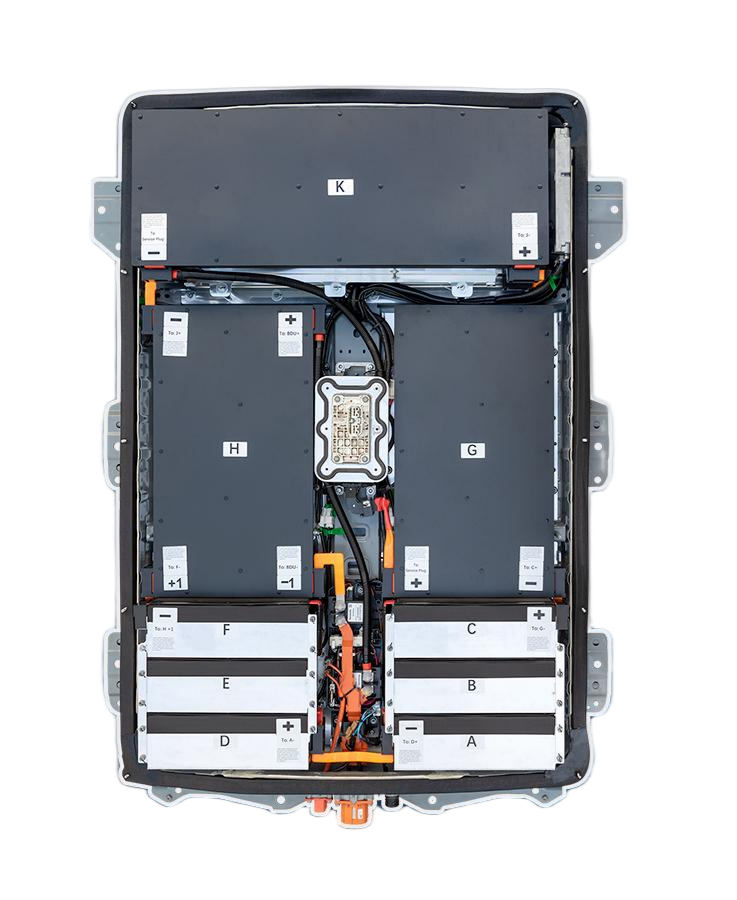
The high-voltage cables in your i3 do more than just conduct electricity. They include:
- Shielded power conductors (for DC+ and DC–)
- Temperature sensors embedded near connectors
- Interlock loops (HVIL) that shut down the system if disconnected improperly
- CAN bus shielding to prevent signal noise
If a cable is damaged—whether from age, improper handling during a prior repair, or rodent chewing—it can cause:
- Intermittent power loss
- BMS communication errors
- Overheating at connection points
- Complete vehicle shutdown
Ignoring it isn’t an option. But rushing into a DIY fix could be worse.
DIY Battery Cable Replacement: When It Might Be Safe
✅ Consider DIY only if ALL these apply:
- You have high-voltage EV training or professional experience
- You own a CAT III/IV insulated multimeter, discharge tool, and dielectric gloves (Class 00 or higher)
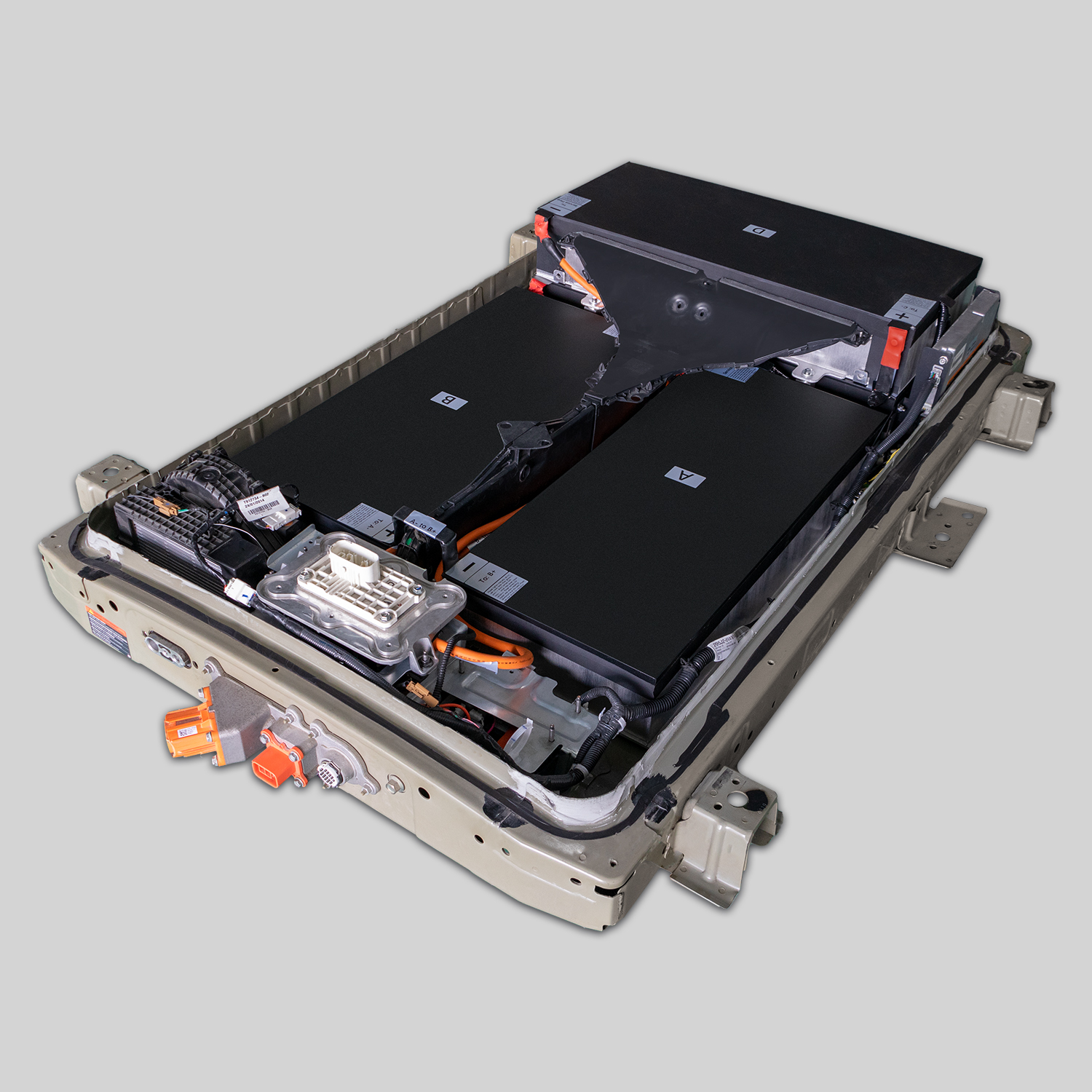
- The issue is limited to the external service disconnect (orange handle) harness—not internal pack cabling
- You’ve fully disconnected and discharged the high-voltage system (verified with meter)
- You’re replacing with an OEM-spec or CNS-certified cable assembly
CNS BATTERY includes pre-terminated, model-specific cable kits with every full battery pack—color-coded, labeled, and tested for plug-and-play reliability. If you’re swapping the entire pack, cable replacement is often unnecessary.
But if you’re repairing only a cable on an existing pack? Proceed with extreme caution.
⚠️ Warning: Cutting, splicing, or re-crimping high-voltage cables voids safety certifications and risks arc flash, fire, or electrocution—even days after reassembly.
When to Call a Professional (And Why It’s Worth It)
❌ Do NOT attempt DIY if:
- You’ve never worked on high-voltage systems before
- The damage is near the battery module busbars or inverter connector
- Your i3 shows error codes like 0x54A3, 0x54B1, or “HVIL Open”
- You lack proper insulation testing equipment
In these cases, a certified EV technician can:
- Safely isolate and discharge the system
- Diagnose whether the cable or the connector terminal is faulty (often the real issue)
- Torque connections to BMW spec (under/over-torquing causes arcing)
- Perform post-repair insulation resistance and HVIL continuity tests
Most independent EV shops charge $150–$350 for cable replacement—including diagnostics. Compared to the risk of injury or further damage, it’s a smart investment.
The Hidden Advantage of a Full Battery Upgrade
Here’s a truth many owners overlook: if your cables are failing, your battery may be next.
Degraded packs generate more heat, stressing connectors and insulation. Corrosion often starts where cables meet aged modules.
Instead of patching old components, consider this:
When you install a brand-new CNS BATTERY pack, you get:
- Fresh, factory-tested high-voltage cables included
- No need to handle worn connectors on your original battery
- Guaranteed compatibility—no guesswork on pinouts or shielding
- 2-year / 80,000 km warranty covering both pack and wiring
As Mike’s Auto Service in Vancouver notes:
“We used to replace cables on old i3 packs weekly. Since switching to CNS full-pack replacements, those comebacks dropped to zero. The integrated harnesses just work.”
Safety First—Confidence Always
Your BMW i3’s high-voltage system demands respect. There’s no shame in calling a pro—especially when lives (including yours) are on the line.
But if your battery is aging anyway, ask yourself: is it worth repairing old parts… or starting fresh with a complete, reliable solution?
Not Sure What to Do? Get Expert Guidance—Free
Before you lift a wrench or book a shop, let our engineers help you decide. Share your symptoms, photos, and i3 model—and we’ll tell you honestly whether DIY is viable… or if a smarter upgrade makes more sense.
👉 Contact CNS BATTERY Technical Support Now
FAQ: BMW i3 High-Voltage Cable Replacement
Q: Can I buy replacement cables separately from CNS BATTERY?
A: Yes—for common failure points like the service disconnect harness or inverter leads. But we strongly recommend professional installation unless you’re HV-certified.
Q: Are aftermarket cables safe?
A: Only if they meet BMW’s shielding, gauge, and interlock specs. Many cheap replicas lack proper HVIL circuits or thermal sensors, creating hidden risks.
Q: How do I know if the cable or connector is bad?
A: Look for melting, discoloration, or white powder (corrosion) at terminals. A professional can measure contact resistance—values >1 mΩ indicate failure.
Q: Does cable replacement require BMS reset?
A: Usually not—if the HVIL loop is restored correctly. But if the car was driven with a faulty interlock, a BMS recalibration may be needed.
Q: Can rodents really damage i3 cables?
A: Unfortunately, yes. The soy-based insulation used in some EVs attracts rodents. If you store your i3 in a garage or rural area, inspect cables annually.