
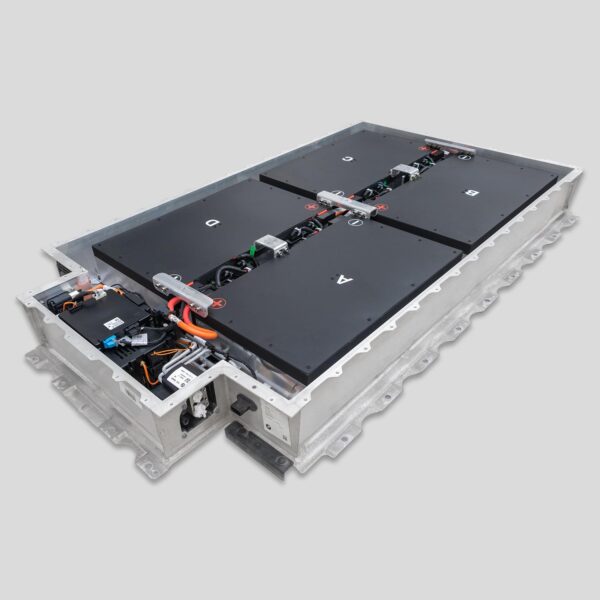
BMW i3 Battery Cable Harness Damage: Fixes, Risks, and When to Upgrade
You are driving your BMW i3 when suddenly the dashboard lights up like a Christmas tree. “Drivetrain Malfunction,” “High Voltage System Fault,” and “Charge Failure” warnings flash in rapid succession. The car loses power, forcing you to the shoulder. A diagnostic scan points to a cryptic error: High Voltage Isolation Fault or Plausibility Error in HV Cabling.
Your mechanic lifts the car and delivers the news: The battery cable harness is damaged. Maybe it’s chafed against the chassis, corroded by road salt, or melted from internal resistance.
Your first thought is relief: “It’s just a cable, right? That’s cheaper than a whole new battery.”
But before you authorize a simple repair, you need to understand the hidden dangers. A damaged harness is often a symptom of a deeper issue within the battery pack itself. Ignoring the root cause could lead to catastrophic failure, fire, or a repeat repair bill within months.
At CNS BATTERY, we specialize in the high-voltage architecture of the BMW i3. We have seen too many owners patch a harness only to face a total battery meltdown weeks later. This guide explores the real fixes for BMW i3 battery cable harness damage, the critical safety risks involved, and why replacing your aging battery pack might be the safest, most cost-effective long-term solution.
The Hidden Dangers of a Damaged HV Harness
The orange cables running from your BMW i3 battery are not ordinary wires. They carry up to 400 volts DC and hundreds of amps. Any compromise in their integrity is a life-safety issue.
Common Causes of Harness Failure
- Chafing and Abrasion: The i3 battery sits low on the chassis. Over time, vibration can cause the heavy harness to rub against metal brackets or the underbody shield, wearing through the orange insulation.
- Corrosion: Road salt and moisture can corrode the high-voltage connectors, increasing resistance and generating intense heat.
- Thermal Damage: If battery cells inside the pack are failing or unbalanced, they can generate excessive heat that melts the internal wiring or the main connector housing.
- Rodent Damage: Unfortunately, the soy-based insulation used in some EV cables is attractive to rodents, leading to chewed wires.
Why “Just Taping It Up” Is Not an Option
You cannot simply wrap electrical tape around a high-voltage cable.
- Arc Flash Risk: Exposed HV conductors can arc to the chassis, creating an explosion of plasma hotter than the sun.
- Electrocution: A compromised harness can energize the vehicle’s frame, posing a lethal risk to anyone touching the car.
- Fire: High resistance at a damaged point generates heat rapidly, often igniting surrounding plastics or the car’s undercoating.
The Fix: Repair vs. Replacement
If your harness is damaged, you generally have two options. But choosing the right one depends entirely on why it failed.
Option 1: Harness Repair/Replacement (The Surface Fix)
If the damage is purely external (e.g., rodent chewing or clear abrasion from a loose bracket) and the battery internals are healthy:
- The Process: A certified technician must disconnect the high-voltage system, remove the damaged section, and install a new OEM or certified aftermarket harness. Connectors must be cleaned or replaced.
- Cost: $800 – $1,500 USD (Parts + Labor).
- The Risk: This assumes the battery pack itself didn’t cause the damage. If the harness melted due to internal cell overheating, a new harness will just melt again.
Option 2: Full Battery Replacement (The Root Cause Solution)
Often, harness damage is the result of a failing battery.
- Internal Shorts: A failing cell module can draw excessive current, overheating the main output cables and melting the connector.
- Corrosion Leak: If moisture entered the battery pack (causing an isolation fault), it likely corroded the internal busbars and the external harness connections.
- The Reality: In these cases, replacing the harness is throwing good money after bad. The battery pack is already compromised and unsafe.
The CNS BATTERY Solution: Eliminate the Risk Entirely
At CNS BATTERY, we don’t just fix symptoms; we ensure your entire high-voltage system is safe, reliable, and future-proof. If your harness damage is linked to an aging or failing battery pack, we offer a superior alternative to risky repairs.
Our BMW i3 Series Battery replacements come with brand new, factory-fresh high-voltage cabling and connectors integrated into the solution.
Why Upgrade with CNS BATTERY Instead of Just Fixing the Cable?
- Total System Safety: You aren’t just getting a new cable; you are getting a new battery pack with pristine internal connections, eliminating the source of overheating or corrosion that likely damaged the old harness.
- Modern Durability: Our replacement packs utilize updated materials and sealing technologies that resist corrosion and thermal stress better than the original 2014-2017 components.
- Capacity Upgrades: Turn a repair crisis into a performance upgrade. Swap your damaged 60 Ah system for a 94 Ah or 120 Ah equivalent, doubling your range to 130+ miles while solving the harness issue.
- Cost Efficiency: A dealership might charge $1,200 for a harness repair plus diagnostics. If the battery is also bad, the bill skyrockets. Our complete replacement solutions typically range from $8,000 to $12,000 USD, which includes a new battery, new internal/external connections, and a full warranty.
- Warranty Peace of Mind: We warranty the entire system. If a connection fails, we fix it. A standalone harness repair often comes with limited or no long-term guarantee on the battery health.
Real Story: From Melted Connector to Road Trip Ready
Meet James, a 2015 i3 owner in the Rust Belt. His car threw isolation faults, and inspection revealed the main HV connector was melted and the harness insulation was cracked. A local shop quoted him $1,100 to replace the harness and connector.
James hesitated, fearing the melt was caused by a deeper battery issue. He contacted CNS BATTERY. Our analysis confirmed that two modules inside his pack had high resistance, generating the heat that melted the connector. A harness-only repair would have failed within weeks.
James opted for our 120 Ah upgrade. We installed a complete new pack with fresh cabling. “I saved myself from a recurring nightmare,” James says. “Now I have a safe car with 135 miles of range. The melted connector problem is gone forever because the source of the heat is gone.”
Don’t Gamble with High Voltage Safety
A BMW i3 battery cable harness damage diagnosis is serious. While a simple external repair is possible, you must rule out internal battery failure first. Ignoring the root cause risks fire, stranding, and repeated repair bills.
Ensure your fix is permanent. Ensure your system is safe. Choose a solution that addresses the whole picture.
Has your BMW i3 shown HV cable errors or melted connectors?
Stop risking a temporary fix. Contact CNS BATTERY today for a professional assessment. We’ll determine if a simple harness swap suffices or if a battery replacement is the safer, smarter choice to get you back on the road with confidence and increased range.
👉 Get Your Safety Assessment & Quote
Frequently Asked Questions (FAQ)
1. Can I drive my BMW i3 if the battery harness is damaged?
No. Driving with a damaged high-voltage harness poses severe risks of electrocution, fire, and sudden power loss. The vehicle should be towed immediately to a certified EV specialist.
2. How much does it cost to replace a damaged HV harness?
For a standalone harness replacement, expect to pay $800 – $1,500 USD depending on labor rates and parts availability. However, if the damage was caused by internal battery failure, you will also need a battery replacement, increasing the cost significantly.
3. What causes the battery harness to melt or fail?
Common causes include internal battery cell failures (generating excessive heat), corrosion from moisture ingress, chafing against the chassis, or rodent damage. Identifying the root cause is critical before repairing.
4. If I replace the harness, will the problem come back?
If the harness failure was caused by an underlying battery issue (like high-resistance cells), yes, the new harness will likely overheat and fail again. A full diagnostic of the battery pack is essential. CNS BATTERY replaces the entire system to prevent recurrence.
5. Does a new battery from CNS BATTERY include new cables?
Yes. Our BMW i3 Series Battery replacements come with new, integrated high-voltage connections and are compatible with fresh harness components, ensuring a completely renewed and safe high-voltage system.
6. Is it safe to repair a high-voltage cable myself?
Absolutely not. Working on 400V DC systems requires specialized training, insulated tools, and safety gear. Improper repair can lead to fatal electrocution or fire. Always rely on certified professionals.
7. How do I know if my harness damage is just external or internal?
A professional diagnostic scan and physical inspection are required. Technicians will check for cell voltage deviation and internal resistance. If internal metrics are poor, the harness damage is likely a symptom of a failing pack, necessitating a full replacement.

