BMW i3 Battery Cable Damage: Repairs vs Replacement – Why “Just Fix the Wire” Could Cost You $4,000 in Hidden Risks (And When Full Replacement Is the Only Safe Choice)
“I hit a pothole last winter. A week later, my 2016 i3 threw a ‘High-Voltage Disconnect’ error.
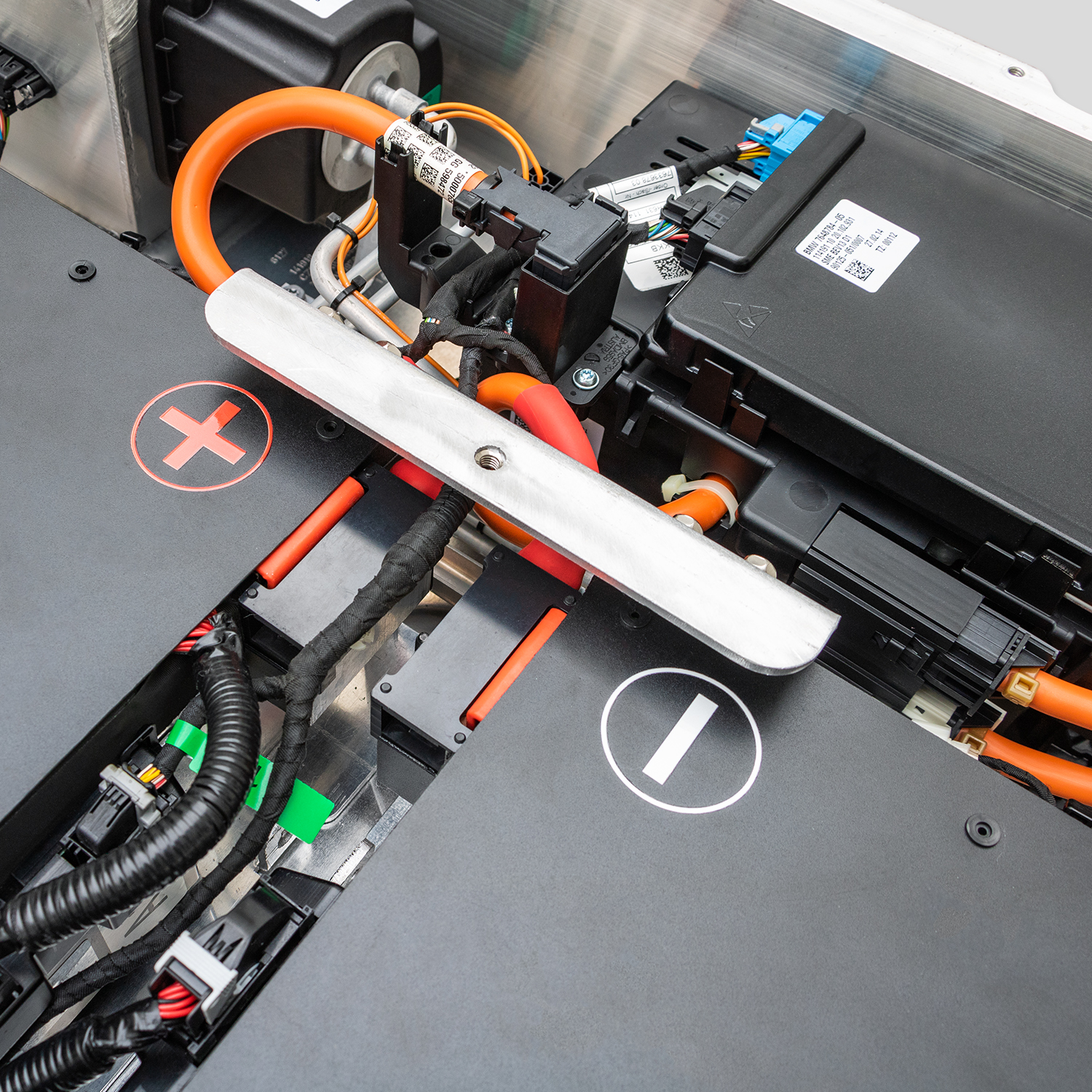
A local shop traced it to a crushed orange HV cable near the rear subframe.
They offered to splice and insulate it for $380.
I said yes.
Three months later, the car shut down on the highway.
The splice had overheated, melted the connector, and fried the BMS.
Total repair bill: $4,200—plus a tow.
CNS BATTERY’s engineer later told me: ‘Once high-voltage insulation is compromised, the entire circuit is at risk. There’s no safe “temporary fix.”’”
If you’ve discovered damaged battery cables on your BMW i3—whether from road debris, improper handling during service, or aging—you’re facing a critical decision:
- Option A: Repair the damaged section (cheap, fast)
- Option B: Replace the entire pack or harness (expensive, but reliable)
But unlike a frayed phone charger, high-voltage EV cables don’t forgive shortcuts.
In this guide, we break down:
- ⚡ The real dangers of spliced or taped HV cables (arc flash, thermal runaway, fire)
- 🔍 How to identify cable damage early—before it strands you
- 🛠️ When professional repair is acceptable (rare—and only under strict conditions)
- ✅ Why modern replacement packs like CNS’s include upgraded, impact-resistant cabling
All guidance aligns with IEC 60664, BMW safety protocols, and NFPA 70E electrical standards.
⚠️ Why High-Voltage Cable Damage Is Not “Just a Wire Problem”
The BMW i3 operates at ~350 volts DC—enough to jump gaps, ignite materials, or cause fatal shock. Its orange-sheathed cables carry up to 250 amps during acceleration or regen braking.
When insulation is cracked, pinched, or abraded:
- Moisture ingress creates conductive paths → short circuits
- Vibration fatigue worsens micro-tears → eventual arcing
- Heat buildup at damaged points degrades nearby components
📌 Critical fact: BMW explicitly prohibits field repairs of high-voltage cables in its service manuals. Damaged sections must be replaced as part of the full harness or pack assembly.
Common causes of cable damage:
- Improper jack points during tire changes or suspension work
- Road impact (deep potholes, curbs, speed bumps)
- Rodent chewing (especially in stored vehicles)
- DIY battery swaps with inadequate strain relief
🔧 When Is Cable Repair Technically Possible? (Spoiler: Almost Never)
In theory, certified EV technicians with HV recertification can replace a modular cable segment—but only if:
- The damage is outside the sealed pack enclosure
- The connector is undamaged and undistorted
- The repair uses OEM-spec crimp tools, heat-shrink tubing, and dielectric testing
- Post-repair insulation resistance >100 MΩ (verified with megohmmeter)
🚫 Reality: Few independent shops have the tools or certification. Most “repairs” are electrical tape wraps or solder joints—which violate safety codes and void insurance in case of fire.
Even BMW dealers often replace the entire pack rather than risk liability from partial repairs.
✅ The Smarter Path: Full Pack Replacement with Integrated, Protected Cabling
If your i3’s HV cables are damaged—especially near the pack interface—the safest, most cost-effective long-term solution is a complete battery replacement.
CNS BATTERY’s 2026 i3 packs address cable vulnerability head-on:
- Reinforced HV harnesses with double-layer XLPE insulation
- Strain-relief boots at all entry/exit points
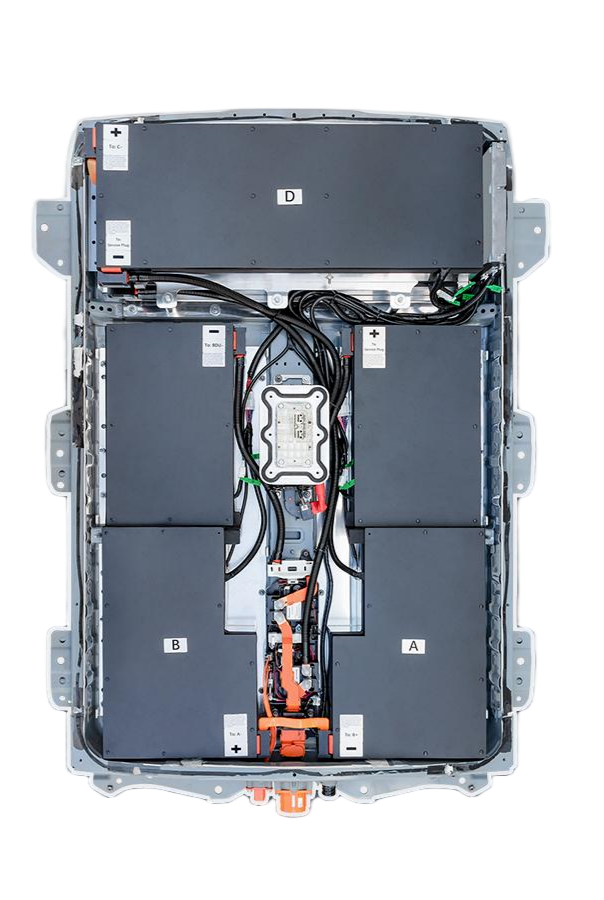
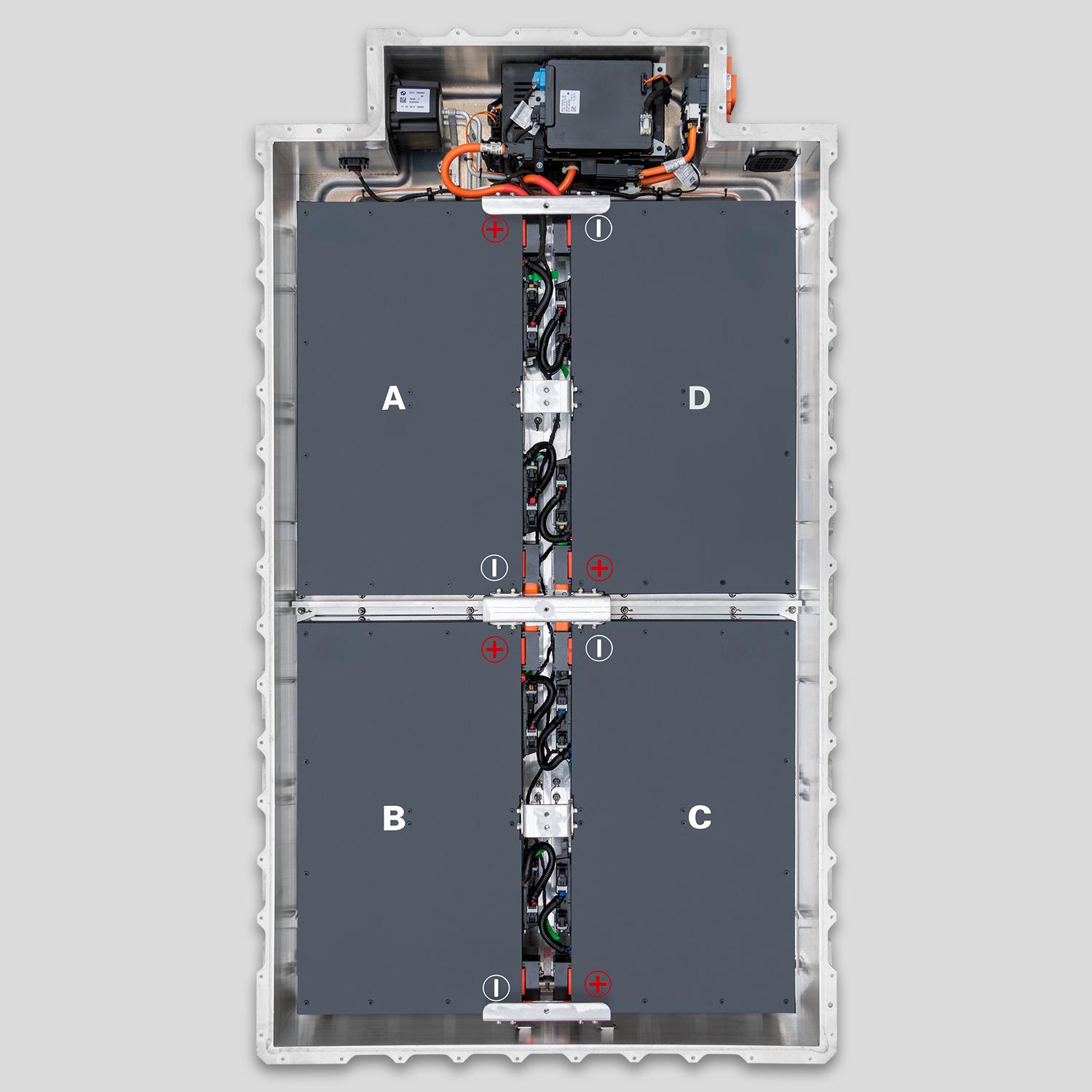
- Pre-routed, factory-tested cables—no field modifications needed
- Color-coded, keyed connectors that prevent misassembly
“After a shop botched my cable repair, I installed CNS’s 50kWh pack. The new harness has armored sections near the chassis—exactly where my old one got crushed.”
— Trevor K., Denver
Plus, because the entire system is plug-and-play, there’s zero risk of poor connections or insulation gaps.
💰 Cost Comparison: Short-Term Savings vs. Long-Term Risk
| Scenario | Upfront Cost | Hidden Risks | Long-Term Outcome |
|---|---|---|---|
| DIY or shop cable splice | $200–$500 | Fire hazard, BMS damage, voided insurance | Likely total pack failure within 6–12 months |
| OEM cable harness replacement | $2,800+ (plus labor) | Requires dealer coding; long wait times | Reliable—but doesn’t fix aged cells |
| CNS full pack replacement | $6,190 | None—includes 24-month warranty | Restores range, fixes cables, future-proofs vehicle |
💡 Insight: Replacing just the harness doesn’t solve underlying cell degradation—so you may face dual failures soon after.
🔍 How to Inspect Your i3’s Battery Cables (Safely)
Never touch orange cables unless the car is in Service Mode and HV disabled!
Visual checks (with car OFF and parked 10+ mins):
- Look under rear seats and along chassis rails for kinks, cuts, or exposed copper
- Check connectors at pack and inverter for melting, discoloration, or loose pins
- Smell for ozone or burnt plastic near cable paths
If you see any damage, do not drive the car. Tow it to a qualified EV specialist.
Frequently Asked Questions: i3 Battery Cable Damage
Q: Can I drive with minor cable abrasion?
A: No. Even small nicks can escalate rapidly under load. Treat all HV damage as an emergency.
Q: Does insurance cover cable damage from potholes?
A: Often yes—if documented by a certified shop. But claims may be denied if improper repairs were attempted.
Q: Are CNS cables compatible with original connectors?
A: Yes. All CNS packs use exact OEM-spec connectors—no adapters needed.
Q: How long does full pack replacement take?
A: 3–5 hours. Includes removal, installation, and system verification.
Q: Will a new pack reset all HV errors?
A: Yes—as long as no other components (like the inverter) were damaged by the fault.
A Damaged High-Voltage Cable Isn’t a “Fixable Part”—It’s a Ticking Hazard
And your safety isn’t worth gambling on a $400 shortcut.
Found Damaged Cables on Your BMW i3? Don’t Risk a Splice.
Send Us:
- Photos of the damaged area (if safe to take)
- Your i3 model year
- Whether you’ve seen error codes like “HV System Fault”
We’ll Tell You Honestly Whether the Harness Can Be Safely Replaced… Or If It’s Time for a Complete, Warranty-Backed Battery System That Eliminates the Risk—and Restores Your Peace of Mind.
Because when 350 volts are involved, there’s no such thing as “good enough.”
Get Your Free Safety Assessment Now:
👉 https://cnsbattery.com/ev-battery-home/ev-battery-contact/