BMW i3 Battery Cable Damage: The Hidden Danger Most Owners Ignore (And How to Fix It Right)
“A Chewed HV Cable Cost Me $4,200 in ‘BMS Repairs’—Then I Found Out the Whole Pack Was at Risk”
You’re inspecting your BMW i3’s undercarriage after a rodent warning—or maybe you just pulled the battery for an upgrade—and you spot it: frayed insulation on a high-voltage cable, exposed copper near the connector, or melted sheathing from heat exposure.
Your first thought? “It still works—maybe I can tape it?”
Don’t. Damaged high-voltage (HV) cables in the i3 aren’t just an electrical issue—they’re a fire hazard, a safety liability, and a ticking time bomb for your entire battery system.
The truth is, cable damage is far more common than BMW admits, especially in older i3s with aging harnesses or those stored in garages with pests. And while minor repairs seem tempting, the only safe, reliable solution often lies in a complete, engineered replacement.
Here’s what you need to know—before a small tear becomes a catastrophic failure.
Why BMW i3 Battery Cables Fail (And Why DIY Fixes Are Dangerous)
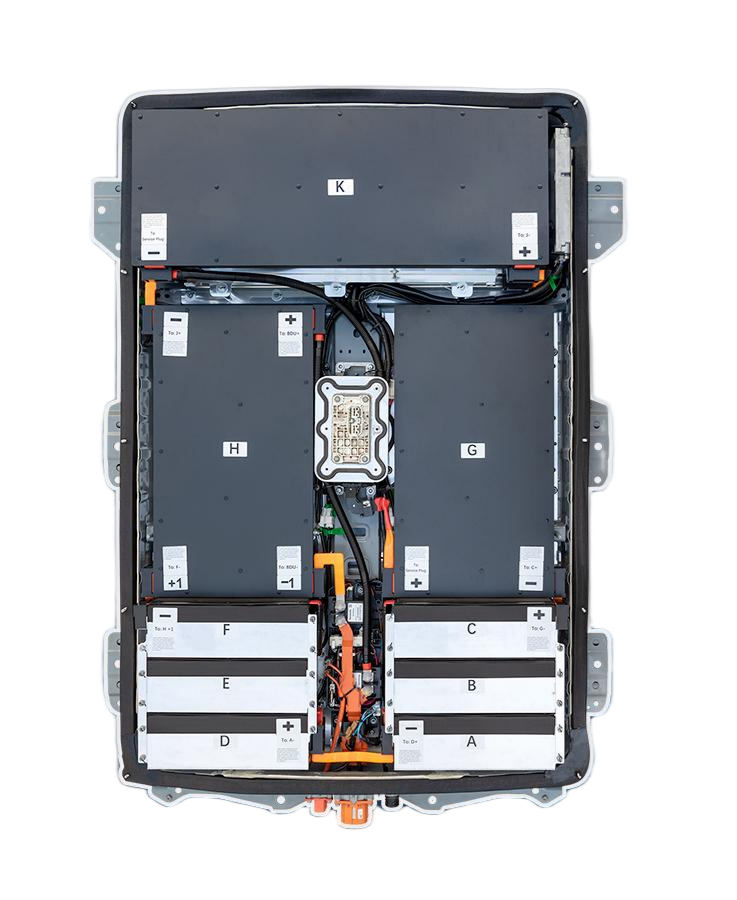
The i3’s traction battery uses multiple high-current cables:
- Main HV positive/negative links (400V+, 200+ amps)
- Inter-module busbars
- BMS signal and temperature sensor harnesses
These are exposed to:
- Rodents (mice love soft EV cable insulation)
- Heat cycling (near coolant lines or exhaust components)
- Vibration fatigue (over 100,000 miles of road stress)
- Improper handling during prior repairs
Once insulation cracks or conductors fray, risks escalate fast:
- Arcing between phases or to chassis ground
- Short circuits triggering BMS shutdowns (error codes like 930710)
- Thermal runaway if damaged cables overheat
⚠️ Critical note: Even if the car “drives fine,” a compromised HV cable can fail without warning—especially during fast charging or hard acceleration.
🔧 Can You Repair a Damaged i3 Battery Cable?
Technically, yes—but only under strict conditions:
✅ Minor outer sheath wear (no conductor exposure): May be wrapped with high-temp, HV-rated tape (e.g., 3M Scotch 70)
✅ Signal harness nick: Can be spliced with proper crimp + heat-shrink, then sealed
❌ Never attempt repair if:
- Copper strands are cut or corroded
- Insulation is melted or brittle
- Damage is near a connector or bend point
- You lack HV-certified training and tools
In most real-world cases—especially with main power cables—replacement is the only safe option.
The Smart Solution: Full Pack Replacement with Integrated, Protected Cabling
Here’s where CNS BATTERY changes the game.
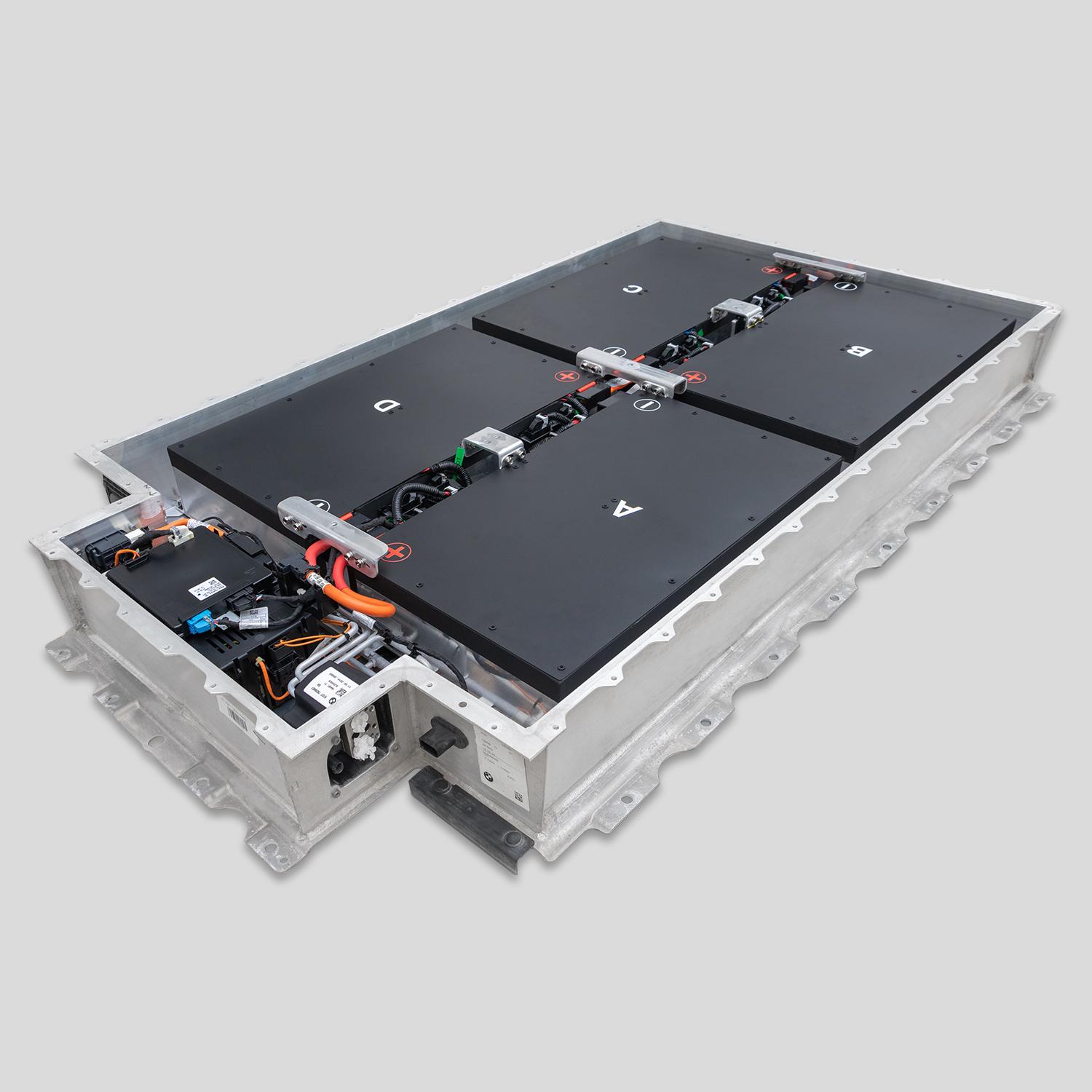
When you order a new 50kWh or 62kWh BMW i3 battery pack from CNS, you don’t just get fresh cells—you get a complete, factory-assembled system with:
- Brand-new, OEM-spec HV cables rated for 600V and 250A continuous
- Reinforced rodent-resistant insulation (tested to ISO 6722 Class D)
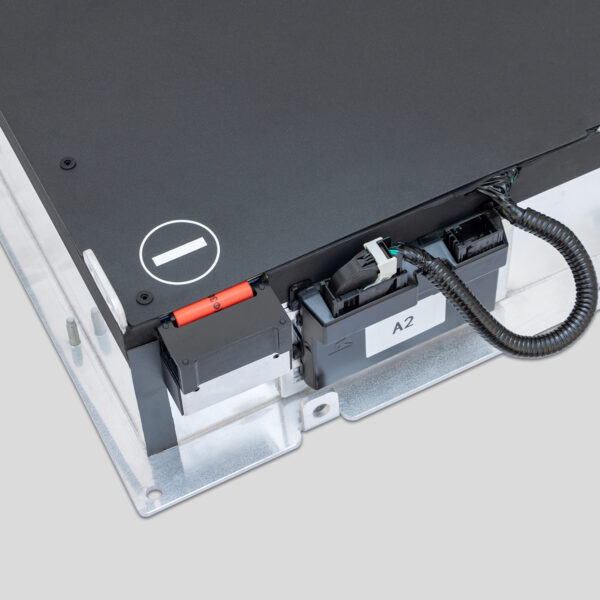
- Pre-installed, strain-relieved connectors that match BMW’s original torque specs
- Integrated BMS harnesses with shielded signal lines to prevent EMI errors
“After mice chewed through two cables on my 2015 i3, the dealer wanted $3,800 just to ‘assess’ the damage. I switched to a CNS 50kWh pack. All cables were new, sealed, and routed identically. Total cost: $5,900—including full battery replacement.”
— Mike’s Auto Service, Vancouver
Why Replacing Just the Cable Often Backfires
Some shops offer “cable-only” replacements. But this approach has hidden flaws:
- Mismatched impedance between old and new sections causes hot spots
- Poor crimp joints increase resistance → more heat → faster failure
- No warranty coverage if a DIY splice later causes BMS faults
- Labor-intensive: Requires full pack disassembly—often more work than a full swap
With CNS, you eliminate all guesswork. Every cable is tested as part of the full pack before shipping—ensuring seamless integration and long-term reliability.
Prevention Tips: Protect Your Cables After Installation
Once you’ve upgraded:
- Seal garage entry points to deter rodents
- Use cable armor sleeves in vulnerable zones (available upon request from CNS)
- Avoid sharp bends during future maintenance
- Inspect cables annually during routine service
CNS also offers free technical support for post-installation checks—including remote guidance on cable routing.
Frequently Asked Questions: BMW i3 Battery Cable Damage
Q: Will insurance cover cable damage from rodents?
A: Often yes—if you have comprehensive coverage. Provide photos and a repair quote. CNS can supply documentation.
Q: Can I reuse my old coolant hoses with a new CNS pack?
A: Yes. Our packs use identical coolant port dimensions, so existing lines fit without modification.
Q: Do CNS cables meet BMW’s voltage isolation standards?
A: Absolutely. All HV components comply with ISO 6469 and ECE R100—same as OEM.
Q: How long does cable-related installation take?
A: With a full CNS pack, cable connection is plug-and-play—typically adds <30 minutes to standard install time.
Q: What if only the BMS harness is damaged?
A: CNS includes a full set of replacement harnesses with every pack. We also sell them separately for qualified technicians.
Don’t Gamble with High-Voltage Safety
A damaged cable isn’t a “cosmetic” issue—it’s a direct threat to your vehicle, your safety, and your investment. Temporary fixes might save $200 today… but risk $10,000 in fire damage tomorrow.
The responsible choice? Replace it with a system built to last—down to the last wire.
Upgrade Your Entire System—Cables Included
Get a brand-new BMW i3 battery pack with factory-integrated, rodent-resistant, HV-certified cabling—all backed by a 2-year/80,000km warranty and expert technical support.
Click below to request your quote and eliminate cable risks for good:
👉 https://cnsbattery.com/ev-battery-home/ev-battery-contact/