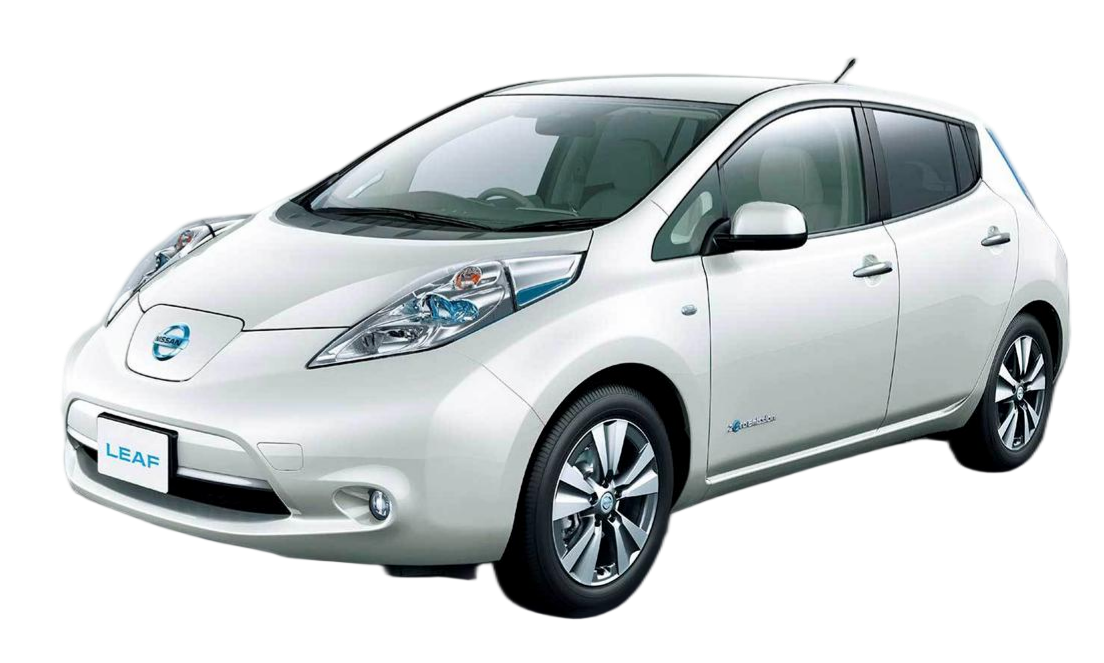
BMW i3 Battery Cable Damage: Prevention – Stop the Silent Range Killer Before It Strikes
You plug your BMW i3 into a DC Fast Charger, expecting a quick 30-minute boost. Instead, the session aborts immediately with a “Charging Malfunction” error. Or perhaps you notice a faint smell of burnt plastic after a long drive, followed by a “Charge Power Reduced” warning on the dashboard.
You suspect a software glitch or a failing battery cell. But the real culprit is often invisible until it’s too late: damage to your high-voltage battery cables.
Hidden beneath the rear seat or running along the undercarriage, the thick orange high-voltage cables are the lifeline between your energy source and your motor. When these cables suffer from abrasion, rodent damage, corrosion, or heat stress, they create electrical resistance. That resistance generates intense heat, which melts the insulation, damages the battery terminals, and can eventually lead to a catastrophic fire or total system failure.
How does cable damage happen in a sealed EV?
Can you prevent it before your cables melt?
And if your cables are already showing signs of wear, is repair enough, or do you need a permanent solution?
At CNS BATTERY, we have inspected thousands of i3s where cable damage was the root cause of charging failures and overheating. We know that while maintenance can help, the design flaws in aging i3s often make prevention impossible without a hardware upgrade. This guide reveals how cable damage happens, the steps you can take to protect your car, and why upgrading to a modern battery system is the only way to eliminate this risk forever.
The Invisible Enemy: How Cables Get Damaged
The BMW i3’s high-voltage system operates at roughly 400 volts. The cables are designed to be durable, but over time, several factors compromise their integrity:
1. Rodent Infestation
This is the #1 cause of sudden cable failure. The soy-based insulation used in many EV cables (including BMW’s) is attractive to rodents. Mice and rats can chew through the orange shielding in a single night, exposing live high-voltage conductors. This leads to immediate short circuits or slow corrosion of the exposed copper.
2. Abrasion and Chafing
The i3’s battery pack can shift slightly over years of driving. If mounting brackets loosen or rubber grommets degrade, the heavy orange cables can rub against the sharp metal chassis or body panels. This constant vibration wears down the insulation until the metal underneath is exposed.
3. Heat Degradation
Cables running near the electric motor or inverter are subjected to high temperatures. Over 8-10 years, this heat can make the insulation brittle and prone to cracking. Once cracked, moisture and road salt seep in, causing internal corrosion that increases resistance.
4. Galvanic Corrosion at Connectors
Where the cable connects to the battery or inverter, dissimilar metals (aluminum housing and copper pins) can react in the presence of moisture. This creates corrosion that eats away at the connection point, increasing resistance and generating dangerous heat.
The Consequences: From Frayed Wires to Fire
Cable damage isn’t just a cosmetic issue; it’s a functional failure waiting to happen.
- Increased Resistance: Damaged or corroded conductors don’t carry electricity efficiently. This forces the current to fight through the damage, generating excessive heat ($Heat = Current^2 \times Resistance$).
- Thermal Runaway: The heat melts the remaining insulation. You might see browning, warping, or dripping plastic around the cable harness.
- Charging Failure: The car detects the high resistance or temperature spike and disables fast charging to prevent a fire.
- Terminal Damage: The heat can travel back into the battery pack or inverter, melting internal busbars and ruining the entire assembly.
The Reality: A damaged cable is a ticking time bomb. Ignoring it risks turning a $500 repair into a $20,000 battery replacement.
Prevention Strategies: How to Protect Your Cables
While you cannot stop aging entirely, you can slow down the process with proactive maintenance.
1. Regular Undercarriage Inspections
Every 6 months, have a certified technician inspect the high-voltage cables.
- What to look for: Chew marks, frayed insulation, brown discoloration, or signs of rubbing against the chassis.
- Action: If minor abrasion is found, it can be wrapped with high-voltage rated tape and secured with new clips to prevent further movement.
2. Rodent Deterrents
If you park in areas prone to rodents (garages, near fields, urban alleys):
- Use ultrasonic repellents designed for cars.
- Apply peppermint oil sprays around the wheel wells (avoiding direct contact with hot components).
- Consider installing a mesh guard around the undercarriage access points.
3. Check Mounting Brackets
Ensure the cable clips and mounting brackets are tight. Loose cables vibrate and chafe. A simple torque check during routine service can prevent years of abrasion damage.
4. Avoid Deep Water and Road Salt Buildup
While the i3 is water-resistant, repeatedly driving through deep puddles can submerge cables beyond their rated depth. In winter, wash the undercarriage regularly to remove salt that accelerates corrosion at connection points.
The Hard Truth: Maintenance Has Limits
Here is the difficult reality for 2014-2018 i3 owners: You cannot prevent cable damage forever on an aging vehicle.
- The Design Flaw: Early i3 cable routing was prone to chafing against specific chassis points. No amount of taping can fix a fundamental design clearance issue forever.
- The Recurrence: Even if you wrap a chafed cable today, the vibration continues. The tape will wear, and the damage will return, often worse than before.
- The Risk: Every time you repair and re-use a damaged cable, you are gambling that the internal strands haven’t been compromised. Damaged strands will always generate heat, even after external repair.
The Verdict: If your cables show significant damage, repair is a temporary band-aid. The only permanent fix is replacing the compromised harnesses with a superior design.
The CNS BATTERY Solution: Upgrade to Damage-Proof Security
If your BMW i3 is showing signs of cable damage, or if you want to prevent it entirely, the best strategy is to replace the aging interface with a modern, protected system.
At CNS BATTERY, our BMW i3 Series Battery upgrades eliminate the weak points of the original design.
Why Upgrading Eliminates Cable Risks
- Brand-New Harnesses: Our upgrades come with pristine, factory-spec high-voltage cables and terminals. No old rust, no frayed insulation, no rodent bites.
- Enhanced Protection: We utilize updated cable routing and additional protective sleeving that resists abrasion and rodent attacks far better than the original 10-year-old parts.
- Corrosion-Resistant Coatings: Our connectors use advanced coatings that inhibit oxidation, ensuring low resistance and cool operation even in harsh environments.
- Complete System Refresh: We don’t just swap the battery; we inspect and service the entire charging path, ensuring your new pack connects via clean, healthy cables.
- Double the Range: While solving your cable fears, you upgrade from a failing 60 Ah or 94 Ah pack to a 120 Ah equivalent, giving you 130+ miles of range.
- Cost Efficiency:
- Cable Repair + Potential Terminal Repair: $500–$1,500 (with high risk of recurrence).
- Dealership OEM Replacement: $20,000+.
- CNS BATTERY Upgrade: $8,000 – $12,000 USD. You get a brand-new, damage-proof battery with double the range for half the dealer price.
Real Story: From “Chewed Wires” to “Weatherproof Power”
Meet David, a 2015 i3 owner in Boston. After one winter, his DC fast charging plug began failing. An inspection revealed severe rodent damage on the main HV cable and melted housing due to heat from a poor connection. The shop repaired it with tape, but six months later, the damage returned, and the melting worsened. They quoted him $2,000 to replace the pigtail and repair battery terminals, warning that the pack itself might be compromised.
David contacted CNS BATTERY. We installed a 120 Ah upgrade. “The difference is incredible,” David says. “They installed a completely new battery with updated, protected cables. I’ve driven through two more brutal winters, and the cables stay perfectly clean and cool. I have 135 miles of range, and I never worry about charging errors again. The upgrade didn’t just fix the cable issue; it made my car invincible.”
Don’t Let Damaged Cables Ground Your Car
BMW i3 battery cable damage is a silent, progressive threat. While regular inspections and deterrents can delay the inevitable, they cannot stop the aging of materials and design flaws.
Don’t gamble with a component that carries 400 volts. Upgrade to a system designed for durability, safety, and long-term reliability.
Worried about cable damage on your i3?
Stop risking a fire or charging failure. Contact CNS BATTERY today for a professional high-voltage cable inspection. We’ll tell you if repair is enough or if it’s time for a 120 Ah upgrade that provides a damage-proof, high-performance solution.
👉 Get Your Cable Inspection & Upgrade Quote
Frequently Asked Questions (FAQ)
1. What causes BMW i3 battery cable damage?
Damage is primarily caused by rodent chewing (due to soy-based insulation), abrasion from loose cables rubbing against the chassis, heat degradation making insulation brittle, and corrosion at connection points due to moisture and salt.
2. Can I repair damaged cables myself?
No. Working on high-voltage cables is extremely dangerous and requires specialized training and equipment. Incorrect repairs can lead to electrocution, fire, or further damage. Always have a certified specialist handle HV components.
3. How do I know if my cables are damaged?
Signs include charging errors, overheating warnings, a burnt plastic smell, or visible fraying, bite marks, or browning on the orange cable insulation during a professional inspection.
4. Will repairing the cables fix the problem permanently?
Rarely. If the root cause is a design flaw (chafing point) or persistent rodent activity, the damage will likely recur. Additionally, internal strand damage may remain even after external repair, leading to future heat issues.
5. Does CNS BATTERY use protected cables?
Yes. Our BMW i3 Series Battery upgrades feature brand-new cables with enhanced protective sleeving and superior routing, designed to withstand abrasion, heat, and rodent attacks far better than original parts.
6. Can cable damage destroy my entire battery pack?
Yes. Heat generated by damaged cables can melt the battery’s internal terminals and busbars, leading to costly internal damage or total pack failure. Early detection is critical.
7. How much does it cost to fix damaged cables?
Repairing and protecting cables costs $500–$1,000. However, if terminals are damaged, costs can rise to $2,000+. A CNS BATTERY upgrade costs $8,000–$12,000 USD but includes a brand-new, damage-proof battery with double the range and a warranty, offering better long-term value.