BMW i3 Battery BMS Upgrade: Cost 2026 – Is a $3,000 Fix Worth It?
Your BMW i3 dashboard is a Christmas tree of warnings. “Drivetrain Malfunction,” “Hybrid/Electric Vehicle Battery System Malfunction,” and the dreaded check engine light are flashing in unison. Your scan tool points to a BMS (Battery Management System) Fault.
A local shop gives you two options:
- Try to reset the codes (they return immediately).
- Replace the BMS control unit or repair the internal sensing harness. They quote you $2,500 to $4,000 for the parts and labor.
You pause. If I spend $3,000 just to fix the “brain” of my battery, will it actually solve the problem? Or is the BMS failing because the “body” (the battery cells) is already dying?
In 2026, with most i3s nearing the decade mark, a BMS fault is rarely an isolated electronic glitch. It is often the death rattle of an aging battery pack. Spending thousands to revive the computer of a failing patient is a gamble few can afford to lose.
Why do BMS units fail on older i3s?
Is a standalone BMS upgrade ever the right choice?
And what is the smarter financial move that fixes the BMS issue permanently while doubling your range?
At CNS BATTERY, we have diagnosed thousands of i3s with BMS failures. We know that while replacing a BMS board is technically possible, it is often a temporary band-aid on a bullet wound. This guide breaks down the real BMS upgrade costs in 2026, explains why standalone repairs often fail, and reveals why a full battery system upgrade is the only path to true reliability and value.
The Role of the BMS: Why It Fails
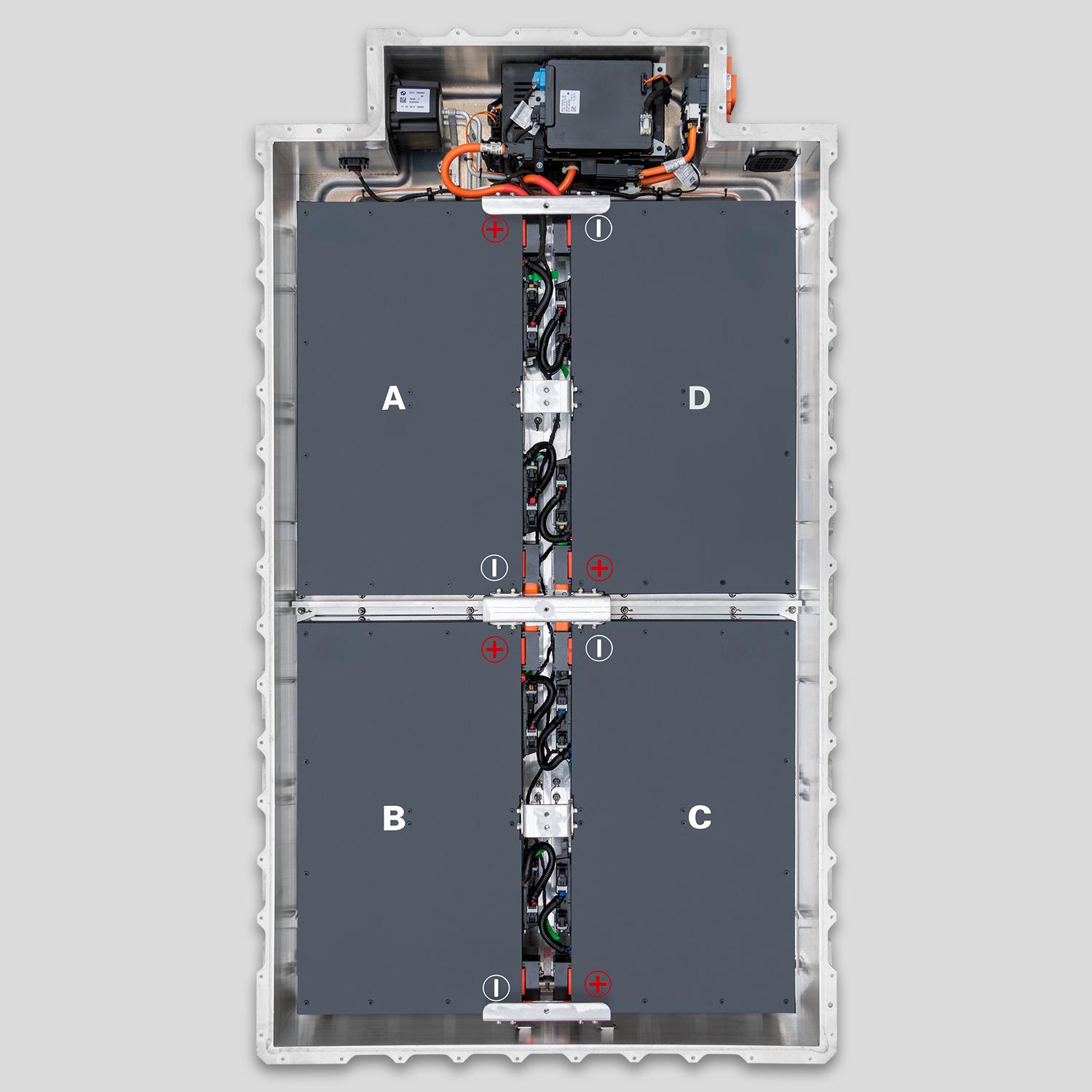
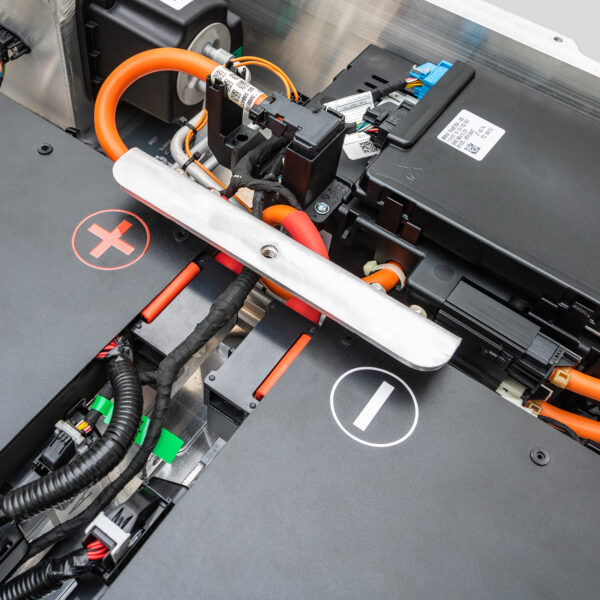
The Battery Management System (BMS) is the brain of your i3. It monitors cell voltages, temperatures, and isolation resistance. It ensures every cell works in harmony. When it throws a fault code, it’s usually because it detects something physically wrong.
Common Causes of BMS Failure in 2026
- Sensor Drift: After 8-10 years, the voltage and temperature sensors embedded in the battery modules drift or fail. The BMS receives bad data and shuts down.
- Corrosion: Moisture intrusion corrodes the internal communication traces connecting the cells to the BMS board.
- Cell Imbalance: If one cell module degrades faster than others, the BMS cannot balance them. It eventually flags a critical fault and disables the pack.
- Board Degradation: The BMS control unit itself can suffer from capacitor aging or solder joint cracks due to thermal cycling.
The Reality: In 90% of cases, the BMS isn’t failing randomly; it’s reacting to the physical degradation of the battery pack it manages.
The Cost Breakdown: Standalone BMS Repair vs. Replacement
If you choose to pursue a standalone BMS fix in 2026, here is what the market looks like:
Option A: BMS Board Replacement
- Part Cost: $800 – $1,500 (for a new or refurbished control unit).
- Labor: $600 – $1,000 (Requires HV disconnection, pack opening, coding, and calibration).
- Total Cost: $1,400 – $2,500 USD.
- The Risk: If the underlying cause was cell imbalance or sensor failure within the modules, the new BMS will simply detect the same faults and shut down again within weeks. You’ve spent $2,000 for a temporary reprieve.
Option B: Internal Harness/Sensor Repair
- Part Cost: $300 – $600 (Sensing harnesses).
- Labor: $1,000 – $1,500 (Extremely labor-intensive; requires disassembling the entire pack to access internal wiring).
- Total Cost: $1,300 – $2,100 USD.
- The Risk: High chance of damaging fragile old cells during disassembly. Also, if the cells themselves are degraded, fixing the wiring won’t restore capacity.
Option C: The “Reset” Gamble
- Cost: $150 – $300.
- Outcome: Codes clear for 10 minutes, then return. Total waste of money.
The Verdict: Spending $2,000+ to fix the brain of a body that is dying is poor economics. You are investing significant money into a system that may still leave you with low range and imminent total failure.
The CNS BATTERY Solution: Upgrade the Whole System
If your BMS is faulting, it is a clear signal that your current battery ecosystem is compromised. Instead of patching the old system, CNS BATTERY offers a complete evolution: a Full Battery System Upgrade that includes a brand-new, modern BMS perfectly matched to high-capacity cells.
Why a Full Upgrade Beats a BMS Fix
- Brand-New BMS Hardware: Our upgrades come with state-of-the-art Battery Management Systems. No aging capacitors, no drifted sensors, no corrosion. It is fresh, accurate, and reliable.
- Perfect Cell Matching: BMS faults often stem from cell imbalance. Our Grade-A cells are matched to within millivolts before assembly. The new BMS has zero work to do to keep them balanced, eliminating the root cause of the fault.
- Advanced Diagnostics: Our modern BMS units communicate faster and more accurately with your i3’s chassis, providing precise range estimates and smoother power delivery.
- Double the Range: While solving your BMS nightmare, you upgrade from a failing 60 Ah or 94 Ah pack to a 120 Ah to 180 Ah equivalent, giving you 130–200+ miles of range.
- Cost Efficiency:
- Standalone BMS Repair: $2,000 – $3,000 (Temporary fix, old cells remain).
- Dealership OEM Replacement: $20,000+.
- CNS BATTERY Full Upgrade: $8,000 – $14,000 USD. You get a brand-new battery, a new BMS, new sensors, and double the range for half the dealer price.
Real Story: From “BMS Loop” to “Flawless Logic”
Meet Elena, a 2016 i3 owner. Her car was stuck in a loop of BMS faults. She paid a specialist $2,200 to replace the BMS board and clean the contacts. For three weeks, the car ran fine. Then, the faults returned. The diagnosis? Two cell modules had degraded, causing voltage spikes that the new BMS correctly detected as faults. She was out $2,200 and still had a broken car.
Elena contacted CNS BATTERY. We installed a 160 Ah upgrade. “It’s been eight months, and not a single warning light,” Elena says. “The new BMS communicates perfectly with the new cells. I have 190 miles of range, and the car feels sharper than ever. I wasted money trying to save a dead system. The full upgrade was the only thing that actually worked.”
Stop Patching, Start Upgrading
A BMW i3 BMS fault in 2026 is rarely just an electronic issue; it’s a symptom of an aging battery pack. Pouring money into a standalone BMS repair is a high-risk gamble with low rewards.
Take the smart path. Replace the entire system with a modern, integrated solution that guarantees performance, accuracy, and longevity.
Is your BMW i3 plagued by BMS errors?
Stop throwing money at temporary fixes. Contact CNS BATTERY today for a professional diagnostic. We’ll tell you if your BMS is the victim of a dying pack and show you how our BMW i3 Series Battery upgrades can eliminate BMS faults forever while doubling your range.
👉 Get Your BMS Diagnostic & Upgrade Quote
Frequently Asked Questions (FAQ)
1. How much does a BMW i3 BMS upgrade cost in 2026?
A standalone BMS board replacement or repair typically costs between $1,400 and $2,500 USD. However, this often fails to solve the root cause if the battery cells are degraded. A full CNS BATTERY system upgrade (including a new BMS and cells) costs $8,000–$14,000, offering a permanent solution with double the range.
2. Can I just reset the BMS fault codes?
You can clear the codes with a scanner, but if there is a physical hardware issue (bad sensor, imbalanced cell, corroded trace), the codes will return immediately or within a few drive cycles. Resetting does not fix the underlying problem.
3. Why do BMS faults happen on older i3s?
Common causes include sensor drift, corrosion on internal communication lines, cell imbalance due to aging, and capacitor failure on the BMS board itself. These are age-related issues common in 8-10 year old EVs.
4. Will replacing the BMS board fix my range issues?
No. The BMS manages the battery; it does not store energy. If your range is low due to cell degradation, a new BMS will not restore capacity. It will only manage the remaining (low) capacity more accurately.
5. Does a CNS BATTERY upgrade include a new BMS?
Yes. Every BMW i3 Series Battery upgrade comes with a completely new, modern Battery Management System calibrated specifically for our high-capacity cells. This eliminates all old BMS-related faults and sensor errors.
6. Is it worth repairing the BMS if my battery health is still good?
If your battery State of Health (SOH) is truly above 90% and the fault is isolated strictly to the BMS board (rare), a repair might be viable. However, for most i3s in 2026, significant cell degradation accompanies BMS faults, making a full upgrade the more logical long-term investment.
7. How long does a full battery upgrade take compared to a BMS repair?
A standalone BMS repair can take 1-2 days but carries a high risk of recurrence. A CNS BATTERY full upgrade also takes 1-2 days but provides a brand-new system with a comprehensive warranty, ensuring you never face the same BMS issue again.