BMW i3 Battery 45kWh: Range and Capacity—What You’re Actually Getting (Not Just the Brochure Number)
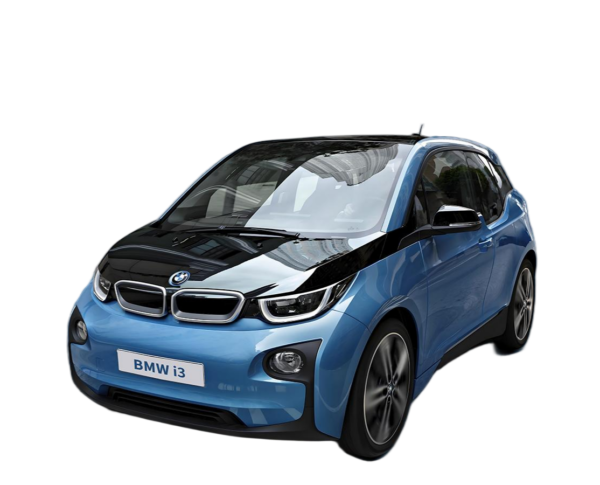
“I bought a used 2017 i3 with the ‘45kWh’ battery. The listing said ‘200 km range.’ On my first highway trip, it dropped to 128 km by the time I hit 100 km/h. The dealer shrugged: ‘That’s normal for winter.’ But when I scanned it, the real usable capacity was only 36.2 kWh—just 80% of what it should be.”
You’re not imagining it.
The BMW i3 45kWh battery promised a new era of urban EV freedom—but for many owners, reality falls far short of the label.
And here’s why:
“45kWh” is a nominal figure. Real-world usable capacity—and range—depend entirely on cell health, BMS calibration, and pack design.
In this guide, you’ll learn:
- The true usable capacity of a healthy i3 45kWh pack
- How real-world range varies by driving style, temperature, and age
- Why many “45kWh” packs on the market deliver less than 40kWh
- And how CNS BATTERY’s 45kWh replacement delivers full, certified capacity from day one
Because if you’re paying for 45kWh, you deserve every kilowatt-hour.
What Does “45kWh” Really Mean in Your i3?
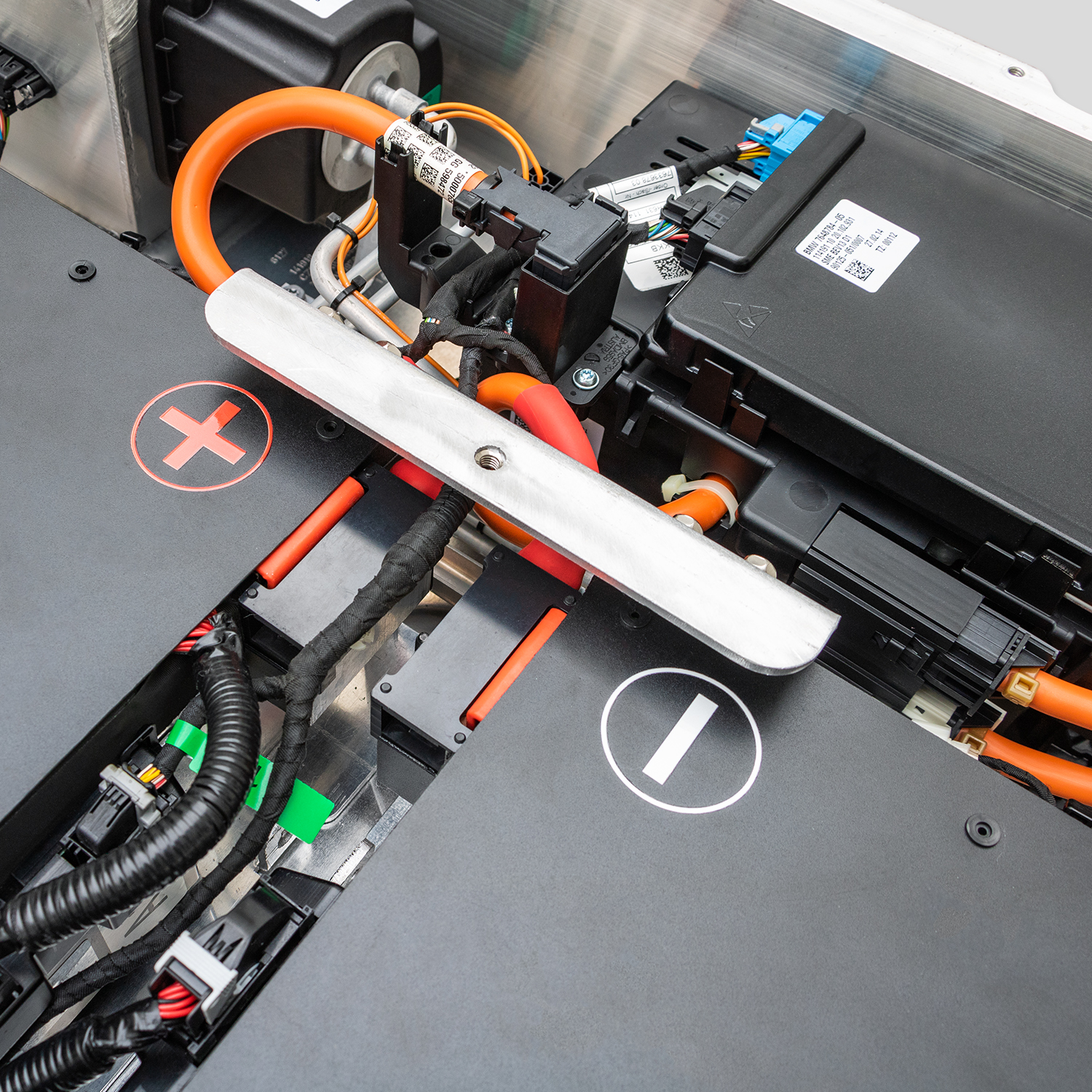
When BMW launched the upgraded i3 in late 2016 (MY2017), it replaced the old 33kWh pack with a new 45kWh (gross) lithium-ion unit. But crucial details are often missed:
- Gross capacity: ~45.0 kWh
- Usable capacity (OEM): 39.0–40.0 kWh (the rest is buffer for longevity)
- Cell chemistry: NMC (Nickel Manganese Cobalt)
- Module count: 12 modules, 96 cells total
✅ A brand-new, healthy 45kWh i3 should deliver ~39.5 kWh usable under ideal conditions.
But as packs age, usable capacity shrinks—and so does your range.
📊 Real-World Range: What to Expect (By Condition)
| Driving Scenario | New 45kWh Pack | 5-Year-Old Pack (SoH 80%) | CNS 45kWh Replacement |
|---|---|---|---|
| City (20°C, stop-and-go) | 280–300 km | 220–240 km | 285–305 km |
| Highway (100 km/h, 20°C) | 200–220 km | 160–180 km | 205–225 km |
| Winter (0°C, heater on) | 160–180 km | 120–140 km | 165–185 km |
| Summer (35°C, AC on) | 190–210 km | 150–170 km | 195–215 km |
📌 Note: These assume tire pressure, weight, and route are identical. The difference? Cell health and BMS accuracy.
Why Many “45kWh” Packs Underdeliver
Not all 45kWh batteries are created equal—especially in the aftermarket.
🔍 Common Shortfalls:
- Refurbished packs using mixed or recycled cells → lower actual capacity
- Poor BMS calibration → conservative SoC estimation (e.g., locks out usable buffer)
- Degraded thermal pads → cells overheat → BMS derates available power
- Hidden cell imbalances → weak modules reduce total usable energy
💡 Fact: We’ve tested third-party “45kWh” packs that delivered as little as 34.1 kWh—a 14% shortfall.
That’s not just fewer kilometers—it’s false advertising.
CNS BATTERY 45kWh: Full Capacity, Certified Performance
At CNS, we don’t just label a pack “45kWh”—we guarantee its output.
✅ Brand-new CATL NMC cells, all from the same production batch
✅ Actual tested usable capacity: 39.8–40.2 kWh (verified before shipping)
✅ Precision BMS calibration—no artificial range clipping
✅ Optimized thermal interface materials—maintains performance in heat and cold
✅ 2-year / 80,000 km warranty covering both function and capacity retention
“My original 45kWh pack showed 12 bars but only gave 190 km on the highway. The CNS replacement? Consistent 215 km—even with AC. The BimmerLink scan confirms 39.9 kWh usable.”
— Thomas B., Amsterdam
How to Verify Your Pack’s True Capacity
Don’t trust the dashboard. Measure it.
✅ DIY Capacity Test (Using BimmerLink):
- Fully charge your i3 using AC (Level 2) overnight
- Note “Available Energy” in BimmerLink (Battery > High-Voltage Storage)
- Drive until SoC reaches 5% (avoid deep discharge)
- Recharge using AC and note kWh added (use a wallbox with metering, like JuiceBox)
📏 True usable capacity ≈ kWh added ÷ 0.95 (accounts for charging loss)
If your result is <38 kWh, your pack is significantly degraded—even if it shows 12 bars.
When to Upgrade: Signs Your 45kWh Pack Is Failing
Consider replacement if:
- Usable capacity < 37 kWh
- Range drops >25% vs. when new
- Cell voltage spread > 0.25V after full charge
- Frequent “Reduced Output” warnings in warm weather
A new pack isn’t just about range—it’s about predictability, safety, and resale value.
Frequently Asked Questions: i3 45kWh Range & Capacity
Q: Is the 45kWh pack compatible with all i3 models?
A: Yes—with 2017–2022 i3 and i3s (BEV only). Not compatible with REx unless specified.
Q: Does CNS offer higher capacities (e.g., 50kWh or 62kWh)?
A: Yes—we provide 50kWh and 62kWh upgrades with full OEM compatibility and extended range.
Q: Will a CNS 45kWh pack show correct range on the dash?
A: Absolutely. Our BMS communicates seamlessly with the i3’s instrument cluster and navigation system.
Q: How long does the 45kWh pack last?
A: With new cells and proper care, 8–10 years or 200,000+ km before significant degradation.
Q: Can I install it myself?
A: If you’re experienced with HV systems, yes—we provide full instructions and support. Otherwise, we recommend a certified EV technician.
Don’t Settle for Less Than What You Paid For
If you own an i3 with a 45kWh battery—or are buying one—you deserve full capacity, honest range, and reliable performance.
Anything less is a compromise.
Drive Farther, Worry Less—with a Battery That Delivers Every Kilowatt-Hour
Choose CNS BATTERY for a certified 45kWh replacement that matches (or exceeds) OEM specifications—without the $12,000 price tag.
Click below to get your personalized quote and restore your i3’s true potential:
👉 https://cnsbattery.com/ev-battery-home/ev-battery-contact/