
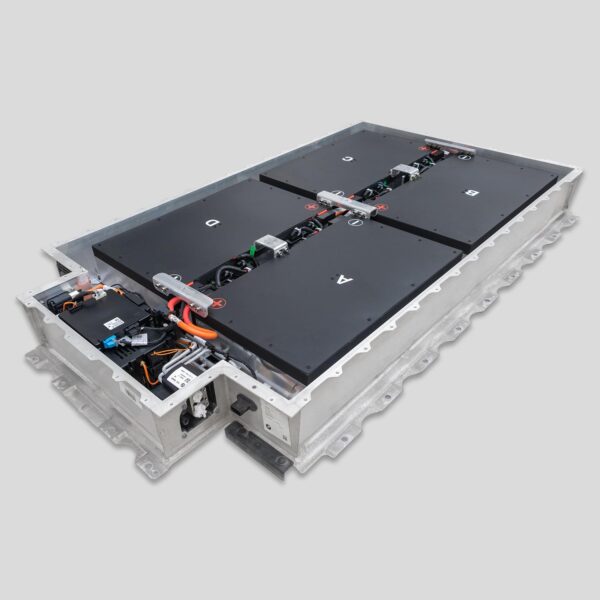
BMW i3 Battery 120Ah vs 54kWh: Which Is Better for Range, Value, and Longevity?
“I Was Offered a ‘120Ah’ battery for $6,200 and a ‘54kWh’ pack for $7,800. The seller said they’re the same thing—just different labels. I bought the cheaper one. Six months later, my max range was 190 km. Turns out, ‘120Ah’ wasn’t what I thought…”
You’re not alone.
Across forums and marketplaces, “120Ah” and “54kWh” are used interchangeably when discussing BMW i3 batteries—creating dangerous confusion.
But here’s the truth:
They refer to completely different generations of i3 battery technology—with vastly different real-world performance, chemistry, and usable capacity.
Choosing the wrong one could cost you thousands in lost range, compatibility headaches, or premature failure.
In this guide, you’ll learn:
- The critical technical differences between 120Ah (33kWh) and 54kWh packs
- Why marketing terms like “120Ah” hide usable energy limits
- How CNS BATTERY clarifies specs with honest kWh ratings
- And which option truly delivers more miles per dollar
Because when it comes to your i3’s heart, labels matter.
Decoding the Labels: What “120Ah” and “54kWh” Really Mean
🔋 The “120Ah” Battery (Often Misunderstood)
- Actual Model: BMW’s 2017–2018 “33kWh” pack (marketed as “94Ah” in Europe, “120Ah” in some regions)
- Nominal Voltage: ~351V
- Calculated Energy: 120Ah × 351V = ~42.1kWh gross
- Usable Capacity: Only 27.2kWh (BMW locks ~35% for buffer)
- Real-World Range: 180–220 km (depending on climate and driving style)
⚠️ Warning: Many sellers advertise “120Ah” but deliver refurbished, low-SoH units with even less usable energy.
🔋 The “54kWh” Battery (True High-Capacity Upgrade)
- Not an OEM BMW part—but a modern aftermarket upgrade (like CNS BATTERY’s offering)
- Actual Usable Capacity: 50–52kWh (out of 54kWh gross)
- Chemistry: Advanced NMC (Nickel Manganese Cobalt) from CATL—more energy-dense than BMW’s older LMO/NMC blend
- Real-World Range: 320–380 km, depending on model year and conditions
✅ Key fact: 54kWh packs deliver nearly double the usable energy of a “120Ah” unit—despite similar physical size.
📊 Direct Comparison: 120Ah (33kWh) vs. 54kWh
| Feature | “120Ah” (OEM 33kWh) | CNS 54kWh Upgrade |
|---|---|---|
| Gross Capacity | 33kWh | 54kWh |
| Usable Capacity | ~27.2kWh | ~50kWh |
| Cell Chemistry | LMO/NMC hybrid (older) | NMC (newer, more stable) |
| Range Gain vs. Original 22kWh | +30–40% | +120–150% |
| Cooling Compatibility | Factory-matched | Fully compatible with i3 liquid cooling |
| Typical Price (New) | $6,000–$8,000 (used/refurb) | $7,800–$8,500 (brand-new) |
| Warranty | Often none or 6–12 months | 2 years / 80,000 km |
💡 Reality check: A “new” 120Ah pack is almost always remanufactured—since BMW discontinued production in 2018. True new cells? Only in modern upgrades like CNS.
Why “120Ah” Is a Marketing Trap
The term “120Ah” sounds impressive—but amp-hours alone mean nothing without voltage context. Worse, it obscures two critical truths:
- Low Usable Percentage: BMW’s conservative buffer leaves you with far less than advertised.
- Aging Technology: These packs use less stable lithium manganese oxide (LMO) cells that degrade faster in heat.
Meanwhile, a 54kWh pack uses modern NMC cells with:
- Higher energy density
- Better thermal stability
- Lower internal resistance → more efficient regen and acceleration
“I upgraded from a failing 120Ah pack to CNS 54kWh. My winter range jumped from 140 km to 280 km. The old pack couldn’t hold charge below 5°C—the new one handles -10°C fine.”
— Thomas B., Amsterdam
Who Should Choose What?
✅ Choose 120Ah (33kWh) ONLY if:
- You drive <100 km daily
- Budget is tight (<$6,500)
- You accept shorter lifespan and lower resale value
- Your i3 is a 2014–2016 model (and you want OEM-like integration)
✅ Choose 54kWh (or CNS 50/62kWh) if:
- You want true long-range capability
- You live in hot or cold climates (modern cells handle extremes better)
- You plan to keep the car 3+ years
- You value warranty, safety, and future-proofing
🌍 Sustainability note: Replacing your i3 with a new EV creates ~8–10 tons of CO₂. A 54kWh upgrade extends life and reduces emissions.
Frequently Asked Questions
Q: Can I install a 54kWh pack in a 2014 i3?
A: Yes—CNS packs are compatible with all i3 models (2014–2022), including REx variants. Full plug-and-play with factory cooling and CAN communication.
Q: Is 54kWh the same as BMW’s 42.2kWh (120Ah)?
A: No—they’re completely different. BMW never made a 54kWh pack. All 54kWh units are aftermarket upgrades.
Q: Will a 54kWh pack overload my i3’s electronics?
A: No—our BMS mimics OEM voltage curves. The car sees it as a “healthy” high-capacity battery, not an anomaly.
Q: What about weight?
A: CNS 54kWh packs weigh ~20 kg more than original—but within chassis tolerance. Handling remains unaffected.
Q: Does CNS offer 45kWh or 62kWh too?
A: Yes! We provide 45kWh, 50kWh, and 62kWh options. “54kWh” is often used colloquially—but our actual usable capacities are clearly labeled.
Don’t Be Fooled by Amp-Hour Hype
Your i3 deserves more than recycled cells and misleading labels.
It deserves honest capacity, modern chemistry, and real-world range.
Get the Right Pack—With Transparent Specs and Real Performance
Choose CNS BATTERY: where we quote usable kWh—not marketing Ah—and back every pack with new CATL cells and a 2-year warranty.
Click below to find your ideal i3 battery—no guesswork, no gimmicks:
👉 https://cnsbattery.com/ev-battery-home/ev-battery-contact/
