Best Practices for BMW i3 Battery Safety Features [2026 Update]
Is Your BMW i3 Battery Safety Up to Date?
Imagine driving your beloved BMW i3 on a hot summer day, only to worry about battery overheating or unexpected power loss. You’re not alone. Thousands of BMW i3 owners face this concern as their original batteries age and degrade over time.
The truth is, battery safety isn’t just about performance—it’s about protecting your investment and ensuring peace of mind on every journey. With the 2026 updates in electric vehicle battery technology, understanding the latest safety features has never been more critical.
In this comprehensive guide, we’ll explore everything you need to know about BMW i3 battery safety, from cutting-edge protection systems to best practices that keep you safe on the road.
Understanding BMW i3 Battery Safety Architecture
The Foundation of Modern EV Safety
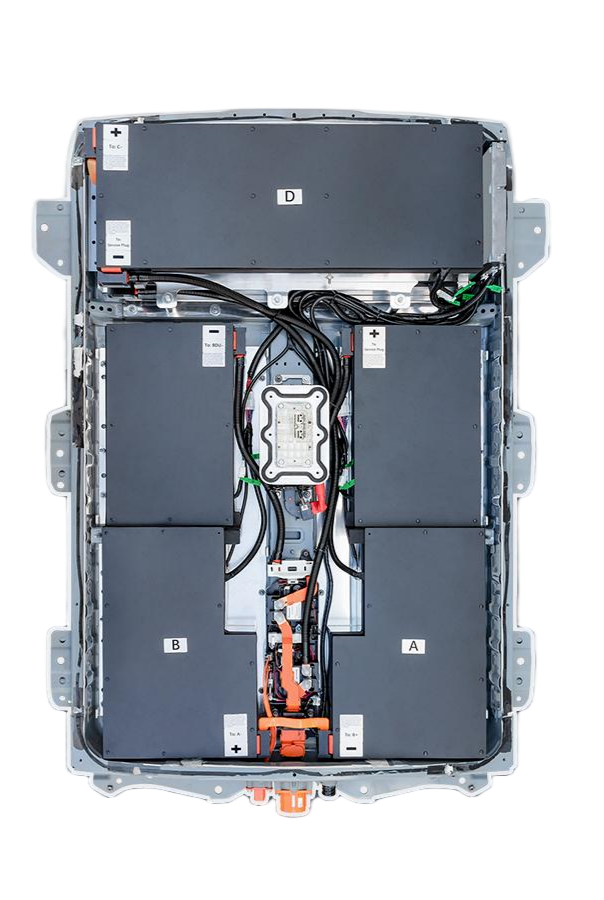
The BMW i3 battery system represents a sophisticated integration of multiple safety layers designed to protect both the vehicle and its occupants. At the heart of this system lies the Battery Management System (BMS), which continuously monitors cell voltage, temperature, and current flow.
Modern lithium battery packs incorporate several critical safety mechanisms:
- Thermal management systems that prevent overheating during charging and discharging
- Insulation monitoring that detects potential electrical faults before they become dangerous
- Cell balancing technology ensuring uniform power distribution across all modules
- Crash protection with reinforced housing and automatic disconnect features
Why Safety Features Matter More in 2026
With electric vehicles becoming increasingly common, battery safety standards have evolved significantly. The 2026 update brings enhanced requirements for:
- Fire prevention protocols during extreme temperature conditions
- Leak detection systems for coolant and electrolyte monitoring
- Real-time health monitoring accessible to vehicle owners
- Extended warranty coverage reflecting improved reliability
Critical Safety Features Every BMW i3 Owner Should Know
Thermal Protection Systems
Battery overheating remains one of the primary concerns for EV owners. The latest BMW i3 battery modules incorporate advanced cooling systems that maintain optimal operating temperatures even during demanding conditions.
According to real-world testing, quality replacement battery packs now maintain stable discharge rates even at temperatures reaching 38°C (100°F). This represents a significant improvement over earlier generations that experienced performance throttling under similar conditions.
Electrical Insulation Monitoring
The insulation fault detection system continuously checks for potential electrical leaks between high-voltage components and the vehicle chassis. When properly functioning, this system:
- Alerts drivers to potential issues before they become critical
- Automatically reduces power output if insulation degradation is detected
- Prevents dangerous situations during charging cycles
Cell Quality and Longevity
Not all battery cells are created equal. Premium manufacturers now use brand-new CATL ternary lithium cells that offer:
- Superior thermal stability compared to refurbished alternatives
- Consistent performance throughout the battery’s lifespan
- Reduced risk of swelling or capacity degradation
- Enhanced safety margins during fast charging
Best Practices for Maximizing BMW i3 Battery Safety
Regular Health Monitoring
Proactive battery health testing should become part of your regular vehicle maintenance routine. Modern diagnostic tools can reveal:
- Current capacity compared to original specifications
- Individual cell balance status
- Temperature variance across modules
- Historical degradation patterns
Experts recommend checking battery capacity at least twice yearly, especially before extreme weather seasons.
Proper Charging Habits
Your charging practices directly impact battery safety and longevity:
- Avoid consistently charging to 100% unless needed for long trips
- Use Level 2 charging for daily needs rather than DC fast charging
- Monitor battery temperature during charging sessions
- Park in shaded areas during hot weather when possible
Installation Considerations
Whether you’re working with a complete battery pack or individual battery modules, proper installation is crucial for safety:
For Complete Battery Packs:
- Plug-and-play design minimizes connection errors
- Automatic system matching reduces programming risks
- Professional installation recommended for warranty compliance
For Battery Modules:
- Requires connecting 6 power lines and 1 signal line
- Technical skills and proper tools are essential
- Follow detailed installation videos and manuals
- Remote technical support available for troubleshooting
The Cost-Safety Balance: Making Smart Investment Decisions
Understanding Your Options
BMW i3 owners typically face three choices when battery replacement becomes necessary:
| Option | Average Cost | Safety Level | Warranty |
|---|---|---|---|
| Original Factory Battery | $16,000+ | High | Standard |
| Refurbished Battery | $10,000-$12,000 | Variable | Limited |
| Premium Aftermarket (CATL) | $7,800-$8,200 | High | 2 Years/80,000km |
Why Premium Aftermarket Makes Sense
Quality aftermarket battery solutions now offer compelling advantages:
- 50% cost savings compared to original manufacturer pricing
- Enhanced warranty coverage exceeding many factory standards
- Brand-new cell technology without the premium brand markup
- Lifetime technical support for ongoing peace of mind
Real customer experiences demonstrate these benefits. Lisa K. from Berlin reported: “After the original battery degraded, the 4S dealership quoted €12,000 for a replacement. With CNS, the brand-new CATL battery cells were of the same quality as the original. Now, the full charge range has increased from 180km to 290km.”
Warning Signs Your BMW i3 Battery Needs Attention
Recognizing Safety Concerns
Don’t ignore these critical warning indicators:
- Range degradation exceeding 20% from original specifications
- Unexpected power loss during normal driving conditions
- Charging interruptions or significantly slower charging speeds
- Temperature warnings on the vehicle dashboard
- Insulation fault codes appearing in diagnostic scans
When to Take Action
If you notice any of these symptoms, immediate battery health assessment is recommended. Delaying replacement can lead to:
- Increased safety risks during operation
- Higher replacement costs due to additional component damage
- Potential voiding of remaining warranty coverage
- Reduced vehicle resale value
Benefits of Upgrading to Enhanced Safety Battery Systems
Immediate Advantages
Upgrading to a modern BMW i3 battery system delivers multiple benefits:
Extended Range
- Typical upgrades increase range from 180km to 290km or more
- Consistent performance across various driving conditions
- Reduced range anxiety for daily commuting
Enhanced Safety
- Latest thermal management technology
- Improved cell chemistry for stability
- Advanced monitoring systems
Financial Benefits
- Significant cost savings versus factory replacement
- Extended warranty protection
- Maintained vehicle value
Long-Term Value Proposition
Investing in quality battery replacement now prevents costly issues later:
- Avoid unexpected breakdowns during critical trips
- Maintain consistent performance for years
- Enjoy comprehensive warranty coverage
- Access ongoing technical support
Frequently Asked Questions
How Long Does a BMW i3 Battery Last?
With proper maintenance, quality BMW i3 batteries should last 8-10 years or 160,000-200,000 kilometers. Premium aftermarket options with CATL cells often exceed these expectations with proper care.
What Warranty Coverage Should I Expect?
Industry-leading providers now offer 2-year/80,000km warranties covering manufacturing defects and capacity retention. Within this period, capacity should not drop below 9 of 12 bars after full charge.
Can I Install Battery Modules Myself?
While battery module installation is possible for those with technical skills, it requires specific tools and knowledge. Complete battery packs offer plug-and-play simplicity. If you lack confidence, professional installation is recommended.
How Do I Know If My Battery Is Safe?
Regular battery health testing reveals safety status. Watch for consistent performance, normal charging behavior, and absence of warning codes. Professional diagnostics provide definitive answers.
What’s the Difference Between New and Refurbished Cells?
Brand-new cells offer consistent quality, full warranty coverage, and predictable lifespan. Refurbished cells may have unknown history, reduced lifespan, and limited warranty protection.
How Quickly Can I Get a Replacement Battery?
Stock items ship within 1-3 working days. Custom orders typically ship within 20 working days. Ocean shipping takes 4-8 weeks, while express options arrive in 3-8 business days.
Take Action Today: Protect Your BMW i3 Investment
Your BMW i3 deserves the best battery safety available. Don’t wait for warning signs to appear—proactive replacement ensures continuous safe operation.
Ready to upgrade your BMW i3 battery system?
Our expert team provides:
- Free compatibility assessment with your VIN
- Personalized consultation for your specific needs
- Detailed product demonstrations with installation videos
- Transparent pricing with no hidden fees
- Lifetime technical support for peace of mind
Get Your Free Custom Quote Now
Contact our technical experts today and discover how premium BMW i3 battery solutions can restore your vehicle’s performance while enhancing safety. With savings of over 50% compared to factory pricing and industry-leading warranty coverage, there’s never been a better time to upgrade.
Your safety matters. Your investment matters. Make the smart choice today.
This article reflects 2026 industry standards and best practices for BMW i3 battery safety. Always consult qualified professionals for installation and maintenance procedures.