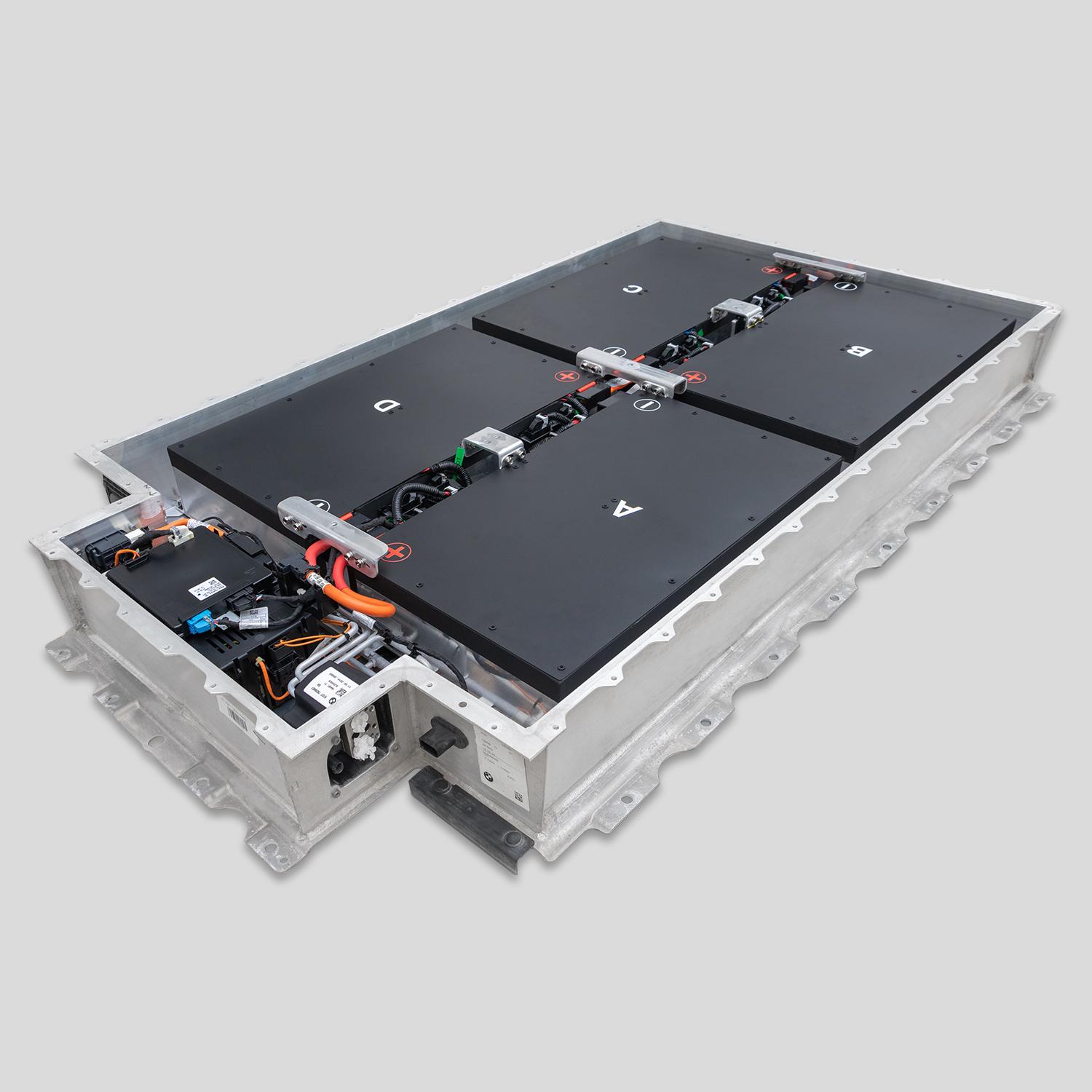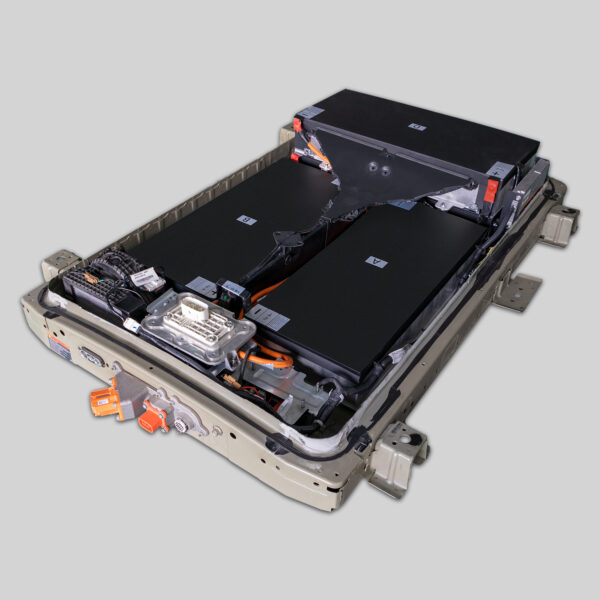
Best Nissan Leaf Battery Long Life Cycle vs AESC: The Ultimate Upgrade Guide
Is your Nissan Leaf’s original battery struggling to hold a charge? If you’re facing the dreaded “range anxiety” or seeing your battery bars drop rapidly, you’re likely researching replacement options. The most common dilemma is choosing between the original manufacturer’s battery (often supplied by AESC or Envision) and a high-performance aftermarket solution.
As a seasoned expert in EV battery restoration, I’ve seen countless Leaf owners stuck between paying a premium for a recycled OEM part or taking a risk on an unknown brand. In this guide, we will dissect the “Best Nissan Leaf Battery Long Life Cycle vs AESC” debate, analyzing the pros, cons, and hidden costs of each option to help you make an informed decision.
📉 The Reality of Aging AESC Leaf Batteries
The Nissan Leaf, a pioneer in the EV market, originally relied heavily on batteries manufactured by AESC (Automotive Energy Supply Corporation). While these batteries were revolutionary in their time, they suffer from a critical flaw: poor thermal management.
Unlike modern EVs with liquid cooling, most Leaf models (especially the 24kWh, 30kWh, and early 40kWh variants) use passive air cooling. This design is insufficient for the Lizard (Layered) cells originally supplied by AESC.
Key Issues with Old AESC Batteries:
- Thermal Runaway: Without proper cooling, cells degrade rapidly in hot climates.
- Memory Effect & Capacity Fade: It is common for 8-10 year old AESC batteries to retain only 50-60% of their original capacity.
- High Replacement Cost: Finding a new AESC cell pack is nearly impossible; you are usually buying someone else’s used battery.
Expert Insight: Replacing your old AESC battery isn’t just about getting more range; it’s about upgrading to modern chemistry and safety standards.
⚡ Why a New Lithium Iron Phosphate (LFP) Battery is the Superior Choice
When comparing a “Long Life Cycle” aftermarket battery to the old AESC standard, the winner is clear for most owners: New LFP (Lithium Iron Phosphate) technology.
At CNS Battery, we specialize in manufacturing direct-replacement battery packs for the Nissan Leaf (ZE0, AZE0, ZE1) that utilize brand-new CATL cells. Here is why this is the best upgrade path.
1. Unmatched Cycle Life
The primary advantage of a modern LFP battery is its longevity.
- AESC (Old Tech): Typically rated for 1,000 – 1,500 cycles before significant degradation.
- CNS LFP (New Tech): Rated for over 3,000+ cycles while maintaining 70-80% capacity. This means the new battery could outlive the car itself.
2. Enhanced Safety & Stability
LFP chemistry is inherently safer than the NMC (Nickel Manganese Cobalt) chemistry used in older AESC packs.
- No Thermal Runaway Risk: LFP cells are more stable at high temperatures.
- Built-in BMS: Our packs feature an advanced Battery Management System (BMS) that actively balances cells, preventing the “bar dropping” issue common in Leafs.
3. Plug-and-Play Perfection
You do not need to modify your car. Our batteries are engineered to OEM dimensions.
- Same Voltage & Interface: Direct drop-in replacement.
- No Coding Required (in most cases): Unlike sourcing individual modules, our complete packs are pre-programmed for a seamless install.
📊 Head-to-Head Comparison: CNS vs. AESC
To help you visualize the difference, here is a breakdown of the key metrics:
| Feature | Old AESC/OEM Battery | CNS New LFP Battery |
|---|---|---|
| Cell Chemistry | NMC (Nickel Manganese Cobalt) | LFP (Lithium Iron Phosphate) |
| Cycle Life | ~1,500 cycles | 3,000+ cycles |
| Thermal Management | Air Cooling (Prone to hotspots) | Improved Airflow Design |
| State of Health (SOH) | Unknown (Used/Recycled) | 100% New Cells |
| Warranty | Limited / None (Used Parts) | 2 Years / 80,000 km |
| Price | High (Due to scarcity) | 50% Less than OEM |
🛠️ Real-World Performance: Upgrading from 24kWh to 62kWh
One of the most popular services we offer is the Nissan Leaf battery swap. Many owners with the old 24kWh model (which originally had a ~110km range) are upgrading to our 62kWh solution.
The Transformation:
- Original (AESC 24kWh): Struggles to reach 80km in winter; frequent charging needed.
- Upgraded (CNS 62kWh): Achieves a real-world range of 280km – 350km.
- Cost Analysis: Instead of spending $12,000+ on a new car, you invest in a $7,000 battery upgrade and get a “new” car.
Pro Tip: If you are doing a Nissan Leaf battery swap, always ensure the BMS is compatible with your Leaf’s specific model year (ZE0 vs ZE1). Our team provides free VIN checks to guarantee compatibility.
🛡️ Why Trust CNS Battery?
Choosing the right supplier is crucial. We are not a reseller; we are the Original Equipment Manufacturer (OEM).
- Brand New Cells: We use CATL (Contemporary Amperex Technology Co. Limited) cells, which are Tier-1 quality and power millions of EVs globally.
- Zero Defect Policy: Our manufacturing process follows strict ISO standards. We do not use recycled or repurposed cells.
- Global Support: We ship worldwide with DDP (Delivered Duty Paid) service and offer video-call support for installation.
📝 Conclusion
When deciding between the “Best Nissan Leaf Battery Long Life Cycle vs AESC,” the answer depends on your goals. If you want to drive your Leaf for another decade without worrying about battery failure, new LFP technology is the only logical choice.
Don’t let an old, degraded AESC battery kill your EV dream. Upgrade to a new, high-capacity lithium pack and experience the Nissan Leaf the way it was meant to be driven.
Ready to revive your Leaf? Get a free, no-obligation quote today and see how much you can save compared to dealership prices.
Get Your Free Custom Quote Now
❓ Frequently Asked Questions (FAQ)
Q1: Can I install a new 62kWh battery on my old 2011-2015 Nissan Leaf (ZE0)?
Yes, absolutely. Our 62kWh battery is designed as a direct replacement for the ZE0 chassis. It is a plug-and-play solution that requires no modifications to the car’s wiring or software. Most professional mechanics can complete the Nissan Leaf battery replacement in under 2 hours.
Q2: Is the LFP chemistry better than the original AESC NMC cells?
For the Nissan Leaf, LFP is generally considered superior for longevity. While NMC cells have a higher energy density (more range in a smaller space), LFP cells have a significantly longer cycle life and are much more tolerant of full charging (100%) without degradation. Since the Leaf has ample space in the battery tray, LFP provides the best “long life cycle” solution.
Q3: What is the warranty on the new battery compared to the old AESC warranty?
Old AESC warranties are long expired. Our new batteries come with a robust 2-year or 80,000 km warranty (whichever comes first). This covers defects in materials and workmanship, and we guarantee the battery will retain at least 70% of its capacity during this period.
Q4: How do I know if the battery is compatible with my specific Leaf model?
Compatibility is critical. Please contact our sales team and provide your VIN (Vehicle Identification Number). We will cross-reference it with our database to ensure the voltage, dimensions, and BMS communication protocol match your specific Leaf year and model (ZE0, AZE0, or ZE1).
Q5: How much does it cost to replace a Nissan Leaf battery vs buying a new AESC module?
Replacing with a new CNS battery costs roughly 50% less than purchasing a new OEM battery from a dealership. Furthermore, sourcing individual AESC modules to fix your old pack is becoming increasingly expensive and unreliable due to the scarcity of used parts and the difficulty of matching aged cells.