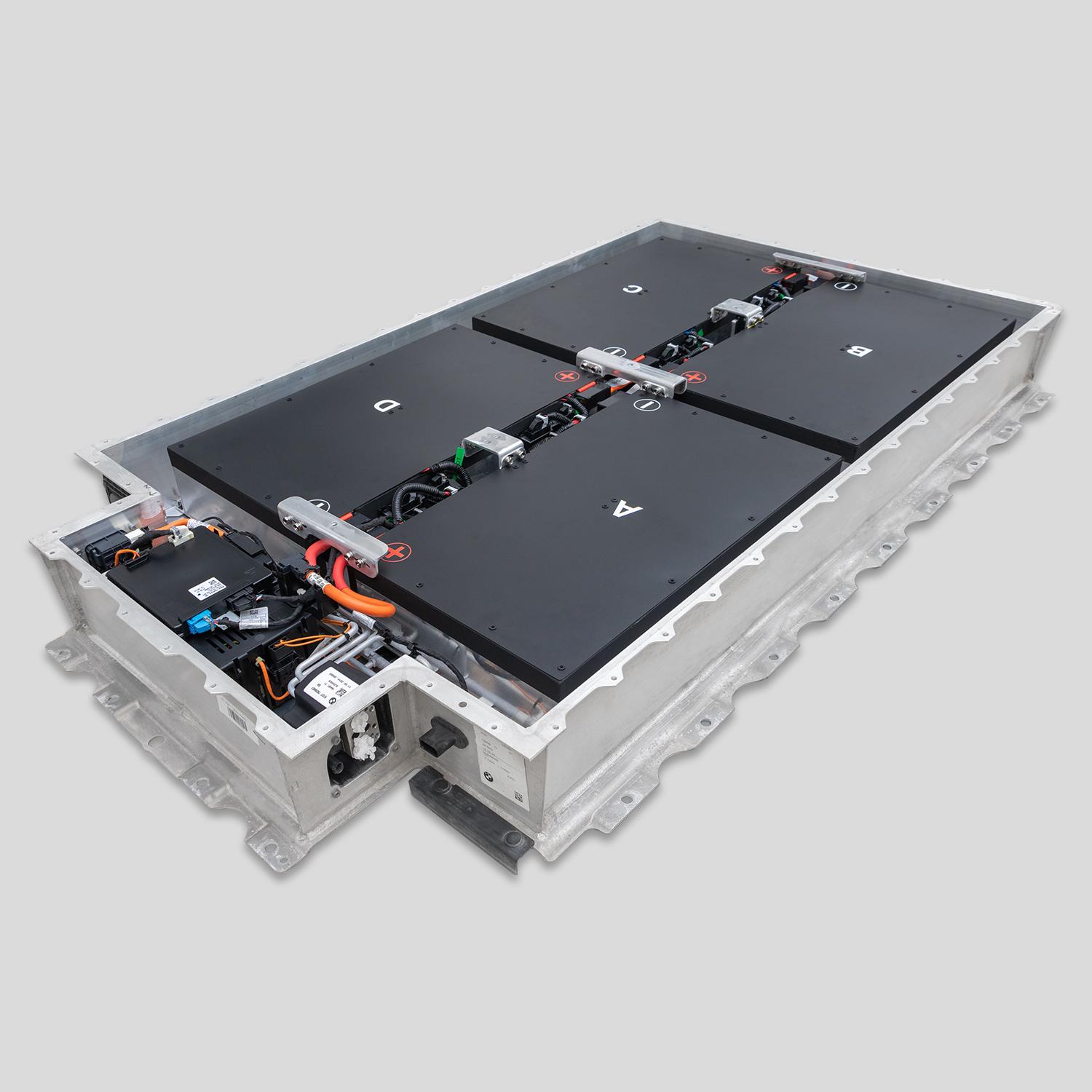
Best New Batteries for Nissan Leaf in Extreme Weather: Ultimate Guide for 2026
Owning a Nissan Leaf is a smart choice for eco-conscious drivers. However, if you live in a region with harsh winters or scorching summers, you know that extreme weather can be the biggest enemy of your electric vehicle’s (EV) performance.
As temperatures drop below freezing or soar above 100°F (38°C), standard lithium-ion batteries often struggle with range anxiety, charging inefficiencies, and accelerated degradation. You might be wondering: “Is there a battery upgrade that can handle these conditions without breaking the bank?”
The answer is yes. In 2026, the market has evolved, and new aftermarket solutions, specifically designed for durability and thermal resilience, are outperforming older OEM packs. This guide will walk you through the best new battery options for your Nissan Leaf, focusing on reliability, safety, and performance in the toughest climates.
Why Standard EV Batteries Fail in Extreme Heat and Cold
Before diving into the best replacements, it’s crucial to understand why standard Nissan Leaf batteries (especially older models) suffer.
- Cold Weather Impact: When temperatures plummet, the chemical reactions inside lithium-ion cells slow down significantly. This results in reduced available capacity (sometimes up to 40% loss) and slower charging speeds. The Battery Management System (BMS) often has to work overtime to precondition the pack, draining power before you even turn the key.
- Heat Impact: High temperatures accelerate the degradation of the electrolyte and electrodes. This thermal stress leads to permanent capacity loss and, in severe cases, thermal runaway risks if the cooling system isn’t optimal.
The Solution: You need a battery built with new, high-grade cells and a robust BMS designed for environmental stress.
Top Pick: The 2026 Standard for Durability
After analyzing various options, the consensus among EV technicians and owners points towards a specific type of upgrade: New LFP (Lithium Iron Phosphate) or High-Grade NMC packs.
While Nissan originally used various chemistries, the best modern replacements focus on safety and longevity.
1. The Upgrade: 62kWh/68kWh New Generation Packs
If you drive a Leaf ZE0, ZE1, or AZE0, upgrading from a 40kWh or 24kWh pack to a 62kWh or 68kWh new generation battery is the ultimate fix for weather-related anxiety.
- Why it works: These packs utilize brand-new cells from top-tier manufacturers (such as CATL). Unlike recycled cells found in many budget replacements, new cells have a higher tolerance for thermal stress.
- Weather Performance: These modern packs often feature improved thermal management integration. Even without active liquid cooling (depending on the Leaf model), the inherent stability of new LFP chemistry provides a safety buffer that older chemistries lack.
2. The Technology: LFP vs. NMC
For extreme weather, LFP (Lithium Iron Phosphate) technology is becoming the gold standard.
- Safety: LFP cells are chemically more stable than traditional NMC cells. They are less prone to thermal runaway, making them safer in hot climates.
- Cold Tolerance: While all batteries lose range in the cold, LFP cells maintain structural integrity better over time, ensuring your battery lasts longer despite seasonal fluctuations.
Key Features to Look for in a “Weather-Proof” Battery
When shopping for a replacement, don’t just look at the price. Look for these specific features that ensure your battery survives the elements:
- Brand New Cells (Not Refurbished): This is non-negotiable. Refurbished cells from crashed cars have unknown thermal histories. They are more likely to fail under stress. New cells guarantee a fresh cycle life and predictable performance in heat and cold.
- Robust BMS (Battery Management System): The brain of the battery must be able to balance cells effectively under load. A premium BMS prevents individual cells from overcharging or over-discharging, which is critical when the car is parked in direct sunlight or freezing temperatures.
- OEM Compatibility: The battery must physically fit your chassis and connect to your vehicle’s harness without modification. This ensures that your car’s existing thermal sensors and cooling lines (if applicable) interface correctly.
Real-World Results: What Owners Are Saying
Don’t just take our word for it. Let’s look at the feedback from owners who have made the switch to new high-capacity packs in challenging environments.
- Thomas B. (Amsterdam, Netherlands): “Last month, I went to the beach, and even in the high temperature of 38℃, the battery didn’t experience any overheating protection issues; the discharge was very stable… After two months of use, the battery capacity is still at 12 bars.”
- Javier R. (Paris, France): “After replacing it with a CNS 68kWh battery, the full charge now provides 470km of range, and even in cold winter conditions, it maintains around 400km, which is perfectly sufficient for long-distance travel.”
These testimonials highlight a crucial point: new technology solves old problems. Owners are reporting stability in 38°C heat and reliable range retention in freezing conditions—something the original factory batteries often failed to deliver consistently.
Cost vs. Value: Why “Cheap” is Expensive
It’s tempting to look for the cheapest option online. However, in the world of EV batteries, you often get what you pay for.
| Feature | Cheap/Refurbished Battery | Premium New Battery (2026 Standard) |
|---|---|---|
| Cell Source | Salvaged from junkyards, unknown health | Brand new from top-tier factories (e.g., CATL) |
| Warranty | Often None, or very short | 2 Years / 80,000 km (Industry Leading) |
| Weather Risk | High risk of swelling or failure in heat | Stable chemistry, designed for thermal stress |
| Longevity | 6-12 months average lifespan | 5+ years potential lifespan |
| Price | Low upfront, but high risk of replacement | 50% less than OEM, but lasts twice as long |
Choosing a premium new pack might cost more upfront than a salvaged unit, but it saves you thousands in the long run by avoiding repeat replacements and towing fees.
Installation and Support: Peace of Mind
Making the switch should be stress-free. Look for suppliers that offer:
- Plug-and-Play Design: The battery should drop into your Leaf without cutting wires or complex modifications.
- Video Support: If you’re a DIYer, access to real-time video guidance from engineers can make a 2-hour job manageable.
- Global Shipping: Whether you are in Europe, North America, or elsewhere, DDP (Delivered Duty Paid) services simplify the logistics of getting a heavy battery across borders.
Conclusion: Drive Confidently in 2026
If you’re tired of your Nissan Leaf’s performance dropping every time the weather changes, it’s time to consider a modern replacement. The best new batteries for the Nissan Leaf in 2026 are not just about adding range; they are about adding reliability.
By choosing a pack built with new, high-grade cells and backed by a solid warranty, you can eliminate range anxiety and enjoy the full potential of your EV, regardless of whether it’s snowing or sweltering outside.
Ready to upgrade your Leaf to a battery that lasts?
Get a free, no-obligation quote today and see how much you can save compared to the dealership.
Get Your Free Custom Quote Now
Frequently Asked Questions (FAQ)
Q1: How much range will I lose in winter with a new 62kWh battery?
While all EVs lose some range in cold weather, new high-capacity batteries mitigate this significantly. Most owners report retaining approximately 70-80% of their rated range in freezing conditions. For a 62kWh pack, this still translates to over 200 miles (approx. 320 km) of real-world winter range, which is sufficient for most daily commutes and errands.
Q2: Can I install this battery myself, or do I need a mechanic?
The installation process is designed to be plug-and-play. If you are mechanically inclined and have access to a lift or ramps, the physical swap typically takes 1-2 hours. However, the BMS programming and final diagnostics often require specific software. Most suppliers offer video call support to guide you through the programming step. If you are unsure, using a certified mechanic is recommended to avoid voiding the warranty.
Q3: What is the warranty on these new batteries?
Top-tier manufacturers offer a 2-year / 80,000 km warranty (whichever comes first). This warranty covers defects in materials and workmanship. It is significantly better than the warranties offered on most refurbished or second-hand battery packs, which often have no warranty or a very short 3-6 month coverage.
Q4: Are these batteries safe for fast charging?
Yes. Batteries built with new CATL or LFP cells are designed to handle the thermal stress of DC fast charging. However, it is always recommended to precondition the battery (warm it up) before fast charging in cold weather to maximize efficiency and minimize stress on the cells.