Here is the SEO-optimized article tailored for Nissan Leaf owners seeking battery replacements, specifically addressing the comparison between OEM certification and CATL cell quality.
The Ultimate Nissan Leaf Plus Battery Guide: Certified Compatibility vs. CATL Cell Power
Are you facing the dreaded “Battery Degradation” warning on your Nissan Leaf Plus (or standard Leaf)?
If you own a Nissan Leaf ZE1, AZE0, or ZE0 model, you know the frustration of a shrinking range. When it comes time to replace your battery, the market offers confusing choices. You might be wondering: Is an “OEM Certified Compatible” battery the same as one using top-tier CATL cells?
The short answer is no. While “Certified Compatible” ensures the battery fits your car physically and electrically, the heart of your battery’s longevity and performance is the cell chemistry.
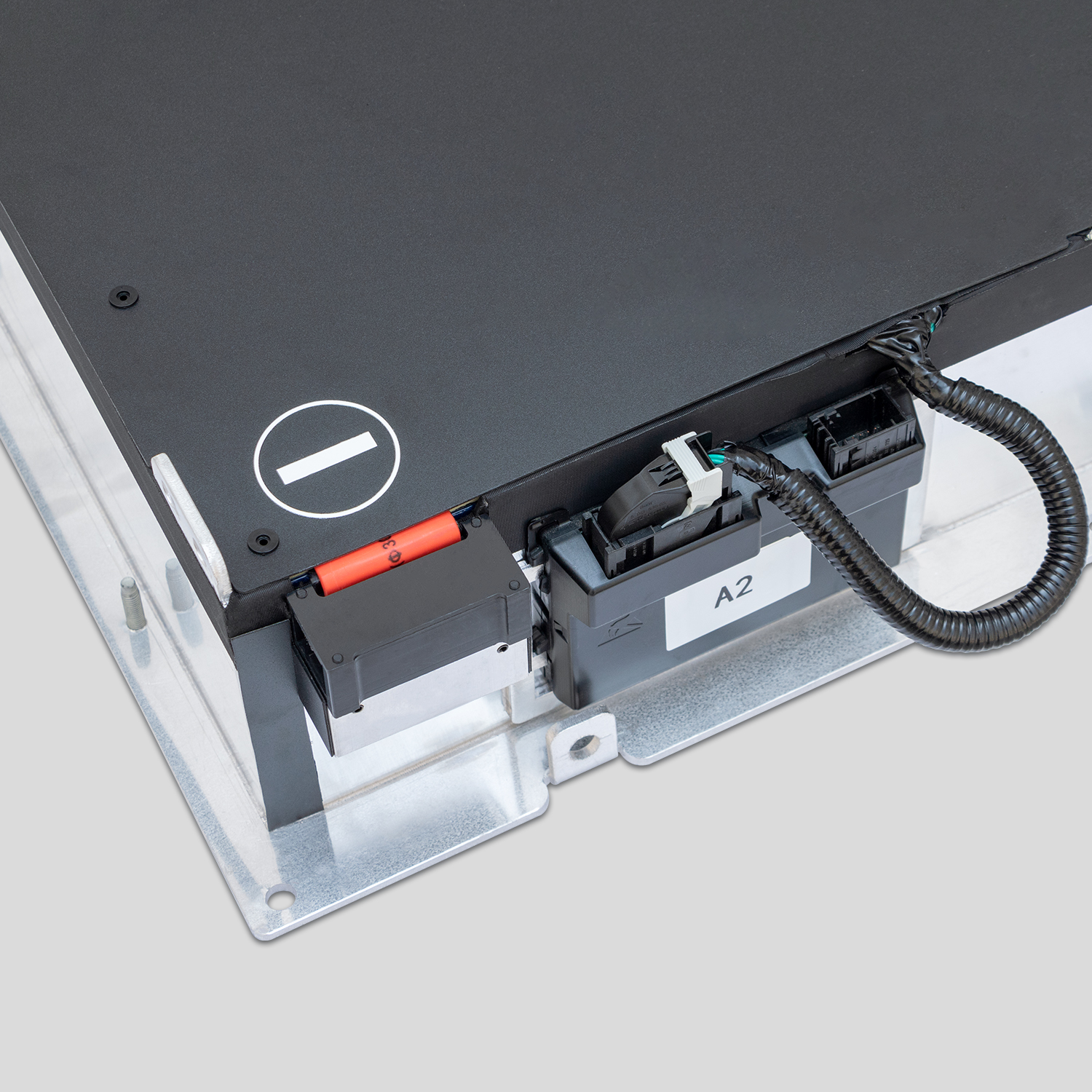
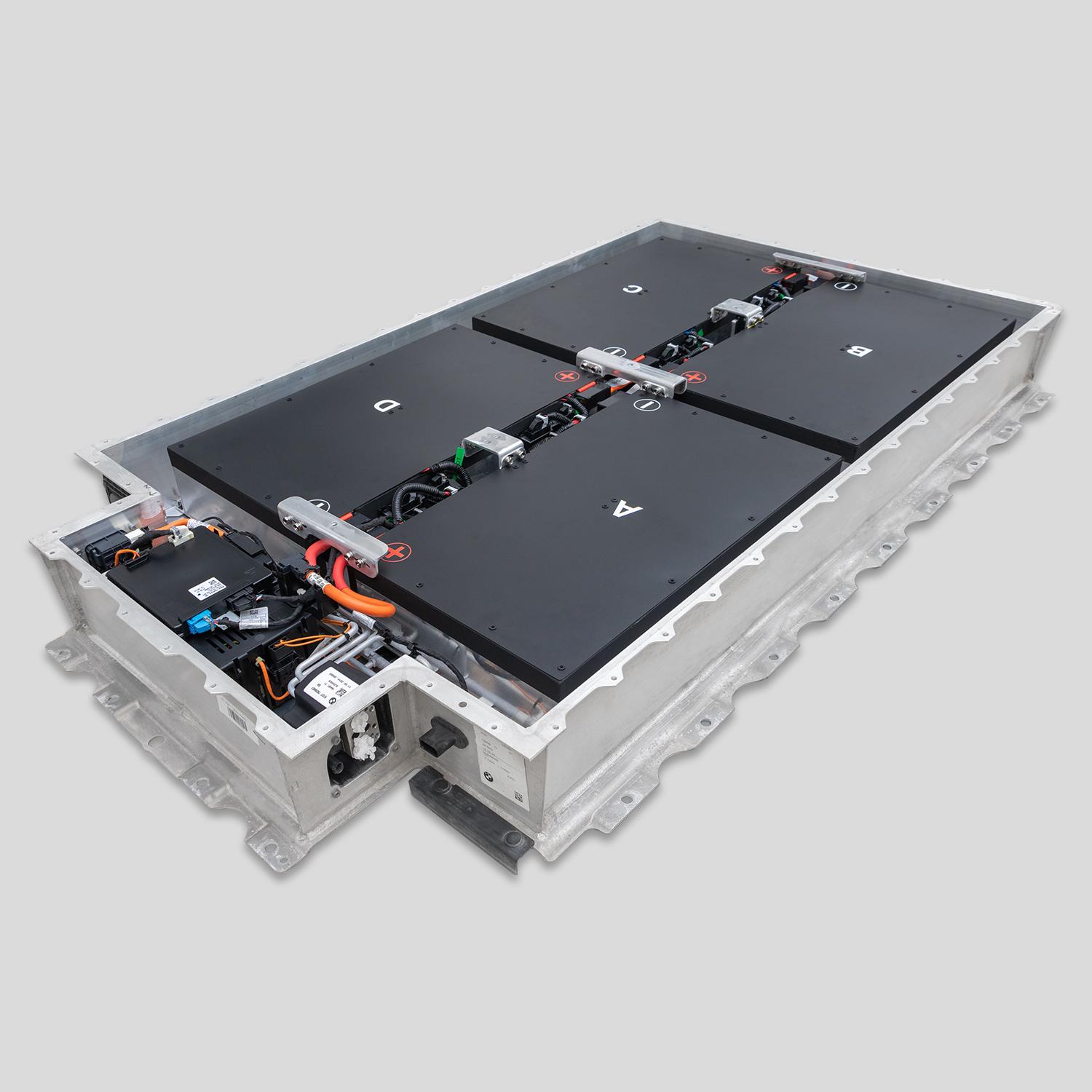
At CNS BATTERY, we specialize in bridging this gap. We provide OEM-standard compatibility (meaning plug-and-play installation for your Leaf) combined with the raw power of brand-new CATL lithium cells. This combination offers Nissan Leaf owners a solution that is not just a “fit,” but a true performance upgrade.
Why “Certified Compatible” Isn’t Enough
Many aftermarket suppliers will claim their batteries are “Certified Compatible” with the Nissan Leaf. This means they adhere to the original factory dimensions and voltage standards.
However, we have seen a troubling trend in the industry: some suppliers use this “compatibility” label to sell refurbished, recycled, or low-grade cells. These batteries might fit your car, but they often fail within months due to:
- Hidden Degradation: Cells salvaged from other vehicles may have already lost 30-40% of their capacity.
- Poor BMS Integration: A battery might be “compatible” physically but lack the sophisticated Battery Management System (BMS) needed to protect CATL-grade cells.
Our philosophy at CNS is simple: Compatibility is the entry ticket, but cell quality is the performance guarantee.
The CATL Advantage: Why Cell Chemistry Matters
CATL (Contemporary Amperex Technology Co. Limited) is the world’s largest manufacturer of lithium-ion batteries. They supply cells to Tesla, BMW, and Volkswagen.
When we build a Nissan Leaf Plus battery pack, we don’t use recycled junkyard parts. We use brand-new, Grade-A CATL cells. Here is why this specific combination—OEM Compatibility + CATL Cells—is the best choice for your Leaf:
1. Superior Energy Density (More Range)
The Nissan Leaf Plus (specifically the 62kWh ZE1 model) relies on high-density cells to achieve its 226-mile EPA range. Generic cells often have lower density, meaning you get less range in the same physical space. CATL cells are engineered for maximum energy storage, ensuring your new battery delivers the advertised 440km+ range.
2. Thermal Stability (Safety First)
Leaf batteries are known to be sensitive to heat. CATL cells have a proven track record of thermal stability. When paired with our robust BMS, this means your battery is less likely to overheat, swell, or suffer from thermal runaway—critical for the longevity of your investment.
3. Cycle Life (Longevity)
A standard lithium-ion cell might last 1000 cycles. A premium CATL cell, when managed correctly, can last 3000+ cycles. This translates to years of reliable driving without the “sudden death” syndrome common in refurbished packs.
The CNS BATTERY Solution: The Best of Both Worlds
We understand that as a Leaf owner, you don’t want to gamble with your car’s safety or your wallet. That is why we engineered our batteries to be the “Goldilocks” solution: OEM-level compatibility meets CATL-level performance.
Here is what sets our Nissan Leaf batteries apart:
- Plug-and-Play OEM Fit: No modifications required. Our packs fit the ZE0, AZE0, and ZE1 chassis perfectly. The connectors match the factory design, ensuring a seamless installation.
- Brand-New CATL Cells: Every single cell in our pack is sourced fresh from CATL. We do not use second-hand, recycled, or refurbished cells.
- Upgraded BMS: We don’t just drop cells into a box. Our proprietary BMS is calibrated specifically for CATL chemistry, providing real-time monitoring of voltage, temperature, and current.
The Value Proposition:
Replacing your battery with a genuine Nissan OEM pack can cost upwards of $16,000. A generic “compatible” battery might cost $3,000 but fail in a year. Our solution costs approximately 50% less than OEM but uses the same class of cells (CATL) that major manufacturers trust.
Real-World Performance: From 120km to 440km
We recently worked with a customer, David L., who owned a 2021 Nissan Leaf ZE1. He had previously tried a “cheap compatible” battery, which swelled and failed in 6 months.
“I was considering buying a new car because the battery replacement quotes were so high. I tried a generic brand, but it was terrible. After switching to the CNS 62kWh battery with CATL cells, I realized the difference. The full charge range is back to 440km, consistent with the specs. The charging speed is the same as the original. It feels like my car has been revived!” – David L., Leaf ZE1 Owner.
David’s story is common. By choosing a battery that prioritizes cell quality (CATL) over just physical compatibility, he saved nearly $10,000 compared to the dealership and got a battery that actually lasts.
Installation & Warranty: Peace of Mind
We know replacing a battery is a big job. That is why we offer:
- 2-Year / 80,000km Warranty: This is significantly longer than most aftermarket suppliers offer. We back our product because we trust the CATL cells and our build quality.
- Expert Support: If you are a DIY mechanic or a repair shop, our technical team provides step-by-step video guidance and remote support to ensure the installation is perfect.
Frequently Asked Questions (FAQ)
Q1: Is a CATL cell battery truly compatible with my Nissan Leaf dashboard and charger?
A: Yes. Our packs are engineered to communicate perfectly with the Nissan Leaf’s Vehicle Control Unit (VCU). You will see full bars on your dashboard, and the car will accept the standard CHAdeMO fast charging without any issues. The “compatibility” is in the hardware interface and software handshake, while the “CATL” refers to the high-performance cells inside.
Q2: Why is your price lower than the Nissan dealership if you use CATL cells?
A: We are the direct manufacturer (OEM). Nissan is a brand that adds significant markup for R&D and branding. We utilize the same supply chain (CATL) but sell directly to consumers and repair shops, cutting out the middleman markup. This allows us to pass the savings to you while maintaining higher quality than generic aftermarket brands.
Q3: How do I know if my Leaf model (ZE0, AZE0, or ZE1) is supported?
A: We support the full range of Nissan Leaf models.
- Leaf ZE0/AZE0: We offer 40kWh and 50kWh upgrades.
- Leaf ZE1 (Plus): We offer the high-capacity 62kWh packs.
To confirm compatibility, simply provide your VIN or model year to our team.
Q4: What is the lifespan of a CATL cell battery compared to a standard replacement?
A: Standard replacement batteries (often using recycled cells) may last 1-2 years before swelling or losing capacity. A brand-new CATL cell battery, when maintained properly, is designed to last 8-10 years or more, with a cycle life exceeding 3000 charges.
Ready to Revive Your Nissan Leaf?
Don’t settle for a “compatible” battery that might fail. Choose the performance and safety of brand-new CATL cells in a perfect OEM-fit pack.
Get a Free Custom Quote for your Nissan Leaf today and see the difference premium engineering makes.