Best Leaf EV Battery Fast Charging vs Greentec Auto: The Ultimate Upgrade Guide
If you are facing the dilemma of replacing your aging Nissan Leaf battery, you are not alone. As the battery degrades, the charging speed slows down, and the range diminishes, forcing many owners to decide: “Should I scrap the car or upgrade the heart?”
This guide cuts through the marketing noise to compare two distinct paths: the premium, high-performance route represented by top-tier manufacturers (like the solution we specialize in at CNS BATTERY) and the budget “patchwork” route often associated with generic rebuilders. By the end, you will understand which option truly offers the best value for your wallet and your driving experience.
⚡ The “Speed Test”: Fast Charging vs. Slow Drip
The most critical difference between a high-quality new battery pack and a refurbished unit lies in the Chemistry and Cell Quality.
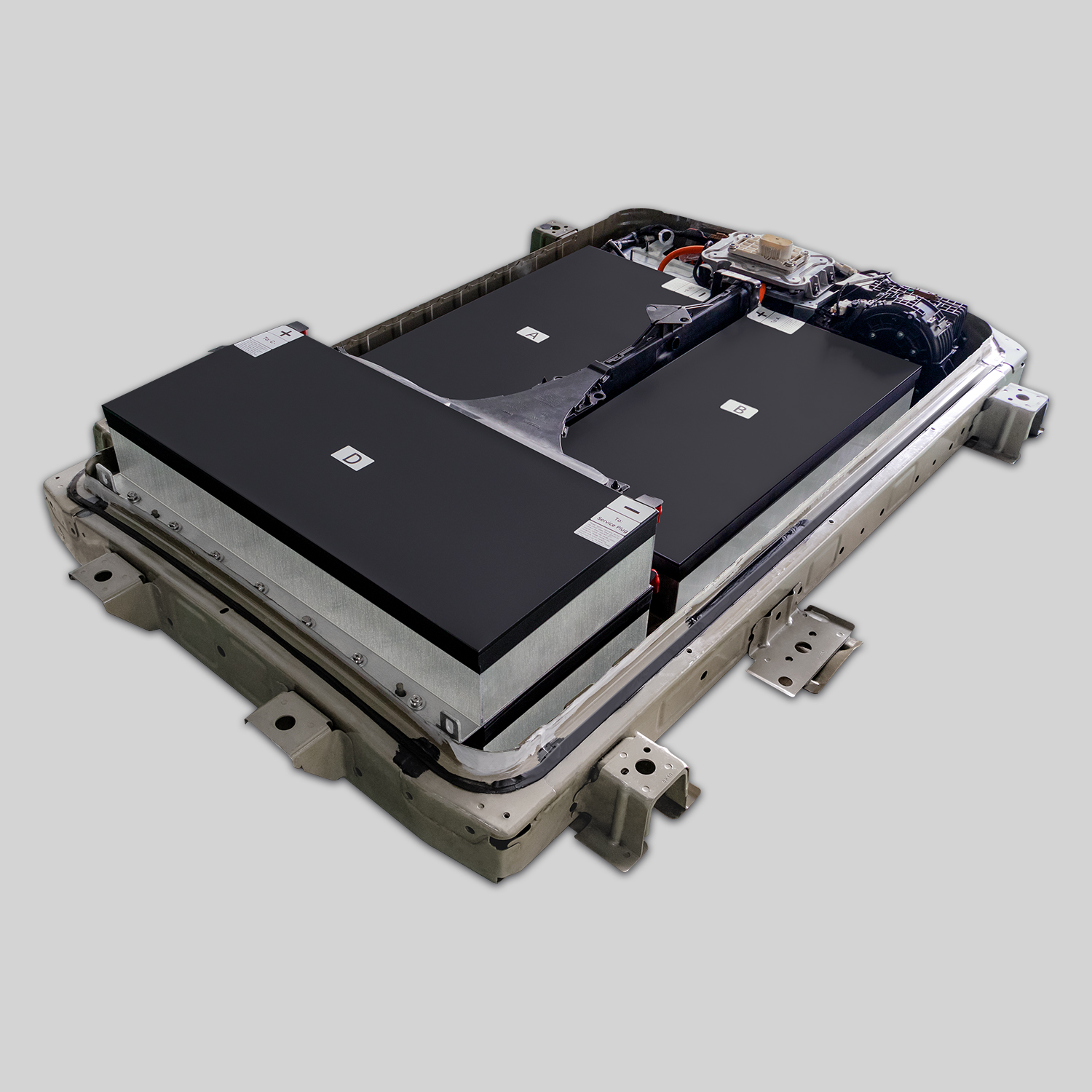
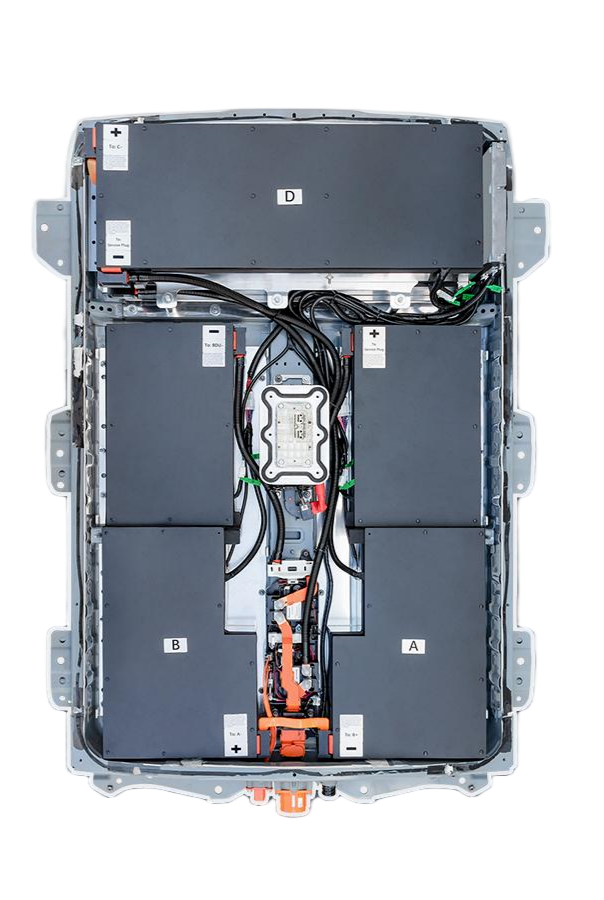
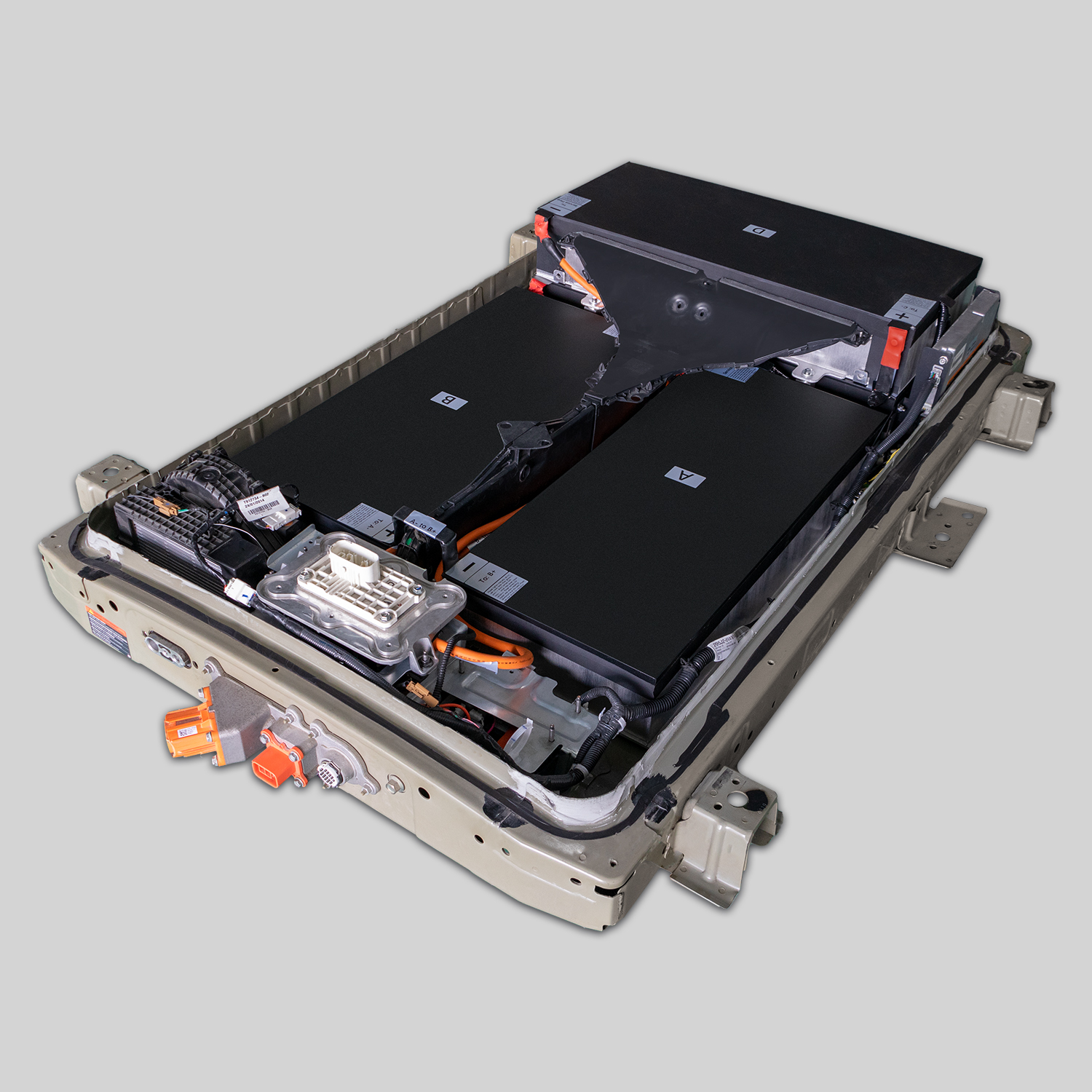
- The Premium Standard (CNS BATTERY Standard): We utilize brand-new, Grade-A cells from global leaders like CATL. These cells are engineered with low internal resistance. This technical advantage translates directly to your daily life: faster DC charging speeds. When you pull into a charging station, a premium pack accepts the maximum current your Leaf can handle, minimizing those long waits. Furthermore, the Battery Management System (BMS) in these packs is factory-programmed for precision, ensuring every cell charges in perfect harmony, preventing “bottlenecks” that slow down the process.
- The Budget Reality (Generic Rebuilds): Many budget options rely on salvaged or used cells. These cells have higher internal resistance due to aging. The result? Slow charging. You might see the charger start strong, but it quickly tapers off, leaving you waiting for hours instead of minutes. More dangerously, mismatched cells in a rebuild can cause the BMS to throttle the charging speed entirely to protect the pack, turning a 40-minute quick charge into a 2-hour ordeal.
Expert Insight: Charging speed isn’t just about convenience; it is a direct indicator of the health and quality of the cells inside the battery pack.
📊 The Value Breakdown: Price vs. Longevity
To help you visualize the long-term impact, let’s compare the two approaches side-by-side.
| Feature | Premium New Pack (CNS Standard) | Generic Rebuilt / Budget Pack |
|---|---|---|
| Core Component | Brand-new, Grade-A Lithium Cells (e.g., CATL) | Used, salvaged, or mixed-grade cells |
| Fast Charging | ✅ High Efficiency (Maintains speed) | ❌ Slow & Unstable (Degrades quickly) |
| Warranty | 2 Years / 80,000 km (Industry leading) | Often 6 months to 1 year (Limited coverage) |
| Longevity | 8-10+ years (Like a new car) | 1-3 years (High risk of swelling/failure) |
| Price Point | Moderate (50% less than OEM) | Low (Initially), but high risk of repeat costs |
Why the Premium Route Saves You Money: While the upfront cost of a premium pack is higher than a cheap rebuild, the math changes over time. A budget rebuild might fail in 1-2 years, forcing you to pay again. With a premium pack, you are essentially buying a “new” car battery that lasts a decade. The cost per mile becomes significantly lower.
🛠️ The Hidden Cost: Installation and Compatibility
Another factor often overlooked is the engineering behind the fit.
- Plug-and-Play Precision: A high-quality replacement, such as those engineered for Nissan Leaf ZE0, ZE1, and AZE0 models, matches the OEM dimensions and wiring harnesses exactly. This means no modifications are needed. You install it, and the car recognizes it instantly. This precision engineering ensures that the thermal sensors and communication lines work flawlessly, which is vital for maintaining fast charging capabilities and safety.
- The “Jigsaw Puzzle” Risk: Lower-cost rebuilds sometimes require custom wiring or splicing. This not only increases the installation time (and labor cost if you hire a mechanic) but also introduces potential failure points. If the wiring doesn’t match the original resistance, the car’s computer might limit the charging speed or trigger error codes.
🛡️ Warranty: The Ultimate Safety Net
When discussing “Best Leaf EV Battery” solutions, the warranty is the ultimate decider.
We stand by our product with a 2-Year / 80,000 km warranty. This isn’t just a number; it is a statement of confidence in our engineering. Most generic rebuilders cannot offer this because their product lifespan is unpredictable.
- What does this cover? It protects against manufacturing defects and ensures that the battery maintains its performance (typically retaining at least 70% capacity over the warranty period).
- Peace of Mind: Knowing that if a rare fault occurs, you are covered for a free replacement or repair, removes the anxiety of buying a major component online.
🚀 Ready to Revive Your Nissan Leaf?
Choosing between a fast-charging, long-lasting premium battery and a slow, risky rebuild is a choice between investing in your car’s future or delaying the inevitable breakdown.
If you are tired of slow charging and short ranges, it is time to upgrade to a solution that performs like the day your Leaf was new. We offer Free Compatibility Checks and Personalized Quotes to ensure you get the perfect fit for your specific model (ZE0, ZE1, or AZE0).
Don’t let a weak battery kill your electric dream. Get a free quote today and experience the difference of a true OEM-standard replacement.
Get Your Free Custom Quote Now
❓ Frequently Asked Questions (FAQ)
1. Can I install a new battery myself, or do I need a mechanic? Yes, you can install it yourself! The process is designed to be “Plug-and-Play” for Nissan Leaf models. We provide detailed video tutorials and step-by-step manuals. If you are comfortable changing oil or doing basic car maintenance, you can likely handle this. However, if you are not confident, we always recommend hiring a certified mechanic to ensure safety and avoid voiding the warranty.
2. How much range can I expect with a new 62kWh pack? A brand-new 62kWh lithium battery pack typically restores your Leaf to its original factory specifications. Most users report a real-world range of approximately 260-270 miles (420 km) on a full charge, depending on driving conditions, temperature, and terrain. This is a massive upgrade from the degraded 80-100 miles you might be getting now.
3. Why is your warranty longer than other companies? Our 2-Year / 80,000 km warranty is longer because we use brand-new, high-quality cells and rigorous manufacturing standards. We don’t take shortcuts with used parts. We have the confidence that our product will last, so we back it with the best coverage in the industry to give you peace of mind.
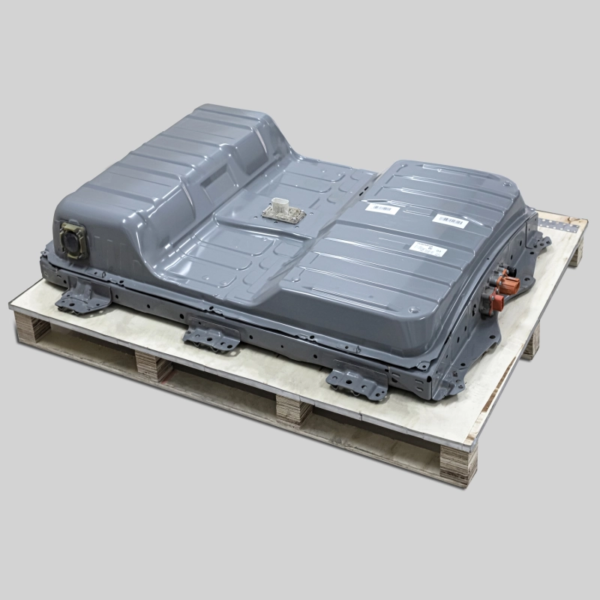
4. What about shipping? Is it safe? Yes, shipping lithium batteries is strictly regulated, but we handle it professionally. We use specialized carriers like DHL, FedEx, or UPS, or sea freight for larger orders, all compliant with UN 3480/3481 standards. The batteries are shipped in robust, fumigation-free wooden crates to ensure they arrive at your door undamaged and ready for installation.