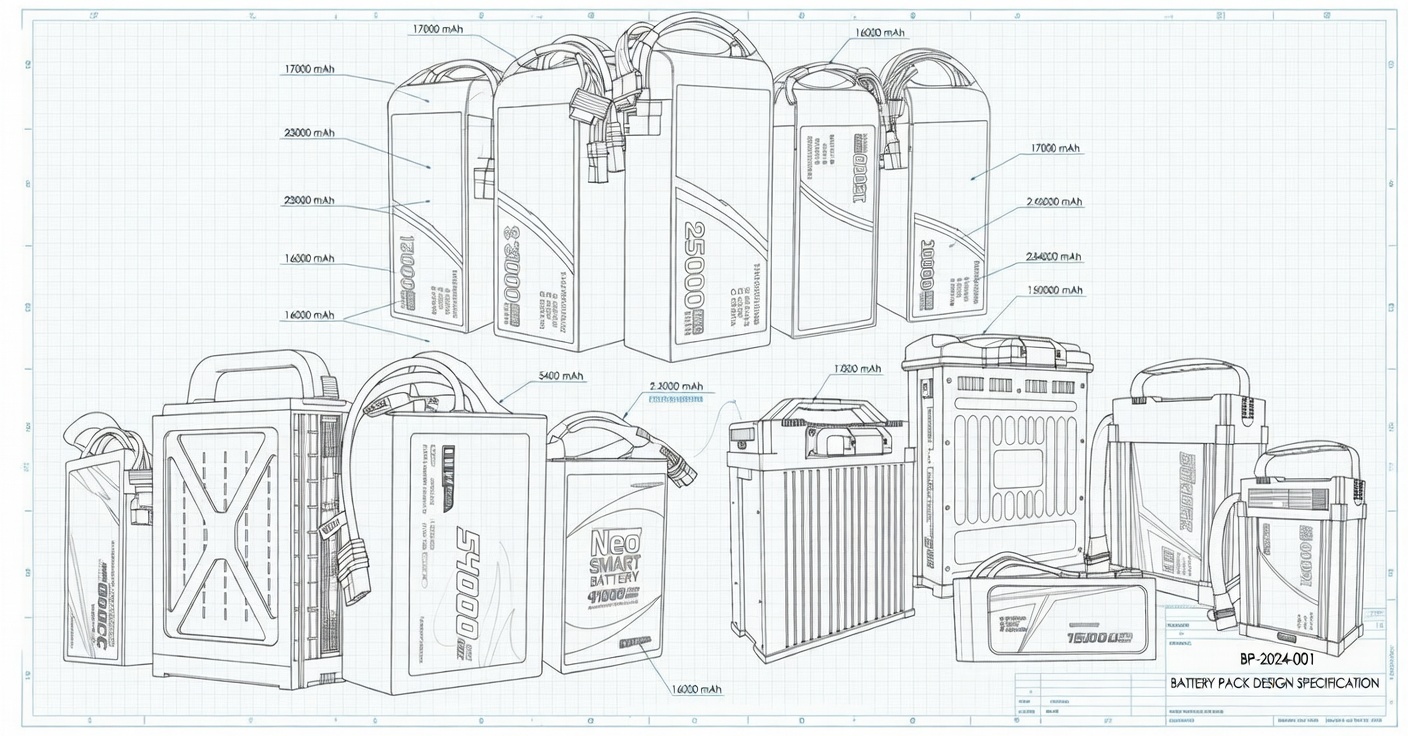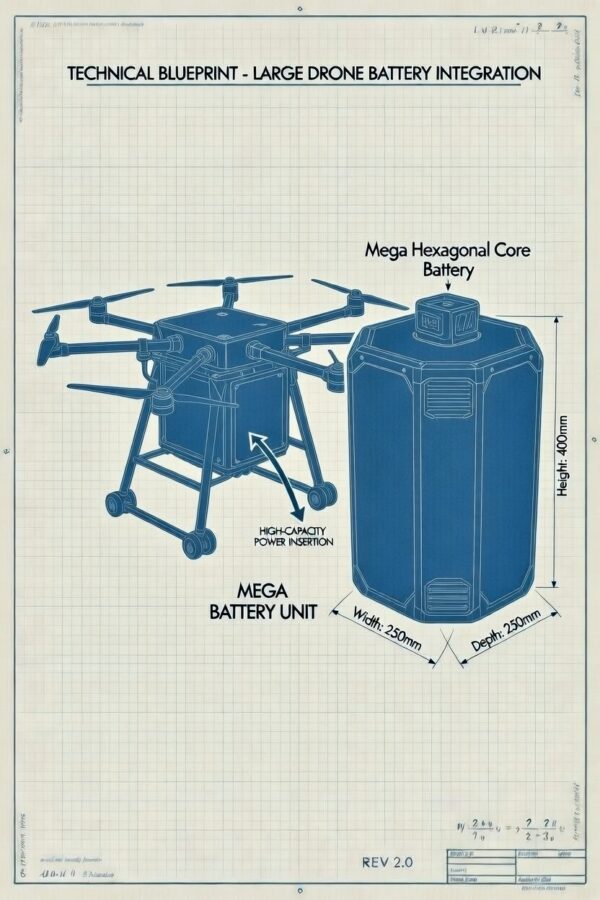
Power grid utilities face unprecedented challenges in 2026. Aging infrastructure, extreme weather events, and increasing energy demands require more efficient inspection methods. Drone technology has emerged as a game-changer for power line monitoring, but without the right battery solutions, even the most advanced drones cannot deliver optimal performance. This comprehensive guide explores customization options for drone batteries specifically designed for power grid utility applications, helping bulk procurement managers make informed decisions.
Understanding the Pain Points in Power Grid Drone Operations
Utility companies deploying drones for transmission line inspection encounter several critical battery-related challenges that directly impact operational efficiency and safety.
Limited Flight Time During Critical Inspections
Standard consumer drone batteries typically provide 25-30 minutes of flight time. For comprehensive power line inspections covering multiple towers and spans, this proves insufficient. Operators must frequently return to base for battery swaps, creating significant downtime and delaying critical defect identification.
Extreme Temperature Performance Issues
Power grid inspections occur across diverse climates—from freezing mountain regions to scorching desert environments. Conventional lithium-polymer batteries experience capacity reduction of up to 40% in temperatures below -10°C, while excessive heat accelerates degradation and poses safety risks.
Inconsistent Power Delivery Under Load
Thermal imaging cameras, LiDAR sensors, and high-resolution zoom equipment draw substantial power. Voltage sag during peak demand causes unexpected drone shutdowns mid-inspection, potentially losing valuable data and compromising safety protocols.
Regulatory Compliance Complexities
The EU Batteries and Waste Batteries Regulation and similar frameworks worldwide impose strict requirements on battery safety, labeling, and disposal. Utility companies must ensure their drone battery procurement meets these evolving standards while maintaining operational flexibility.
Customization Solutions for Utility-Scale Drone Operations
Leading battery manufacturers now offer tailored solutions addressing the unique demands of power grid inspection workflows. Understanding available customization options enables procurement teams to specify batteries matching their exact operational requirements.
Voltage and Capacity Configuration
Industrial drone batteries support customizable series configurations ranging from 10S to 30S, allowing voltage matching with specific drone platforms. Capacity options extend from 50Ah to 314Ah, enabling flight times exceeding 60 minutes with appropriate payload configurations. Bulk buyers can specify exact energy density requirements balancing weight constraints against mission duration needs.
Thermal Management Systems
Advanced customization includes integrated heating elements for cold weather operations and enhanced cooling channels for hot climate deployments. Smart thermal management maintains optimal cell temperature between 15°C and 35°C, preserving battery health and ensuring consistent power delivery regardless of ambient conditions.
Communication Protocol Integration
Custom BMS (Battery Management System) programming enables seamless integration with fleet management software. Real-time telemetry data including state of charge, cell balance, temperature gradients, and cycle count feeds directly into utility command centers, supporting predictive maintenance scheduling and operational planning.
Physical Form Factor Adaptation
Unlike off-the-shelf solutions, customized batteries accommodate specific drone frame geometries. Mounting points, connector positions, and weight distribution receive careful engineering to maintain aircraft balance while maximizing energy storage within available space constraints.
LiPo vs LiFePO4: Technology Comparison for Utility Applications
Selecting appropriate battery chemistry represents a fundamental decision affecting total cost of ownership, safety profiles, and operational capabilities.
| Feature | LiPo (Lithium Polymer) | LiFePO4 (Lithium Iron Phosphate) |
|---|---|---|
| Energy Density | High (180-250 Wh/kg) | Moderate (120-160 Wh/kg) |
| Cycle Life | 500-800 cycles | 2000-5000 cycles |
| Operating Temperature | -20°C to 60°C | -30°C to 70°C |
| Safety Rating | Good | Excellent |
| Cost per Cycle | Higher | Lower |
| Weight | Lighter | Heavier |
| Best For | Short-duration high-power missions | Long-duration routine inspections |
LiPo Advantages: Superior energy density makes LiPo ideal for drones requiring maximum flight time with minimal weight penalty. High discharge rates support demanding payloads including powerful thermal cameras and extended-range communication systems.
LiFePO4 Advantages: Exceptional cycle life and thermal stability reduce long-term replacement costs. Enhanced safety characteristics minimize fire risk during charging and storage—critical considerations for utility facilities housing multiple battery packs. Recent manufacturing advances have improved energy density, narrowing the gap with LiPo technology.
For power grid utilities conducting daily inspection routines, LiFePO4 often delivers better total cost of ownership despite higher initial weight. Organizations prioritizing maximum range for remote transmission line surveys may prefer LiPo’s energy density advantages.
Essential Features for Power Utility Drone Batteries
When evaluating battery suppliers for bulk procurement, verify inclusion of these critical capabilities:
- Smart BMS with Cell Balancing: Active balancing maintains uniform cell voltage, extending pack life by 30-40% compared to passive systems
- IP67 or Higher Protection Rating: Dust and water resistance ensures reliable operation in adverse weather conditions common during emergency inspections
- Fast Charging Capability: 1C or higher charge rates minimize ground time between missions, improving fleet utilization
- Cycle Count Tracking: Accurate degradation monitoring supports proactive replacement scheduling before performance impacts operations
- Over-Discharge Protection: Prevents deep discharge damage during unexpected extended missions or operator errors
- Temperature Monitoring: Multiple sensor points provide comprehensive thermal data for safety and performance optimization
- Compliance Certification: UN38.3, IEC62133, and CE marking ensure regulatory acceptance across international markets
- Firmware Update Support: Remote BMS updates enable feature enhancements and security patches without hardware replacement
Industry Standards and Real-World Implementation
The 2025 National Drone Operation Skills Competition for the energy sector, held in Weinan City, Shaanxi Province, demonstrated standardized battery protocols improving inter-operator compatibility. State Power Investment Corporation Jiangxi Company’s award-winning deployment showcased how customized battery solutions enhanced inspection efficiency by 45% compared to standard configurations.
Global market research indicates the drone smart battery sector will experience substantial growth through 2030, driven primarily by utility sector adoption. Leading manufacturers now offer warranty periods extending to 5 years with proper maintenance, reflecting confidence in industrial-grade battery durability.
EU regulations require battery passports documenting chemical composition, carbon footprint, and recycling pathways. Forward-thinking suppliers provide complete compliance documentation, simplifying procurement approval processes for utility companies operating in regulated markets.
Value Proposition for Bulk Procurement Clients
Volume purchasing delivers significant advantages beyond unit price reduction:
Dedicated Engineering Support: Bulk clients receive direct access to application engineers who customize specifications matching exact operational requirements. This collaborative approach eliminates compromise solutions that sacrifice performance for availability.
Priority Production Scheduling: Guaranteed lead times prevent operational disruptions from supply chain delays. Typical delivery windows range from 10 days for small batches to 56 days for large custom orders, with expedited options available for urgent requirements.
Comprehensive Training Programs: Supplier-provided training covers proper charging protocols, storage procedures, and safety practices. Well-trained staff extend battery life and reduce warranty claims, maximizing return on investment.
Spare Parts Availability: Long-term parts guarantees ensure maintenance capability throughout battery lifecycle. This proves critical for fleets deployed over multi-year periods where manufacturer support continuity cannot be assumed.
Fleet Analytics Integration: Premium suppliers offer cloud-based monitoring platforms tracking battery health across entire fleets. Predictive analytics identify units requiring attention before failures occur, supporting proactive maintenance strategies.
Frequently Asked Questions
Q: What is the typical lead time for customized drone battery orders?
A: Standard customization requires 10-16 days for orders under 100 units. Larger volumes or complex specifications may need 30-60 days. Rush production options exist for critical deployment timelines, typically adding 15-25% to base pricing.
Q: How do cold weather conditions affect battery performance?
A: All lithium batteries experience reduced capacity in cold temperatures. Quality industrial batteries with integrated heating maintain 85-90% of rated capacity down to -20°C. Pre-flight warming procedures and insulated storage further mitigate cold weather impacts.
Q: Can existing drone platforms accept customized battery solutions?
A: Most commercial and industrial drones support battery customization through adapter plates or firmware updates. Work with suppliers experienced in your specific drone model to ensure compatibility without voiding manufacturer warranties.
Q: What certifications should utility companies require from battery suppliers?
A: Minimum requirements include UN38.3 transportation certification, IEC62133 safety standards, and regional compliance marks (CE, FCC, etc.). ISO9001 manufacturing certification indicates quality management systems supporting consistent production.
Q: How does battery customization affect warranty coverage?
A: Reputable suppliers maintain full warranty coverage on customized products when specifications remain within safe operating parameters. Document all customization requirements and obtain written warranty terms before order confirmation.
Making the Right Choice for Your Utility Operations
Selecting optimal drone batteries for power grid inspection requires balancing immediate operational needs against long-term cost considerations. The customization options available in 2026 enable utility companies to specify batteries matching exact mission profiles rather than adapting operations to available products.
Investment in properly specified battery systems delivers measurable returns through reduced downtime, extended equipment life, and improved inspection quality. As regulatory frameworks evolve and technology advances, partnership with experienced suppliers ensures continued compliance and performance optimization.
Ready to explore customized drone battery solutions for your power utility operations? Our engineering team specializes in utility-scale deployments with proven track records across transmission and distribution applications.
Contact us today to discuss your specific requirements and receive a tailored quotation: https://cnsbattery.com/drone-battery-home/drone-battery-contact
Transform your drone inspection capabilities with batteries engineered for the demanding world of power grid utilities.