
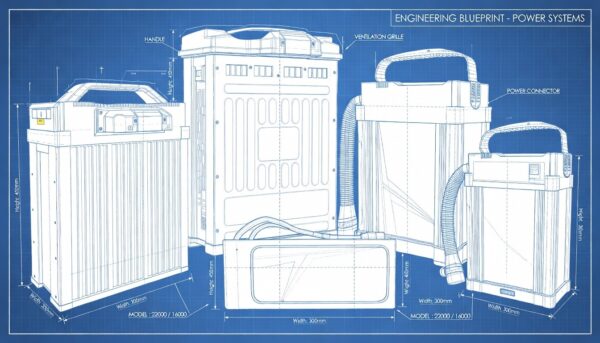
When seconds count and lives hang in the balance, firefighting drones become more than just tools—they become critical lifelines. Yet, behind every successful aerial firefighting mission lies an often-overlooked hero: the drone battery and its Battery Management System (BMS). Fire departments worldwide face a common challenge: selecting drone batteries that can withstand extreme temperatures, deliver consistent power during extended operations, and maintain safety standards when operating in hazardous environments. A single battery failure during a wildfire assessment or structural fire reconnaissance can mean the difference between a successful rescue and a catastrophic loss.
Why BMS Matters for Firefighting Drone Operations
The Battery Management System serves as the intelligent brain of any drone battery pack. For firefighting applications, the BMS must perform flawlessly under conditions that would cause standard consumer batteries to fail catastrophically. Unlike recreational drone batteries, firefighting unit batteries operate in environments where ambient temperatures can exceed 60°C near fire zones, while simultaneously delivering high current bursts for rapid ascent and payload operation.
Critical BMS Features for Emergency Response Drones
Firefighting drone batteries require specialized BMS capabilities that go far beyond basic voltage monitoring. Based on industry standards and 2025-2026 technological advancements, here are the essential features every fire department should evaluate:
1. Advanced Thermal Management
- Real-time temperature monitoring across all cell groups
- Active cooling integration capabilities
- Thermal runaway prevention algorithms
- Heat dissipation optimization through metal substrate design
2. High-Current Protection Systems
- Overcurrent protection with millisecond response times
- Short-circuit prevention with automatic disconnect
- Load balancing during peak power demands
- Regenerative braking energy management
3. State Monitoring Precision
- State of Charge (SOC) accuracy within ±2%
- State of Health (SOH) tracking for predictive maintenance
- Cell voltage balancing within 10mV tolerance
- Internal resistance monitoring for early failure detection
Comparing Top BMS Technologies for Firefighting Applications
Industrial-Grade LiPo BMS Systems
Lithium Polymer batteries with industrial-grade BMS remain the most common choice for firefighting drones. According to 2026 market analysis, these systems offer the best balance between energy density and safety features. Leading manufacturers have integrated multi-layer protection circuits that can detect anomalies before they become critical failures.
Key Advantages:
- High energy density (200-250 Wh/kg)
- Proven track record in emergency services
- Wide operating temperature range (-20°C to 60°C)
- Rapid charging capabilities for quick turnaround
Considerations:
- Requires strict storage protocols
- More expensive than consumer alternatives
- Needs regular calibration and maintenance
Emerging Solid-State Battery Solutions
The drone battery industry is witnessing a significant shift toward solid-state technology. Research from Global Info Research indicates that solid-state batteries are transitioning from laboratory settings to small-scale commercial applications in high-end industrial and special operation scenarios. For firefighting units, this technology promises enhanced safety margins.
Breakthrough Features:
- Eliminated liquid electrolyte leakage risk
- Higher thermal stability (operating up to 80°C)
- Extended cycle life (2000+ charge cycles)
- Reduced fire propagation risk
Current Limitations:
- Higher initial cost investment
- Limited availability in 2026 market
- Requires compatible charging infrastructure
Real-World Case Study: California Fire Department Battery Upgrade
In late 2025, a major California fire department experienced a critical incident that highlighted the importance of proper BMS selection. During a wildfire reconnaissance mission, one of their drones experienced unexpected power loss at 300 feet altitude. The investigation revealed that the battery’s BMS failed to properly manage heat buildup during continuous high-current operation in 45°C ambient conditions.
Lessons Learned:
- The department switched to batteries with enhanced thermal monitoring
- Implemented pre-flight BMS diagnostic checks
- Established battery rotation schedules based on SOH data
- Added redundant communication systems for battery status telemetry
Following these changes, the department reported zero battery-related incidents over 18 months of intensive operation, including deployment during the 2026 fire season.
BMS Communication Protocols: What Fire Departments Need to Know
Modern firefighting drone operations require seamless integration between battery systems and command centers. The BMS must communicate critical data in real-time to ground control stations.
Essential Communication Standards
CAN Bus Protocol
- Industry-standard for industrial applications
- Robust against electromagnetic interference
- Supports multiple device networks
- Real-time data transmission capabilities
UART/Serial Communication
- Simpler implementation
- Lower cost solutions
- Adequate for smaller drone fleets
- Limited multi-device support
Wireless Telemetry Integration
- Remote battery monitoring capabilities
- Cloud-based fleet management
- Predictive maintenance alerts
- Historical performance analytics
Safety Certifications and Compliance Requirements
Firefighting equipment must meet rigorous safety standards. When evaluating drone batteries for emergency response units, verify the following certifications:
- UN 38.3: Transportation safety for lithium batteries
- IEC 62133: Secondary cells and batteries safety requirements
- UL 2054: Household and commercial batteries standard
- RTCA DO-160: Environmental conditions for airborne equipment (for aerial firefighting)
According to China’s national standard project “Operational Requirements for Forest Aerial Firefighting” (published 2025), drone battery systems used in firefighting applications must undergo specific thermal and vibration testing protocols.
Maintenance Best Practices for Firefighting Drone Batteries
Proper maintenance extends battery life and ensures operational readiness. Fire departments should implement these protocols:
Daily Checks:
- Visual inspection for physical damage
- BMS diagnostic readout verification
- Connection point cleanliness assessment
- Storage temperature compliance
Weekly Maintenance:
- Cell voltage balance verification
- Capacity testing under load conditions
- Firmware update checks for BMS
- Charging cycle documentation
Monthly Procedures:
- Full discharge-recharge calibration
- Internal resistance measurement
- Thermal imaging inspection during operation
- Backup battery rotation
Cost-Benefit Analysis: Investing in Quality BMS
While premium BMS-equipped batteries command higher initial costs, the long-term value proposition favors quality investment. Consider these factors:
Direct Cost Savings:
- Extended battery lifespan (30-50% longer)
- Reduced replacement frequency
- Lower downtime during critical operations
- Decreased liability exposure
Operational Benefits:
- Increased mission reliability
- Enhanced pilot confidence
- Better data for incident analysis
- Improved fleet management capabilities
Industry data from 2025-2026 shows that fire departments using certified industrial-grade BMS systems experienced 67% fewer battery-related mission aborts compared to those using standard consumer batteries.
Future Trends: What’s Next for Firefighting Drone Battery Technology
The drone battery landscape continues evolving rapidly. Fire departments planning equipment purchases should consider these emerging developments:
AI-Enhanced BMS Systems
- Machine learning algorithms for failure prediction
- Adaptive charging based on usage patterns
- Automated health assessment reporting
- Integration with fleet management platforms
Modular Battery Designs
- Hot-swappable battery packs
- Scalable capacity configurations
- Simplified field maintenance
- Reduced logistics complexity
Sustainability Initiatives
- Improved recycling programs
- Reduced rare earth material dependency
- Carbon-neutral manufacturing processes
- Extended warranty and take-back programs
Making the Right Choice for Your Fire Department
Selecting the best drone batteries for firefighting units requires careful evaluation of your specific operational needs, budget constraints, and safety requirements. The BMS features comparison outlined in this article provides a framework for informed decision-making.
Key Decision Factors
Operational Environment:
- Typical temperature ranges during missions
- Flight duration requirements
- Payload weight considerations
- Storage facility capabilities
Budget Considerations:
- Initial purchase cost
- Total cost of ownership over 3 years
- Maintenance and replacement expenses
- Training requirements for personnel
Safety Priorities:
- Required certification levels
- Risk tolerance assessment
- Insurance requirements
- Liability protection needs
Conclusion: Powering Safer Firefighting Operations
The choice of drone battery and BMS system represents a critical investment in firefighter safety and mission success. As we’ve explored throughout this comprehensive comparison, not all drone batteries are created equal—especially when lives depend on their performance. The advanced BMS features available in 2026 offer unprecedented levels of safety, reliability, and operational intelligence for firefighting units.
Fire departments that prioritize quality BMS technology today will benefit from enhanced operational capabilities, reduced downtime, and most importantly, increased safety margins for their personnel. The technology has matured to a point where the investment in premium firefighting drone batteries pays dividends in mission success rates and long-term cost savings.
Ready to upgrade your firefighting drone battery system? Our team specializes in custom battery solutions designed specifically for emergency response applications. We understand the unique challenges fire departments face and can help you select the optimal BMS features for your operational requirements.
Contact us today for a personalized consultation and discover how our industrial-grade drone batteries can enhance your firefighting capabilities. Our experts will work with you to develop a battery management strategy that maximizes safety, performance, and value for your fire department.
Additional Resources:
- Learn more about our drone battery technology and specifications
- Download our comprehensive BMS feature guide
- Schedule a live demonstration of our firefighting-ready battery systems
- Access our case study library featuring successful fire department implementations
Remember: In emergency response, there’s no room for compromise. Choose drone batteries with BMS systems engineered for the demanding conditions firefighting units face every day. Your team’s safety and mission success depend on it.


