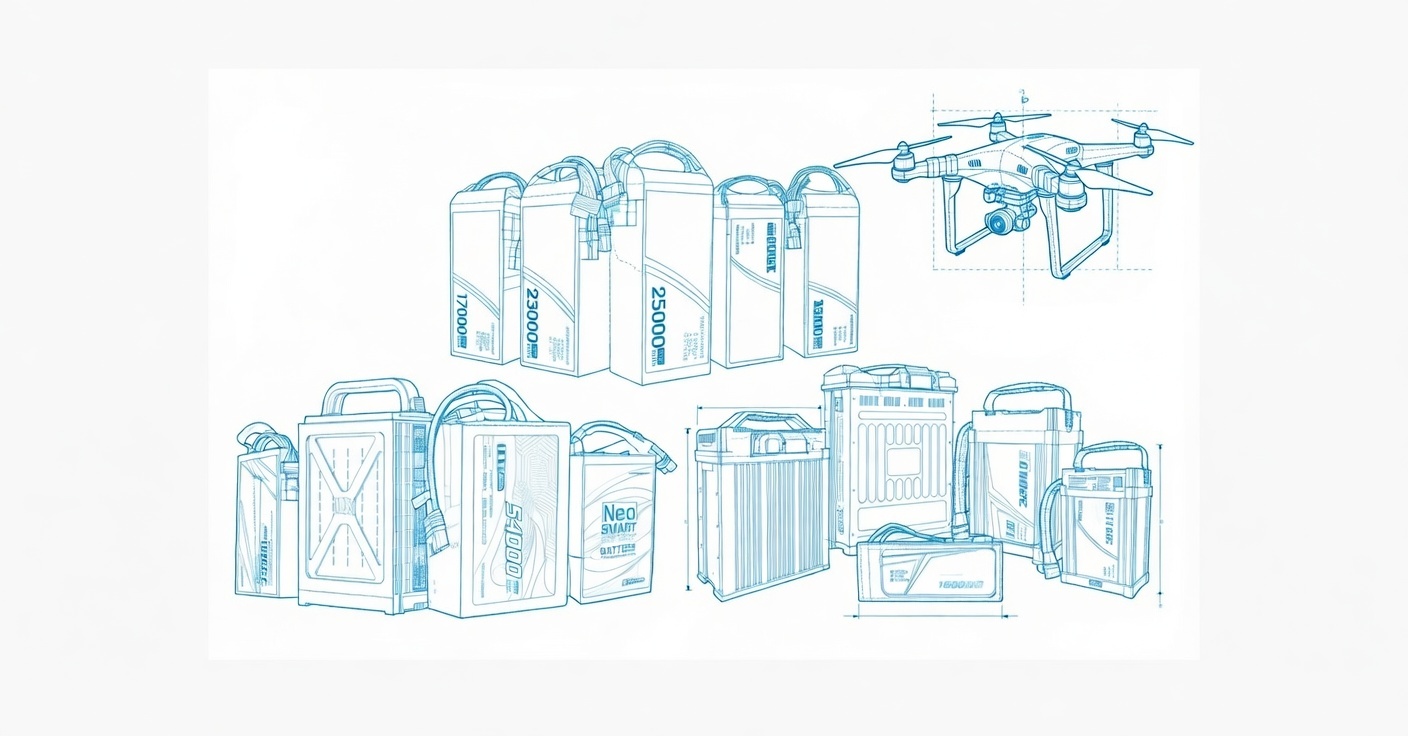
The e-commerce drone delivery revolution is no longer science fiction—it’s today’s operational reality. For fleet operators managing hundreds or thousands of delivery drones, choosing the right battery partner extends far beyond capacity and price. Supply chain traceability has emerged as the critical differentiator between sustainable growth and regulatory nightmares.
Why Supply Chain Traceability Matters for Drone Fleet Operators
In 2026, global lithium battery regulations have reached unprecedented strictness. The EU Battery Regulation now mandates digital battery passports for industrial batteries, while aviation authorities enforce 30% state-of-charge limits for air transport. For e-commerce drone fleet operators, these changes create both challenges and opportunities.
The Hidden Costs of Poor Traceability:
- Compliance violations costing up to $50,000 per incident
- Battery recalls disrupting delivery schedules
- Inability to verify battery origin affecting insurance premiums
- Limited resale value without proper documentation
Forward-thinking fleet operators recognize that battery traceability isn’t just about compliance—it’s about operational intelligence. Knowing exactly where each battery came from, its complete lifecycle history, and its environmental footprint enables smarter fleet management decisions.
Key Advantages of Traceable Drone Battery Supply Chains
1. Regulatory Compliance Made Simple
The 2026 regulatory landscape demands unprecedented transparency. Batteries exceeding 2kWh require unique digital passports containing chemical composition, manufacturing information, and carbon footprint data. Suppliers with established traceability systems provide this documentation automatically, eliminating last-minute compliance scrambles.
Real-World Example: A European e-commerce logistics company reduced compliance preparation time by 73% after switching to a traceable battery supplier. Each battery arrived with QR-code-linked documentation accessible through their fleet management dashboard.
2. Enhanced Safety and Risk Management
Traceable supply chains enable rapid response to safety issues. When a battery defect is identified, operators can instantly pinpoint affected units rather than grounding entire fleets. This targeted approach minimizes operational disruption while maintaining safety standards.
3. Sustainability Credentials for Brand Value
Modern consumers and B2B clients increasingly demand environmental accountability. Traceable batteries provide verified carbon footprint data, enabling fleet operators to make genuine sustainability claims rather than greenwashing accusations.
4. Optimized Total Cost of Ownership
While traceable batteries may carry 5-15% premium pricing, the total cost of ownership often favors them. Reduced compliance costs, extended battery lifecycles through proper management, and higher residual values create compelling financial cases.
Step-by-Step Guide: Evaluating Drone Battery Suppliers for Traceability
Step 1: Request Complete Supply Chain Documentation
Ask potential suppliers for their complete supply chain map. Legitimate traceable suppliers will provide:
- Raw material sourcing locations
- Manufacturing facility certifications
- Quality control checkpoints
- Transportation and logistics partners
Red Flag: Vague responses like “globally sourced” without specific facility information indicate weak traceability systems.
Step 2: Verify Digital Passport Capabilities
Test the supplier’s digital passport system before committing. Request sample battery passports and verify:
- Unique identification codes for each battery unit
- Accessible lifecycle history (manufacturing date, cycle count, maintenance records)
- Compliance certification links (UN38.3, CE, FCC as applicable)
- Carbon footprint calculations with methodology transparency
Step 3: Assess Integration with Fleet Management Systems
The best traceability systems integrate seamlessly with existing fleet management platforms. Evaluate:
- API availability for automated data synchronization
- Real-time battery health monitoring capabilities
- Alert systems for compliance deadlines or maintenance needs
- Reporting tools for regulatory audits
Step 4: Conduct Pilot Testing
Before full fleet deployment, run a 90-day pilot with 10-20 batteries. Track:
- Documentation accuracy and accessibility
- Response time to information requests
- System reliability during daily operations
- Support team responsiveness
Step 5: Review Contract Terms for Traceability Commitments
Ensure traceability requirements are contractually binding, not just marketing promises. Include:
- Minimum documentation standards
- Data access guarantees throughout battery lifecycle
- Penalties for traceability failures
- Transition support if switching suppliers
Comparative Analysis: Leading Drone Battery Traceability Solutions
Tier 1: Full Blockchain-Enabled Traceability
Characteristics:
- Immutable records from raw material to end-of-life
- Real-time verification accessible to all stakeholders
- Third-party audit trails
- Integration with multiple fleet management platforms
Best For: Large-scale operations (100+ drones) with international compliance requirements
Investment Level: High initial cost, lowest long-term risk
Tier 2: Centralized Database Systems
Characteristics:
- Supplier-maintained documentation databases
- QR code or RFID tracking
- Regular compliance updates
- Limited third-party verification
Best For: Medium operations (20-100 drones) with regional focus
Investment Level: Moderate cost, manageable compliance burden
Tier 3: Basic Documentation Packages
Characteristics:
- PDF certificates with each shipment
- Manual record-keeping requirements
- Limited lifecycle tracking
- Operator responsible for compliance verification
Best For: Small operations (under 20 drones) with simple regulatory environments
Investment Level: Lowest upfront cost, highest operational overhead
Implementation Timeline for Fleet Operators
Month 1-2: Assessment Phase
- Audit current battery inventory and documentation
- Identify compliance gaps
- Define traceability requirements based on operational scope
Month 3-4: Supplier Selection
- Issue RFPs to qualified battery suppliers
- Conduct pilot testing with top candidates
- Negotiate contracts with traceability commitments
Month 5-6: Integration Phase
- Deploy new battery management systems
- Train operations teams on traceability protocols
- Establish monitoring and reporting workflows
Month 7+: Optimization
- Review traceability data for operational insights
- Adjust procurement strategies based on performance metrics
- Prepare for upcoming regulatory changes
The Future of Drone Battery Traceability
Emerging technologies are reshaping traceability expectations. AI-powered battery health prediction, automated compliance reporting, and cross-industry data sharing platforms will become standard within 24 months. Fleet operators investing in traceable battery solutions today position themselves ahead of these inevitable changes.
The market trajectory is clear: the global civil drone lithium battery market, valued at $1.439 billion in 2024, is projected to reach $3.035 billion by 2031 with 11.4% CAGR. As the market matures, traceability will transition from competitive advantage to operational necessity.
Making the Decision: Questions Every Fleet Operator Should Ask
- Can you provide real-time access to battery lifecycle data?
- What happens to traceability documentation if your company is acquired?
- How do you handle data privacy while maintaining transparency?
- What’s your process for updating compliance certifications?
- Can your system scale with our fleet growth projections?
Conclusion: Traceability as Strategic Infrastructure
For e-commerce drone fleet operators, battery selection is infrastructure planning, not just procurement. Supply chain traceability transforms batteries from consumable components into intelligent fleet assets. The operators who recognize this shift today will dominate tomorrow’s delivery landscape.
The question isn’t whether to invest in traceable drone batteries—it’s whether you can afford not to. With regulatory pressures intensifying and customer expectations evolving, traceability has become the foundation of sustainable drone fleet operations.
Ready to upgrade your drone fleet with traceable battery solutions? Our team specializes in helping e-commerce drone operators navigate the complex landscape of battery compliance and supply chain transparency. Contact us today to discuss how traceable battery systems can transform your fleet operations.
Contact Page: https://cnsbattery.com/drone-battery-home/drone-battery-contact
Invest in traceability today. Secure your fleet’s future tomorrow.