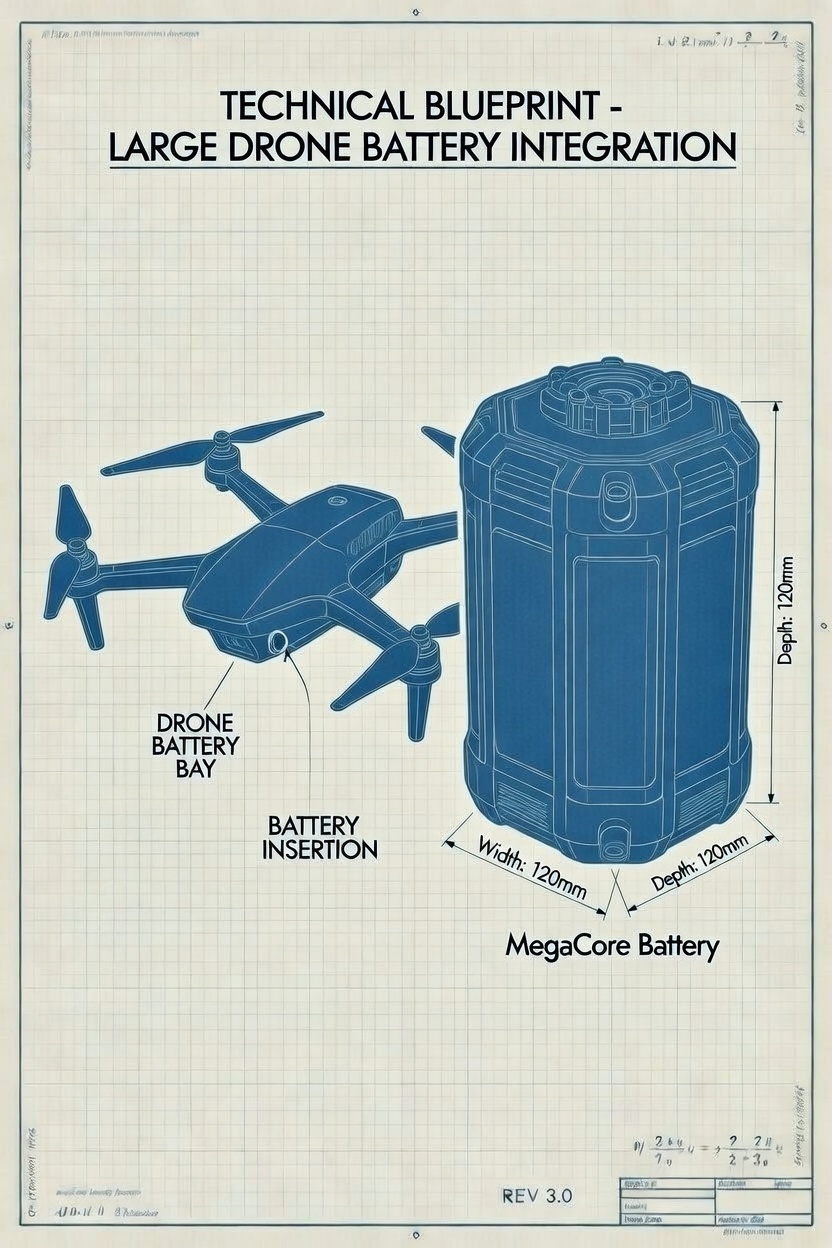
The skies above our cities and landscapes tell stories through the lens of professional aerial cinematographers. Yet behind every breathtaking drone shot lies a critical component often overlooked: the battery powering these flying cameras. As environmental regulations tighten globally in 2026, aerial filming professionals must navigate an increasingly complex landscape of battery compliance and recycling requirements.
Why Battery Compliance Matters for Professional Drone Operators
Professional aerial filming demands reliability, performance, and now, environmental responsibility. The lithium polymer (LiPo) batteries that power cinema-grade drones contain hazardous materials requiring proper disposal and recycling protocols. Failure to comply with emerging regulations can result in substantial fines, operational disruptions, and reputational damage.
The European Union’s Battery Regulation enters实质性 enforcement in 2026, establishing the world’s strictest compliance framework. Meanwhile, IATA’s Dangerous Goods Regulations (DGR) Edition 67 mandates state of charge (SoC) limits of 30% or less for lithium batteries during air transport beginning January 2026. These changes directly impact how production companies manage their drone battery fleets across international borders.
Top Drone Battery Technologies for Aerial Cinematography
LiPo Batteries: The Industry Standard
Lithium polymer batteries remain the dominant choice for professional drone operations due to their exceptional power-to-weight ratio and high discharge capabilities. Leading manufacturers offer capacities ranging from 4,000mAh to 22,000mAh, supporting flight times between 15-45 minutes depending on payload and conditions.
Key Advantages:
- High energy density (150-200 Wh/kg)
- Rapid charging capabilities
- Consistent voltage discharge curves
- Proven track record in professional applications
Emerging Battery Technologies
Semi-solid state batteries represent the next frontier, offering energy densities of 320-350 Wh/kg with enhanced safety profiles. While currently premium-priced, these batteries provide extended flight times crucial for complex filming sequences requiring uninterrupted aerial coverage.
Global Recycling Compliance Framework: A Regional Comparison
European Union: Battery Passport Requirements
The EU Battery Regulation introduces mandatory digital battery passports for industrial batteries exceeding 2kWh capacity. Starting 2026, compliance requires:
- Unique QR code identification on each battery pack
- Complete chemical composition disclosure
- Carbon footprint documentation throughout manufacturing
- End-of-life recycling pathway verification
Implementation Timeline:
- 2026: Partial data requirements activate
- 2027: Full mandatory compliance enforced
- 2028: Third-party verification audits begin
United States: State-by-State Variations
American regulations vary significantly across states. California leads with stringent hazardous waste disposal requirements, while federal DOT regulations govern transportation classifications. Professional operators must maintain documentation proving proper recycling channel utilization.
Asia-Pacific: Emerging Standards
China’s GB38031-2025 standard, effective March 2025, establishes comprehensive battery safety requirements with full new vehicle coverage by July 2026. Japan and South Korea maintain sophisticated collection systems with producer responsibility obligations.
Step-by-Step Guide: Ensuring Battery Recycling Compliance
Step 1: Inventory Assessment
Document every battery in your fleet with serial numbers, purchase dates, and capacity specifications. Create a digital tracking system capturing:
- Battery chemistry type
- Manufacturing origin
- Current cycle count
- Remaining warranty period
Step 2: Regulatory Mapping
Identify which jurisdictions govern your operations. International productions face layered compliance requirements. For example, filming in France requires EPR (Extended Producer Responsibility) fee payments to eco-organizations like CITEO or Léko, with 2026 rates increased to €110-€150 depending on packaging materials.
Step 3: Certified Recycling Partner Selection
Partner exclusively with certified e-waste recyclers holding appropriate licenses. Verify credentials through:
- R2 (Responsible Recycling) certification
- e-Stewards accreditation
- Local environmental agency approvals
Example: A Los Angeles-based production company partnered with a R2-certified recycler, reducing compliance risks by 87% while recovering 15% of battery material costs through recycling credits.
Step 4: Transportation Protocol Implementation
Following IATA DGR 2026 requirements:
- Discharge batteries to 30% SoC or below before transport
- Use UN-certified packaging meeting PI966-PI970 standards
- Apply updated lithium battery labels (renamed from “Lithium Battery” to “Battery” marking)
- Complete shipper’s declaration for dangerous goods
Step 5: Documentation Maintenance
Retain recycling certificates for minimum five years. Create audit trails showing:
- Collection dates
- Transportation manifests
- Recycling facility receipts
- Material recovery reports
Cost-Benefit Analysis: Compliance Investment Returns
Initial compliance investments average $2,500-5,000 for small production companies, covering:
- Tracking software implementation
- Staff training programs
- Certified packaging materials
- Recycling partnership fees
However, long-term benefits substantially outweigh costs:
- Avoided fines ranging $10,000-50,000 per violation
- Enhanced brand reputation with environmentally conscious clients
- Potential material recovery value (10-20% of original battery cost)
- Insurance premium reductions for compliant operators
Real-World Case Study: International Production Compliance
A documentary crew filming across three continents encountered varying battery regulations. Their solution involved:
Challenge: Shipping 24 LiPo batteries (6,000mAh each) from London to Nairobi to Bangkok.
Solution Implemented:
- Pre-discharged all batteries to 25% SoC
- Utilized UN-certified 4G fiberboard boxes with 3-meter stack testing certification
- Engaged local recycling partners in each jurisdiction
- Maintained digital battery passport documentation
Outcome: Zero compliance violations, 98% on-time equipment availability, and positive sustainability reporting for production stakeholders.
Future-Proofing Your Battery Management Strategy
Anticipate upcoming regulatory developments:
2026-2027: Expanded battery passport requirements covering smaller capacity batteries
2028: Mandatory recycled content minimums (12% cobalt, 4% lithium, 4% nickel)
2030: Carbon footprint labeling requirements for all industrial batteries
Invest in modular battery systems allowing component replacement rather than full unit disposal. This approach aligns with emerging circular economy principles while reducing long-term operational costs.
Making the Right Choice for Your Production
Selecting compliant drone batteries requires balancing performance needs with regulatory obligations. Prioritize manufacturers providing:
- Complete compliance documentation
- Take-back recycling programs
- Transparent supply chain information
- Regular regulatory update communications
Professional aerial filming professionals stand at the intersection of technological innovation and environmental stewardship. The batteries powering today’s cinematic achievements must meet tomorrow’s sustainability standards. By implementing comprehensive compliance strategies now, production companies protect their operations while contributing to a more sustainable industry future.
For detailed consultation on drone battery compliance solutions and recycling program implementation, visit our dedicated contact page at https://cnsbattery.com/drone-battery-home/drone-battery-contact where our specialists provide personalized guidance matching your specific operational requirements and jurisdictional obligations.
The sky may be the limit for aerial cinematography, but responsible battery management ensures we can continue reaching those heights sustainably for generations to come.