
Best DIY Tools for Nissan Leaf Battery Swap: Essential Kit & Pro Tips for Safe Installation
Planning a DIY Nissan Leaf battery swap but unsure which tools to invest in? A successful battery replacement hinges on having the right equipment—skimping on tools can lead to damaged components, safety hazards, or a failed install. As CNS BATTERY’s EV specialists, we’ve helped hundreds of DIYers navigate this process. This guide breaks down the best DIY tools for Nissan Leaf battery swap, plus expert insights to ensure your project goes smoothly and protects your new battery investment.
Core Tools for Nissan Leaf Battery Swap: Non-Negotiable Essentials
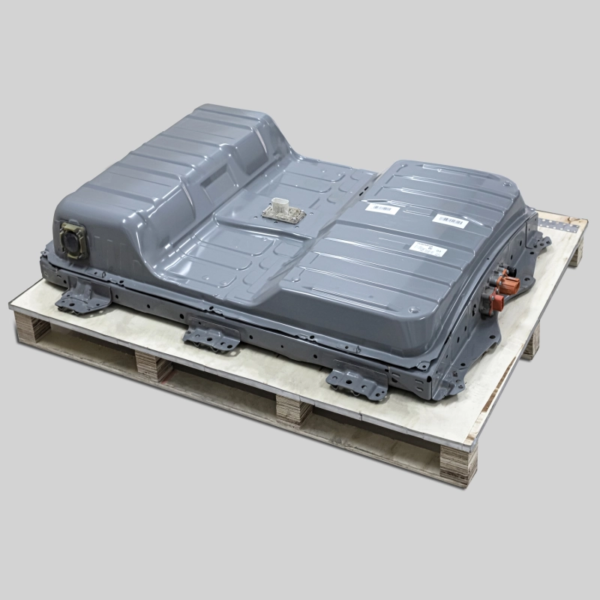
The Nissan Leaf’s battery pack weighs 400-600 lbs (depending on model year and capacity), so your core tools must prioritize strength, precision, and safety. These are the tools no DIY swap should lack:
1. Heavy-Duty Hydraulic Jack & Jack Stands
A standard car jack won’t support the Leaf’s weight during battery removal. Opt for a 3-ton hydraulic floor jack (rated for EVs) to lift the vehicle evenly. Pair it with 3-ton jack stands—never rely solely on the jack. Look for stands with locking pins for extra security, as the battery removal process can take 2-3 hours. This setup ensures the vehicle stays stable while you access the battery compartment underneath.
2. Battery Lifting Hoist or Dolly
Manually lifting the Leaf’s battery pack is dangerous and risks damaging the pack or wiring. A 1,000-lb capacity electric or manual lifting hoist (with adjustable straps) is ideal for lowering and lifting the battery. For smaller workspaces, a heavy-duty battery dolly with locking wheels lets you maneuver the pack safely once removed. CNS BATTERY recommends hoists with rubber-coated hooks to avoid scratching the battery casing.
3. Torque Wrench & Socket Set
The Leaf’s battery is secured with 10mm, 14mm, and 17mm bolts (varies by model year: 2011-2017 vs. 2018+). A ½-inch drive torque wrench (calibrated to 40-65 ft-lbs) ensures bolts are tightened to Nissan’s OEM specifications—over-tightening can strip threads, while under-tightening creates safety risks. Pair it with a deep socket set (metric) and a socket extension to reach hard-to-access bolts on the battery frame.
4. Battery Terminal Wrench Set
Disconnecting the battery terminals requires precision to avoid short circuits. A 8mm and 10mm terminal wrench (preferably insulated) lets you safely remove the positive and negative leads. Insulated tools are critical here—they prevent electrical arcs that could damage the battery’s BMS (Battery Management System) or injure you.
Auxiliary Tools for a Smooth DIY Battery Swap
These tools aren’t mandatory but will save time, reduce frustration, and protect your Leaf’s components. They’re especially valuable for first-time DIYers:
1. BMS Diagnostic Scanner (Nissan-Compatible)
After installing a new battery (like CNS BATTERY’s 24kWh or 62kWh packs), you need to recalibrate the Leaf’s BMS to recognize the new pack. A Nissan-specific OBD-II scanner (e.g., Autel MaxiCOM or Nissan CONSULT III) can reset the BMS, clear error codes, and verify battery communication. This step is non-negotiable—skip it, and your Leaf may show incorrect range estimates or fail to charge properly.
2. Wire Brush & Electrical Contact Cleaner
Corroded terminals or wiring can cause poor battery performance. A brass wire brush (non-abrasive) and EV-safe electrical contact cleaner remove rust and debris from terminals before reconnecting. This ensures a secure electrical connection and extends the life of your new battery.
3. Insulated Work Gloves & Safety Glasses
Even with the battery disconnected, residual voltage may remain. Heavy-duty insulated gloves (rated for 1,000+ volts) and impact-resistant safety glasses protect against electrical shocks and debris. Look for gloves with a textured grip to handle tools and the battery pack securely.
4. Zip Ties & Wire Looms
During removal, wiring harnesses may become loose. Reusable zip ties and split wire looms keep wires organized and away from moving parts or sharp edges. This prevents wiring damage and ensures compliance with Nissan’s safety standards.
Safety Tools: Protect Yourself & Your Nissan Leaf
EV battery swaps carry unique risks—electrical shock, heavy component injury, and chemical exposure. These safety tools are non-negotiable for any DIY project:
-
Insulated Voltage Tester: Confirms the battery is fully disconnected (no residual voltage) before starting work. Choose a tester with a range of 0-600 volts for accuracy.
-
Fire Extinguisher (Class C): Class C extinguishers are designed for electrical fires—keep one within arm’s reach during the swap. Never use water on an EV battery fire.
-
Chemical-Resistant Mat: Places the battery pack on a non-conductive mat to prevent short circuits and protect the pack’s casing from scratches.
Why Choosing the Right Tools Boosts Your Battery’s Value
Investing in the best DIY tools for Nissan Leaf battery swap isn’t just about safety—it also protects your new battery’s performance and warranty. Here’s how:
1. Avoid Costly Damage
Using improper tools (e.g., a weak jack or ill-fitting socket) can scratch the battery casing, damage wiring, or break bolt threads. Repairs for these issues can cost $500+, far exceeding the price of quality tools. CNS BATTERY’s warranties cover manufacturing defects, not damage from improper installation.
2. Ensure Warranty Compliance
Our batteries come with a 5-year/100,000-mile warranty, but improper installation (due to bad tools) can void it. Using the tools recommended here ensures your install meets OEM standards, keeping your warranty intact.
3. Save Money on Professional Labor
A professional Nissan Leaf battery swap costs $800-$1,200 in labor alone. With the right tools, you can complete the job yourself in a weekend, saving hundreds. Plus, you’ll gain the skills to perform future maintenance.
FAQ About DIY Nissan Leaf Battery Swap Tools
Can I use standard car tools for a Leaf battery swap?
Most standard metric tools work for bolts, but EV-specific tools (insulated wrenches, heavy-duty jacks, BMS scanners) are essential. Standard jacks or non-insulated tools risk injury or component damage—don’t cut corners here.
Will a DIY swap void my Nissan Leaf’s warranty?
If your Leaf is still under factory warranty, a DIY battery swap may void the remaining coverage. However, CNS BATTERY’s warranty covers our battery and installation (if done with proper tools). For vehicles under factory warranty, we recommend consulting your dealer first—or let our certified technicians handle the swap.
Do I need a BMS scanner for a used battery swap?
Yes—even used batteries require BMS recalibration to sync with your Leaf’s system. Without it, the vehicle won’t recognize the battery’s capacity, leading to range inaccuracies and charging issues. CNS BATTERY offers BMS calibration guidance for DIYers who purchase our batteries.
What’s the most affordable tool kit for a first DIY swap?
Start with the core tools: hydraulic jack + stands ($200-$300), torque wrench + socket set ($150-$200), and insulated gloves/voltage tester ($50-$80). You can rent a battery hoist ($50-$100/day) to save upfront costs before investing in one.
Get the Right Tools & Battery for Your DIY Swap
The best DIY tools for Nissan Leaf battery swap turn a daunting project into a safe, cost-effective task. Pair these tools with a high-quality battery from CNS BATTERY—engineered to fit your Leaf perfectly and backed by our industry-leading warranty—and you’ll enjoy reliable performance for years.
立即访问https://cnsbattery.com/nissan-leaf-battery/,获取独家折扣并咨询专家升级方案!
Our team can recommend tool bundles tailored to your Leaf’s model year and battery capacity. Don’t let improper tools ruin your DIY project—invest in quality, and drive with confidence.

