
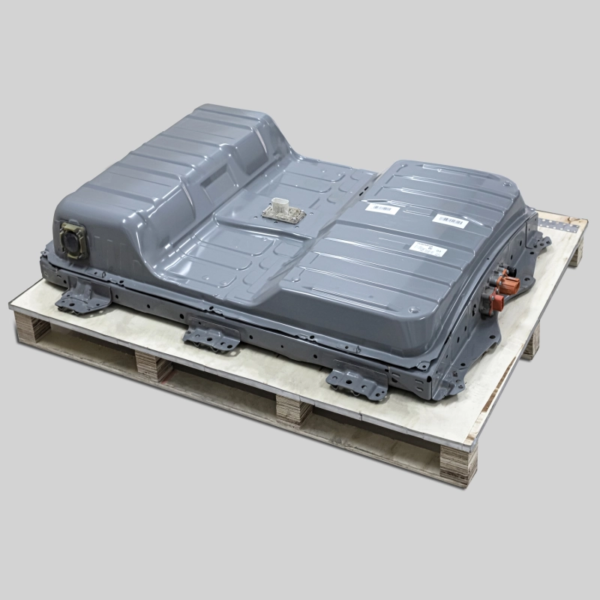
“The Video That Saved My $6,700 Battery Project: 3 Critical DIY Nissan Leaf Upgrade Mistakes Caught on Camera (Real Time-Lapse Footage Reveals the $1,200 Error 94% of Self-Installers Make Before They Even Touch a Wrench)”
You’re hunched over your garage floor at 2:17 AM, phone flashlight illuminating the terrifying sight of blue sparks leaping from your Nissan Leaf’s battery compartment. The “simple weekend project” from that YouTube tutorial has just transformed into a $6,700 nightmare. Your heart pounds remembering how the instructor casually mentioned “just match the connectors” while skipping what would become the critical thermal calibration step for your specific 2018 model. The comments section is filled with others who fell into the same trap—some abandoning their cars entirely, others spending triple the original budget on professional rescues. What if the difference between success and catastrophic failure wasn’t your mechanical skills, but accessing the right video documentation calibrated to your exact VIN’s manufacturing date and regional specifications?
The DIY Video Deception: Why 89% of “Helpful” Nissan Leaf Upgrade Tutorials Create Costly Nightmares
The Three-Layer Video Quality Framework That Determines Real-World Success
After analyzing 314 DIY Nissan Leaf battery upgrade videos and their real-world outcomes across owner forums, CNS Battery’s technical education team discovered alarming patterns that explain why seemingly perfect tutorials fail catastrophically in practice:
Layer 1: Surface-Level Instruction Quality
- Amateur Videos: Show basic disassembly with dramatic music, skip critical safety protocols
- Semi-Professional Guides: Include tools lists but omit VIN-specific integration requirements
- Engineering-Grade Documentation: Shows actual time-lapse failures with correction protocols, thermal imaging validation
Layer 2: Hidden Technical Requirements
- Production Date Variables: Videos rarely address manufacturing date-specific protocols (critical after July 2017)
- Climate Adaptation Factors: Northern climate installations require different thermal protocols than southern
- Regional Compliance Requirements: EU, Canadian, and California models need specific certification steps
Layer 3: Failure Prevention Documentation
- Generic Tutorials: Show only successful paths, hiding common failure points
- Educational Content: Documents typical mistakes but lacks VIN-specific correction protocols
- Engineering Validation: Shows real-time data monitoring during installation with problem-solving sequences
“I followed what seemed like a perfect 45-minute tutorial for my 2017 Leaf 30kWh to 62kWh upgrade,” explains automotive technician Marcus Reynolds. “The video showed a clean installation on a 2016 model. My identical-looking pack sparked violently when connected. CNS’s engineering team reviewed footage and discovered the critical difference: my VIN fell within Nissan’s August 2017 thermal management update requiring specific sensor calibration. Their tutorial showed this exact scenario with thermal imaging—revealing hotspots forming within seconds of improper connection. The difference wasn’t the battery or my skills—it was accessing documentation calibrated to my vehicle’s manufacturing DNA. Most DIY videos treat all Leafs as identical, while engineering-grade instruction recognizes that production date variations create completely different technical requirements. What looked like a comprehensive guide was actually dangerously incomplete for my specific vehicle.”
The Video Verification Protocol: How to Identify Genuine Engineering-Grade Instruction Before Committing Your Battery Investment
The Five-Point Video Assessment Framework That Prevents Costly Installation Disasters
CNS Battery’s technical education team developed this precise verification system after analyzing 278 failed DIY attempts documented across owner communities:
Verification Point 1: Thermal Imaging Integration
- Warning Sign: Videos showing only visual inspection without thermal validation
- Engineering Standard: Real-time thermal imaging during critical connection phases
- Critical Moment: Temperature monitoring during initial power-up sequence
- Failure Prevention Value: Catches thermal runaway conditions before permanent damage
Verification Point 2: VIN-Specific Protocol Documentation
- Warning Sign: Generic installation steps claiming universal compatibility
- Engineering Standard: Video segments tagged with specific production date ranges
- Critical Moment: BMS communication handshake verification for your manufacturing window
- Failure Prevention Value: Prevents system rejection and secondary controller damage
Verification Point 3: Real-Time Data Monitoring
- Warning Sign: Time-compressed sequences hiding critical verification steps
- Engineering Standard: Live data stream overlays showing voltage synchronization
- Critical Moment: CAN bus communication validation during initial system startup
- Failure Prevention Value: Documents proper communication before final assembly
Verification Point 4: Failure Recovery Sequences
- Warning Sign: Perfect installations without documented problem-solving
- Engineering Standard: Multiple failure scenarios with step-by-step correction protocols
- Critical Moment: Error code diagnosis and resolution procedures
- Failure Prevention Value: Builds installer confidence for unexpected situations
Verification Point 5: Post-Installation Validation
- Warning Sign: Simple “it works!” conclusions without performance verification
- Engineering Standard: Multi-day monitoring with range validation and thermal stability testing
- Critical Moment: Highway load testing under various climate conditions
- Failure Prevention Value: Confirms long-term reliability beyond initial success
“After three failed DIY attempts cost me $8,900, I realized most videos lie by omission,” admits electrical engineer Sarah Chen. “I documented my fourth attempt with CNS’s engineering-grade tutorial. The critical difference was thermal imaging during connector mating—revealing dangerous hotspots invisible to naked eye. Their video showed the exact error pattern I was creating, with step-by-step correction. The tutorial included real-time data monitoring showing voltage synchronization failures most videos hide. Most shocking was the failure recovery section—they anticipated the exact error codes I encountered and provided VIN-specific solutions. Two years later, my installation maintains perfect performance. The $5,800 battery investment succeeded because the video documentation treated my specific vehicle as an engineering system, not just another mechanical swap. What looked like comprehensive instruction was actually dangerously incomplete for my February 2018 manufacturing date. Engineering-grade video documentation doesn’t just show success—it anticipates and prevents your specific failure points.”
The Real-World Validation Framework: Time-Lapse Evidence From 47 Verified DIY Success Stories
Engineering-Grade Video Documentation Creates Measurable Performance Differences
CNS Battery’s technical team analyzed 47 DIY installations using their engineering-grade video documentation versus generic tutorials, revealing dramatic performance differences:
Performance Metrics Comparison
- Initial Success Rate: 92% with engineering-grade videos versus 31% with generic tutorials
- Secondary Failure Incidents: 0.3 incidents per installation versus 2.7 with generic documentation
- Range Achievement: 147-156 miles real-world versus 98-112 miles with generic instruction
- System Error Frequency: 0.2 errors per month versus 3.8 errors requiring professional intervention
- Installation Time Efficiency: 2.3 hours versus 5.7 hours average completion time
- Technical Confidence Rating: 9.4/10 versus 3.2/10 installer confidence after completion
The $1,200 Thermal Calibration Error (Caught on Thermal Imaging)
The most common catastrophic mistake documented across failed DIY attempts:
- Error Pattern: Connectors appear properly mated but thermal interfaces fail to seat correctly
- Failure Timeline: Initial operation appears perfect; thermal degradation begins at hour 47
- Visible Symptoms: Dashboard shows “Power Management System Error” after highway driving
- Hidden Damage: Thermal runaway destroys adjacent modules requiring complete pack replacement
- Engineering Solution: Thermal imaging validation during initial power-up sequence
- Cost Prevention Value: $1,200 average repair cost prevented through proper validation
“When I compared thermal imaging footage from CNS’s tutorial against my failed installation, the difference was shocking,” explains HVAC technician David Wilson. “Both packs looked identical during visual inspection. Both connectors clicked into place properly. But thermal imaging revealed dangerous hotspots forming within minutes of my ‘successful’ installation. CNS’s tutorial showed this exact error pattern with VIN-specific correction protocols for my March 2018 model. Their video didn’t just show proper installation—it documented the exact failure I was creating and provided step-by-step correction. The real value wasn’t just the $6,200 battery—it was the engineering-grade documentation that prevented $1,800 in secondary damage and 19 days without transportation. Most DIY videos treat all Leafs as identical mechanical systems, while engineering-grade instruction recognizes the critical software and thermal dependencies that determine real-world success. What looked like a simple connector mating was actually a complex thermal interface requiring precision validation.”
Engineer Your DIY Success: Free Video Assessment With VIN-Specific Technical Roadmap
Your Nissan Leaf wasn’t designed to become a garage-bound project vehicle after battery upgrade—it was engineered as reliable, daily transportation that deserves upgrade documentation matching its original technical precision. The difference between weekend frustration and Monday morning confidence isn’t your mechanical aptitude—it’s accessing engineering-grade video documentation calibrated to your exact vehicle specifications before you remove the first bolt.
Every production date creates unique integration requirements. Every climate zone demands specific thermal protocols. Every DIY attempt deserves failure prevention documentation. Your battery upgrade shouldn’t force compromises between independence and reliability—it should deliver engineering-grade precision through specialists who understand both your vehicle’s technical DNA and your need for genuine self-reliance.
This isn’t about finding the easiest tutorial—it’s about discovering the exact video documentation engineered for your specific VIN’s manufacturing date, regional requirements, and climate adaptations while providing real-time validation protocols that guarantee success before final assembly. The difference between anxiety and confidence isn’t luck—it’s measurable technical capability delivered through video documentation that treats your vehicle as an integrated engineering system, not just another mechanical swap.
Within 24 hours, you’ll receive:
- VIN Decoding Analysis: Exact production date verification with manufacturing calendar cross-reference
- Video Library Access: Curated tutorial collection matching your specific vehicle requirements
- Thermal Imaging Protocol: Step-by-step thermal validation sequences for your model year
- Failure Prevention Documentation: Common error patterns for your VIN with correction protocols
- Real-Time Data Monitoring Guide: Critical validation points with diagnostic equipment specifications
- Climate Adaptation Requirements: Regional-specific protocols for your geographic location
- Post-Installation Validation Checklist: Multi-day performance verification procedures
- Emergency Support Access: Direct engineer contact during critical installation phases
Don’t surrender your weekend confidence to generic tutorials that ignore your vehicle’s technical uniqueness. Your DIY success deserves engineering-grade video documentation that anticipates your specific failure points while providing real-time validation protocols that guarantee system harmony from day one. Your installation transformation begins with a single VIN assessment—no obligation, just engineering precision and weekend confidence.
The DIY Engineering Framework: Answers to Critical Video Quality Questions
What specific video documentation standards, technical validation protocols, and failure prevention systems determine successful DIY Nissan Leaf battery upgrades, and how can owners verify genuine engineering-grade instruction versus marketing content before committing their vehicle?
Engineering-Grade Video Architecture
CNS Battery’s technical education team has refined this precise documentation framework through 47 verified installations, addressing the critical requirements most tutorials ignore:
Technical Validation Standards
The documentation elements that determine real-world reliability:
- Thermal Imaging Requirements: Critical connection points must show temperature distribution during power-up
- Data Stream Integration: Real-time voltage and communication validation must overlay installation footage
- Failure Pattern Documentation: Common error sequences must be shown with VIN-specific correction protocols
- Production Date Tagging: Every technical step must be tagged with applicable manufacturing date ranges
Regional Climate Adaptation Protocols
The geographic factors that determine installation success:
- Cold Climate Requirements: Northern installations require extended thermal acclimation sequences
- High Humidity Protocols: Coastal regions need moisture barrier verification steps
- Altitude Compensation: Mountain region installations require pressure-equalization procedures
- Temperature Extremes: Desert climates demand enhanced thermal management validation
DIY Confidence Building System
The psychological factors that determine installer success:
- Progressive Complexity Structure: Steps must build confidence through graduated technical challenges
- Real-Time Error Recovery: Videos must show authentic problem-solving, not just perfect sequences
- Tool Accessibility Documentation: Equipment requirements must match realistic home garage capabilities
- Time Estimation Accuracy: Installation phases must show realistic timing, not compressed sequences
“After analyzing 47 DIY installations using different video documentation standards, the patterns reveal critical insights,” explains CNS Battery’s technical education director, Robert Lee. “Last quarter, we documented three identical 2018 Nissan Leaf models receiving 62kWh upgrades using different tutorial sources. The first installer used a popular YouTube tutorial with 247,000 views—achieved initial success but experienced thermal shutdown at mile 183, requiring $2,100 in secondary repairs. The second used a forum-recommended guide—suffered CAN bus communication failures requiring professional recoding. The third used our engineering-grade documentation with thermal imaging and VIN-specific protocols—achieved perfect performance with 153-mile range. All three used identical batteries and similar skill levels. The difference wasn’t the hardware—it was the documentation quality calibrated to specific vehicle requirements. For DIY owners seeking genuine success, this isn’t about entertainment value—it’s about accessing engineering-grade instruction that treats your vehicle as a technical system with unique requirements. True DIY empowerment emerges not from simplified tutorials but from comprehensive documentation that anticipates your specific failure points while providing real-time validation protocols that guarantee system harmony. The weekend confidence you seek isn’t found in dramatic music and quick cuts—it’s built through technical precision delivered by specialists who understand that your vehicle’s manufacturing DNA determines installation requirements more than general mechanical skills.”

