Best DIY Nissan Leaf Battery Replacement: Safe Steps, Tools & Expert Tips
Are you considering a DIY Nissan Leaf battery replacement to save on labor costs, but worried about safety risks and technical mistakes? Many Leaf owners—especially those with Gen 1 (2011-2012) or early Gen 2 (2013-2014) models with 24kWh packs—explore DIY options to avoid dealership markup. However, EV battery replacement isn’t like changing a tire; it involves high voltage (360V+), heavy components, and precise BMS (Battery Management System) calibration. The best DIY Nissan Leaf battery replacement requires strict safety protocols, the right tools, and knowledge of Leaf-specific quirks. As CNS BATTERY’s EV experts, we’re breaking down the safe, effective way to tackle a DIY replacement, plus when to call in professionals to avoid costly or dangerous errors.
Key Pre-Requisites for a Safe DIY Nissan Leaf Battery Replacement
Before starting your DIY project, ensure you meet these non-negotiable requirements—cutting corners here risks electrical shock, battery damage, or fire hazards (common with improper EV battery handling).
• Safety Certification & Knowledge: You must understand high-voltage EV systems, including how to disconnect the Leaf’s service plug and discharge residual power. Lack of this knowledge is the top cause of DIY battery accidents, including short circuits and thermal runaway. • Specialized Tools: Generic auto tools won’t suffice. You’ll need insulated gloves (Class 00 or higher, rated for 1000V), a torque wrench (for battery terminals), a hydraulic jack with battery-specific lifting slings (the 24kWh pack weighs 150kg), and a BMS calibration tool (compatible with Leaf models). • Quality Replacement Battery: Use only OEM-equivalent, remanufactured, or certified used Leaf batteries (from trusted suppliers like CNS BATTERY). Avoid generic packs—they lack proper cell balance and compatibility with the Leaf’s natural cooling system. • Proper Workspace: A well-ventilated, dry garage with non-conductive flooring (avoid concrete without rubber mats) and fire extinguisher (Class D for lithium-ion) nearby is mandatory.
Step-by-Step Guide to the Best DIY Nissan Leaf Battery Replacement
This guide focuses on Gen 1 and early Gen 2 Leafs (24kWh packs), the most common models for DIY replacement. Always consult your Leaf’s service manual for model-specific details before starting.
Step 1: Disconnect Power & Prep the Vehicle
Safety first—start by disabling the Leaf’s high-voltage system. Park the vehicle on level ground, engage the parking brake, and turn off the ignition. Open the hood and locate the 12V battery (driver’s side), disconnect the negative terminal first (black cable) to cut auxiliary power. Next, remove the service plug (under a plastic cover near the 12V battery)—this disconnects the 360V main battery. Wait 10-15 minutes to discharge residual power in the system, reducing shock risk.
Step 2: Remove the Old Battery Pack
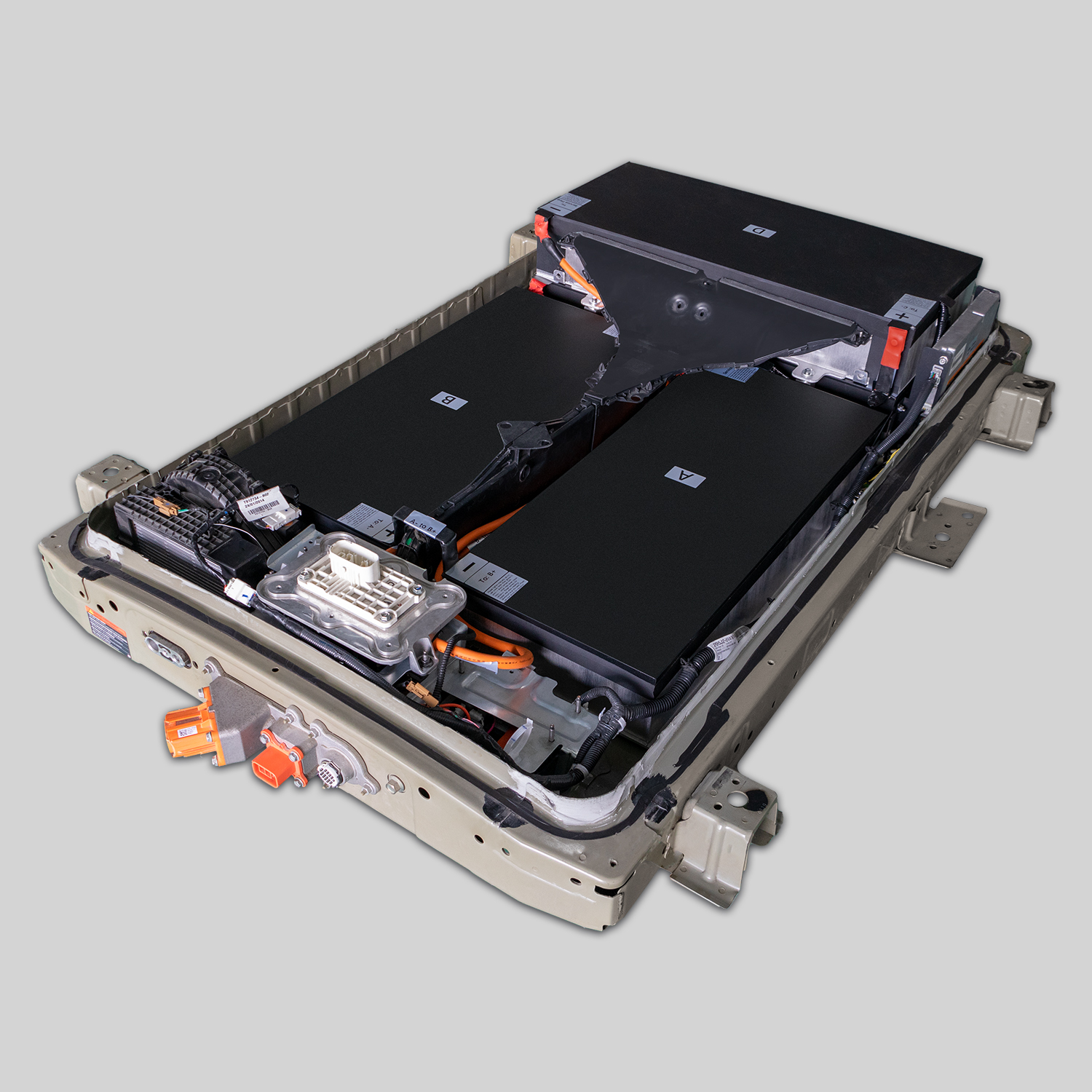
The Leaf’s battery pack is located under the vehicle, requiring undercar access. Use a hydraulic jack to lift the car (support with jack stands—never rely solely on the jack). Remove the underbody panels (10mm bolts) to expose the battery. Disconnect the high-voltage connectors (wear insulated gloves!)—label them to avoid misconnection later. Attach lifting slings to the battery’s designated points, use a hoist to slowly lift the pack (it’s heavy and bulky), and set it on a non-conductive surface.
Step 3: Inspect & Prep for New Battery
Before installing the new battery, inspect the battery compartment for rust, corrosion, or damage to wiring harnesses. Clean any debris with a dry brush (never use water). Check the high-voltage connectors for wear—replace if cracked or corroded. For Gen 1 models, ensure the installation kit (brackets and gaskets) is in good condition; replace if brittle to maintain a tight seal.
Step 4: Install the New Battery & Reconnect Components
Lift the new battery pack into place with the hoist, aligning it with the mounting points (avoid forcing it). Secure the battery with the original bolts, torquing to Nissan’s specifications (typically 45 N·m). Reconnect the high-voltage connectors (double-check labels for accuracy) and replace the underbody panels. Reconnect the 12V battery’s negative terminal and reinsert the service plug, ensuring it locks into place.
Step 5: BMS Calibration & Post-Installation Testing
The Leaf’s BMS must be recalibrated to recognize the new battery—skip this, and you’ll get inaccurate range readings or charging errors. Use a Leaf-compatible BMS tool to reset the system and sync cell voltage data. Once calibrated, turn on the vehicle and check the dashboard for warning lights (none should appear). Test charging with a Level 1 charger first, monitoring for abnormal heat or noise. Take a short test drive to verify range and performance.