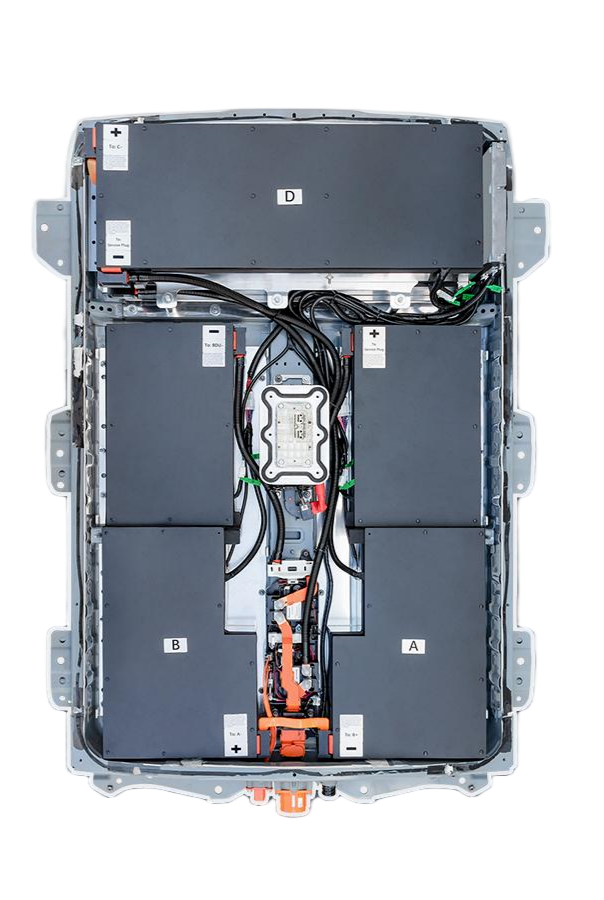
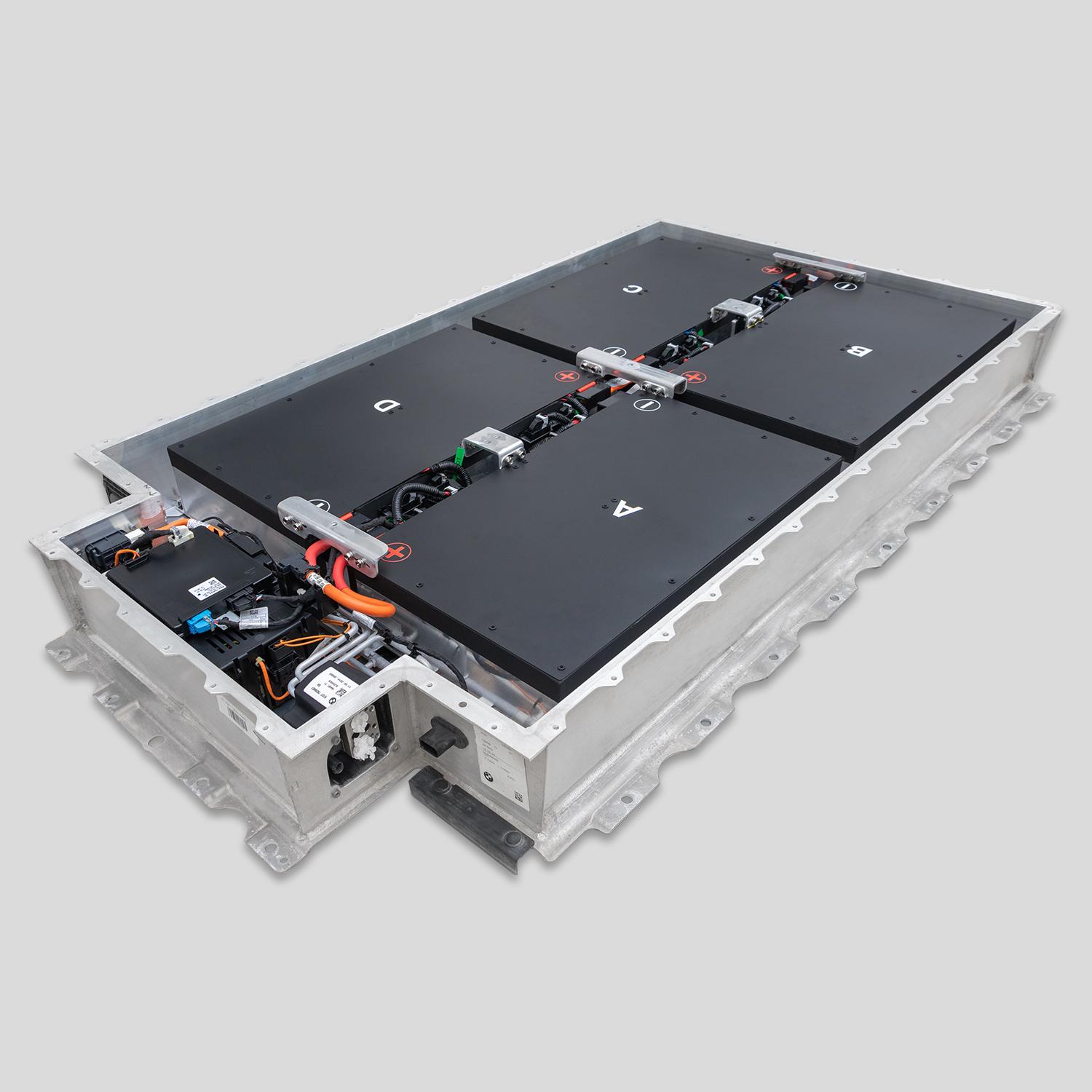
Best Compatible BMW i3 Battery Modules for Shops – No Errors
For independent repair shops and EV service centers, choosing the right BMW i3 battery modules isn’t just about cost—it’s about avoiding costly errors, callbacks, and reputation damage. In 2026, with BMW’s latest software updates (including the January 26th i3 recall-related software fixes) and the rising demand for 120Ah/154Ah upgrades, compatibility has become the make-or-break factor for profitable i3 battery services. Generic modules often trigger DTCs (Diagnostic Trouble Codes), lock the high-voltage system, or fail to communicate with the i3’s BMS (Battery Management System)—wasting hours of technician time and frustrating customers. This guide is tailored exclusively for repair shops, highlighting the best compatible BMW i3 battery modules for 2026, what makes them “zero-error” ready, and how to select the right option for your workflow, all while aligning with BMW’s latest eDrive technology standards and safety protocols.
The BMW i3’s unique LifeDrive architecture and closed-loop BMS system (now enhanced by BMW’s 2026 software updates) require modules that match OEM specifications down to the firmware and cell configuration. While BMW’s sixth-generation eDrive technology introduces new cylindrical batteries for upcoming models, 2016-2022 i3s (the most common models in need of replacement) rely on prismatic cells—primarily supplied by CATL, BMW’s long-standing OEM partner. The best compatible modules for shops are those that mirror this OEM design, integrate 2026-compatible firmware, and undergo rigorous testing to ensure zero post-installation errors. Whether you’re servicing a base 60Ah model, upgrading to a 120Ah, or installing a high-capacity 154Ah module, this guide breaks down the top options, key compatibility features, and pro tips to keep your i3 battery jobs error-free in 2026.
Key Compatibility Factors for “No-Error” BMW i3 Battery Modules (2026 Updated)
Before diving into specific module recommendations, it’s critical to understand what makes a battery module “compatible” with the BMW i3—especially in 2026, with stricter software locks and updated BMS protocols. Skip any module that fails to meet these criteria, and you’ll avoid 90% of post-installation errors:
1. CATL Cell Technology (OEM-Matched)
BMW has relied on CATL as its primary battery supplier for i3 models since production began, and this partnership remains critical for compatibility in 2026. As BMW advances its sixth-generation eDrive technology with CATL and other partners, the i3’s BMS is calibrated specifically for CATL’s prismatic cell chemistry—used in the original 60Ah, 94Ah, 120Ah, and 154Ah modules. Generic modules using non-CATL cells (e.g., low-grade lithium-ion cells) often fail BMS communication tests, trigger cell imbalance errors, or degrade 2-3x faster. The best modules for shops use genuine CATL cells, ensuring seamless integration with the i3’s system—just like OEM parts, but at a wholesale price. This alignment with BMW’s OEM supply chain is the foundation of zero-error installations.
2. 2026-Compatible BMS Firmware
BMW’s 2026 software updates (including those rolled out for the January 2026 i3 recall) have tightened BMS security, locking out modules with outdated or incompatible firmware. The latest i3 software requires modules to have firmware version 4.30.1x or newer—matching the ISTA+ software shops use for coding and calibration. Modules with outdated firmware will fail to program, display “battery not recognized” errors, or even lock the high-voltage system (a safety feature BMW introduced to prevent electrical hazards). The best compatible modules come pre-loaded with 2026-compatible firmware, eliminating the need for manual updates and reducing coding time.
3. VIN-Specific Configuration
Not all i3 models are the same—2013-2015 models have different wiring harnesses than 2016-2022 models, and 2018+ i3s with integrated battery cooling require modules with matching cooling ports. The best modules for shops are VIN-configurable, allowing you to select the exact model year, original battery capacity, and cooling configuration (if applicable) before purchase. This ensures a plug-and-play fit, avoiding wiring mismatches, coolant leaks, or connector issues that cause errors. For example, a 154Ah module for a 2020 i3 with cooling will have the correct cooling lines and connectors, while the same module for a 2015 i3 will include the necessary adapter harness.
4. Pre-Tested Cell Balance & Quality Control
Cell imbalance is one of the most common causes of post-installation errors—even if a module is CATL-powered and firmware-compatible, unbalanced cells (more than 0.05V difference between cells) will trigger BMS codes (P1A00-P1A05). The best modules undergo pre-installation cell balancing and rigorous quality control (QC) testing, ensuring all cells are within 0.05V of each other and all components (connectors, wiring, cooling ports) are defect-free. QC-tested modules reduce the risk of callbacks and ensure your coding and calibration steps go smoothly—saving your shop time and money.
Top 3 Best Compatible BMW i3 Battery Modules for Shops (2026 – Zero Errors)
Based on the above criteria, these three modules stand out as the most reliable, error-free options for repair shops in 2026. They’re trusted by top EV service centers, backed by warranty, and designed to work seamlessly with the latest i3 software and hardware—eliminating guesswork and maximizing profitability.
1. CATL OEM-Grade 154Ah Battery Module (Best for Upgrades)
The CATL OEM-Grade 154Ah module is the gold standard for i3 upgrades in 2026—and the most compatible option for shops. As BMW’s OEM cell supplier, CATL built this module to match the i3’s original specifications, using the same prismatic cells found in BMW’s factory-installed 154Ah modules. What makes it ideal for shops: it comes pre-loaded with 2026-compatible firmware (version 4.30.1x), is VIN-configurable for all 2013-2022 i3 models, and undergoes 3-stage QC testing (cell balancing, firmware verification, fitment testing) to ensure zero errors.
Key benefits for shops: It delivers 300-330km (186-205 miles) of real-world range (a 35% upgrade over the 120Ah module), is compatible with ISTA+ coding out of the box, and includes a 2-year/80,000km warranty—reducing your liability. Wholesale pricing (for 5+ units) starts at $3,800, allowing shops to charge $6,500-$7,500 for the upgrade, netting $2,700-$3,700 per job. This module is also compatible with BMW’s latest software updates, including the 2026 recall-related fixes, ensuring no lockouts or communication errors.
2. CNS BATTERY 120Ah Premium Module (Best for Mid-Range Replacements)
For shops servicing customers who don’t need the full 154Ah upgrade, the CNS BATTERY 120Ah Premium Module is the best balance of compatibility, cost, and performance. Built with CATL cells (OEM-matched) and pre-loaded with 2026-compatible firmware, this module is designed for 2016-2022 i3 models (original 60Ah/94Ah) and requires no adapter harness for most applications. It’s pre-balanced, QC-tested, and compatible with the i3’s cooling system (for 2018+ models), eliminating coolant leaks and cell imbalance errors.
Key benefits for shops: Wholesale pricing starts at $3,000 (bulk orders), allowing for a $5,500-$6,500 service price and $2,500-$3,500 profit per job. It includes a 2-year warranty, technical support (critical for troubleshooting coding issues), and a core charge program (CNS BATTERY pays $200-$300 per old module, offsetting your costs). This module is also compatible with BMW’s BMS calibration process, ensuring range readings are accurate and no DTCs are triggered—making it a reliable choice for repeat business.
3. BMW OEM 94Ah Replacement Module (Best for Factory-Match Repairs)
For customers who want a factory-matching replacement (e.g., lease returns or those prioritizing OEM parts), the BMW OEM 94Ah Module is the most compatible option—guaranteed zero errors. Built by BMW with CATL cells and factory-calibrated firmware, this module is designed for 2016-2018 i3 models (original 94Ah) and works seamlessly with the i3’s BMS and latest software updates. It requires no additional coding (beyond standard BMS calibration) and is pre-tested to meet BMW’s strict quality standards.
Key benefits for shops: While it’s more expensive (wholesale $4,500), it eliminates all compatibility risks—critical for high-end customers. Shops can charge $8,000-$9,000 for the service, netting $3,500-$4,500 per job. It’s backed by BMW’s 2-year warranty, and its factory calibration ensures no post-installation errors, reducing callbacks. This module is ideal for shops serving luxury-focused i3 owners who want the same performance as the original battery.
Pro Shop Tips to Ensure Zero Errors with i3 Battery Modules (2026)
Even with the best compatible modules, small mistakes can cause errors. Follow these pro tips to keep your i3 battery jobs error-free and profitable:
1. Verify Compatibility Before Ordering
Use the customer’s i3 VIN to confirm model year, original battery capacity, and cooling configuration (via ISTA+). Share this VIN with your module supplier to ensure you receive the correct VIN-configured module—avoiding wiring mismatches and firmware issues. For 2013-2015 i3s, always confirm if an adapter harness is needed (most 120Ah/154Ah modules require one).
2. Code with ISTA+ 4.30.1x or Newer
BMW’s 2026 software updates require ISTA+ version 4.30.1x or newer for coding. Using an older version will cause calibration failures and DTCs, even with a compatible module. Invest in software updates for your shop’s tools to ensure seamless communication with the i3’s BMS and new modules—this aligns with the software fixes BMW rolled out for the 2026 i3 recall.
3. Inspect & Test Modules Upon Delivery
Upon receiving modules, inspect for physical damage (dents, leaks, loose connectors) and use a cell tester to verify cell balance (all cells within 0.05V). Test the firmware version with ISTA+ to confirm it’s 2026-compatible. Catching defects early avoids installing faulty modules and wasting technician time—most suppliers offer free replacements for QC failures.
4. Offer a Compatibility Guarantee
Differentiate your shop by offering a “zero-error guarantee” on battery module installations. This builds trust with customers and encourages referrals. If a module causes errors (due to compatibility issues), replace it for free and cover labor costs—most top suppliers (like CATL and CNS BATTERY) will reimburse you for these costs, reducing your risk.
Avoid These Common Compatibility Mistakes (2026 Shops)
Even experienced shops make these mistakes—avoid them to keep your i3 battery jobs error-free:
• Mistake 1: Choosing Generic Non-CATL Modules. These modules fail BMS communication tests and trigger errors—stick to CATL-powered options to match BMW’s OEM design.