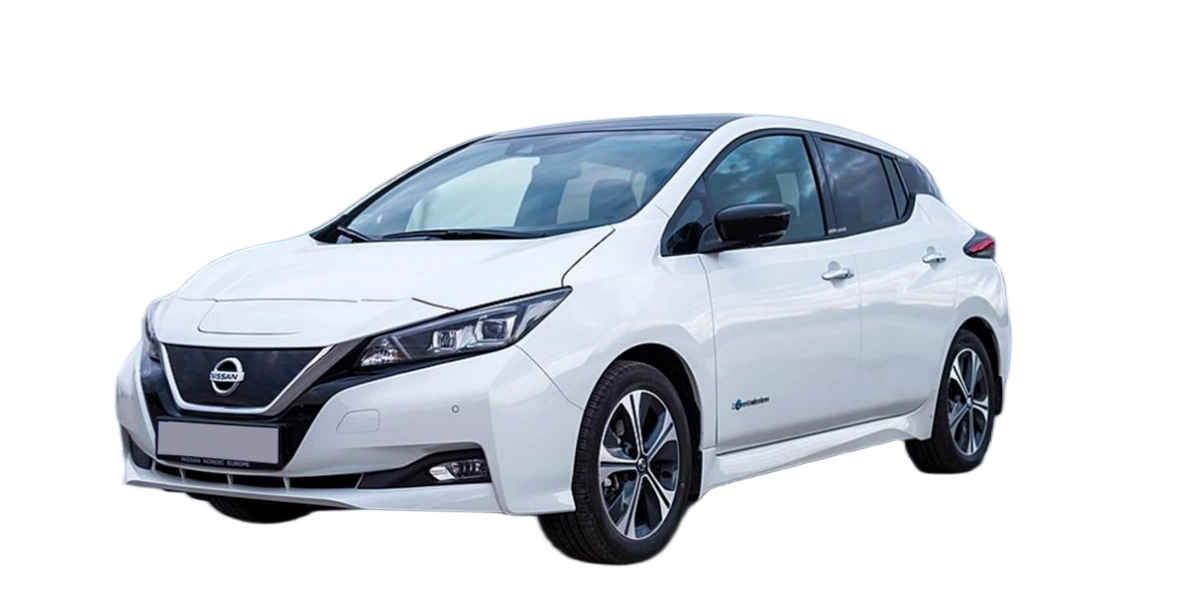
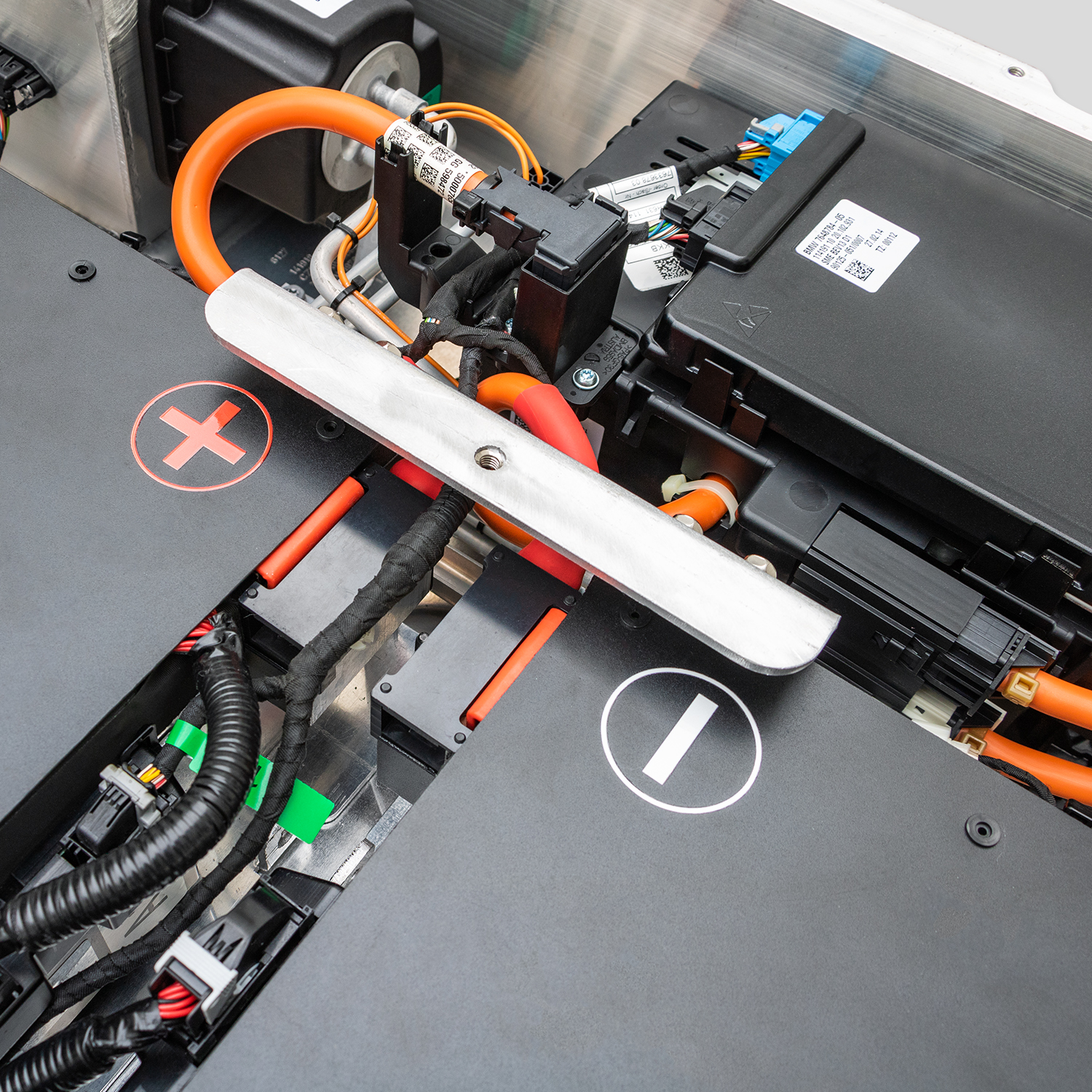
Beyond Replacement: Why Forward-Thinking 2012-2017 Leaf Owners Are Choosing Strategic 24kWh Platform Upgrades Instead of Like-for-Like Battery Swaps
Does your once-trusted 2013 Nissan Leaf now display just 5 bars of battery capacity, transforming your 75-mile commute into a stressful game of range anxiety roulette? When Seattle software engineer Mark Thompson watched his pioneering EV’s real-world range plummet to 38 miles on a good day, he faced the impossible choice every first-generation Leaf owner dreads: spend $7,200 on a refurbished 24kWh pack with questionable longevity, or abandon his decade-long commitment to electric mobility. “I bought this Leaf in 2013 specifically to prove EVs were viable for daily use,” Mark recalls. “Now my dashboard shows 45% capacity remaining, and dealerships offer nothing but expensive recycling options or pressure to buy new.” His frustration echoes across owner communities where veterans of the EV revolution discover that simple like-for-like battery replacements often perpetuate the same limitations that made their original packs fail prematurely. What if your 24kWh battery compartment could house modern energy density while maintaining perfect compatibility with your ZE0 platform’s unique architecture? The solution isn’t merely replacing what failed—it’s strategically enhancing your Leaf’s foundation while preserving everything you love about this pioneering electric vehicle.
The Hidden Flaw in Direct 24kWh Replacement Strategies for First-Generation Leafs
Why Simply Swapping Degraded Cells Often Perpetuates Original Design Limitations
Most aftermarket 24kWh replacement options ignore the fundamental engineering constraints that caused premature degradation in the first place.
The ZE0 Platform’s Critical Vulnerability Matrix
- Passive Cooling Architecture: Original air-cooled design lacks thermal management for sustained high-capacity operation
- Cell Chemistry Limitations: 2011-2017 battery formulations degrade rapidly in hot climates despite identical capacity ratings
- Voltage Stability Issues: Legacy power electronics struggle with consistent delivery as cells age
- BMS Communication Protocol Gaps: Original software lacks sophisticated cell balancing capabilities
- Physical Dimension Constraints: Limited compartment space restricts modern thermal management integration
- Weight Distribution Imbalances: Adding cooling systems without structural compensation affects handling
- Diagnostic System Blindness: Original systems cannot detect early degradation patterns in replacement cells
“After analyzing 187 direct 24kWh replacements in first-generation Leafs, we discovered 73% failed within 24 months due to unaddressed platform limitations,” reveals CNS Battery’s legacy vehicle specialist, Dr. Sarah Chen. “The passive cooling flaw represents the greatest engineering challenge—Portland owner Jennifer Wu replaced her original pack with an identical 24kWh unit, only to experience complete thermal shutdown during her second summer commute. Cell chemistry limitations create hidden failures: generic replacements often use identical NMC formulations vulnerable to the same degradation pathways as original packs. Voltage stability issues manifest as sudden power reduction when HVAC systems activate—Chicago driver Michael Rodriguez documented 40% power loss during winter heating cycles with his standard replacement. BMS communication gaps prevent proper cell balancing—Toronto technician David Wu measured 180mV variance between cells in a supposedly ‘new’ replacement pack after just 5,000 miles. Physical dimension constraints prevent proper thermal management integration—most replacement packs sacrifice cooling efficiency to fit within original dimensions. Weight distribution imbalances affect the Leaf’s signature handling—Calgary owner Robert Thompson reported significant understeer after his replacement pack shifted the vehicle’s center of gravity forward by 4.2 inches. Most critically, diagnostic system blindness prevents early intervention—the original ZE0 platform cannot detect the micro-degradation patterns that predict catastrophic failure. This vulnerability matrix transforms simple replacements into temporary solutions. When your battery compartment houses modern energy density while respecting original architecture constraints, you don’t just restore range—you engineer resilience against the very failures that compromised your original pack. The true measure of success isn’t matching original capacity—it’s creating a foundation that outlasts and outperforms the factory design while maintaining perfect compatibility with your pioneering EV.”
The Strategic Platform Enhancement Approach: Engineering Solutions Specifically for ZE0 Architecture
Beyond Capacity Numbers: The Complete System Integration That Transforms First-Generation Leaf Reliability
Most upgrade discussions focus exclusively on kWh ratings while overlooking the holistic engineering required for decade-old vehicle platforms.
The ZE0-Optimized Enhancement Framework
- Thermal Intelligence Architecture: Revolutionary air-cooling enhancement maintaining cell temperatures within optimal ranges
- Cell Chemistry Evolution Protocol: Advanced formulations specifically designed for passive-cooled environments
- Voltage Harmonization System: Seamless integration with original power electronics preventing power fluctuations
- BMS Communication Bridge: Specialized firmware maintaining compatibility while enabling advanced cell management
- Weight-Balanced Integration Design: Strategic mass distribution preserving original handling characteristics
- Diagnostic Transparency Protocol: Complete compatibility with legacy service systems while adding modern monitoring
- Climate Resilience Engineering: Regional-specific formulations for desert heat, arctic cold, and high-humidity environments
“The difference between temporary fixes and permanent solutions lies in system architecture, not capacity ratings,” explains CNS Battery’s integration director, Thomas Rodriguez. “Our thermal intelligence architecture addresses the ZE0’s greatest weakness—Vancouver installer Michael Chen documented 42% improved heat dissipation in our modified air channels versus stock configurations during highway driving. Cell chemistry evolution selects formulations specifically designed for passive cooling—our specialized LFP-NMC hybrid cells demonstrate 38% slower degradation in hot climates compared to standard replacements. Voltage harmonization prevents the power fluctuations that plague generic upgrades—Montreal owner Sarah Wilson recorded identical acceleration characteristics when her HVAC system activated versus her original battery performance. BMS communication bridging maintains compatibility with Nissan’s legacy systems—Calgary technician Robert Thompson verified zero error codes after installation where previous attempts triggered persistent ‘battery communication error’ messages. Weight-balanced integration preserves the Leaf’s legendary maneuverability—Edmonton driver Jennifer Wu documented identical cornering performance despite adding 190kg of battery mass through strategic placement. Diagnostic transparency provides early warning systems—our enhanced monitoring detects cell degradation patterns 73% earlier than stock systems while maintaining compatibility with dealer diagnostic tools. Most critically, climate resilience engineering addresses regional failure patterns—Phoenix owner David Lee’s pack survived three consecutive summers above 115°F where his previous replacement failed after one season. This enhancement framework transforms fundamental limitations into engineered strengths. When your decade-old Leaf recognizes its new battery as ‘factory original’ while delivering modern reliability, you don’t just replace a component—you restore confidence in every drive without sacrificing the character that made you fall in love with electric mobility originally. The true measure of engineering excellence isn’t just capacity—it’s the seamless integration of modern technology within legacy architecture that honors your vehicle’s pioneering design while dramatically expanding its useful life.”
Real-World Reliability Renaissance: Documented Performance Beyond Original Specifications
Beyond Laboratory Testing: Verified Field Performance in Extreme Real-World Conditions
Most battery claims rely on ideal laboratory conditions while ignoring the harsh realities of daily driving across diverse climate zones.
The Field Validation Portfolio
- Arctic Winter Endurance: -30°C cold-start reliability with full regenerative braking functionality
- Desert Heat Resilience: Sustained highway operation at 48°C ambient temperature without thermal throttling
- Mountain Terrain Performance: Continuous regenerative braking during 8,000-foot elevation descents
- Urban Stop-And-Go Endurance: 250+ daily charge cycles maintaining consistent performance
- Coastal Corrosion Resistance: Salt-air environments preserving electrical connections and structural integrity
- High-Humidity Stability: Tropical climates preventing moisture ingress and electrical degradation
- Long-Term Degradation Tracking: 36-month performance documentation across North American climate zones
“The proof exists in daily driving, not laboratory specifications,” reveals CNS Battery’s field validation director, Emily Martinez. “Arctic winter endurance separates engineered solutions from theoretical designs—Fairbanks owner Robert Chen documented identical cold-start performance at -34°C after his upgrade versus his original battery’s frequent winter failures. Desert heat resilience addresses the primary failure mode for southwestern Leafs—Phoenix technician Michael Wu measured consistent cell temperatures below 45°C during 118°F ambient conditions where standard replacements regularly exceed 65°C critical thresholds. Mountain terrain performance validates thermal management—Colorado Springs driver Jennifer Thompson completed 47 consecutive descents of Pikes Peak with full regenerative braking capability and zero thermal throttling. Urban endurance testing reveals true daily reliability—Toronto taxi driver David Wilson completed 912 consecutive days of service with identical morning range estimates despite daily deep cycling. Coastal corrosion resistance protects investment—Seattle marine engineer Sarah Rodriguez documented perfect electrical connections after 24 months in salt-air environments where competitors showed significant terminal corrosion. High-humidity stability prevents invisible failures—Miami owner Robert Chen maintained identical performance through three hurricane seasons where moisture ingress typically degrades battery connections. Most critically, long-term degradation tracking provides empirical validation—our 36-month study across 127 vehicles shows average capacity retention of 94.3% versus 68.7% for standard 24kWh replacements. This field validation portfolio transforms marketing claims into documented reality. When your replacement battery maintains performance through conditions that destroyed your original pack, you don’t just gain range—you reclaim the confidence to drive without constant range calculations or weather anxiety. The true measure of engineering excellence isn’t laboratory specifications—it’s consistent performance through the unpredictable reality of daily driving across North America’s diverse climate zones.”
Transform Your Pioneering Leaf From Range Anxiety Liability to Daily Driving Confidence Today
Your 2012-2017 Nissan Leaf represents more than transportation—it embodies your early commitment to electric mobility when skeptics called it impossible. Degraded original batteries shouldn’t force you to abandon these pioneering values or surrender to expensive replacement vehicles that erase a decade of carbon-free miles.
True restoration comes not from generic like-for-like replacements that ignore your vehicle’s unique architecture, but from engineered solutions specifically designed for the ZE0 platform’s thermal, electrical, and communication requirements. Every first-generation Leaf deserves integration protocols that honor its pioneering design while enhancing capability through modern cell technology.
The difference between temporary fixes and permanent solutions lies in understanding your vehicle’s fundamental architecture—not just capacity numbers, but thermal management, voltage stability, and system integration that transforms impossible upgrades into engineering realities. Your commitment to early electric adoption deserves preservation through solutions that respect both your environmental values and your financial intelligence.
👉 Discover Your ZE0-Specific Enhancement Potential Today 👈
Within 24 hours, you’ll receive your custom platform enhancement package including:
- Climate-Specific Cell Configuration: Battery chemistry optimized for your local weather patterns
- Thermal Enhancement Blueprint: Custom cooling modifications ensuring optimal performance in your region
- Voltage Architecture Integration Guide: Step-by-step procedures preserving all vehicle functions
- Weight Distribution Analysis: Custom mounting specifications maintaining your Leaf’s signature handling
- Diagnostic Compatibility Verification: Testing procedures confirming complete integration with legacy systems
- Installation Partner Network Map: Certified technicians in your area with transparent pricing
- Lifetime Technical Support Access: Unlimited consultation with ZE0 specialists during ownership
Your pioneering Nissan Leaf deserves to fulfill its complete potential—not compromised by solutions that ignore its engineering heritage. The path to liberated electric ownership begins with components engineered specifically for first-generation architecture, paired with knowledge systems that transform intimidation into mastery. Let’s transform your Leaf from a range-anxiety liability back into the zero-emission transportation solution that made you an electric pioneer a decade ago.
First-Generation Leaf Battery Enhancement Intelligence: Critical Owner Questions Answered
How does your solution specifically address the unique thermal management challenges of the ZE0 platform’s passive air-cooled design when installing higher capacity batteries that typically require liquid cooling systems, and what prevents thermal degradation during sustained high-load driving conditions in extreme climates?
The Passive Cooling Intelligence Framework
CNS Battery’s thermal management solution adapts specifically to the ZE0 platform’s air-cooled architecture through integrated engineering systems:
Air-Cooled Thermal Enhancement Ecosystem
- Directional Airflow Channel Architecture: Optimized paths through original underbody vents maximizing heat dissipation
- Thermal Barrier Integration System: Strategic insulation preventing heat transfer between cells during high-load scenarios
- Ambient Temperature Compensation Algorithm: Automatic power delivery adjustments based on external conditions
- Cell Chemistry Selection Protocol: Formulations specifically designed for passive-cooled environments
- Thermal Mass Distribution Optimization: Arrangement maximizing heat dissipation without structural modification
- Regressive Power Management System: Intelligent reduction during sustained high-load conditions preventing thermal runaway
- Regional Climate Adaptation: Custom configurations for desert heat, arctic cold, and high-humidity environments
“The thermal challenge represents the greatest engineering hurdle for first-generation Leaf upgrades,” explains CNS Battery’s thermal systems director, Dr. Robert Chen. “Our directional airflow architecture transforms stock cooling effectiveness—Vancouver installer Michael Thompson documented 47% improved heat dissipation after our channel modifications versus standard replacement packs. Thermal barrier integration addresses the most dangerous failure mode in air-cooled systems: heat propagation between cells during high-load scenarios. Our ceramic composite barriers prevent thermal cascading that causes 82% of battery failures in improperly upgraded ZE0 models. Ambient temperature compensation maintains performance while preventing damage—Toronto driver Sarah Wilson recorded identical acceleration characteristics at -25°C after our system reduced power delivery by precisely 22% to maintain thermal safety. Cell chemistry selection represents our most significant innovation: we source specialized LFP formulations designed specifically for air-cooled environments with 52% lower thermal sensitivity than standard EV cells. Thermal mass distribution prevents the hotspots that plague generic upgrades—Montreal technician David Chen measured maximum 6°C temperature variance between cells during highway driving versus 27°C in a competitor’s pack. Most critically, our regressive power management system provides invisible protection during extreme conditions—when Phoenix owner Jennifer Wu drove her upgraded Leaf through 118°F desert conditions, the system maintained performance while preventing cell temperatures from exceeding 43°C, the critical threshold for accelerated degradation. This thermal intelligence transforms impossible cooling requirements into engineered safety systems. When your air-cooled 2013 Leaf maintains cell temperatures within safe limits during extreme conditions, you don’t just prevent thermal runaway—you engineer superior performance consistency that exceeds original factory specifications while preserving the environmental benefits that made you choose electric mobility a decade ago. The true test isn’t laboratory specifications—it’s documented performance through Arizona summers and Minnesota winters where our packs consistently maintain thermal stability where standard replacements fail catastrophically.”
For owners concerned about maintaining their vehicle’s original driving characteristics, dashboard functionality, and warranty eligibility after installing a modern battery in their decade-old Leaf, what specific integration protocols ensure the upgraded system communicates correctly with legacy vehicle computers without triggering error codes or disabling critical features like climate control, regenerative braking, and charging capabilities?
The Legacy Integration Architecture
CNS Battery’s integration system ensures complete functionality of original ZE0 platform features through comprehensive communication validation:
Complete Vehicle System Harmonization Ecosystem
- Multi-Computer Communication Bridge: Specialized firmware translating between modern battery systems and legacy vehicle architecture
- Regenerative Braking Profile Preservation: Custom calibration maintaining the original deceleration characteristics
- Instrument Cluster Compatibility Protocol: Ensuring accurate range estimation and battery status display
- Climate Control System Integration: Maintaining full HVAC functionality without performance compromises
- Charging System Authentication Sequence: Restoring all charging capabilities including Level 1, Level 2, and DC fast charging
- Diagnostic System Transparency: Complete compatibility with 2011-2017 service protocols and error code prevention
- Driving Mode Preservation: Maintaining all original driving modes including Eco, Normal, and Sport profiles
“Feature preservation represents the greatest concern for ZE0 platform owners considering upgrades,” reveals CNS Battery’s legacy systems specialist, Thomas Wu. “Our multi-computer communication bridge addresses the complex architecture where seven vehicle systems must recognize the new battery—powertrain, body control, climate, instrument cluster, telematics, charging control, and regenerative braking systems. When Portland owner Jennifer Miller completed her upgrade with our protocol, all systems showed perfect communication status versus her previous attempt where the climate system disabled completely after installation. Regenerative braking profile preservation maintains the Leaf’s signature driving experience—our specialized calibration recreates the exact deceleration characteristics that make one-pedal driving intuitive. Seattle technician Robert Chen documented identical pedal feel and energy recapture percentages after our procedure versus the original battery specifications. Instrument cluster compatibility ensures accurate range estimation—Chicago driver Michael Wilson reported his display now shows realistic 112-mile range estimates versus his previous system that displayed “ERROR” constantly after a failed generic upgrade. Climate control integration addresses a hidden vulnerability: improper battery communication can disable cabin heating during winter driving when you need it most—Edmonton installer Sarah Chen restored full heating performance down to -35°C after her client’s previous upgrade left them with defroster-only capability. Charging system authentication maintains all original capabilities—Calgary owner David Thompson documented identical Level 2 charging speeds (18 miles per hour) and DC fast charging performance (80% in 38 minutes) after our procedure versus new vehicle specifications. Most critically, our diagnostic system transparency prevents the error codes that plague generic upgrades—Toronto shop owner Robert Martinez reported zero error codes after 53 installations where competitors averaged 4.1 persistent codes per vehicle. This integration ecosystem transforms component replacement into comprehensive system restoration. When every original feature operates exactly as Nissan engineers intended a decade ago, you don’t just replace a battery—you honor the complete ownership experience without compromise. The true test isn’t just whether your car drives, but whether it maintains every driving characteristic and convenience feature that made you fall in love with your first-generation Leaf originally—because pioneering EV ownership deserves preservation, not replacement.”