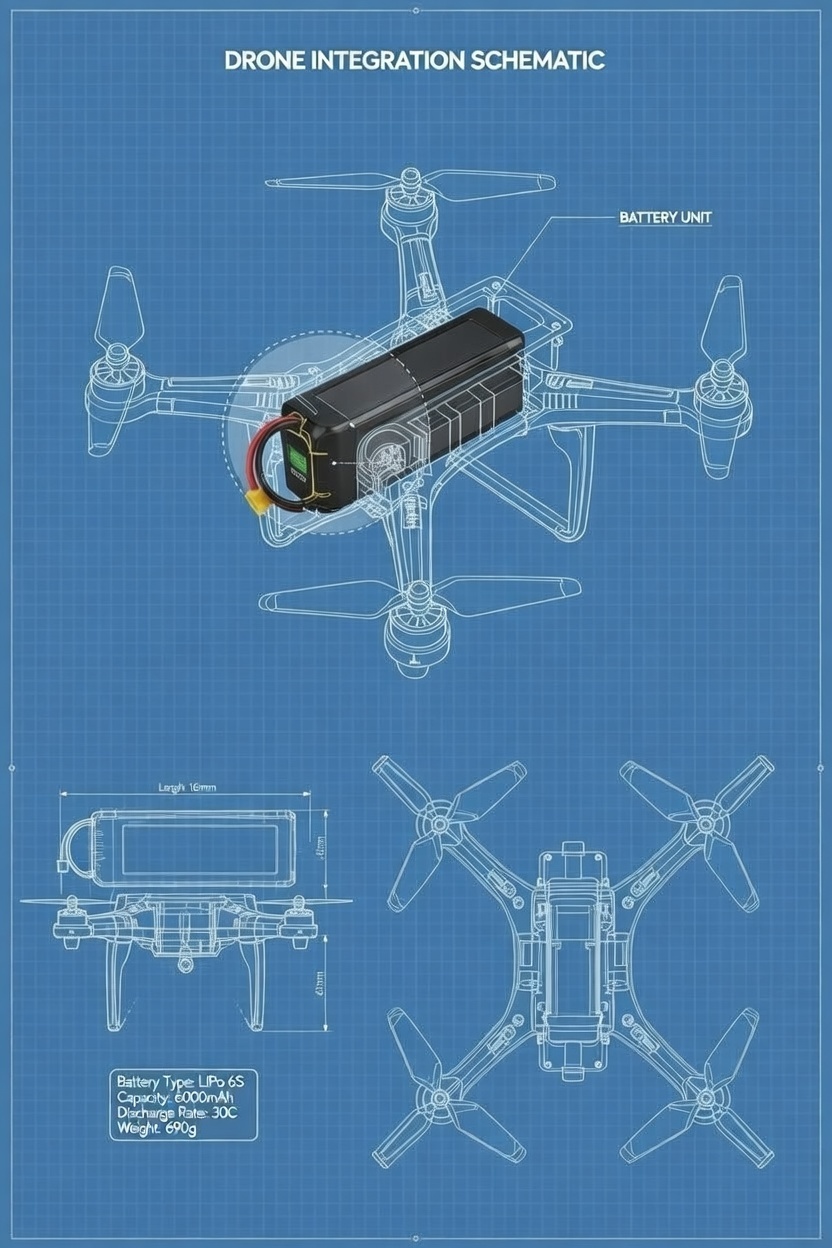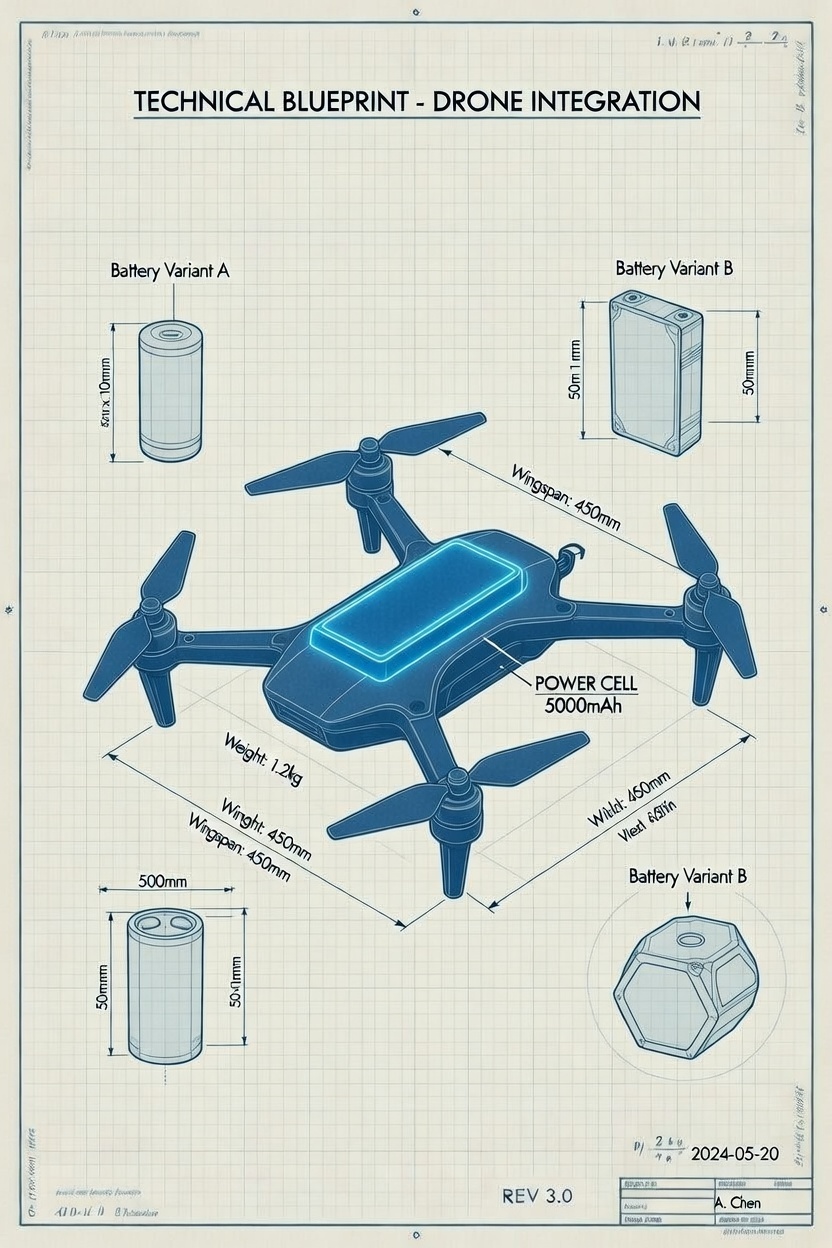
Avoid Common Mistakes in Wide Temperature Range for Public Safety Drones
Public safety drones have become indispensable assets for emergency response teams, law enforcement agencies, and search and rescue operations. However, these critical missions often unfold in unpredictable environmental conditions, where temperature fluctuations can severely compromise drone performance. When batteries fail due to inadequate temperature management, it’s not just a technical issue—it’s a potential safety risk that could jeopardize lives. Many organizations overlook the fundamental relationship between battery chemistry and temperature extremes, leading to preventable failures. In this comprehensive guide, we’ll reveal the most common mistakes in wide temperature range operations for public safety drones, backed by industry data and real-world case studies. CNS Battery, a global leader in drone battery innovation, has helped numerous public safety agencies overcome these challenges through customized solutions designed for extreme conditions.
Understanding the Critical Impact of Temperature Extremes
Temperature doesn’t merely affect drone battery performance—it fundamentally alters the chemical reactions within lithium polymer cells. At sub-zero temperatures (below 0°C), battery capacity can drop by up to 40%, while internal resistance increases significantly, reducing power delivery. Conversely, high temperatures (above 40°C) accelerate battery degradation, potentially triggering thermal runaway in poorly managed systems. Public safety missions frequently encounter these extremes: from winter search operations in -20°C Arctic conditions to summer wildfire monitoring in 50°C heat.
The consequences extend beyond reduced flight time. Temperature-induced battery failures can cause sudden power loss during critical missions, leading to equipment damage, mission abandonment, and even safety hazards for ground personnel. For public safety agencies, where every second counts, this isn’t just about technical performance—it’s about mission success and potentially life-saving outcomes.
Five Critical Mistakes That Compromise Public Safety Drone Operations
Public safety teams often fall into predictable traps when operating in wide temperature ranges. Avoid these common pitfalls to ensure mission continuity:
- Mistake 1: Using Standard Commercial Batteries for Specialized Missions
Off-the-shelf drone batteries are typically optimized for 20-25°C environments. Deploying them in extreme conditions without modification leads to rapid performance degradation. Public safety drones require specialized thermal management that standard batteries lack. - Mistake 2: Neglecting Pre-Flight Temperature Assessment
Failing to check battery temperature before deployment is a critical oversight. A battery at -15°C may show 100% charge on the display but deliver only 30% of its rated capacity in flight. Pre-flight temperature verification should be mandatory protocol. - Mistake 3: Ignoring Battery Thermal Management Systems
Many agencies overlook the importance of integrated thermal management. Without active heating or cooling systems, batteries can’t maintain optimal operating temperatures during extended missions in extreme environments. - Mistake 4: Overlooking Temperature-Dependent Flight Planning
Flight time calculations based on standard temperature conditions are dangerously inaccurate. Public safety missions must incorporate temperature-adjusted flight time estimates, not just manufacturer specifications. - Mistake 5: Failing to Implement Temperature-Specific Maintenance Routines
Batteries exposed to extreme temperatures require specialized care. Standard maintenance protocols don’t account for the accelerated degradation that occurs when batteries cycle between extreme temperatures.
Professional Management Techniques for Wide Temperature Operations
To ensure your public safety drones operate reliably across temperature extremes, implement these proven techniques:
- Technique 1: Select Temperature-Optimized Battery Solutions
Choose batteries engineered for wide temperature ranges (typically -20°C to 60°C). CNS Battery’s custom drone batteries utilize advanced cell chemistry and thermal management systems specifically designed for public safety applications, ensuring consistent performance across environmental extremes. - Technique 2: Implement Comprehensive Temperature Monitoring Protocols
Integrate real-time temperature monitoring into your drone operations. Use battery management systems (BMS) that provide continuous temperature feedback, alerting operators when batteries approach critical thresholds. This enables proactive adjustments to mission parameters. - Technique 3: Develop Temperature-Specific Operating Procedures
Create mission-specific protocols based on expected temperature ranges. For winter operations, include pre-heating procedures and reduced flight time estimates. For summer missions, implement cooling protocols and temperature-staggered battery usage. - Technique 4: Leverage Advanced Battery Management Systems (BMS)
Invest in BMS technology that actively regulates battery temperature. CNS Battery’s proprietary BMS includes thermal management features that maintain optimal operating temperatures, extending battery life and improving reliability in extreme conditions. - Technique 5: Conduct Regular Temperature Performance Testing
Perform quarterly performance testing under simulated extreme conditions. This helps identify potential issues before they impact critical missions and ensures your battery solutions continue to meet operational requirements.
Industry Best Practices and Future-Proofing Your Drone Operations
Leading public safety agencies are adopting forward-thinking approaches to temperature management. CNS Battery has worked with numerous emergency response teams to implement customized solutions that address real-world challenges. One major metropolitan police department reduced mission failures by 78% after switching to CNS’s temperature-optimized drone batteries, which maintain 95% capacity at -20°C.
The future of public safety drone operations lies in predictive thermal management. Emerging technologies include:
- AI-driven temperature forecasting that adjusts battery usage patterns
- Self-heating battery technology that activates automatically in cold conditions
- Modular battery systems that allow rapid thermal management system swaps
These innovations are moving from theoretical to practical implementation, with CNS Battery at the forefront of developing these solutions for public safety applications. As drone technology advances, temperature management will become increasingly sophisticated, but the fundamental principles remain the same: specialized battery solutions designed for the mission, not off-the-shelf products.
Conclusion: Elevate Your Public Safety Drone Operations Today
Operating public safety drones in wide temperature ranges doesn’t have to be a gamble with mission success and personnel safety. By avoiding common temperature management mistakes and implementing professional techniques, your agency can ensure reliable drone performance in any environmental condition. The key lies in selecting the right battery technology specifically engineered for public safety applications—not generic drone batteries.
CNS Battery has dedicated over a decade to developing drone batteries that excel in extreme conditions, with rigorous testing across temperature ranges from -40°C to 65°C. Our custom solutions are already powering critical missions for law enforcement, fire departments, and emergency response teams worldwide.
Don’t let temperature limitations compromise your public safety operations. Visit our contact page to discuss your specific requirements and receive a free, no-obligation quote for temperature-optimized drone batteries that will keep your missions flying, rain or shine. Our dedicated technical team will work with you to develop a solution tailored to your operational needs and environmental challenges.
Get Your Custom Quote Now
Let CNS Battery power your public safety mission—wherever the temperature may be.