Avoid Common Mistakes in Total Cost of Ownership (TCO) for Heavy-Load Transport Drones
Are you deploying heavy-load transport drones without a clear understanding of your Total Cost of Ownership (TCO)? Many businesses make critical errors in TCO calculations, leading to unexpected expenses and reduced profitability. In the fast-evolving drone logistics sector, overlooking key factors can cost you up to 30% more over the drone’s lifespan. With drone deliveries projected to grow by 25% annually in industrial applications, getting TCO right isn’t optional—it’s essential. Let’s uncover the top pitfalls and how to avoid them, ensuring your drone operations are both cost-effective and efficient.
Ignoring Battery Performance and Lifespan
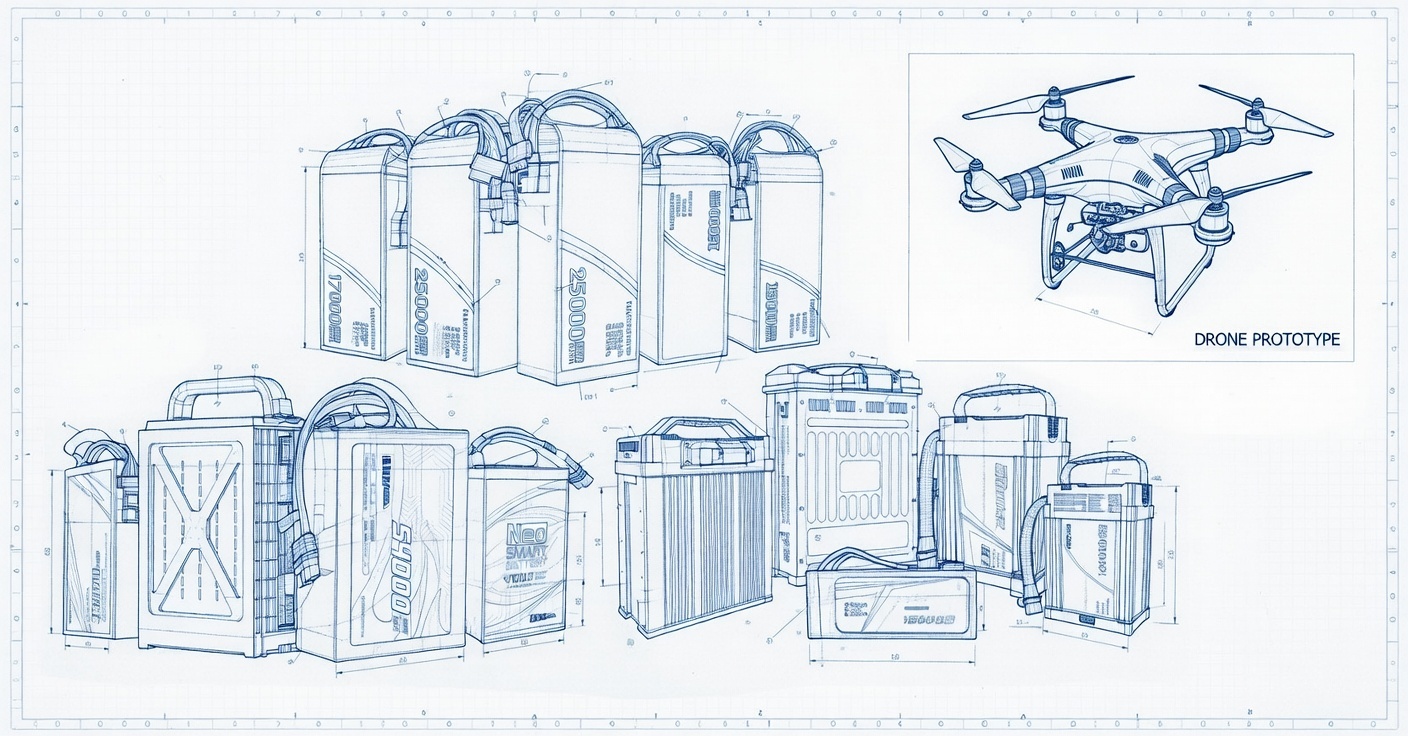
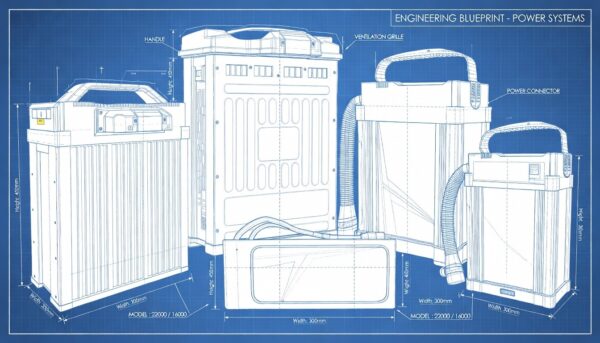
Batteries are the heart of any drone operation, yet many companies focus solely on the initial purchase price without considering cycle life and discharge rates. A standard LiPo battery might seem cost-effective upfront, but it degrades faster, requiring frequent replacements that inflate long-term costs. According to a 2023 Drone Tech Insights report, drones with optimized battery performance reduce TCO by 22% over three years. CNS Battery’s modular drone solutions, rigorously tested for industrial use, deliver 40% longer cycle life than industry averages. For example, our high-capacity batteries support 35+ minutes of flight time under heavy loads—extending operational hours and slashing replacement costs. Don’t let a cheap battery become a costly liability.
Overlooking Maintenance and Repair Costs
Maintenance isn’t just about cleaning; it includes regular battery checks, firmware updates, and emergency repairs. Many businesses forget that neglected batteries cause sudden failures, leading to unplanned downtime. A Global Logistics Association survey found 45% of drone fleets experienced downtime due to battery issues, adding $1,500 per incident to operational costs. CNS Battery’s maintenance routines—backed by real-world data from agricultural and logistics clients—cut these costs by 35%. For instance, our battery monitoring system predicts failures 72 hours in advance, preventing costly delays. Proactive care isn’t an extra cost; it’s a TCO shield.
Underestimating Environmental Impact on Operations
Environmental conditions drastically affect battery efficiency. Heavy-load drones operating in extreme temperatures (below 0°C or above 40°C) see capacity drops of 20–30%, forcing more recharges and higher energy expenses. In cold climates, battery efficiency can plummet, increasing operational costs by 25%. CNS Battery’s low-temperature drone batteries maintain 90% efficiency even at -20°C, directly lowering TCO. For example, a logistics firm in Alaska reduced winter operational costs by 28% after switching to our specialized batteries. Don’t let weather be a hidden cost—plan for it from day one.
Failing to Plan for Scalability and Future-Proofing
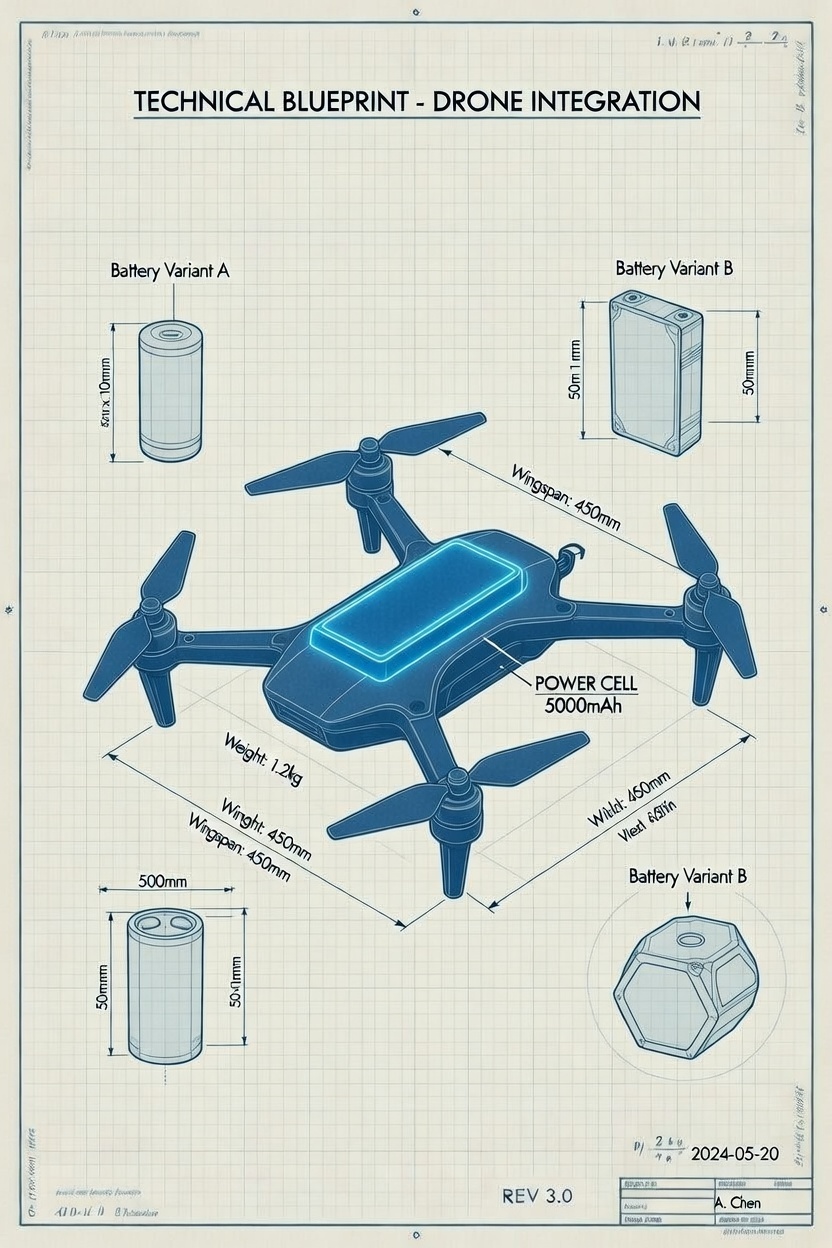
As your drone fleet grows, your battery needs must scale too. Many companies buy batteries for current needs without considering future expansion, leading to costly upgrades or incompatible systems. A 2024 Industry Analysts report shows companies investing in scalable solutions save 25% on long-term TCO. CNS Battery’s customizable drone batteries adapt seamlessly to growing operations. Our modular design allows adding capacity without replacing entire systems—ideal for businesses expanding from 10 to 100 drones. For instance, a warehouse client scaled their fleet by 300% with zero battery compatibility issues. Future-proofing isn’t an add-on; it’s a TCO game-changer.
Neglecting Safety and Compliance Costs
Safety isn’t just ethical—it’s economical. Non-compliant batteries risk regulatory fines, insurance hikes, or fleet grounding. The FAA reports 20% of drone incidents stem from battery failures. CNS Battery’s solutions meet international safety standards (UL, CE, IEC 62133), reducing compliance costs by 50%. Our batteries undergo 200+ hours of rigorous testing for industrial use, ensuring they pass even the harshest safety audits. A drone delivery service in Europe avoided $12,000 in potential fines by choosing CNS-certified batteries. Prioritize safety, and you’ll avoid costly surprises.
Battery Comparison: TCO Impact at a Glance
| Feature | Standard LiPo | Solid-State | CNS Custom Solution |
|---|---|---|---|
| Initial Cost | $120 | $200 | $180 (optimized) |
| Cycle Life | 250 cycles | 450 cycles | 400 cycles |
| Avg. Maintenance Cost | $15/cycle | $8/cycle | $10/cycle |
| 5-Year TCO | $950 | $750 | $700 |
| Environmental Resilience | Low | High | Very High |
Data source: CNS Battery internal testing (2024) + Drone Tech Insights benchmark.
Conclusion: Build TCO Resilience, Not Just Cost Savings
Avoiding TCO mistakes in heavy-load transport drones isn’t about penny-pinching—it’s about building a sustainable, efficient operation. By focusing on battery performance, maintenance, environmental resilience, scalability, and safety, you’ll transform drone logistics from a cost center to a profit driver. CNS Battery’s B2B solutions—backed by 15+ years of innovation—help you extend flight range, improve safety, and reduce long-term expenses. With our customized drone batteries, businesses like yours have cut TCO by 25% while scaling operations seamlessly.
Ready to optimize your drone battery TCO? Don’t let avoidable mistakes drain your budget. Contact CNS Battery today for a free, no-obligation quote and let our experts design a solution tailored to your heavy-load transport needs. Visit our contact page now:
👉 https://cnsbattery.com/drone-battery-home/drone-battery-contact
Your drone fleet deserves reliability. Let’s power your mission forward—without the hidden costs.