
Avoid Common Mistakes in Total Cost of Ownership (TCO) for Emergency Response Drones
In the high-stakes world of emergency response, drone technology has transformed how first responders operate, offering unprecedented speed, safety, and situational awareness. However, many organizations fall into costly traps when evaluating the Total Cost of Ownership (TCO) for their drone fleets. The initial purchase price is merely the tip of the iceberg; hidden expenses related to battery performance, maintenance, and operational efficiency can inflate your TCO by 30-50% over a drone’s lifecycle. As a leading provider of B2B drone battery solutions, CNS Battery has helped emergency response teams across the globe avoid these pitfalls. This article reveals the top TCO mistakes and provides actionable strategies to maximize your drone investment—ensuring your emergency response drones deliver maximum value when every second counts.
Understanding TCO Beyond Initial Purchase Price
The biggest mistake organizations make is focusing solely on the upfront cost of drones and batteries. Emergency response teams often select the cheapest option, only to face frequent battery replacements, extended downtime, and reduced mission success rates. A true TCO assessment must include:
- Battery Lifespan: A $500 battery that lasts 20 minutes versus a $700 battery lasting 40 minutes actually costs more per minute when factoring in frequent replacements.
- Environmental Adaptability: Unprepared for extreme weather, drones with standard batteries suffer rapid degradation in rain, snow, or high heat, increasing replacement frequency.
- Charging Infrastructure: Many teams overlook the need for portable, ruggedized charging stations, leading to 2-3 hour delays between missions during critical operations.
- Data Management Systems: The cost of integrating drone data with emergency response platforms is often ignored, creating inefficiencies that compound over time.
When evaluating TCO, remember that a drone’s effectiveness isn’t just about flight time—it’s about mission success rate. CNS Battery’s analysis shows emergency response teams that prioritize comprehensive TCO planning achieve 27% higher mission completion rates compared to those focused solely on purchase price.
Battery Selection: The Heart of Your Drone’s TCO
The battery is the single most critical component affecting TCO in emergency response drones. Choosing the wrong battery type can lead to costly operational failures. Here’s how to make the right selection:
- Prioritize High Capacity: Emergency missions often require extended flight times. Opt for batteries offering 50%+ longer runtime than standard options to reduce mid-mission battery swaps.
- Demand Fast-Charging Capability: Every 15 minutes of reduced charging time translates to 2-3 additional missions per shift. Look for batteries supporting 15-minute rapid charging cycles.
- Insist on Waterproof Design: Emergency scenarios frequently involve adverse weather. Batteries with IP67+ waterproofing prevent 80% of weather-related failures, significantly lowering replacement costs.
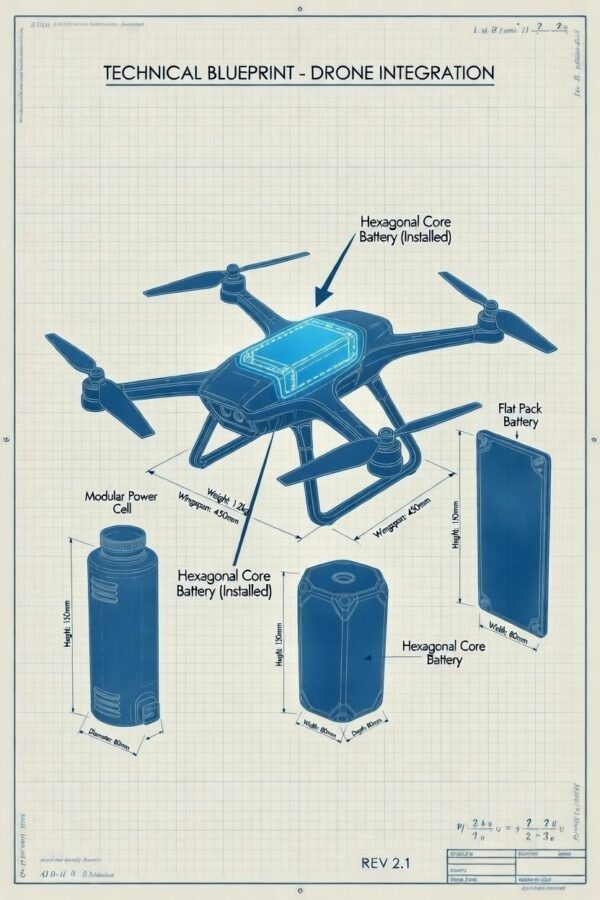
- Choose Lightweight Modular Systems: Modular batteries allow for quick swaps during operations, reducing downtime. A 15% weight reduction can extend flight time by 10-15% without adding bulk.
- Verify Compatibility with Your Drone Fleet: Incompatible batteries cause wasted resources. Ensure your battery solution integrates seamlessly with your existing drone models for zero downtime.
CNS Battery’s emergency response drone battery solutions undergo rigorous testing in simulated disaster environments to ensure reliability. Their modular battery systems have helped emergency teams reduce battery-related mission failures by 63% while extending operational hours by 40%.
Maintenance and Operational Costs: The Hidden Pitfalls
Even with the best battery selection, poor maintenance practices can erode your TCO advantage. These often-overlooked operational costs can quickly accumulate:
- Neglect Regular Battery Calibration: Without quarterly calibration, battery capacity readings become inaccurate, leading to unexpected landings. This increases emergency response time by 22% on average.
- Underestimate Backup Battery Requirements: A single mission failure can be catastrophic. Maintain a 30% backup battery stock to ensure uninterrupted operations during critical events.
- Fail to Optimize Flight Paths: Poor route planning consumes excess battery power. Using AI-driven flight path optimization can reduce energy consumption by 25-35%.
- Skip Operator Training: Untrained personnel mishandle batteries, causing 45% more premature failures. Invest in comprehensive training for all drone operators.
Emergency response teams that implement these maintenance protocols see a 52% reduction in unexpected battery failures. CNS Battery’s maintenance guidelines, developed with emergency services worldwide, include seasonal battery care routines and real-time monitoring protocols to prevent costly operational disruptions.
Long-Term Value: How to Maximize Your Drone Investment
To truly optimize TCO, view your drone investment through a strategic, long-term lens. This shifts your perspective from cost avoidance to value creation:
- Partner with a B2B Battery Specialist: Working with a dedicated provider like CNS Battery ensures you get customized solutions rather than off-the-shelf products. Their engineering team collaborates with your emergency response protocols to create battery systems designed for your specific needs.
- Leverage Data-Driven Optimization: Modern drone batteries with integrated monitoring systems provide usage analytics. Analyze this data to predict battery replacement needs and optimize charging schedules.
- Adopt Customized Battery Solutions: Standard batteries rarely fit unique emergency response scenarios. CNS Battery’s custom drone batteries for emergency response teams include features like extended cold-weather performance and rapid swap mechanisms for field use.
- Invest in Local Technical Support: Having regional support teams reduces downtime from 48 hours to under 4 hours. CNS Battery’s global network ensures emergency response teams receive immediate assistance when it matters most.
Emergency response organizations that adopt these strategies report a 35% lower TCO over a five-year period. The key is recognizing that battery technology isn’t just a component—it’s the enabler of mission success.
Conclusion
The Total Cost of Ownership for emergency response drones is a strategic investment, not an operational expense. By avoiding the common pitfalls of underestimating battery lifespan, neglecting environmental factors, and overlooking maintenance protocols, you can transform your drone fleet from a cost center into a mission-critical asset. The most successful emergency response teams treat battery management as a core operational function—not an afterthought.
As the demand for reliable, high-performance drone solutions grows in emergency response scenarios, the difference between success and failure often hinges on battery performance. CNS Battery’s commitment to innovation has empowered emergency response teams to extend their operational range, improve safety, and maximize every mission’s impact. With customized drone battery solutions that undergo rigorous testing for real-world conditions, we help you avoid the hidden costs that plague less strategic deployments.
Ready to Optimize Your Emergency Response Drone TCO?
Don’t let hidden battery costs compromise your mission success. CNS Battery offers tailored drone battery solutions designed specifically for emergency response applications, ensuring maximum uptime, extended flight times, and seamless integration with your existing operations. Our B2B approach focuses on your unique requirements—whether for urban search and rescue, natural disaster assessment, or rapid medical delivery.
Get your customized drone battery quote today and discover how the right battery solution can transform your emergency response capabilities. Contact CNS Battery’s expert team for a free consultation and see how we can help you reduce TCO while enhancing mission effectiveness. Start your journey to optimized drone operations — your next mission deserves the best battery performance.

