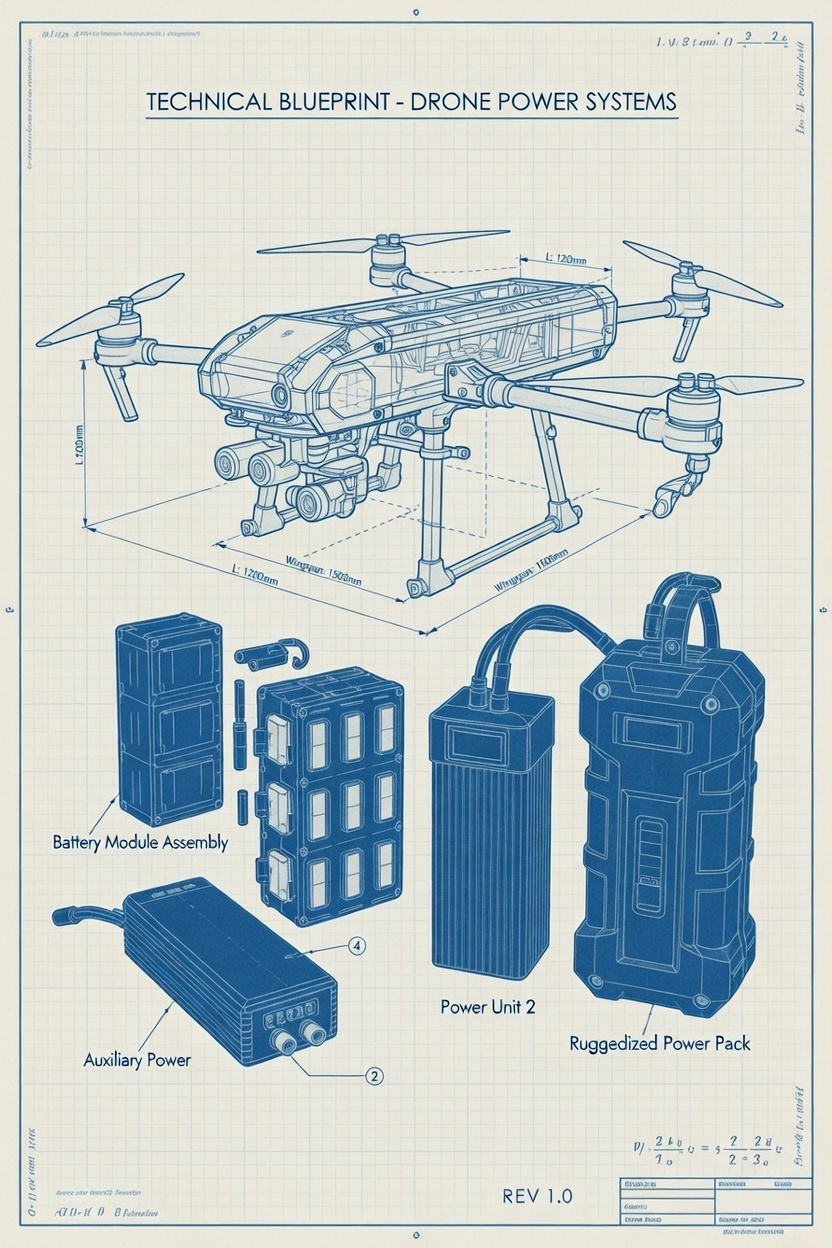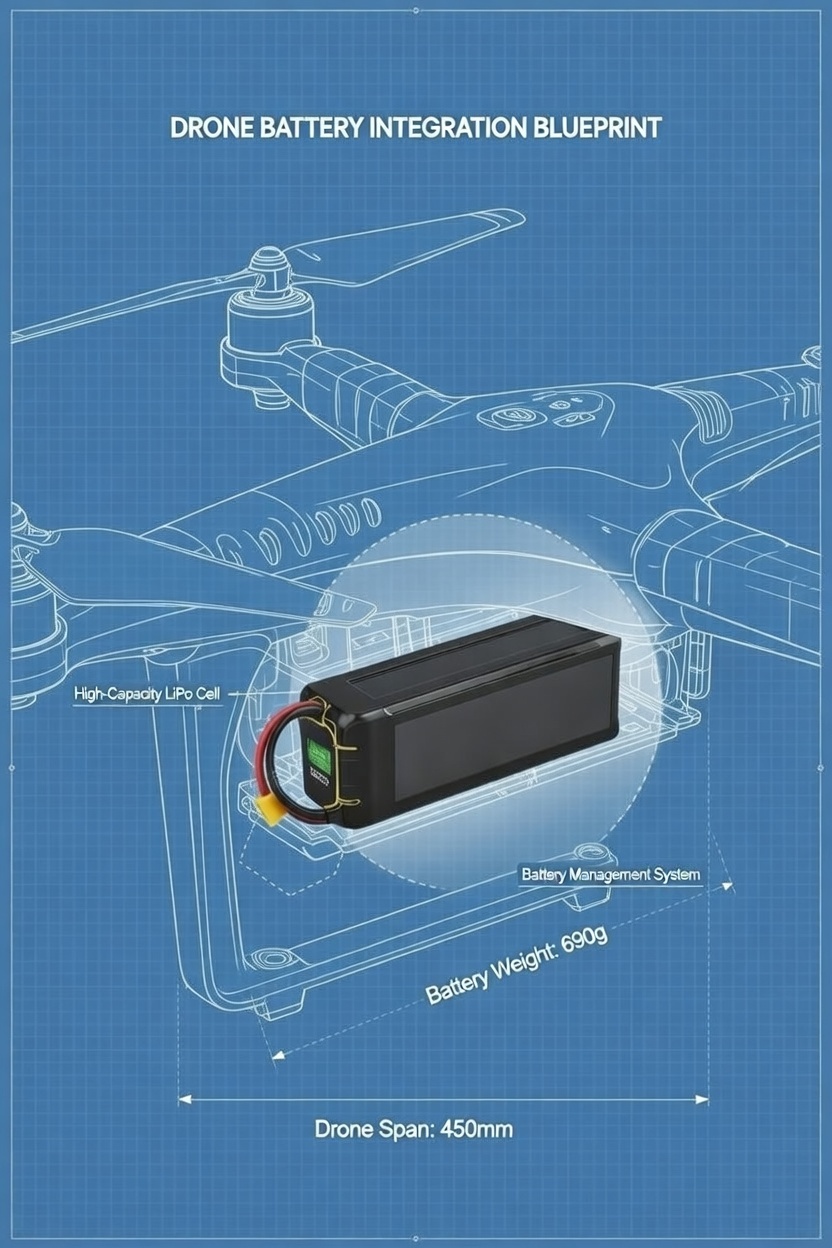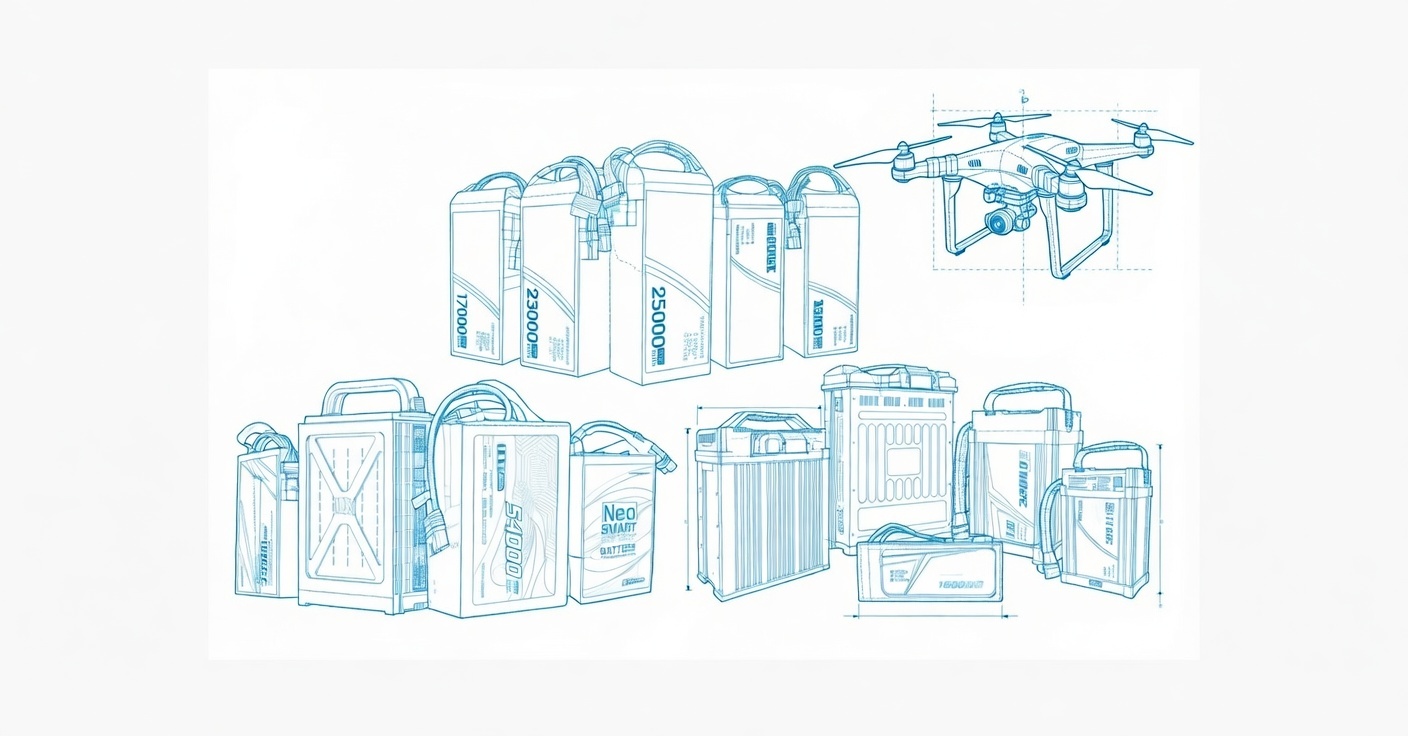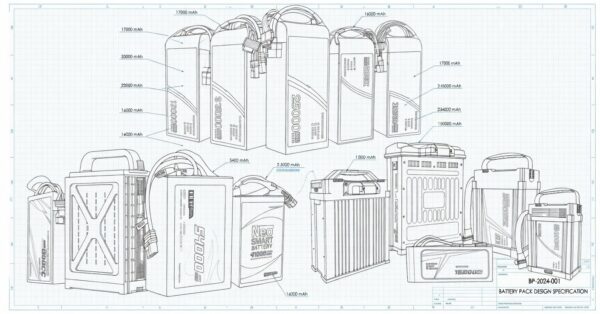
In the rapidly evolving landscape of unmanned aerial vehicles, the margin for error is incredibly slim. For drone manufacturers engaging in bulk procurement, the stakes are even higher. A single incompatibility issue between a drone frame and its power system can lead to catastrophic supply chain delays, inflated costs, and reputational damage. This guide is designed specifically for procurement managers and engineering leads who need to ensure seamless integration before committing to large-scale orders. By understanding and avoiding common pitfalls in technical compatibility, businesses can secure reliable supply chains, reduce warranty claims, and accelerate time-to-market for their commercial drone fleets.
The cost of incompatibility extends far beyond the price of a returned battery. It involves redesigning housing, rewriting firmware, and potentially recalling units from the field. For bulk procurement users, verifying technical compatibility early in the design phase is not just a best practice; it is a financial imperative. This article provides a comprehensive roadmap to navigating these complexities, ensuring that every component in your drone ecosystem works in perfect harmony.
Understanding the Core Pillars of Technical Compatibility
To avoid common mistakes in technical compatibility for drone manufacturers, one must first dissect what compatibility truly entails. It is not merely about whether a battery fits into a slot. It is a multi-layered challenge involving electrical, communication, and mechanical domains.
Electrical Alignment and Voltage Stability
The most critical layer is electrical. Drone battery systems must match the voltage requirements of the flight controller and motors precisely. A common mistake is assuming that a nominal voltage match (e.g., 6S LiPo) is sufficient. In reality, manufacturers must account for voltage sag under load and the specific cutoff thresholds of the electronic speed controllers (ESCs). If the battery’s discharge curve does not align with the drone’s low-voltage alarm settings, the aircraft may crash unexpectedly or fail to utilize the full capacity of the power cell. Furthermore, current delivery capabilities must be verified. A battery with high capacity but low continuous discharge ratings will overheat during aggressive maneuvers, leading to thermal throttling or cell damage.
Communication Protocol Integration
Modern drones rely on smart data exchange between the battery and the flight stack. Protocols such as UART, CAN Bus, SMBus, or I2C are standard for transmitting telemetry data like remaining capacity, cycle count, and cell health. A frequent error in technical compatibility is neglecting the firmware handshake. Even if the physical connector fits, the drone may refuse to arm if it cannot read the battery management system (BMS) data. For drone manufacturers, ensuring that the BMS communication logic matches the flight controller’s expectations is vital for safety features like intelligent return-to-home based on power levels.
Mechanical and Thermal Constraints
Physical form factors often seem straightforward, but vibration damping and thermal dissipation are frequently overlooked. A battery that fits snugly may still fail due to excessive vibration damaging internal solder joints. Additionally, high-drain drones generate significant heat. If the battery casing does not allow for adequate airflow or thermal coupling with the drone’s chassis, performance will degrade over time. Bulk procurement decisions must account for these environmental stressors to ensure long-term reliability in diverse operating conditions.
Step-by-Step Guide to Verifying Compatibility
To systematically avoid common mistakes in technical compatibility for drone manufacturers, follow this five-step verification process before finalizing any purchase order.
Step 1: Define Electrical Specifications Rigorously
Begin by documenting the exact voltage window, maximum continuous current, and peak burst current required by your drone’s power distribution board. Do not rely on nominal values alone. Request detailed discharge curves from the battery supplier. Compare these curves against your motor thrust tests to ensure the battery can sustain peak power demands without voltage dropping below the ESC’s minimum threshold.
Step 2: Validate Communication Handshakes
Obtain sample units and connect them to your flight controller. Use ground control software to monitor telemetry data. Verify that the battery percentage, voltage per cell, and temperature readings are accurate and update in real-time. Test failure states as well; simulate a cell imbalance or over-temperature condition to ensure the drone responds correctly by limiting power or initiating a landing sequence. This step is crucial for technical compatibility in smart drone systems.
Step 3: Conduct Mechanical Fit and Vibration Testing
Install the battery in the drone frame and secure it using the intended mounting mechanism. Subject the assembly to vibration testing that mimics real-world flight conditions. Check for any movement, connector loosening, or casing stress. Ensure that the center of gravity remains within the flight controller’s calibration limits when the battery is installed. For bulk procurement, request tolerance drawings from the manufacturer to ensure consistency across thousands of units.
Step 4: Assess Thermal Performance
Run the drone at maximum load in a controlled environment. Monitor the battery temperature using both internal sensors and external thermal imaging. If the battery exceeds safe operating temperatures, evaluate whether the drone’s design needs modification or if a different battery chemistry or casing design is required. Thermal management is a key component of long-term technical compatibility.
Step 5: Review Certification and Compliance
Ensure the battery cells and packs meet relevant safety standards such as UN38.3 for shipping, CE, or UL certifications. For commercial drone manufacturers, regulatory compliance is non-negotiable. Verify that the supplier’s quality control processes align with your industry requirements to avoid legal or logistical hurdles during distribution.
Comparison Analysis: Compatible vs. Incompatible Systems
Understanding the difference between a well-integrated system and a flawed one can save millions in operational costs. The following analysis highlights the divergences between compatible and incompatible setups.
| Feature | Compatible System | Incompatible System |
|---|---|---|
| Voltage Curve | Matches ESC cutoff precisely; stable under load. | Voltage sags below cutoff during high thrust; causes mid-air shutdowns. |
| Data Telemetry | Real-time, accurate data on GCS; safety features active. | Data missing or erratic; intelligent flight modes disabled. |
| Physical Fit | Secure mounting; vibration dampened; easy swap. | Loose fit; connector strain; difficult to insert/remove. |
| Thermal Mgmt | Heat dissipated efficiently; consistent performance. | Heat buildup leads to throttling; reduced cycle life. |
| Long-Term Cost | Lower warranty claims; higher customer satisfaction. | High return rates; brand damage; redesign costs. |
In a compatible system, the drone battery acts as a seamless extension of the aircraft. The flight controller understands the power source intimately, allowing for optimized flight paths and safety protocols. Conversely, an incompatible system introduces friction at every level. The pilot may experience reduced flight times, unexpected warnings, or physical difficulties during battery swaps. For drone manufacturers, the choice is clear: investing time in verification prevents the exponential costs of field failures.
Consider a scenario where a manufacturer sources a cheaper battery pack that lacks proper vibration isolation. Initially, the cost savings appear significant. However, after six months, warranty claims surge due to internal connection failures caused by motor vibration. The cost of replacing these units, plus shipping and labor, far exceeds the initial savings. This is a classic example of why one must avoid common mistakes in technical compatibility for drone manufacturers.
Frequently Asked Questions (FAQ)
Q1: Can I use a higher capacity battery if the voltage is the same?
A: Generally, yes, but with caveats. While voltage must match, a higher capacity battery often weighs more. You must verify that your drone’s thrust-to-weight ratio can handle the additional mass. Furthermore, ensure the physical dimensions fit within the battery bay without modifying the frame, which could affect aerodynamics or balance.
Q2: What happens if the communication protocol doesn’t match?
A: If the BMS communication protocol (e.g., UART vs. CAN) does not match the flight controller, the drone may treat the battery as “unknown.” This often disables intelligent features like remaining flight time estimation or low-power return-to-home. In some strict configurations, the drone may refuse to arm entirely for safety reasons.
Q3: How do I ensure consistency in bulk procurement orders?
A: Require strict Quality Assurance (QA) documentation from your supplier. Ask for batch testing reports that verify voltage, internal resistance, and capacity for a statistical sample of the production run. Establish a clear acceptance criterion for technical compatibility that every batch must meet before shipment.
Q4: Is it safe to mix battery brands on the same drone fleet?
A: It is not recommended. Different brands may use different cell chemistries or BMS algorithms, leading to inconsistent performance and charging behaviors. For a professional fleet, standardization is key to predictable maintenance and operation.
Q5: How often should compatibility be re-verified?
A: Re-verification is necessary whenever there is a change in the battery supplier, a revision in the drone’s firmware, or a change in the cell manufacturer. Even minor updates can alter how the system interprets power data, potentially reintroducing compatibility issues.
Conclusion and Personalized Consultation
Navigating the complexities of power systems requires precision and expertise. By following the guidelines outlined above, drone manufacturers can significantly reduce risk and enhance the reliability of their products. Remember, the goal is not just to make the drone fly, but to ensure it flies safely, efficiently, and consistently over its entire lifecycle. Avoiding common mistakes in technical compatibility for drone manufacturers is the foundation of building a trusted brand in the competitive UAV market.
If you are planning a bulk procurement project or need assistance verifying the technical compatibility of your current power solutions, our team of experts is ready to assist. We specialize in providing high-performance drone batteries tailored to specific manufacturer requirements, ensuring seamless integration and optimal performance.
For personalized consultation and to discuss your specific technical needs, please contact us directly. We are committed to helping you build safer and more efficient drones.