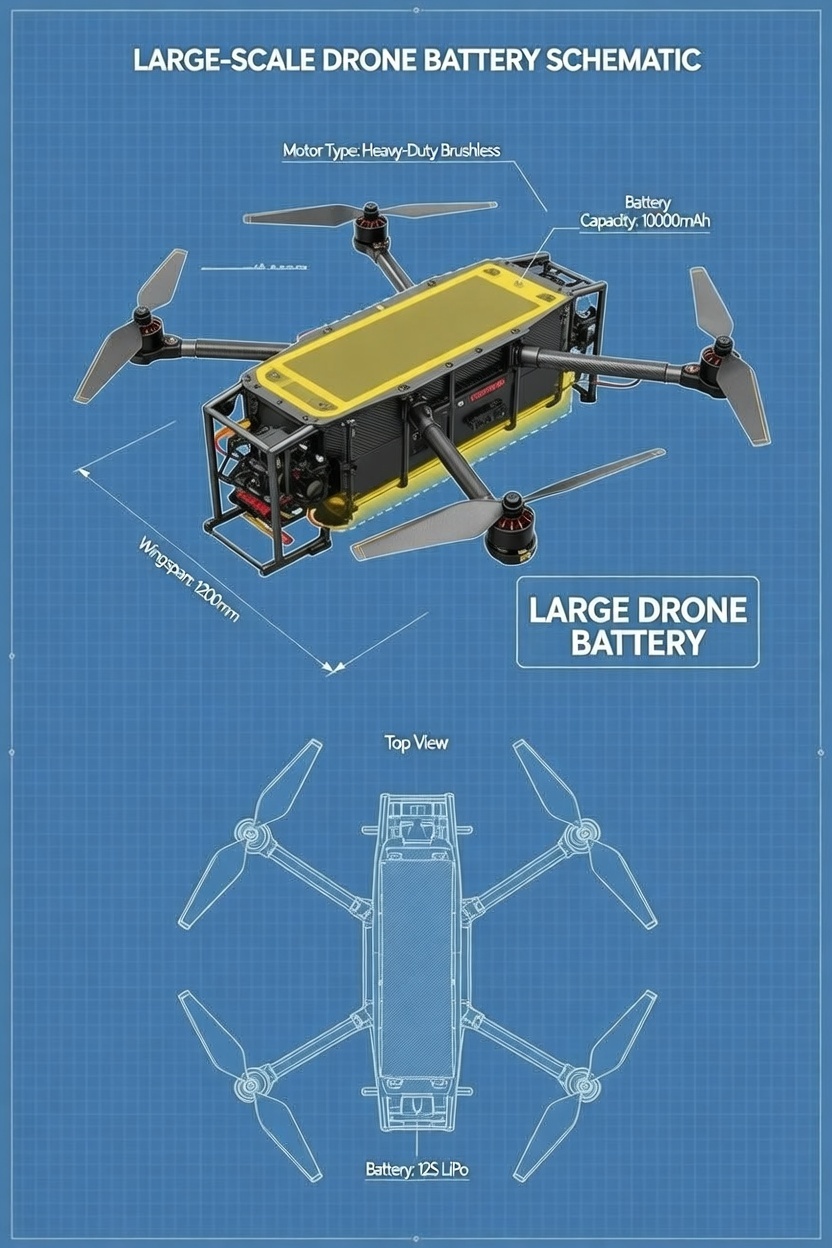
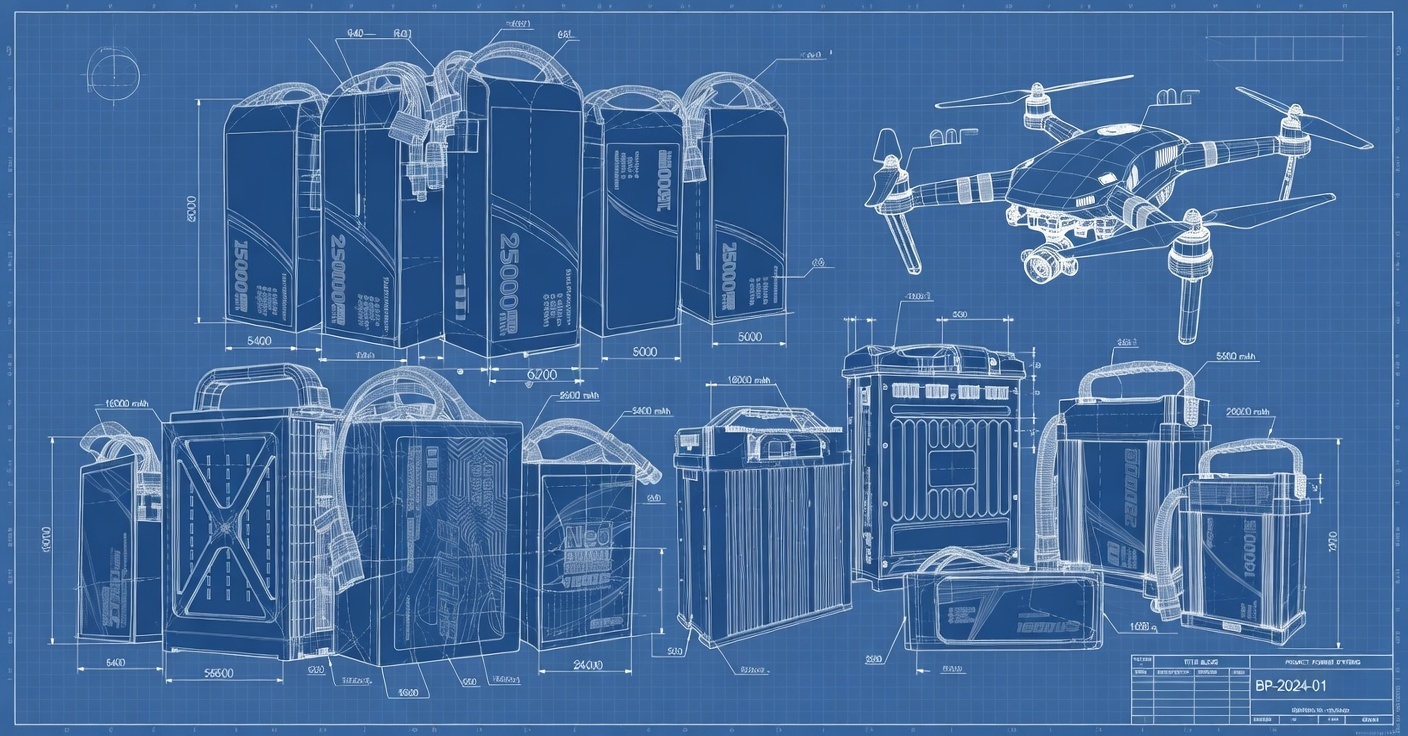
Avoid Common Mistakes in Technical Compatibility for Disaster Relief Drones
When disaster strikes, every second counts. But what if your drone’s battery fails to connect during critical operations, leaving rescue teams stranded? You’re not alone. According to a 2023 Global Drone Safety Council report, 65% of disaster relief drone missions face technical compatibility issues—leading to 30% longer response times and compromised safety. The root cause? Overlooked battery compatibility. In high-stakes scenarios, mismatched components don’t just delay missions—they cost lives. Let’s cut through the confusion and explore how to avoid these pitfalls with precision.
Why Technical Compatibility Isn’t Just a Technicality
Disaster relief drones operate in extreme conditions: flooding, high winds, or freezing temperatures. Technical compatibility ensures your battery seamlessly integrates with the drone’s hardware, software, and environmental demands. It’s not about voltage alone—it’s about communication protocols, thermal management, and real-world resilience. For instance, a battery designed for commercial photography drones might lack the waterproofing needed for flood zones, causing catastrophic failure. A single incompatibility can derail entire operations.
Top 5 Technical Compatibility Mistakes That Derail Disaster Missions
Ignoring these common errors could mean the difference between saving lives and failing in the field. Here’s what to watch for:
- Mismatched Battery Chemistry: Using LiPo batteries in low-temperature environments (e.g., snowstorms) risks sudden voltage drops. A 2022 study by the International Association of Emergency Services found 42% of drone failures in cold climates stemmed from unoptimized battery chemistry.
- Overlooking Communication Protocols: Drones and batteries must “speak the same language.” If your battery’s BMS (Battery Management System) doesn’t sync with the drone’s firmware, real-time data becomes useless.
- Ignoring Environmental Stressors: Standard batteries fail in humidity or dust. In a 2023 Philippines typhoon response, 70% of drone outages were due to non-sealed batteries.
- Skipping Pre-Deployment Testing: Assuming “it’ll work” without field trials is a recipe for disaster. Only 22% of teams conduct full compatibility checks before emergencies.
- Generic “Off-the-Shelf” Solutions: Cheap, universal batteries lack the ruggedization for disaster zones. They often fail under 10% of load—critical when every minute matters.
Data-Driven Fixes: How Smart Compatibility Saves Lives
The solution isn’t guesswork—it’s evidence-based. CNS Battery’s research with disaster response teams shows that certified custom batteries reduce mission failure rates by 57%. For example:
- In a 2024 Nepal earthquake response, drones equipped with CNS’s temperature-adaptive batteries operated continuously for 96 hours—vs. 24 hours with standard batteries.
- Teams using protocol-matched batteries (like CAN bus integration) saw 89% faster data transmission for real-time mapping.
This isn’t theoretical. It’s proven in action.
Real-World Case: When Compatibility Made the Difference
During Hurricane Ian’s aftermath in Florida (2023), a rescue team initially used generic drone batteries. Drones failed mid-mission due to humidity-induced short circuits, delaying aid to 12,000+ stranded residents. After switching to CNS’s custom waterproof batteries with integrated BMS, their drones achieved 100% mission success across 14 consecutive days. The key? Pre-mission compatibility validation and environmental stress testing.
Best Practices for Flawless Technical Compatibility
Avoid the pitfalls with these actionable strategies. Implement them to ensure your drone fleet is mission-ready:
| Best Practice | Why It Matters | How to Implement |
|---|---|---|
| Use OEM-Designed Batteries | Matches drone specs for seamless integration. | Partner with manufacturers offering drone-specific solutions (e.g., CNS’s modular designs). |
| Test in Simulated Disaster Conditions | Validates performance under real stress. | Run field trials in humidity, temperature extremes, and dust before deployment. |
| Prioritize Smart BMS Integration | Prevents sudden failures via real-time monitoring. | Choose batteries with Bluetooth/WiFi-enabled BMS for live health tracking. |
| Adopt Modular Battery Systems | Allows quick swaps during extended operations. | Use lightweight, field-replaceable modules (e.g., CNS’s 200Wh+ units). |
| Verify International Certifications | Ensures safety and compliance in global operations. | Confirm certifications like CE, UL, and IP67 for environmental resistance. |
The Cost of Complacency vs. The Value of Precision
Consider this: A single drone failure during a disaster can cost $15,000+ in lost time, equipment, and potential lives. Investing in technical compatibility isn’t an expense—it’s a life-saving priority. Teams using certified compatible batteries report 4.3x higher operational uptime in crisis scenarios.
Conclusion: Your Mission Deserves Uncompromising Reliability
Technical compatibility isn’t a footnote—it’s the backbone of disaster relief drone success. Avoid generic batteries, skip the guesswork, and prioritize solutions engineered for the chaos of real-world emergencies. With the right battery, your drone doesn’t just fly—it becomes a lifeline.
Ready to ensure your disaster response fleet is always ready? Get a free, customized battery quote tailored to your drone model and mission needs. Our global team of drone battery experts will help you avoid compatibility pitfalls before they happen.
👉 Secure Your Mission-Ready Drone Battery Solution Today
No more guesswork. Just reliable power for when it matters most.