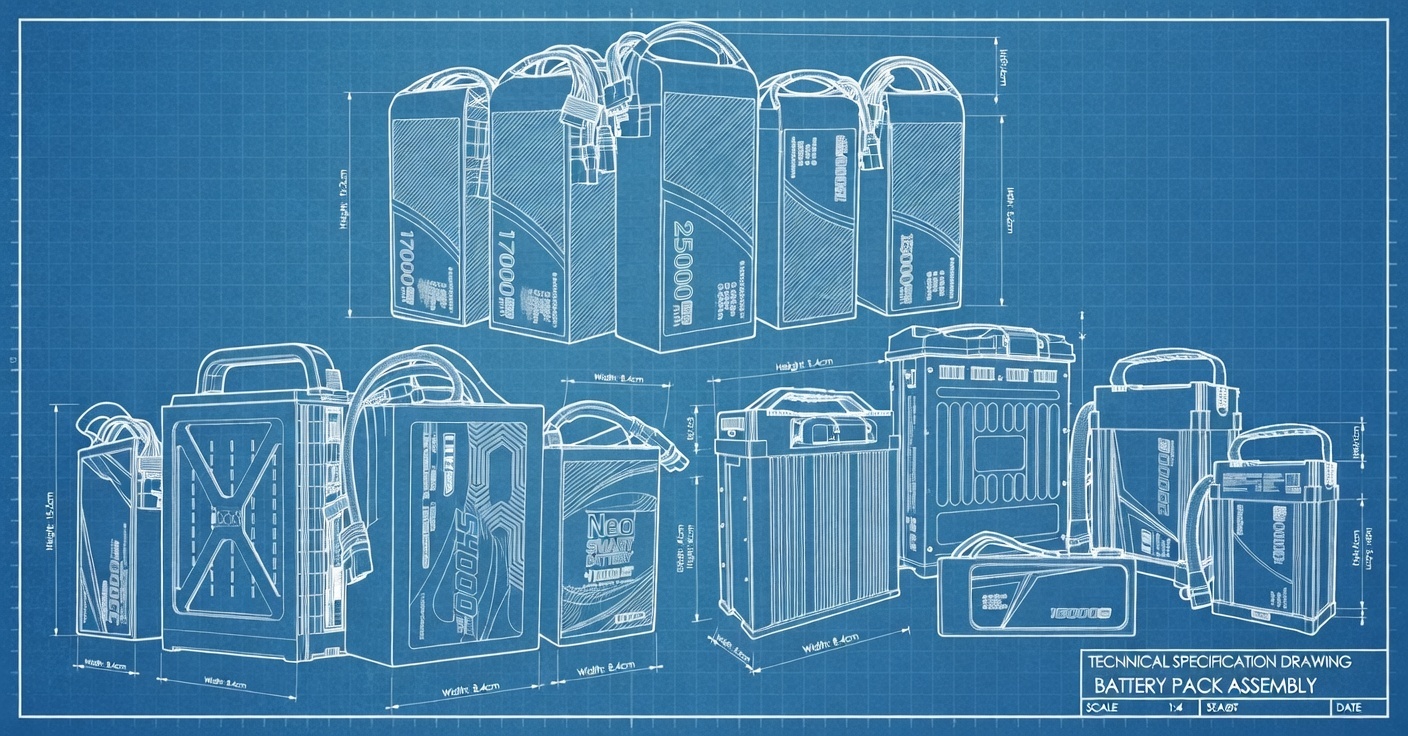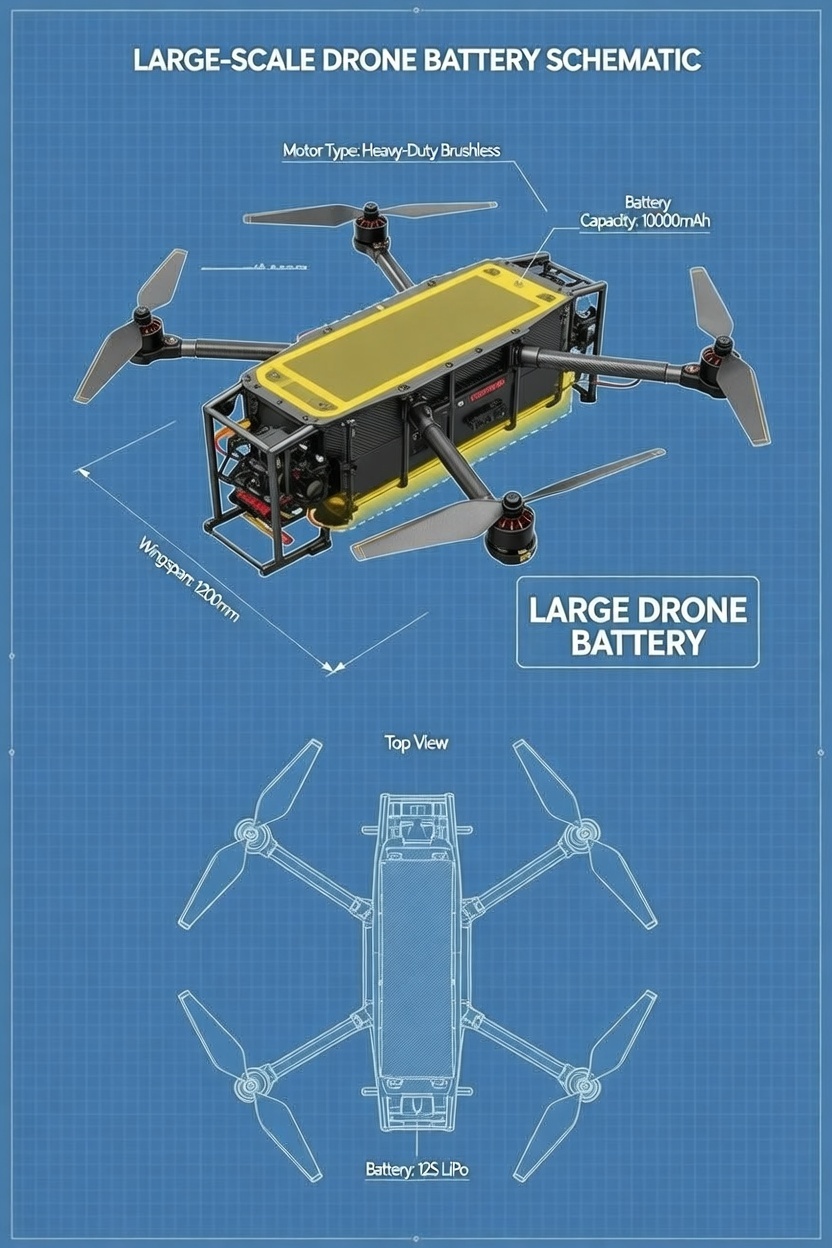
Avoid Common Mistakes in Technical Compatibility for Agriculture Drones
Have you ever watched your agricultural drone suddenly lose power mid-flight, or worse—watched your expensive battery fail after just a few months of use? You’re not alone. According to industry reports from 2025, nearly 40% of agricultural drone operators experience technical compatibility issues that lead to reduced flight time, equipment damage, or complete system failures. The truth is, most of these problems stem from preventable mistakes in battery selection, voltage matching, and charging practices.
In this comprehensive guide, we’ll walk you through the critical compatibility factors that determine whether your agriculture drone soars smoothly or crashes prematurely. Let’s dive into the mistakes you need to avoid—and the solutions that will keep your operations running at peak efficiency.
Understanding the Core Compatibility Challenges
Agricultural drones operate in demanding environments. From extreme temperatures to continuous heavy-load spraying operations, every component must work in perfect harmony. The battery system, in particular, serves as the heart of your drone’s performance. When technical compatibility falls short, the consequences can be costly.
The Voltage Mismatch Problem
One of the most frequent errors operators make is pairing batteries with incompatible voltage specifications. Agricultural drones typically require specific cell configurations—commonly 6S (22.8V nominal) or higher for professional-grade equipment. Using a battery with incorrect voltage can lead to:
- Motor overheating and premature wear
- Flight controller instability during critical operations
- Reduced payload capacity affecting spray coverage
- Complete system shutdown mid-mission
| Battery Specification | Common Mistake | Correct Practice |
|---|---|---|
| Voltage (6S LiPo) | Using 4S or 5S batteries | Match manufacturer’s 6S requirement (22.8V nominal) |
| Capacity | Choosing lowest price over capacity needs | Select 16000mAh+ for extended field operations |
| Discharge Rate (C-Rating) | Ignoring C-rating requirements | Use 15C or higher for agricultural applications |
| Connector Type | Forcing incompatible connectors | Verify XT90 or manufacturer-specified connectors |
Battery Chemistry and Temperature Compatibility
Lithium Polymer (LiPo) batteries dominate the agricultural drone market, but not all LiPo batteries are created equal. Temperature compatibility represents another critical factor often overlooked by operators.
Storage and Operating Temperature Ranges
Professional agricultural drone batteries operate within specific temperature parameters:
- Operating Range: -10°C to 40°C (14°F to 104°F)
- Short-term Storage (under 3 months): -20°C to 45°C
- Long-term Storage (over 3 months): 22°C to 28°C (72°F to 82°F)
When batteries are stored or operated outside these ranges, you risk:
- Permanent capacity loss reducing flight time by up to 30%
- Increased internal resistance causing voltage sag under load
- Safety hazards including swelling or thermal runaway
- Voided warranties from manufacturers
According to 2025 agricultural technology standards, proper temperature management can extend battery lifespan by 50% or more. Yet, field surveys indicate that less than 60% of operators follow recommended storage protocols.
Charging System Compatibility Mistakes
The charging infrastructure you select matters just as much as the battery itself. Incompatible charging systems create bottlenecks that limit operational efficiency and can damage expensive equipment.
Common Charging Errors to Avoid
Mistake #1: Using Generic Chargers
Agricultural drone batteries require specialized charging systems designed for high-capacity LiPo packs. Generic chargers often lack:
- Balance charging capabilities for individual cells
- Proper current regulation for large capacity batteries
- Safety features preventing overcharge conditions
Mistake #2: Ignoring Charge Rate Specifications
Charging too quickly generates excessive heat, degrading battery chemistry. Most agricultural drone batteries should be charged at 1C to 2C rates. For a 16000mAh battery, this means:
- 1C Rate: 16A charging current (approximately 60 minutes)
- 2C Rate: 32A charging current (approximately 30 minutes)
Exceeding manufacturer recommendations can reduce battery cycle life by 40% or more.
Mistake #3: Neglecting Battery Management Systems (BMS)
Modern agricultural drone batteries include sophisticated BMS technology that monitors:
- Individual cell voltage balance
- Temperature during charging and discharge
- Current flow and power delivery
- Cycle count and health status
Bypassing or ignoring BMS warnings leads to premature failures that could have been prevented.
Integration with Drone Control Systems
Technical compatibility extends beyond the battery itself. Your agricultural drone’s control systems must communicate properly with power management components.
Firmware and Software Compatibility
Outdated firmware creates compatibility gaps that manifest as:
- Inaccurate battery level readings causing unexpected landings
- Flight restriction errors preventing normal operations
- Communication failures between remote controller and aircraft
- Safety system malfunctions during emergency situations
Industry data from 2025 shows that 25% of reported drone failures stem from firmware incompatibility issues. Regular updates ensure your drone’s software recognizes battery specifications correctly and manages power distribution efficiently.
Payload and Power Distribution
Agricultural drones carry significant payloads—spray tanks, seed dispensers, or multispectral cameras. Each addition affects power requirements:
| Payload Type | Additional Power Draw | Battery Capacity Recommendation |
|---|---|---|
| Spray System (10L) | +15-20% | 16000mAh minimum |
| Spray System (20L+) | +30-40% | 20000mAh+ recommended |
| Multispectral Camera | +10-15% | 16000mAh with reserve |
| Combined Operations | +40-50% | Dual battery systems |
Underestimating power requirements leads to shortened flight times and incomplete field coverage—directly impacting your operational profitability.
Maintenance Practices That Prevent Compatibility Issues
Preventive maintenance serves as your first line of defense against technical compatibility failures. Implementing systematic care protocols protects your investment and ensures consistent performance.
Essential Maintenance Checklist
Weekly Inspections:
- ✓ Check battery connector condition for wear or corrosion
- ✓ Verify cell voltage balance (should be within 0.05V per cell)
- ✓ Inspect battery casing for swelling or damage
- ✓ Clean charging ports and connections
Monthly Procedures:
- ✓ Perform capacity testing to detect degradation
- ✓ Update drone and battery firmware to latest versions
- ✓ Calibrate battery management system readings
- ✓ Review flight logs for power consumption anomalies
Seasonal Storage:
- ✓ Discharge batteries to 50-60% before long-term storage
- ✓ Store in climate-controlled environment (22-28°C)
- ✓ Check and recharge every 3 months during storage
- ✓ Document battery health metrics for warranty purposes
Following these practices can double or triple your battery’s operational lifespan, according to 2025 industry maintenance studies.
The Cost of Compatibility Mistakes
Let’s talk numbers. Technical compatibility errors cost agricultural drone operators significantly more than proper equipment selection:
- Premature Battery Replacement: $800-$2,000 per battery pack
- Downtime During Critical Seasons: $500-$2,000 per day in lost operations
- Equipment Damage from Power Issues: $3,000-$15,000 in repairs
- Reduced Coverage Efficiency: 15-30% less area treated per day
Investing in compatible, high-quality battery systems pays for itself within a single operating season through improved reliability and reduced replacement costs.
Making the Right Compatibility Choices
Selecting the right battery system for your agricultural drone requires careful consideration of multiple factors:
- Match Manufacturer Specifications – Never compromise on voltage, capacity, or connector requirements
- Consider Operating Environment – Choose batteries rated for your climate conditions
- Plan for Payload Requirements – Account for all equipment power draws
- Invest in Quality Charging Infrastructure – Use chargers designed for your battery type
- Implement Maintenance Protocols – Regular care prevents most compatibility issues
- Stay Updated on Firmware – Software compatibility matters as much as hardware
Your Path Forward
Technical compatibility doesn’t have to be complicated. By understanding these common mistakes and implementing the solutions outlined above, you can maximize your agricultural drone’s performance while minimizing costly downtime and replacements.
The difference between frustrating failures and seamless operations often comes down to attention to detail in battery selection, charging practices, and maintenance routines. Your drone is an investment in your farm’s future—protect it with compatible, high-quality power systems.
Ready to Optimize Your Agricultural Drone Performance?
Don’t let compatibility mistakes cost you another season of reduced productivity. Our team specializes in industrial drone battery solutions designed specifically for agricultural applications.
Contact Our Experts Today for personalized compatibility assessments and battery recommendations tailored to your specific drone model and operational needs.
Explore More Resources:
- Visit Our Homepage for complete product offerings
- Check Industrial Drone Battery Specifications to find the perfect match for your equipment
- Learn Battery Maintenance Best Practices to extend your battery lifespan and performance
Your agricultural drone deserves power systems that work as hard as you do. Make compatibility your priority—and watch your operations reach new heights.