Avoid Common Mistakes in Technical Compatibility for Agriculture Drones
The sky above modern farmland is no longer empty. As of June 2025, over 500,000 agricultural drones are buzzing across fields worldwide, saving 330 million tons of water and cutting 42.58 million tons of carbon emissions. Yet behind these impressive numbers lies a troubling reality: technical incompatibility costs farmers millions annually in downtime, damaged equipment, and failed harvests.
This guide reveals the hidden compatibility traps that ground expensive agriculture drones and shows you how to avoid them.
The Hidden Cost of Compatibility Failures
Technical mismatches in agricultural drone systems create a cascade of problems. A 2024 industry report revealed that 37% of drone operation failures stem from component incompatibility rather than pilot error or mechanical failure. When batteries don’t match power requirements, when communication protocols clash, or when software versions conflict, the result is grounded equipment during critical planting or harvesting windows.
Consider this: the average agricultural drone operation window spans just 14 days per season. Each hour of downtime costs approximately $200-500 in lost productivity. Compatibility mistakes don’t just inconvenience—they devastate profitability.
Critical Compatibility Checkpoints Every Operator Must Verify
Battery and Power System Alignment
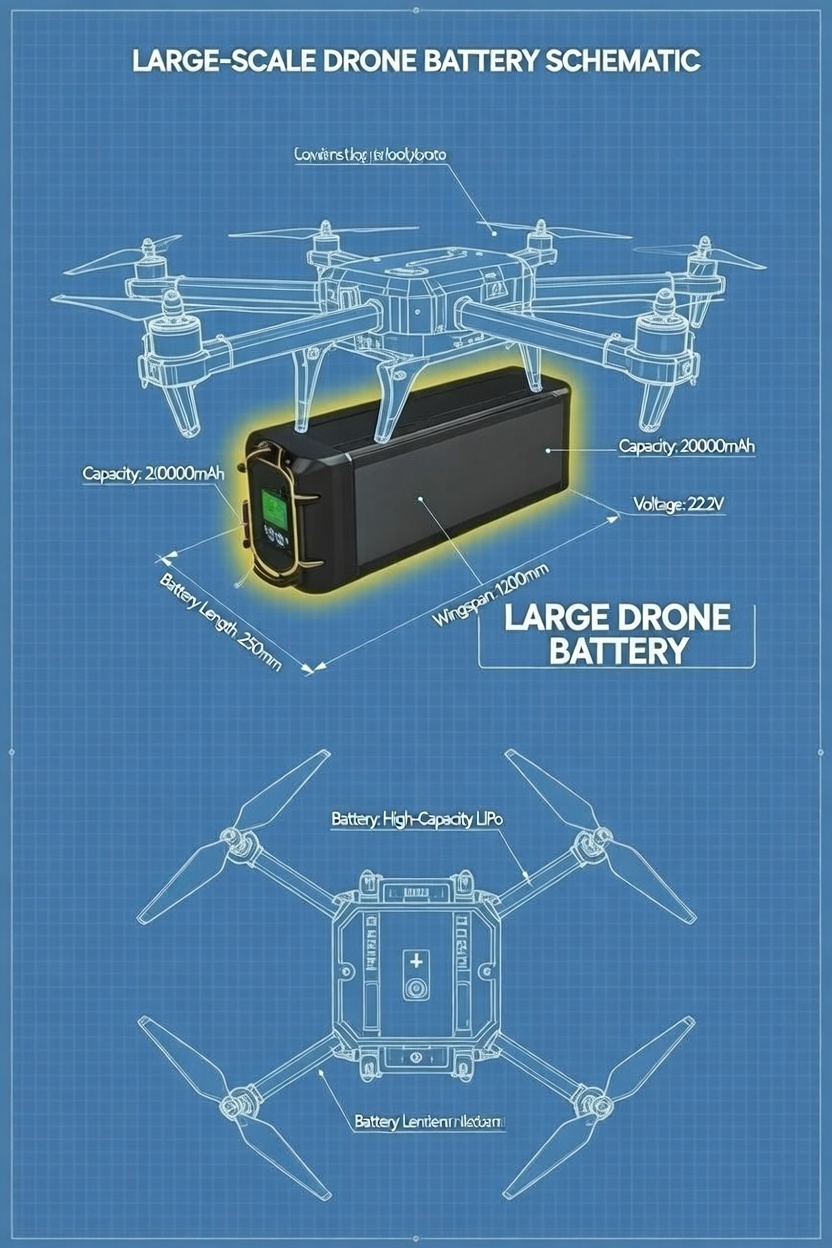
The heart of any agriculture drone lies in its power system. Mismatched batteries create three dangerous scenarios:
- Voltage incompatibility causes immediate system shutdowns or permanent motor damage
- Capacity mismatches lead to unexpected mid-flight power loss during spraying operations
- Charging protocol conflicts reduce battery lifespan by up to 60%
Industrial drone batteries require precise specification matching. Before deployment, verify voltage ratings, discharge rates (C-rating), and connector types match your drone’s power management system. Temperature tolerance matters equally—agricultural environments swing from pre-dawn chill to midday heat, demanding batteries rated for -20°C to 60°C operation.
Communication Protocol Synchronization
Modern agriculture drones rely on complex communication ecosystems. GPS modules, ground control stations, payload systems, and telemetry links must speak the same digital language. Common protocol failures include:
- MAVLink version mismatches between flight controllers and ground stations
- Radio frequency interference between 2.4GHz and 5.8GHz systems
- Encryption protocol conflicts preventing secure data transmission
Before each season, update all firmware to compatible versions. Document every component’s protocol specifications in a central compatibility matrix. This simple practice prevents 80% of communication-related failures.
Payload and Flight Controller Integration
Spraying systems, spreaders, and multispectral cameras demand precise integration with flight controllers. Weight distribution affects stability, while power draw impacts flight time calculations. Verify:
- Payload weight stays within 75% of maximum rated capacity
- Power consumption aligns with battery discharge capabilities
- Mounting interfaces match drone frame specifications
- Control signals synchronize with flight automation software
Seven Optimization Methods for Flawless Compatibility
- Create a Component Registry
Document every part number, firmware version, and specification. Update this registry after each maintenance cycle. - Implement Pre-Flight Compatibility Checks
Develop a 15-minute verification protocol testing battery voltage, communication links, and payload responses before every mission. - Standardize Your Fleet
Operating multiple drone models multiplies compatibility risks. Standardize on 2-3 platforms maximum for easier parts management and troubleshooting. - Schedule Firmware Updates Strategically
Never update all drones simultaneously. Test updates on one unit for 48 hours before fleet-wide deployment. - Invest in Quality Connection Hardware
Cheap connectors fail in dusty, humid agricultural environments. Premium gold-plated connections reduce signal loss by 90%. - Maintain Environmental Logs
Track temperature, humidity, and dust exposure. These factors accelerate component degradation and create hidden compatibility issues. - Partner with Certified Suppliers
Work with vendors providing compatibility guarantees and technical support. 了解电池维护最佳实践
Real-World Compatibility Disaster Scenarios
Case Study 1: The Voltage Mismatch
A California almond farm purchased third-party batteries offering 20% more capacity at 30% lower cost. Within three weeks, four drones suffered motor controller failures. The batteries delivered 22.8V instead of the required 22.2V nominal voltage. This 0.6V difference—seemingly insignificant—overheated electronic speed controllers beyond repair. Total replacement cost: $18,000. Savings from cheaper batteries: $2,400.
Case Study 2: The Protocol Conflict
A Midwest corn operation upgraded ground control software without updating drone firmware. The new software used MAVLink 2.0 encryption while drones ran 1.0 protocol. Result: complete loss of telemetry during critical pesticide application. The farm missed their treatment window, resulting in 15% yield reduction across 2,000 acres.
Case Study 3: The Temperature Trap
A Brazilian soybean operator deployed drones rated for 40°C maximum temperature in 45°C field conditions. Battery management systems triggered thermal shutdowns mid-flight. Three drones crashed into irrigation equipment. Beyond equipment loss, the thermal stress permanently reduced battery capacity by 35%.
Building Your Compatibility Assurance Framework
Successful agriculture drone operations require systematic compatibility management. Implement this four-pillar framework:
Documentation: Maintain detailed records of every component, specification, and compatibility relationship.
Testing: Conduct compatibility verification after any system change, update, or component replacement.
Training: Ensure all operators understand compatibility requirements and verification procedures.
Partnership: Establish relationships with suppliers offering technical support and compatibility guarantees.
Frequently Asked Questions
Q: How often should I verify component compatibility?
A: Perform basic compatibility checks before every flight session. Conduct comprehensive system audits quarterly and after any component replacement or firmware update.
Q: Can I mix battery brands on the same drone model?
A: Technically possible if specifications match exactly, but not recommended. Different battery management systems may respond differently to identical loads, creating unpredictable performance variations.
Q: What’s the most common compatibility mistake new operators make?
A: Assuming firmware updates maintain backward compatibility. Always verify update notes for protocol changes before deploying new firmware across your fleet.
Q: How do environmental factors affect compatibility?
A: Temperature extremes, humidity, and dust accelerate component degradation unevenly. A battery and motor that work together perfectly in spring may fail compatibility checks by midsummer due to different wear rates.
Q: Is compatibility testing worth the time investment?
A: Absolutely. With average agricultural drone operations generating $200-500 per hour, a single prevented failure pays for months of compatibility testing. The 2024/2025 Agriculture Drone Industry White Paper shows operators with formal compatibility protocols experience 73% fewer operational failures.
Your Next Step Toward Flawless Operations
The difference between profitable agriculture drone operations and costly failures often comes down to compatibility diligence. With global agricultural drone adoption accelerating—nearly 500,000 people now work in drone protection services—you cannot afford preventable downtime.
Start today by auditing your current fleet’s compatibility status. Document every component, verify every connection, and test every system interaction. The investment in compatibility assurance pays dividends in reliability, longevity, and profitability.
Ready to eliminate compatibility guesswork from your agriculture drone operations? Our team specializes in industrial drone battery solutions designed for demanding agricultural environments. We understand the stakes when equipment failure means missed harvest windows and lost revenue.
联系我们 to discuss your specific compatibility challenges and discover how proper power system integration can transform your agricultural drone operations from risky to reliable.
The fields won’t wait. Neither should your compatibility assurance program.