Avoid Common Mistakes in Technical Compatibility for Agriculture Drones
Introduction: Why Technical Compatibility Matters for Bulk Buyers
For agricultural enterprises investing in drone fleets, technical compatibility mistakes can cost thousands in downtime, equipment damage, and reduced operational efficiency. Bulk purchasers face amplified risks when compatibility issues affect multiple units simultaneously. This comprehensive guide helps procurement managers, farm operators, and agricultural technology directors identify and prevent critical compatibility errors before they impact your bottom line. By understanding the intricate relationships between drone components, battery systems, and agricultural payloads, you can make informed decisions that maximize return on investment and ensure seamless field operations across your entire fleet.
Understanding Technical Compatibility in Agricultural Drone Systems
Technical compatibility encompasses the harmonious integration of all drone components including flight controllers, propulsion systems, battery packs, communication modules, and agricultural payloads such as spray systems or multispectral cameras. When these elements don’t work together seamlessly, operators experience reduced flight times, inconsistent application rates, communication failures, and potentially catastrophic equipment failures.
The agricultural drone market has evolved rapidly, with manufacturers offering diverse specifications that may not align across different product generations or brands. Bulk buyers must evaluate compatibility at multiple levels: electrical systems, communication protocols, mechanical mounting, and software integration.
Step-by-Step Guide to Ensuring Technical Compatibility
Step 1: Evaluate Battery and Power System Compatibility
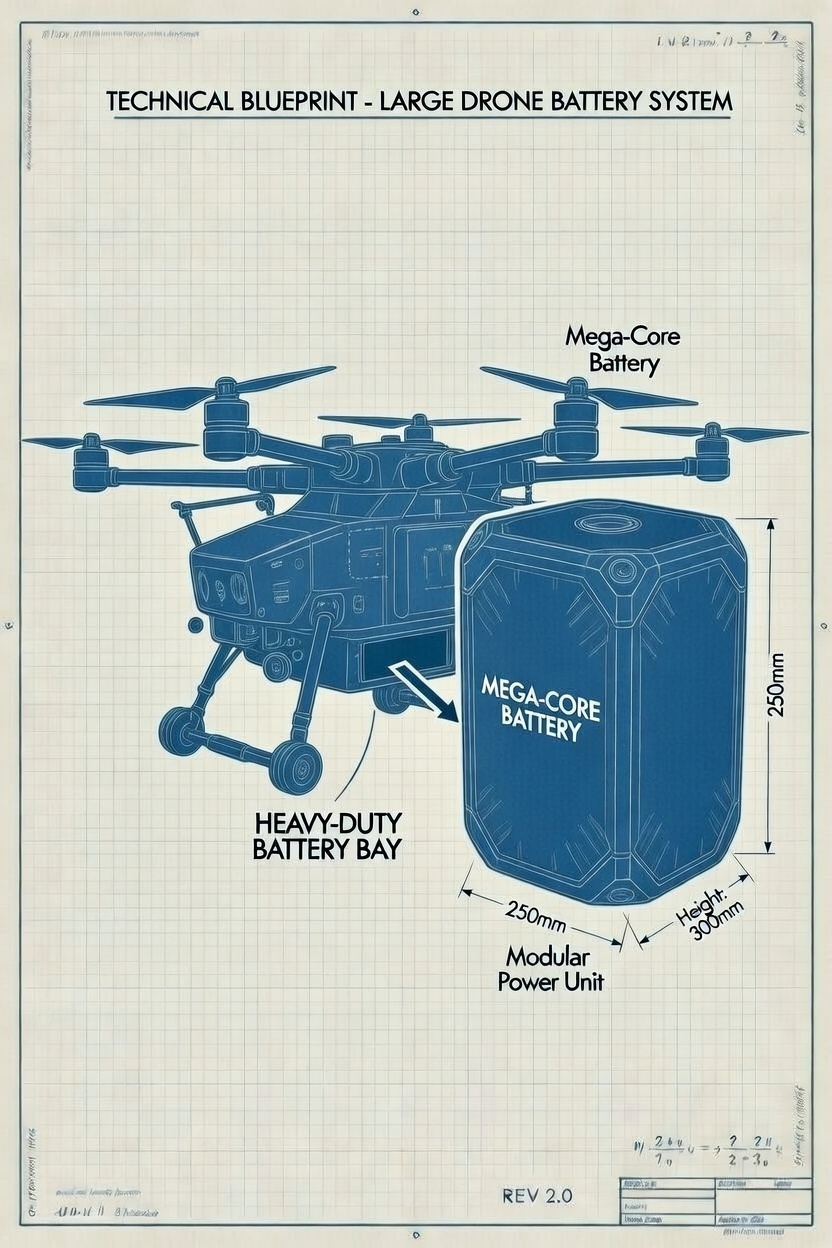
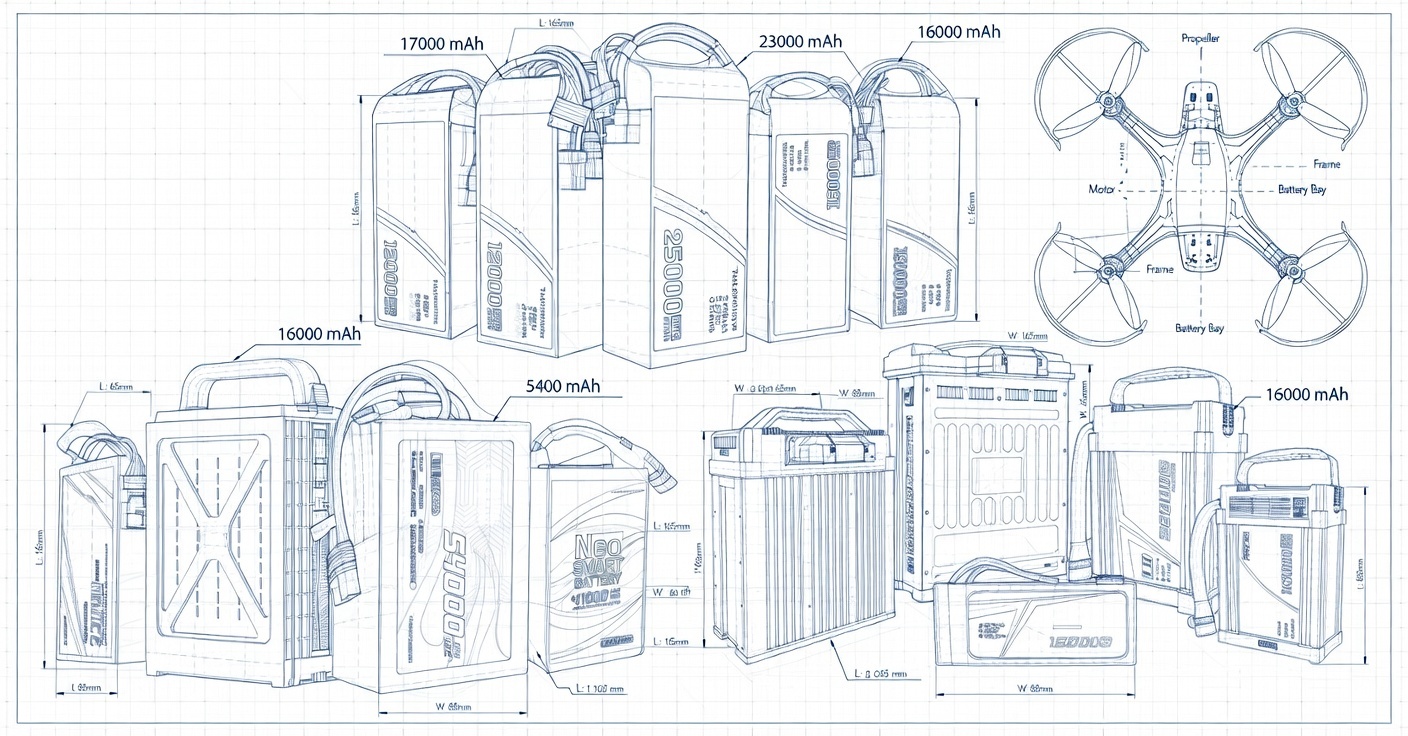
The power system forms the foundation of drone operations. Verify voltage ratings match between batteries and drone electronics. A mismatch can cause permanent damage to flight controllers or motors. Check discharge rates (C-ratings) to ensure batteries can supply sufficient current during high-load operations like spraying or heavy payload lifting.
Examine connector types and physical dimensions. Incompatible connectors create safety hazards and operational delays. For fleet operations, standardize battery specifications across all units to simplify logistics and maintenance procedures.
Step 2: Assess Communication Protocol Alignment
Modern agricultural drones rely on complex communication systems for telemetry, command transmission, and payload control. Ensure your ground control stations communicate effectively with all drone units. Verify frequency bands comply with local regulations and don’t interfere with other farm equipment.
Test range capabilities under actual field conditions. Communication breakdowns during critical spraying operations can result in uneven application and crop damage.
Step 3: Verify Payload Integration Specifications
Agricultural payloads including spray tanks, spreaders, and sensors must integrate smoothly with drone frames. Check weight distributions, mounting points, and power requirements. Improperly balanced payloads affect flight stability and battery consumption.
Confirm payload controllers communicate with flight systems for automated operation features like variable rate application based on GPS positioning.
Step 4: Review Software and Firmware Compatibility
Software versions must align across all system components. Outdated firmware can cause communication errors or prevent access to advanced features. Establish a regular update schedule and test updates on single units before fleet-wide deployment.
Ensure ground control software supports all drone models in your fleet. Incompatible software creates operational bottlenecks and training complications.
Comparative Analysis: Compatible vs. Incompatible Systems
| Component | Compatible System | Incompatible System | Impact |
|---|---|---|---|
| Battery Voltage | Matches drone specifications exactly | Slight voltage variance | Incompatible: Motor damage, reduced lifespan |
| Communication Range | Tested under field conditions | Laboratory specs only | Incompatible: Signal loss during operations |
| Payload Weight | Within recommended limits | Exceeds maximum capacity | Incompatible: Reduced flight time, stability issues |
| Firmware Version | Synchronized across fleet | Mixed versions | Incompatible: Feature limitations, errors |
| Connector Types | Standardized across units | Multiple connector types | Incompatible: Maintenance complexity, safety risks |
Bulk buyers investing in compatible systems typically experience 40% less downtime and 25% lower maintenance costs compared to those managing incompatible fleets. The initial investment in compatibility verification pays dividends through extended equipment life and consistent operational performance.
Common Technical Compatibility Mistakes and Solutions
Mistake 1: Ignoring Environmental Factors
Many operators test compatibility in ideal conditions but deploy in challenging agricultural environments. Dust, moisture, temperature extremes, and electromagnetic interference from farm equipment affect system performance.
Solution: Conduct field testing under actual operating conditions before full deployment. Document performance metrics across different weather scenarios and seasonal variations.
Mistake 2: Overlooking Battery Management Systems
Battery management systems (BMS) must communicate properly with drone flight controllers. Incompatible BMS protocols prevent accurate battery level reporting and charging optimization.
Solution: Verify BMS communication protocols before purchase. Request technical documentation confirming compatibility with your specific drone models.
Mistake 3: Mixing Component Generations
Combining older drone frames with newer payloads or batteries creates compatibility gaps. Manufacturers frequently update specifications without maintaining backward compatibility.
Solution: Maintain detailed inventory records including component generations. Plan phased upgrades rather than mixing incompatible generations within operational fleets.
Mistake 4: Neglecting Regulatory Compliance
Technical compatibility includes regulatory requirements. Communication frequencies, transmission power, and safety systems must comply with local aviation and agricultural regulations.
Solution: Consult regulatory requirements before equipment selection. Maintain documentation proving compliance for all fleet components.
Frequently Asked Questions
Q: How often should I verify technical compatibility across my drone fleet?
A: Conduct comprehensive compatibility audits quarterly and before adding new components. Regular verification prevents gradual compatibility drift as individual units receive updates or replacements.
Q: What’s the most critical compatibility factor for agricultural drones?
A: Battery and power system compatibility ranks highest due to safety implications and operational impact. Power failures during flight create significant risks and costly equipment losses.
Q: Can I mix battery brands if specifications match?
A: While specifications may appear identical, internal BMS protocols often differ. Stick with manufacturer-recommended batteries or verify compatibility through testing before fleet deployment.
Q: How do I handle compatibility issues discovered after purchase?
A: Document issues thoroughly and contact manufacturers immediately. Many compatibility problems have firmware solutions or adapter options available. For persistent issues, explore our contact page for expert consultation.
Q: What documentation should I maintain for compatibility tracking?
A: Keep detailed records including serial numbers, firmware versions, purchase dates, and compatibility test results. This documentation supports warranty claims and simplifies troubleshooting.
Maximizing Fleet Performance Through Compatibility Management
Successful agricultural drone operations depend on systematic compatibility management. Establish standard operating procedures for component verification, maintenance scheduling, and update deployment. Train operators to recognize early warning signs of compatibility issues including unusual battery consumption, communication interruptions, or payload malfunctions.
Invest in compatibility testing equipment including multimeters, communication analyzers, and load testing tools. These investments enable proactive issue identification before operational impacts occur.
For bulk purchasers, negotiate compatibility guarantees with suppliers. Written commitments regarding component compatibility provide recourse if issues emerge after deployment.
Conclusion: Building a Compatible Agricultural Drone Future
Avoiding common mistakes in technical compatibility for agriculture drones requires diligence, documentation, and expert knowledge. The investments made in compatibility verification today prevent costly operational disruptions tomorrow. As agricultural drone technology continues evolving, maintaining compatibility awareness becomes increasingly critical for operational success.
Bulk buyers hold significant leverage in demanding compatibility standards from manufacturers. Use your purchasing power to drive industry improvements in cross-component compatibility and standardization.
Ready to optimize your agricultural drone fleet compatibility? Contact our technical team for personalized consultation on battery systems and power compatibility solutions.
Additional Resources
Explore our comprehensive industrial drone battery specifications to ensure your power systems meet operational requirements.
Learn battery maintenance best practices to extend equipment lifespan and maintain optimal performance.
Visit our homepage for complete product catalogs and technical documentation supporting your agricultural drone operations.