Avoid Common Mistakes in Technical Compatibility for Agriculture Drones
The sun rises over endless rows of corn in Iowa, and a farmer watches anxiously as his agricultural drone hovers above the field. Suddenly, it descends unexpectedly—not due to pilot error, but because of a battery communication protocol mismatch. This scenario plays out more often than you might think. In 2025, the FAA reported that nearly 37% of agricultural drone downtime stems from technical compatibility issues rather than mechanical failures. For farming operations where timing means everything, these mistakes can cost thousands in lost productivity and damaged crops.
Agricultural drones have revolutionized modern farming, enabling precision spraying, crop monitoring, and field mapping with unprecedented efficiency. However, the complex ecosystem of components—from batteries and flight controllers to communication systems and payload sensors—creates numerous opportunities for compatibility errors. Understanding and avoiding these pitfalls is essential for maximizing your drone’s performance and protecting your investment.
Understanding Technical Compatibility in Agricultural Drone Systems
Technical compatibility refers to the seamless integration of all drone components working together as intended. When components don’t communicate properly, the entire system suffers. The Agricultural Drone Association emphasizes that compatibility issues rank among the top three causes of operational failures in commercial farming无人机 operations.
The Three Pillars of Drone Compatibility
Electrical Compatibility ensures that voltage, current, and power delivery match across all components. A battery delivering 22.2V to a system designed for 25.2V creates performance degradation and potential safety hazards.
Communication Protocol Compatibility governs how components exchange data. Different manufacturers use varying protocols—CAN bus, UART, PWM, or proprietary systems—that must align for proper functionality.
Physical Compatibility involves connector types, mounting systems, and dimensional constraints that affect component integration.
Critical Mistakes That Compromise Drone Performance
Battery Voltage and Communication Mismatches
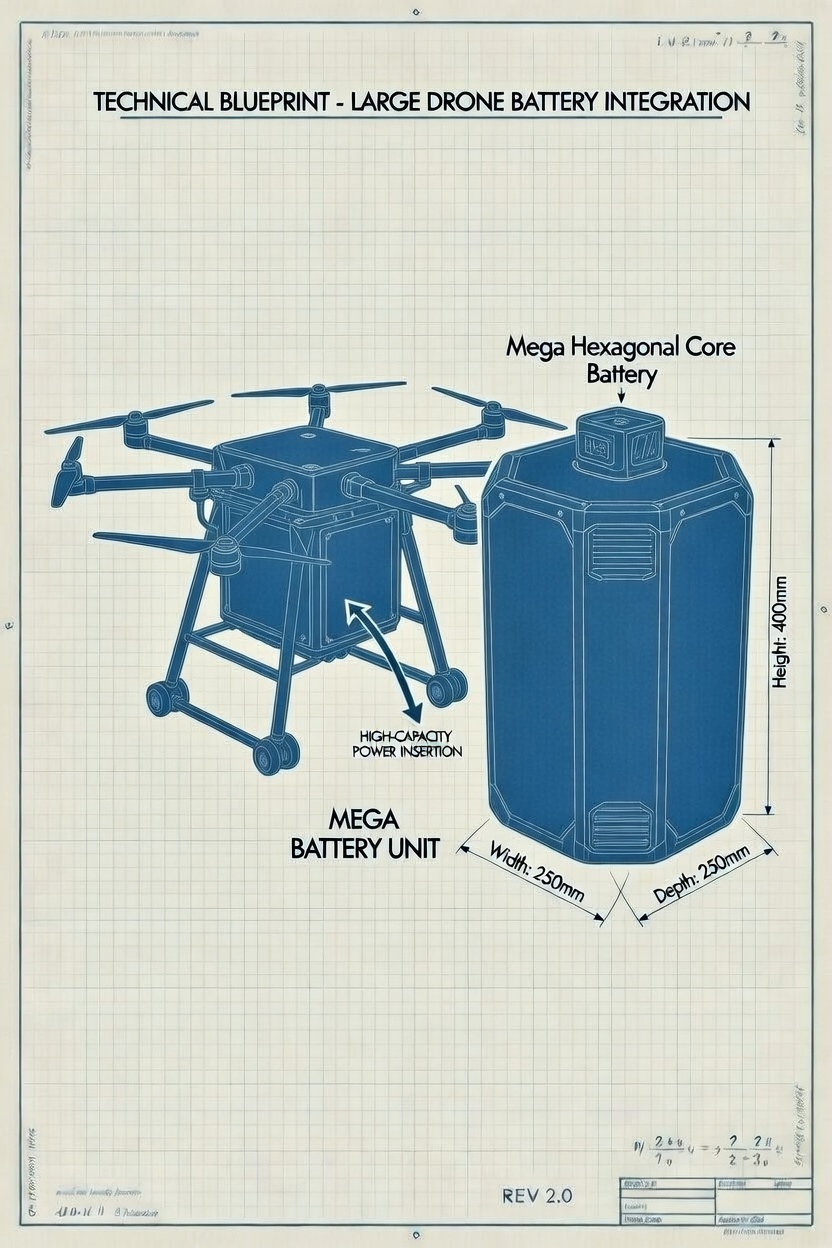
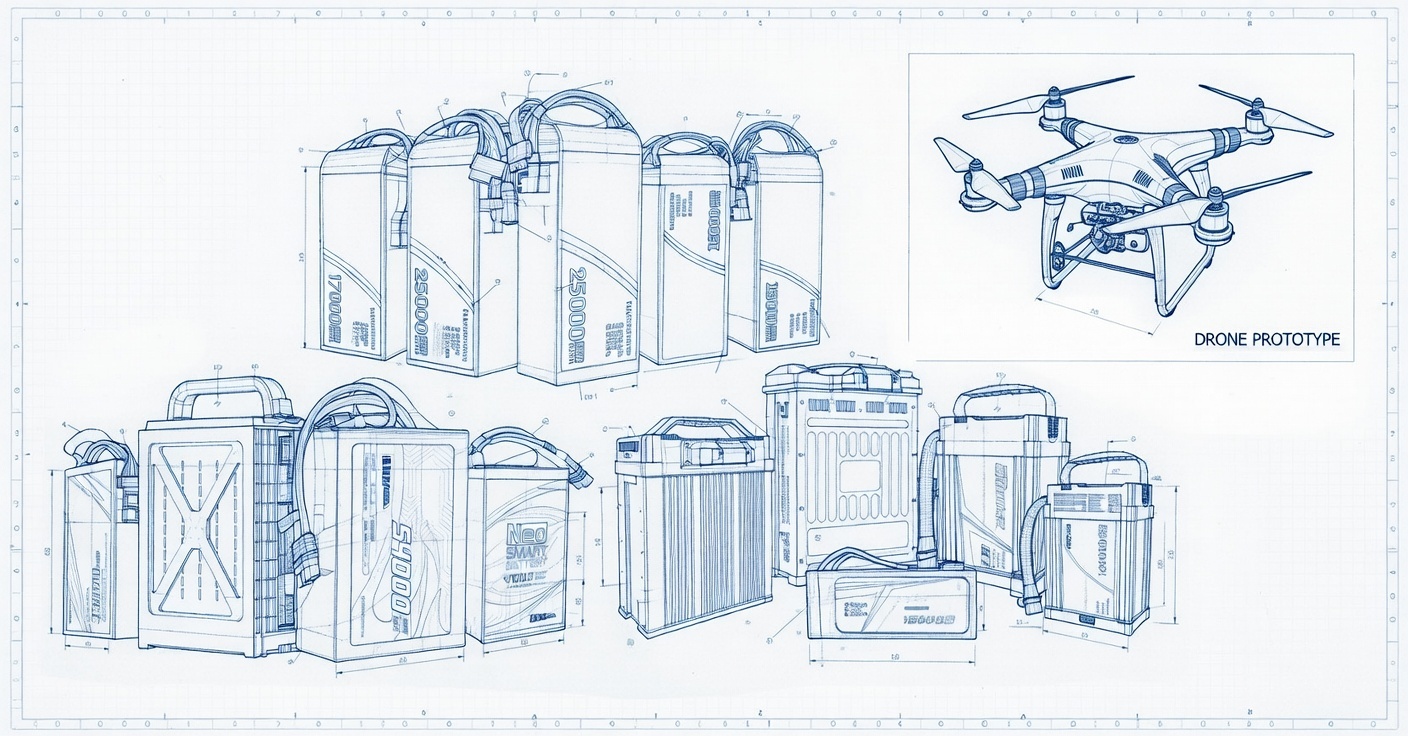
One of the most prevalent errors involves battery selection without verifying communication protocols. Many agricultural drone operators assume that matching voltage is sufficient, overlooking the critical role of Battery Management System (BMS) communication.
Common Battery Compatibility Errors:
- Selecting batteries without verifying BMS protocol compatibility with the flight controller
- Ignoring temperature monitoring requirements in extreme field conditions
- Overlooking discharge rate (C-rating) specifications for high-power spraying operations
- Mixing battery chemistries or generations within the same fleet
A case study from Nebraska illustrates this perfectly. A large-scale farming operation purchased third-party batteries to reduce costs, saving $3,000 initially. However, incompatible BMS communication caused premature battery shutdowns during critical spraying windows. The resulting downtime and crop damage exceeded $18,000 in losses—six times the initial savings.
According to battery industry standards, agricultural drone batteries must maintain consistent communication throughout the discharge cycle. The International Electrotechnical Commission (IEC) specifies that battery management systems should provide real-time data on cell voltage, temperature, and state of charge to ensure safe operation.
Flight Controller and Sensor Integration Errors
Modern agricultural drones rely on sophisticated sensor arrays for precision operations. RTK-GPS systems, LiDAR sensors, and multispectral cameras must integrate flawlessly with the flight controller.
Integration Mistakes to Avoid:
- Firmware Version Mismatches – Running incompatible firmware versions across components creates communication gaps
- Sampling Rate Conflicts – Sensors operating at different frequencies can cause data synchronization issues
- Power Distribution Problems – Inadequate power delivery to sensors causes intermittent failures
- Calibration Oversights – Skipping proper sensor calibration after component changes
Drone technology expert Dr. Sarah Mitchell from the Agricultural Aviation Association notes, “We’ve seen cases where farmers upgraded their RTK systems without updating flight controller firmware. The result? Positioning accuracy dropped from 2cm to over 15cm, completely undermining precision agriculture benefits.”
Communication Protocol Conflicts
Different manufacturers implement communication protocols differently, creating potential conflicts when mixing components. The two primary protocols in agricultural drones are:
CAN Bus Systems – Offer robust, multi-device communication but require proper termination and addressing
UART/Serial Connections – Simpler but limited to point-to-point communication
When these systems don’t align, operators experience:
- Intermittent signal loss during critical operations
- Delayed response times affecting spray accuracy
- Complete system failures mid-flight
- Data corruption in flight logs and mapping information
Real-World Case Studies: Learning from Others’ Mistakes
Case Study 1: California Vineyard Operation
A premium vineyard in Napa Valley invested in a multi-drone fleet for pest management. Initially, they mixed battery brands to maintain operations during peak season. Within three months, they experienced:
- 23% increase in battery-related failures
- Inconsistent flight times across the fleet
- Charging system compatibility issues
- Warranty voids from multiple manufacturers
After standardizing their battery systems and implementing proper compatibility checks, failure rates dropped by 89%, and operational efficiency increased by 34%.
Case Study 2: Midwest Corn Farm
An Illinois farming cooperative purchased spray drones from different manufacturers to cover their 5,000-acre operation. They encountered:
- Proprietary battery systems that couldn’t be shared between drones
- Different ground station software requiring separate training
- Incompatible spare parts inventory
- Maintenance scheduling conflicts
The solution involved creating a standardized equipment protocol and working with suppliers who offered cross-compatibility guarantees.
Best Practices for Ensuring Technical Compatibility
Pre-Purchase Verification Checklist
Before acquiring any drone component, verify the following:
✓ Voltage and Current Specifications – Match exact requirements, not approximate values
✓ Communication Protocol Documentation – Obtain technical specifications from manufacturers
✓ Firmware Compatibility Matrix – Check manufacturer compatibility charts
✓ Connector Types and Pinouts – Verify physical connection compatibility
✓ Environmental Ratings – Ensure components meet field condition requirements
✓ Warranty and Support Terms – Understand coverage for compatibility issues
Implementation and Testing Procedures
Step 1: Component Documentation
Maintain detailed records of all component specifications, firmware versions, and compatibility certifications.
Step 2: Ground Testing
Before field deployment, conduct comprehensive ground tests verifying all systems communicate properly under various conditions.
Step 3: Gradual Integration
Introduce new components gradually, testing each addition before full deployment.
Step 4: Performance Monitoring
Implement continuous monitoring systems to detect compatibility issues before they cause operational failures.
Maintenance and Update Protocols
Regular maintenance prevents compatibility degradation over time:
- Monthly firmware audits across all components
- Quarterly compatibility reviews when adding new equipment
- Annual system assessments by certified technicians
- Immediate documentation of any component changes
Industry experts recommend maintaining a compatibility log that tracks all component changes, firmware updates, and performance metrics. This documentation proves invaluable when troubleshooting issues or planning future upgrades.
Industry Standards and Certifications
Understanding relevant standards helps ensure compatibility:
ISO 21895:2020 – Unmanned aircraft systems safety requirements
ASTM F38 Committee Standards – Drone manufacturing and operation guidelines
FAA Part 137 – Agricultural aircraft operation regulations
IEC 62133 – Battery safety standards for portable applications
Certified components meeting these standards typically offer better compatibility assurance and manufacturer support.
The Cost of Compatibility Mistakes
Financial impacts extend beyond immediate repairs:
- Downtime Costs – Average $500-2,000 per hour during critical spraying windows
- Crop Damage – Inconsistent application can reduce yields by 15-30%
- Equipment Damage – Compatibility issues can permanently damage expensive components
- Warranty Voidance – Unauthorized component combinations often void warranties
- Training Expenses – Staff must learn multiple incompatible systems
Investing in proper compatibility verification typically costs 5-10% of equipment value but prevents losses exceeding 200% of that investment.
Moving Forward with Confidence
Technical compatibility in agricultural drones isn’t just about preventing failures—it’s about maximizing the transformative potential of drone technology in modern farming. When all components work seamlessly together, farmers achieve:
- Consistent, reliable operations during critical windows
- Accurate data collection for precision agriculture decisions
- Reduced maintenance costs and downtime
- Extended equipment lifespan
- Better return on investment
The agricultural drone industry continues evolving rapidly, with new technologies emerging constantly. Staying informed about compatibility requirements and working with reputable suppliers who prioritize system integration makes the difference between frustration and success.
Take Action Today
Don’t let compatibility mistakes compromise your agricultural drone operations. Our team specializes in industrial drone battery solutions designed for seamless integration with major agricultural drone platforms. We understand the critical importance of technical compatibility in farming operations where every minute counts.
Ready to optimize your drone fleet’s performance? Contact us today for customized battery solutions that guarantee compatibility with your specific drone systems.
Explore our complete product range:
- Visit our homepage to discover our full suite of drone power solutions
- Learn about our industrial drone battery specifications to find the perfect match for your equipment
- Discover battery maintenance best practices to extend your battery lifespan and maintain peak performance
Your agricultural drone investment deserves protection through proper technical compatibility. Let us help you avoid common mistakes and maximize your operational efficiency.