Avoid Common Mistakes in Supply Chain Traceability for Film and Aerial Photography Teams Drones
In the high-stakes world of cinematic production and aerial photography, the margin for error is non-existent. A single equipment failure can halt a million-dollar shoot, delay post-production, or worse, cause safety incidents on set. As we navigate through 2026, the reliance on unmanned aerial vehicles (UAVs) has never been greater, yet the complexity of their supply chains introduces hidden vulnerabilities. For film and aerial photography teams, the drone is not just a camera platform; it is a critical asset whose integrity must be guaranteed from the factory floor to the flight line. However, a significant risk looms over the industry: the lack of robust supply chain traceability. Without clear visibility into the origin and history of drone components, particularly power systems, teams expose themselves to counterfeit parts, compliance violations, and unpredictable performance failures. Understanding these risks is the first step toward securing your operations against the unseen threats lurking in the global logistics network.
The Hidden Complexity of Drone Supply Chains
Modern drones are marvels of engineering, composed of hundreds of components sourced from multiple continents. For a production manager or a chief pilot, the supply chain often appears as a black box. You order a unit, it arrives, and you fly. But beneath the surface, the journey of each part—from the carbon fiber frame to the lithium polymer cells—is fraught with potential points of failure. In 2026, regulatory bodies worldwide have tightened requirements regarding component provenance, especially concerning battery safety and data security. The EU Battery Regulation, for instance, has entered a phase of substantive enforcement, requiring digital passports for industrial batteries. Ignoring these shifts is not merely an oversight; it is a liability.
When traceability is compromised, the chain of custody breaks. This means you cannot verify if a battery cell was stored at the correct temperature during transit, if a motor was refurbished rather than new, or if the firmware has been tampered with. For film crews working in remote locations or regulated airspaces, these unknowns translate directly into operational risk. A drone grounding due to a battery fault during a golden hour shoot is more than an inconvenience; it is a breach of contract and a loss of creative opportunity. Therefore, establishing a transparent supply chain is no longer optional—it is a fundamental engineering and logistical necessity.
Common Mistakes and Risk Causes
To mitigate these dangers, teams must first recognize where the system typically fails. Based on industry analysis and engineering reports from early 2026, several common mistakes plague aerial photography operations. These errors often stem from a focus on cost and speed over verification and longevity.
- Neglecting Battery Provenance: One of the most critical errors is purchasing power systems without verifying their manufacturing origin. Counterfeit cells often mimic reputable brands but lack the internal safety mechanisms required for high-drain aerial applications.
- Incomplete Documentation: Many teams fail to maintain a digital log of component serial numbers and purchase dates. Without this data, recalling faulty batches or proving compliance during audits becomes impossible.
- Ignoring Firmware Supply Chains: Software is part of the supply chain too. Using drones with unverified firmware updates can introduce vulnerabilities that compromise flight stability and data encryption.
- Lack of Vendor Audits: Relying on unauthorized resellers increases the risk of receiving gray market goods that do not meet regional safety standards or warranty conditions.
- Overlooking Storage History: Lithium batteries degrade if stored improperly before sale. A lack of traceability means you cannot know the environmental history of the power pack before it reached your hands.
These mistakes create a fragile foundation for your operations. The root cause is often a disconnect between the procurement department and the technical flight team. When purchasing decisions are made solely on price without technical validation, the supply chain becomes opaque.
Prevention Measures and Engineering Solutions
Correcting these vulnerabilities requires a proactive approach grounded in engineering best practices and strict logistical protocols. Traceability is not just about tracking boxes; it is about validating the integrity of every component within them. Here are the essential prevention measures that professional teams should implement immediately.
- Implement Digital Passport Verification: Ensure all industrial drone batteries come with a scannable digital passport (QR code) that links to manufacturing data, cycle history, and compliance certificates. This aligns with 2026 global standards for battery transparency.
- Centralized Asset Management: Use a centralized database to log every component’s serial number upon receipt. This system should track maintenance, flight hours, and retirement dates for each part.
- Authorized Supply Channels: Restrict procurement to authorized distributors who can provide full chain-of-custody documentation. Verify vendor credentials regularly to ensure they remain compliant with evolving regulations.
- Pre-Flight Diagnostic Integration: Utilize smart battery systems that communicate health data directly to the ground control station. This engineering solution allows pilots to verify the battery’s status in real-time before takeoff.
- Regular Supply Chain Audits: Conduct annual audits of your equipment suppliers. Request documentation regarding their own sub-suppliers to ensure no unverified components enter your ecosystem.
By adopting these measures, film and aerial photography teams transform their supply chain from a liability into a strategic asset. Engineering references suggest that integrating smart telemetry with supply chain data creates a feedback loop. For instance, if a specific batch of cells shows abnormal voltage drop patterns, the traceability system allows you to instantly identify and ground all affected units, preventing potential accidents.
The Critical Role of Power Systems in Traceability
Among all drone components, the battery is the most critical regarding safety and performance traceability. The chemical nature of lithium-ion power systems means they are sensitive to history, usage, and environmental exposure. In 2026, the standard for industrial drone batteries has shifted towards intelligent, traceable power solutions. Teams must prioritize suppliers who offer comprehensive support and transparent specifications.
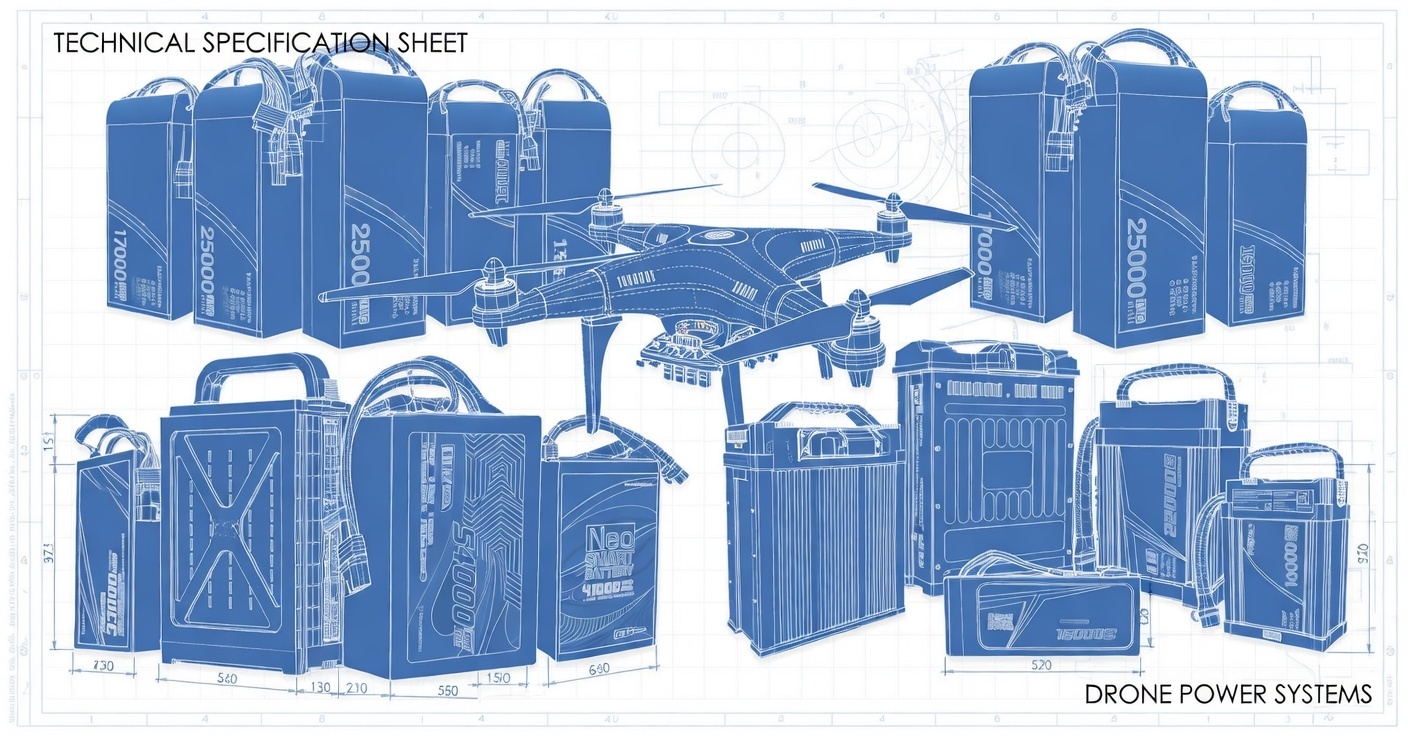
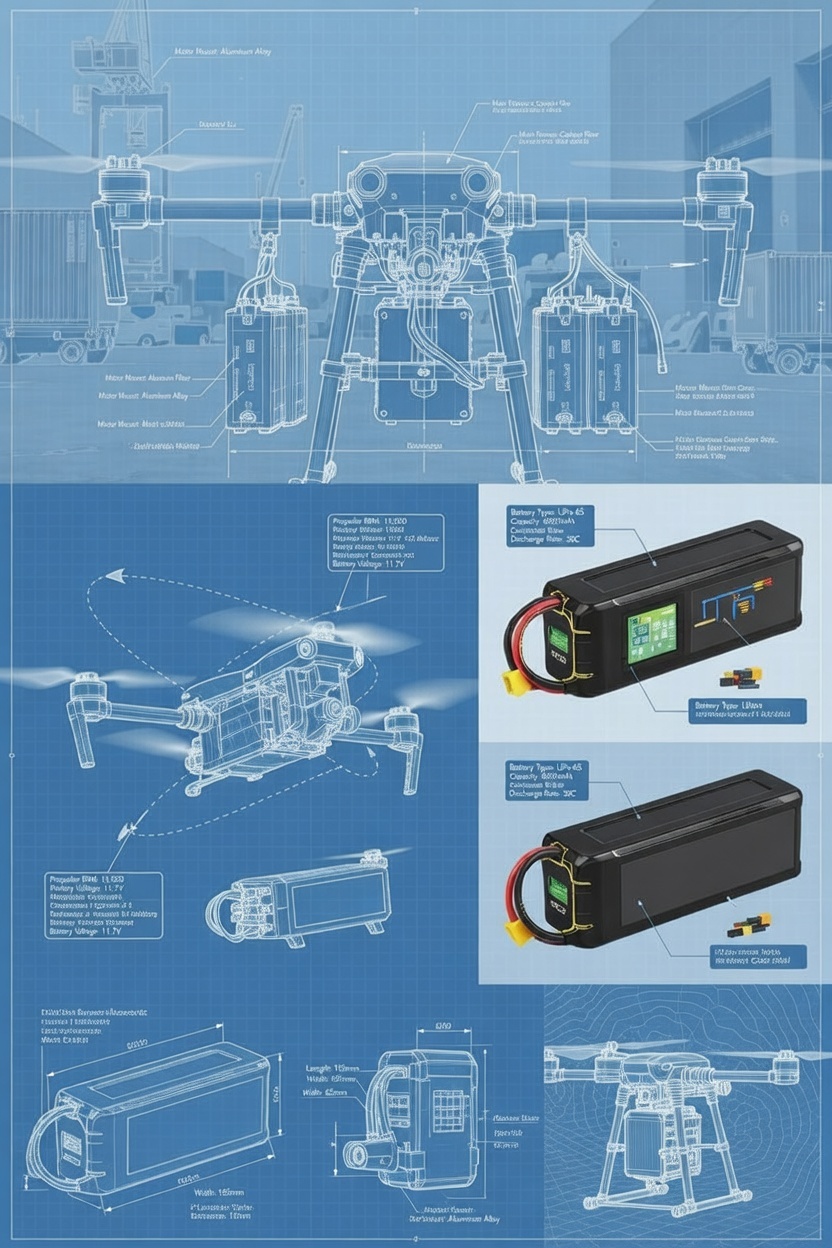
Understanding the technical specifications of your power source is vital. You need to know the discharge rates, thermal management capabilities, and cycle life expectations. Reliable suppliers provide detailed documentation that supports your traceability efforts. For example, accessing accurate industrial drone battery specifications ensures that you are matching the right power density to your payload requirements without compromising safety margins. Furthermore, maintaining these power systems requires knowledge. Teams should utilize resources that offer battery maintenance best practices to extend the lifecycle of their assets and ensure consistent performance across the supply chain.
When you integrate these resources into your workflow, you reduce the risk of unexpected failures. A well-maintained battery with a known history is a predictable asset. In contrast, an untraceable battery is a variable that can introduce chaos into a tightly scheduled production. The engineering solution lies in treating the battery not as a consumable, but as a data-rich component of the aircraft that requires ongoing monitoring and verification.
Securing Your Flight Operations
The landscape of aerial photography is evolving, and so are the risks associated with it. Supply chain traceability is the backbone of operational security in this new era. By avoiding common mistakes such as neglecting provenance and failing to document component history, teams can safeguard their projects against costly disruptions. The implementation of digital passports, strict vendor audits, and smart diagnostic tools forms a robust defense against the uncertainties of the global market.
As you prepare for your next production cycle, evaluate your current supply chain protocols. Are you certain about the origin of every component on your aircraft? Do you have the data needed to prove compliance if questioned? If the answer is uncertain, it is time to upgrade your approach. Reliability starts with knowledge, and knowledge starts with traceability.
To ensure your team is equipped with the most reliable and transparent power solutions available, we invite you to explore our comprehensive range of industrial-grade options. Our commitment to quality and data integrity aligns with the rigorous demands of modern film and photography productions. For detailed inquiries or to discuss custom power solutions tailored to your fleet, please contact us. You can also return to our homepage to learn more about how we support the future of safe aerial operations. Prioritize traceability today to ensure your cameras keep rolling tomorrow.