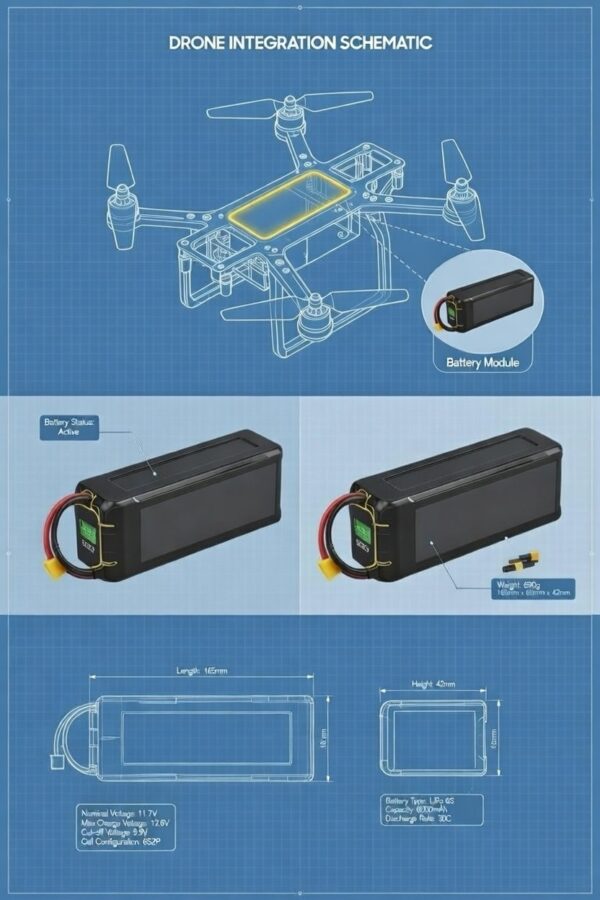
Avoid Common Mistakes in Supply Chain Traceability for Disaster Relief Drones
In the high-stakes world of disaster relief operations, drone technology has become an indispensable asset for rapid response and critical mission execution. However, the effectiveness of these drones heavily relies on their battery performance and supply chain reliability. When it comes to supply chain traceability for disaster relief drones, common mistakes can lead to mission failures, safety hazards, and wasted resources. This article explores the critical importance of robust supply chain traceability for drone batteries in disaster relief scenarios and provides actionable strategies to avoid the most common pitfalls. By implementing these best practices, organizations can ensure their drone operations remain efficient, safe, and ready to respond when every second counts.
Why Supply Chain Traceability is Crucial for Disaster Relief Drones
Disaster relief operations demand precision, speed, and reliability. When drones are deployed in emergency situations, the batteries powering them must meet exacting standards to ensure mission success. Supply chain traceability for drone batteries isn’t just about tracking where components come from—it’s about ensuring that every battery meets quality, safety, and performance standards. In disaster relief scenarios, a single battery failure can mean the difference between life and death. For example, during flood response operations, drones with unreliable batteries may fail to deliver critical supplies or conduct necessary aerial surveys. With supply chain traceability, organizations can quickly identify and resolve issues with battery components, ensuring that only the highest quality batteries reach the field. This traceability also enables compliance with international safety standards, which is essential for global disaster relief operations.
Common Supply Chain Traceability Mistakes to Avoid
Many organizations overlook the importance of supply chain traceability for drone batteries, leading to avoidable problems. One common mistake is relying on fragmented data systems that don’t allow for real-time tracking of battery components from manufacturing to deployment. Another frequent error is failing to establish clear quality control checkpoints at each stage of the supply chain. Without these checkpoints, substandard batteries might slip through the cracks. Additionally, many companies neglect to verify the credentials and capabilities of their battery suppliers, leading to inconsistencies in quality and performance. Another critical mistake is not maintaining detailed records of battery performance in the field, which makes it difficult to identify and address recurring issues. Finally, many organizations fail to consider the environmental conditions in which the drones will operate, such as extreme temperatures, which can significantly impact battery performance and reliability.
Professional Strategies for Effective Supply Chain Traceability
Here are key strategies to enhance supply chain traceability for disaster relief drone batteries:
- Implement a Unified Data Platform: Create a centralized system that tracks every battery component from raw materials to end-use. This platform should integrate with your existing supply chain management tools to provide real-time visibility across all stages, ensuring seamless tracking of drone battery supply chain traceability.
- Adopt Blockchain Technology: Utilize blockchain for secure, immutable records of battery manufacturing, testing, and deployment. This technology ensures data integrity and prevents tampering, which is critical for disaster relief operations where trust in the supply chain is paramount.
- Establish Clear Supplier Qualification Standards: Develop comprehensive criteria for selecting battery suppliers, including certifications, quality control processes, and environmental standards. Regularly audit suppliers to ensure ongoing compliance with international drone battery innovation standards.
- Conduct Regular Supply Chain Audits: Schedule quarterly audits to assess the entire supply chain process. These audits should focus on identifying bottlenecks, quality inconsistencies, and potential risks before they impact drone operations, particularly for mission-critical disaster relief drone batteries.
- Use RFID and IoT for Real-Time Tracking: Implement RFID tags and IoT sensors on batteries to monitor their condition and location in real-time. This allows for immediate identification of issues, such as batteries that may be approaching their end-of-life or experiencing performance degradation, crucial for maintaining reliable drone battery supply chain traceability.
- Develop Comprehensive Battery Performance Records: Maintain detailed records of battery performance in the field, including temperature, discharge rates, and mission success rates. This data will help identify patterns and inform future battery procurement decisions, ensuring optimal drone battery supply chain management.
How CNS Battery Supports Disaster Relief Drone Operations
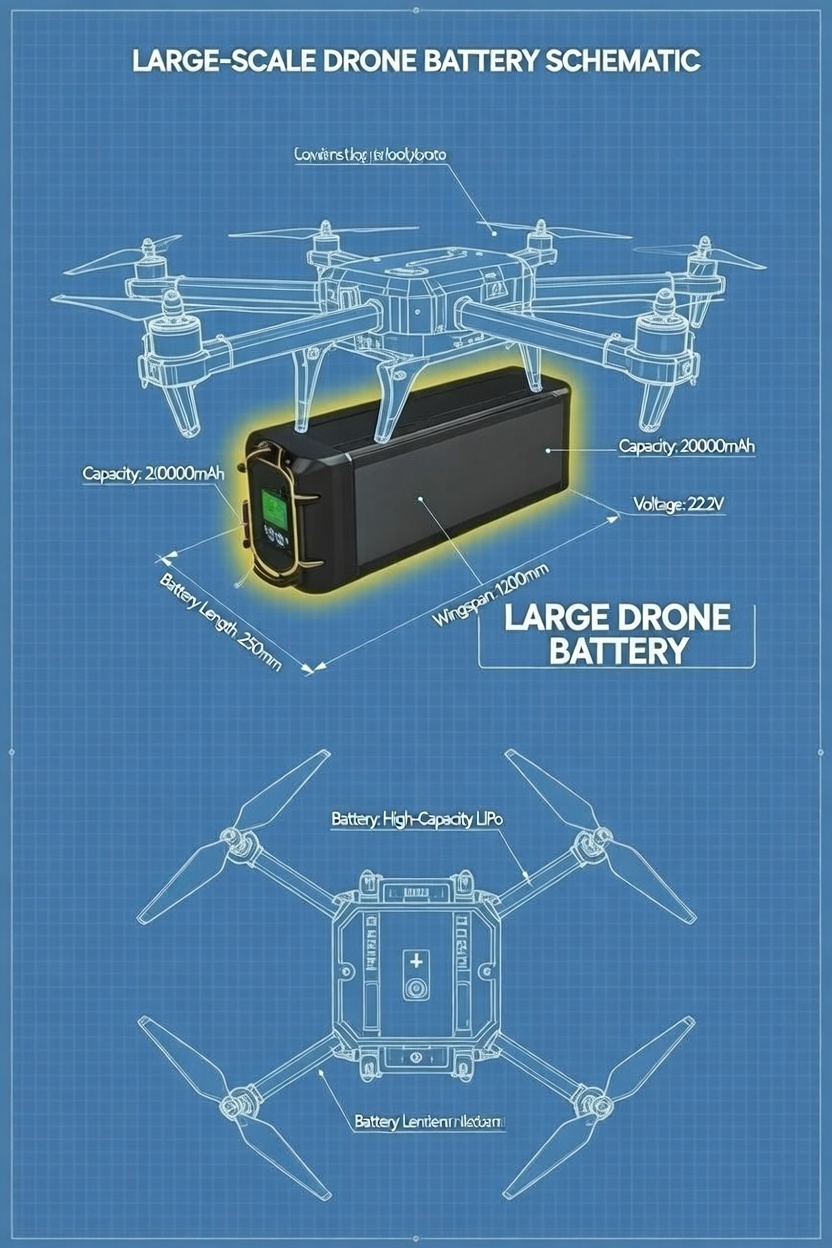
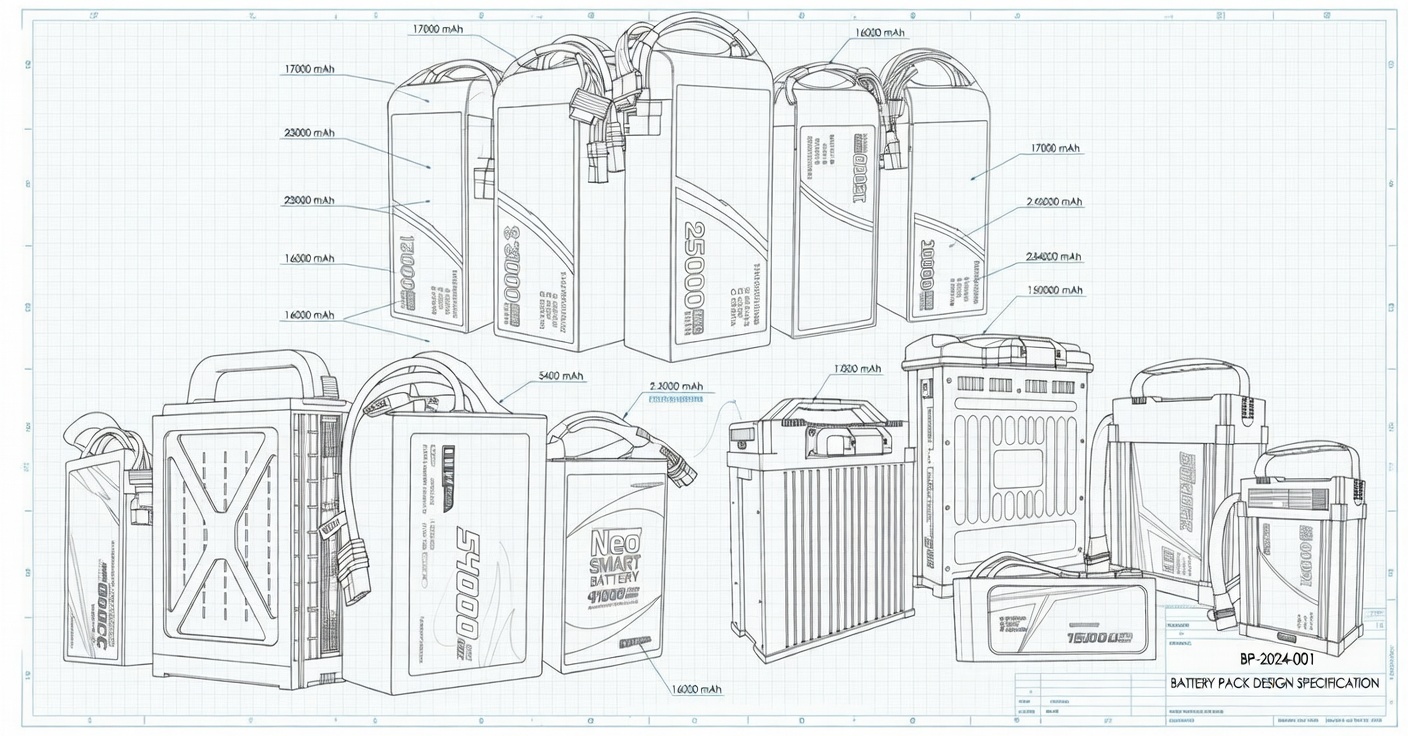
CNS Battery has established itself as a leader in providing customized drone battery solutions for B2B clients, particularly those involved in critical operations like disaster relief. With over 15 years of experience in battery innovation, CNS Battery offers a range of specialized solutions that enhance supply chain traceability and reliability. Their high-capacity, long-lasting batteries undergo rigorous testing to ensure stable performance in extreme conditions, making them ideal for disaster response scenarios. CNS Battery’s supply chain management approach includes real-time tracking of battery components, blockchain-integrated quality control, and global technical support. They work closely with clients to understand their specific operational needs and provide tailored battery solutions that meet international safety standards.
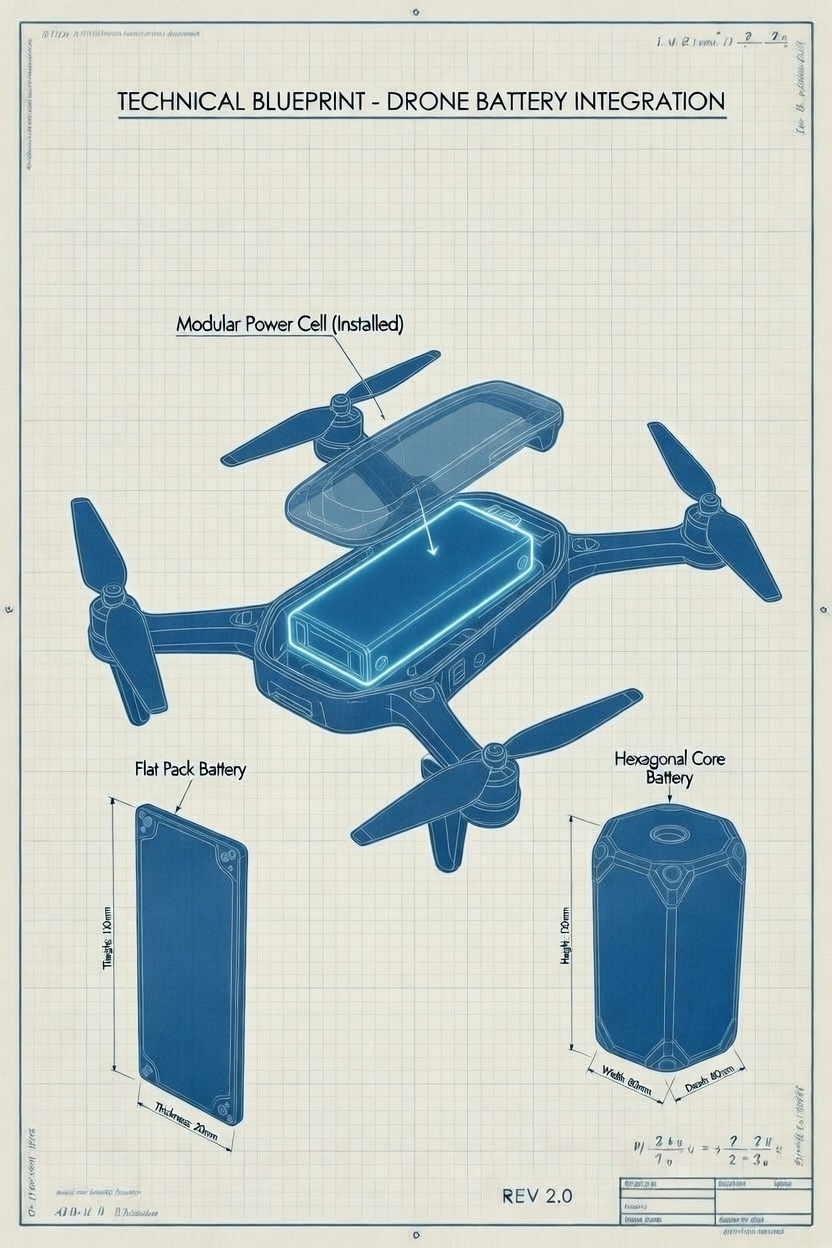
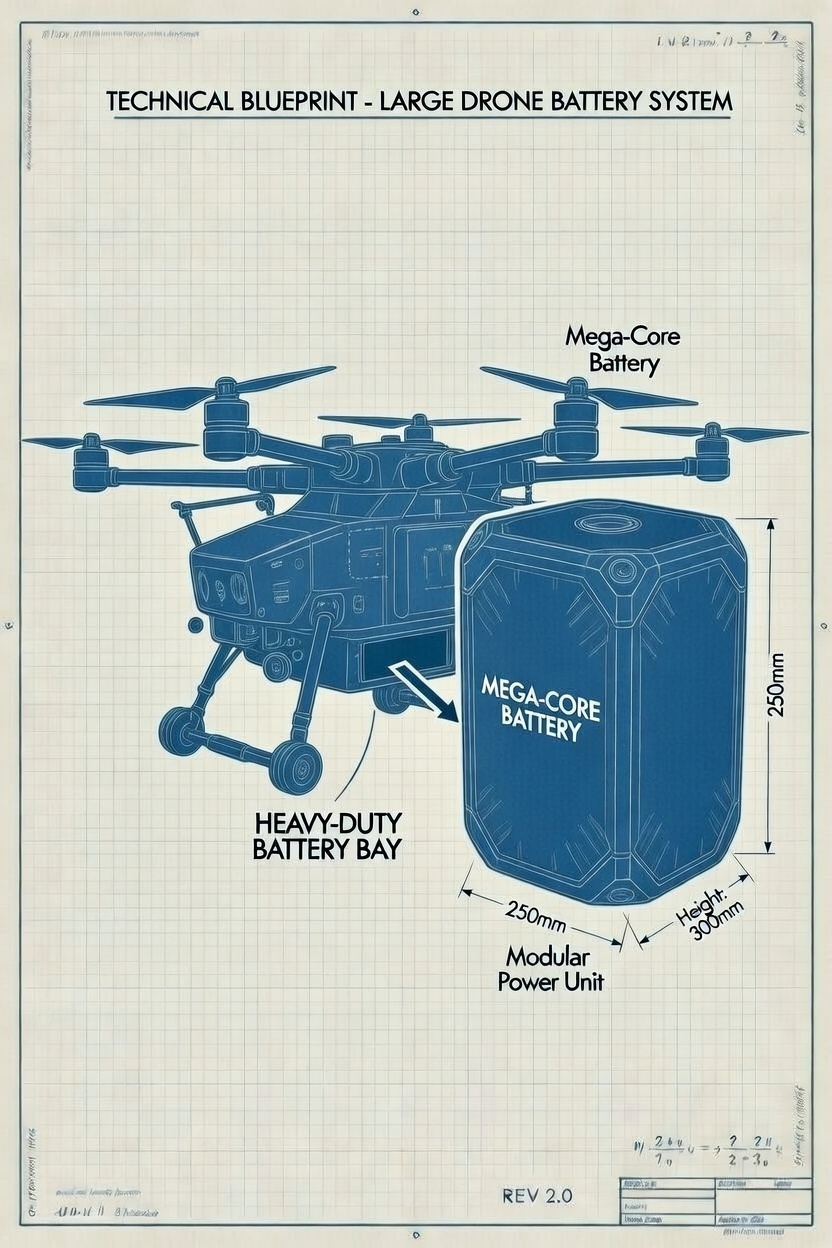
Their commitment to reliable battery innovation ensures that disaster relief organizations receive batteries that perform consistently under pressure. For instance, CNS Battery’s modular battery designs allow for easy replacement and maintenance during extended operations, a critical factor in disaster zones where resources are limited. Their waterproof and lightweight battery solutions are specifically engineered for harsh environmental conditions, ensuring that drones remain operational when they’re needed most.
Conclusion
In the critical world of disaster relief operations, supply chain traceability for drone batteries is not just a best practice—it’s a necessity. By avoiding common mistakes and implementing robust traceability strategies, organizations can ensure their drone operations remain efficient, safe, and mission-ready. CNS Battery’s specialized expertise in drone battery solutions provides the perfect partnership for organizations looking to enhance their supply chain management and ensure the reliability of their disaster relief drone operations.
Don’t let supply chain gaps compromise your mission success. With CNS Battery’s customized drone battery solutions, you can achieve the reliability and performance your disaster relief operations demand. Contact CNS Battery today for a tailored solution that meets your specific needs. Visit our contact page at https://cnsbattery.com/drone-battery-home/drone-battery-contact to schedule your consultation and take the first step toward more reliable, mission-critical drone operations. Let us help you power your disaster relief missions with confidence and precision.