The oil and gas industry stands at a transformative crossroads. Pipeline monitoring firms that embrace drone technology gain unprecedented advantages in efficiency, cost reduction, and data accuracy. However, the path to successful drone implementation is paved with regulatory complexities that can derail even the most well-intentioned operations. Understanding and avoiding common safety certification mistakes isn’t just about compliance—it’s about protecting your business, your reputation, and your bottom line.
Why Safety Certification Matters for Pipeline Drone Operations
Pipeline monitoring represents one of the most critical applications of commercial drone technology. These aerial systems traverse vast distances, often over sensitive infrastructure, hazardous materials, and environmentally protected areas. The stakes couldn’t be higher.
Competitive Advantages of Proper Certification:
- Legal Protection: Certified operations shield your company from costly fines and potential litigation
- Insurance Benefits: Properly certified drone programs qualify for better insurance rates and broader coverage
- Client Confidence: Major energy corporations require verified certification before contracting monitoring services
- Operational Continuity: Certified pilots maintain flight logs and documentation that prevent operational disruptions
- Market Differentiation: Certification becomes a selling point when bidding against uncertified competitors
The 2026 regulatory landscape has intensified scrutiny on commercial drone operations. Pipeline monitoring firms face additional layers of oversight from organizations like PHMSA (Pipeline and Hazardous Materials Safety Administration) alongside standard aviation authorities.
The Seven Most Costly Certification Mistakes
Mistake #1: Assuming Part 107 Certification Is Sufficient
Many pipeline monitoring firms believe obtaining FAA Part 107 Remote Pilot Certificate completes their compliance journey. This misconception creates significant vulnerability.
Reality Check: Part 107 provides baseline authorization for commercial drone operations, but pipeline monitoring often requires additional waivers and permissions. Operations near critical infrastructure, beyond visual line of sight (BVLOS), or over populated areas demand supplementary approvals.
Example: A Texas-based inspection company received $45,000 in fines after conducting pipeline surveys within 5 miles of an airport without obtaining necessary airspace authorization. Their Part 107 certification didn’t cover this specific operational context.
Mistake #2: Neglecting Battery Safety Documentation
Drone battery management represents one of the most overlooked aspects of safety certification. Pipeline monitoring missions often extend over long distances, requiring multiple battery swaps and charging cycles in field conditions.
Critical Requirements:
- Battery transport compliance (UN38.3 certification for lithium batteries)
- Field charging safety protocols
- Battery maintenance logs
- Thermal management documentation
Best Practice: Implement a comprehensive battery tracking system that records charge cycles, storage conditions, and performance metrics for each battery pack. This documentation proves invaluable during safety audits.
Mistake #3: Inadequate Pilot Training for Specialized Operations
General drone pilot training doesn’t prepare operators for the unique challenges of pipeline monitoring. These missions require specialized knowledge in thermal imaging, gas detection sensors, and emergency procedures specific to energy infrastructure.
Training Gaps That Create Risk:
- Lack of hazardous materials awareness
- Insufficient emergency landing protocol training
- Missing communication procedures with pipeline control centers
- Inadequate weather assessment for extended corridor flights
Mistake #4: Poor Record-Keeping Practices
Regulatory bodies require meticulous documentation of all commercial drone operations. Pipeline monitoring firms often fail to maintain comprehensive records that demonstrate ongoing compliance.
Essential Documentation:
- Pre-flight inspection checklists
- Flight logs with GPS coordinates and timestamps
- Maintenance records for all aircraft components
- Incident and near-miss reports
- Pilot certification renewal tracking
Mistake #5: Ignoring State and Local Regulations
Federal certification doesn’t preempt state and local regulations. Pipeline routes often cross multiple jurisdictions, each with unique requirements that can catch operators off-guard.
Common Overlooked Requirements:
- State-specific privacy laws affecting aerial surveillance
- Local noise ordinances restricting flight times
- County-level permits for commercial operations
- Environmental protection zone restrictions
Mistake #6: Insufficient Insurance Coverage
Standard drone insurance policies often exclude pipeline monitoring operations due to their classification as high-risk activities. Operating without appropriate coverage exposes firms to catastrophic financial liability.
Coverage Essentials:
- Hull insurance for aircraft damage
- Liability coverage minimum $2 million for energy sector work
- Pollution liability endorsement
- Business interruption coverage
Mistake #7: Failing to Update Certifications
Drone regulations evolve rapidly. Many firms obtain initial certification then fail to maintain current knowledge requirements, creating compliance gaps.
Renewal Requirements:
- Part 107 recurrent training every 24 months
- Aircraft registration renewal every 3 years
- Insurance policy annual reviews
- Operational procedure updates reflecting regulatory changes
Step-by-Step Certification Guide for Pipeline Monitoring Firms
Phase 1: Foundation Building (Weeks 1-4)
Step 1: Register all drone aircraft with the FAA through the DroneZone portal. Each aircraft requires individual registration with visible registration numbers.
Step 2: Ensure all pilots complete Part 107 training and pass the knowledge test. Schedule testing at FAA-approved knowledge testing centers.
Step 3: Develop comprehensive operations manuals specific to pipeline monitoring scenarios. Include emergency procedures, communication protocols, and safety checklists.
Step 4: Obtain appropriate insurance coverage with endorsements for energy infrastructure work.
Phase 2: Advanced Authorization (Weeks 5-12)
Step 5: Apply for necessary waivers based on your operational requirements. Common waivers for pipeline work include BVLOS operations and night flight authorization.
Step 6: Coordinate with pipeline operators to establish communication protocols and emergency response procedures.
Step 7: Complete any state-specific registration or permitting requirements along your pipeline routes.
Step 8: Implement battery safety management systems with proper documentation and handling procedures.
Phase 3: Operational Excellence (Ongoing)
Step 9: Establish regular training schedules for all pilots including scenario-based emergency drills.
Step 10: Create audit-ready documentation systems that maintain all required records in organized, accessible formats.
Step 11: Schedule quarterly compliance reviews to identify and address potential gaps before they become violations.
Step 12: Maintain active communication with regulatory bodies to stay informed about changing requirements.
Real-World Success Example
Consider Mountain Range Pipeline Services, a mid-sized inspection firm operating across three western states. In 2025, they faced a compliance audit that could have resulted in operational suspension. Their proactive approach to certification management transformed potential disaster into a competitive advantage.
Their Strategy:
- Implemented centralized certification tracking software
- Conducted quarterly internal audits
- Established relationships with local FAA offices
- Created pilot mentorship programs ensuring knowledge transfer
- Developed battery management protocols exceeding minimum requirements
Results: Not only did they pass the audit with zero findings, but they also secured three major contracts with energy companies requiring verified safety certifications. Their investment in comprehensive compliance generated 340% ROI within 18 months.
Building a Sustainable Certification Culture
Successful pipeline monitoring firms recognize that safety certification isn’t a one-time achievement—it’s an ongoing commitment requiring dedicated resources and organizational culture shift.
Key Success Factors:
- Leadership Commitment: Executive support ensures adequate budget allocation for training, equipment, and compliance management.
- Dedicated Compliance Officer: Assign specific responsibility for tracking certifications, renewals, and regulatory changes.
- Technology Integration: Use software solutions that automate tracking, send renewal reminders, and maintain audit-ready documentation.
- Continuous Improvement: Regular review of procedures incorporating lessons learned from operations and industry best practices.
- Industry Engagement: Participate in professional organizations staying current with evolving standards and networking with peers facing similar challenges.
The Power Battery Connection
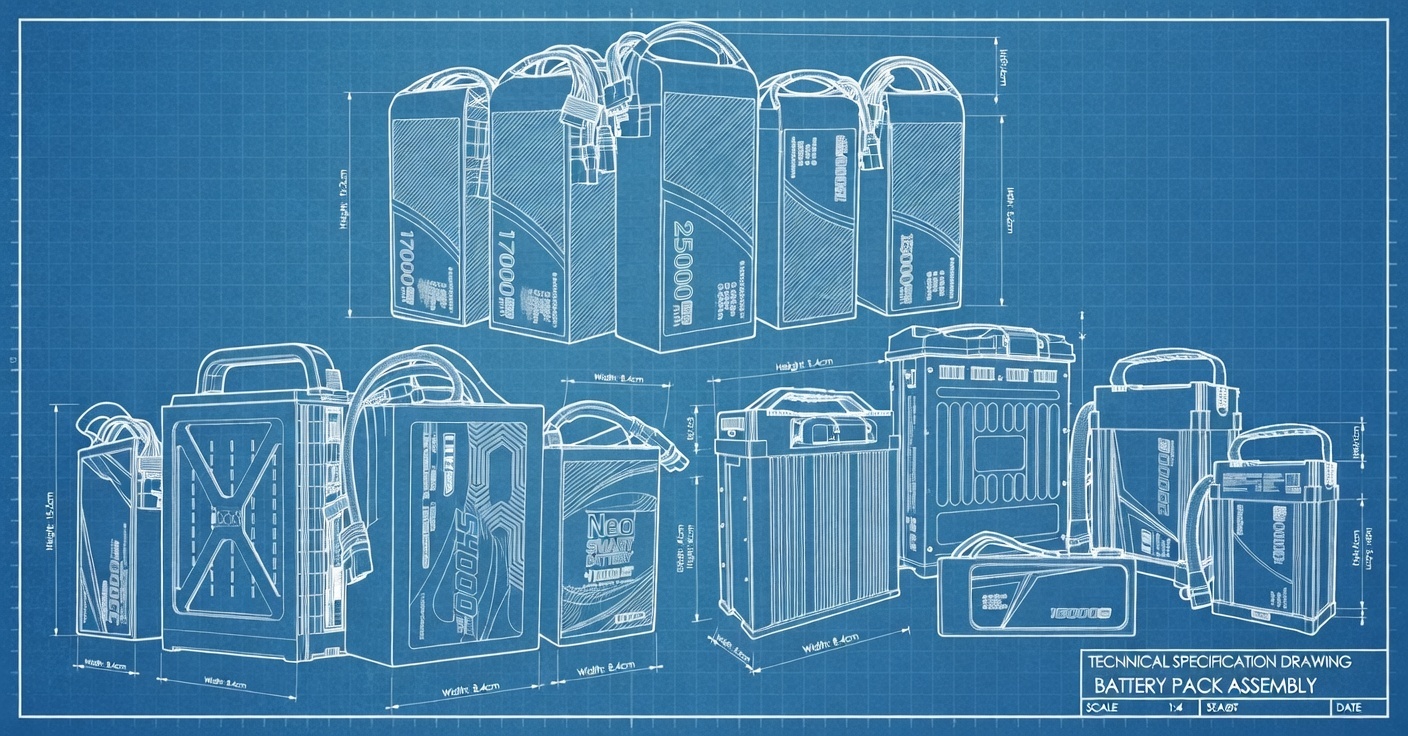
Reliable drone operations depend fundamentally on power system integrity. Battery safety represents a critical component of overall certification compliance. Pipeline monitoring missions often demand extended flight times in challenging environmental conditions, making battery performance and safety documentation essential.
Proper battery management includes temperature monitoring, charge cycle tracking, and storage protocol compliance. These elements directly impact your ability to maintain certification status and operate safely in demanding pipeline environments.
For comprehensive guidance on drone battery safety and compliance requirements, professional consultation ensures your power systems meet all regulatory standards while maximizing operational capability.
Conclusion: Certification as Competitive Advantage
The pipeline monitoring industry rewards firms that treat safety certification as strategic investment rather than regulatory burden. Common mistakes create vulnerability, but systematic approaches to compliance build sustainable competitive advantages.
Every certification requirement exists for legitimate safety reasons. Understanding the intent behind regulations helps firms implement meaningful compliance programs that protect people, property, and the environment while enabling profitable operations.
The firms thriving in 2026’s regulatory environment share common characteristics: proactive compliance management, comprehensive documentation systems, continuous training programs, and recognition that safety certification opens doors to premium contracts and long-term client relationships.
Your path forward requires commitment, resources, and attention to detail. The investment pays dividends through reduced risk, enhanced reputation, and access to opportunities unavailable to uncertified competitors. Pipeline monitoring’s future belongs to firms that master both the technology and the regulatory landscape governing its safe application.
Ready to optimize your drone operations with certified battery solutions? Contact our specialist team for comprehensive guidance on power system compliance and safety certification support at https://cnsbattery.com/drone-battery-home/drone-battery-contact
The difference between operational success and costly violations often comes down to preparation, documentation, and commitment to excellence. Start building your certification advantage today.