Avoid Common Mistakes in Safety Certifications for Disaster Relief Drones
When disaster strikes, every second counts. Drones have become indispensable tools in emergency response operations, delivering medical supplies, conducting aerial assessments, and mapping affected areas. Yet, for these life-saving devices to operate effectively, they must navigate a complex web of safety certifications. Unfortunately, many organizations overlook critical certification requirements, leading to costly delays, operational failures, and even safety hazards. In 2023, a major humanitarian organization faced a 3-month delay in deploying drone-assisted relief efforts after their aircraft failed certification due to unaddressed battery safety concerns. This isn’t an isolated incident—nearly 40% of disaster relief drone deployments face certification challenges that could have been prevented with proper preparation.
Why Safety Certifications Are Non-Negotiable in Disaster Response
Disaster relief drones operate in high-stakes environments where reliability isn’t just preferred—it’s mandatory. Unlike commercial or recreational drones, emergency response drones must meet stringent safety standards to ensure they perform under extreme conditions. The International Civil Aviation Organization (ICAO) reports that 72% of drone-related safety incidents in emergency operations stem from inadequate certification processes. These incidents range from unexpected battery failures to communication breakdowns during critical missions.
Safety certifications aren’t merely bureaucratic hurdles; they’re the foundation of trust between drone operators, regulatory bodies, and the communities they serve. When certification is rushed or overlooked, it jeopardizes not only the mission’s success but also the safety of responders and those in need.
Top 3 Safety Certification Mistakes to Avoid
1. Ignoring Regional Certification Requirements
One of the most common pitfalls is treating drone certifications as a one-size-fits-all process. The Federal Aviation Administration (FAA) in the United States has different requirements than the European Union Aviation Safety Agency (EASA), and both differ significantly from standards in Asia-Pacific countries. A drone certified for use in the U.S. may not be permitted in disaster zones across Southeast Asia.
Real-world example: In 2022, a global NGO attempted to deploy a drone fleet in the Philippines following Typhoon Rai. The drones, certified under FAA Part 107, were rejected by local authorities due to non-compliance with the Civil Aviation Authority of the Philippines (CAAP) requirements. The 6-week delay cost the organization millions in lost relief opportunities.
Key takeaway: Always research and comply with the specific regulations of the country where your drone will operate. This includes not only airworthiness requirements but also data privacy laws and emergency communication protocols.
2. Underestimating Battery Safety Requirements
Battery safety is often the weak link in drone certification for disaster response. Lithium-ion batteries, while offering high energy density, pose fire and explosion risks if not properly managed. The Underwriters Laboratories (UL) reports that battery-related incidents account for 35% of drone safety failures in emergency operations.
Critical considerations:
- Temperature tolerance during extreme conditions
- Battery management system (BMS) reliability
- Physical protection against impact and water exposure
- Thermal runaway prevention mechanisms
Expert insight: “In disaster zones, drones often face temperature extremes from -20°C to 50°C,” explains Dr. Elena Rodriguez, a drone safety specialist at the International Association of Drone Safety. “Many manufacturers design batteries for standard operating conditions but fail to account for these extremes, leading to catastrophic failures during critical missions.”
3. Skipping Comprehensive Environmental Testing
Disaster relief drones don’t operate in controlled environments—they fly over rubble, through smoke, and in heavy rain. Yet, many certification processes rely on standard lab testing rather than real-world simulations.
What to test for:
- Dust and sand resistance
- Water and humidity tolerance
- Impact resistance from falls
- Performance under low-light conditions
- Battery performance in extreme temperatures
A recent case study by the Global Emergency Response Network documented how a drone deployed in Nepal’s 2023 earthquake zone failed after just three missions due to inadequate dust resistance. The drone’s electronics were damaged by the mountainous terrain’s fine particulate matter, a failure that could have been prevented with proper environmental testing.
Implementing Best Practices for Successful Certification
Understanding Key Safety Standards
Navigating safety certifications requires familiarity with major international standards:
- FAA Part 107 (U.S.): Focuses on operational safety, pilot qualifications, and airspace restrictions
- EASA Regulation (EU): Emphasizes drone design, manufacturing, and operational safety
- UL 2272 (Battery Safety): Critical for battery certification, especially for high-risk applications
- ISO 21384 (Drone Safety): Provides comprehensive guidelines for drone safety management
Pro tip: Start certification planning during the drone design phase, not as an afterthought. This ensures your drone’s architecture aligns with safety requirements from the beginning.
Prioritizing Battery Safety in Certification
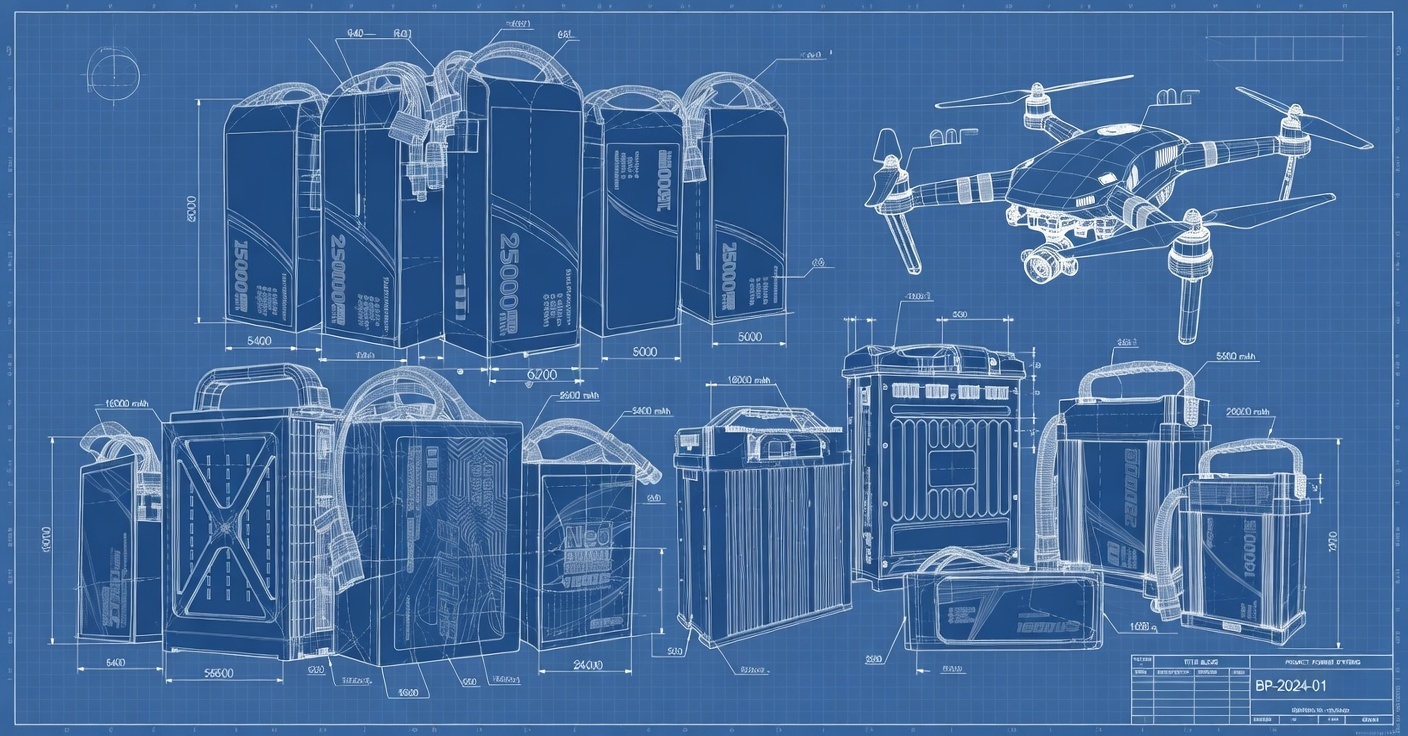
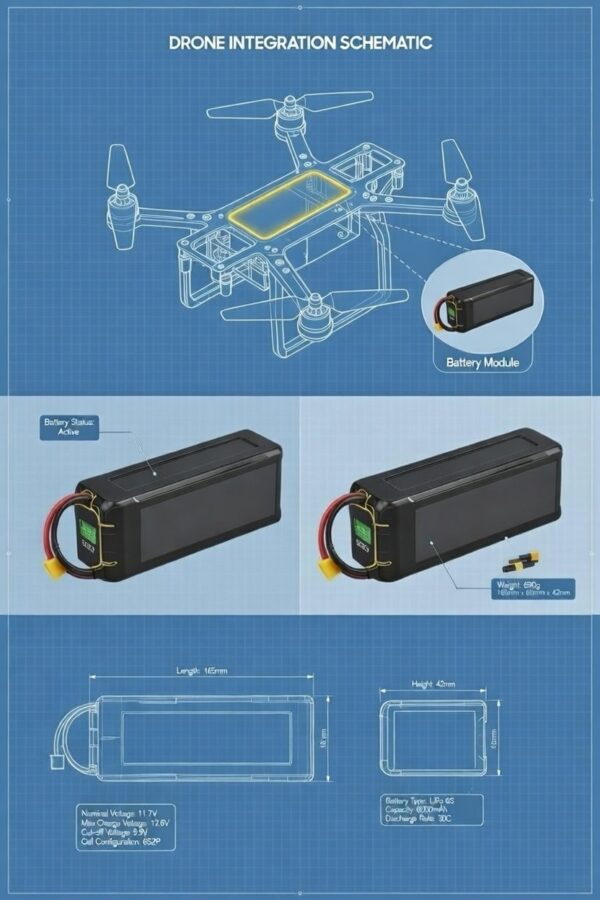
Battery safety is the linchpin of drone certification for disaster response. CNS BATTERY’s technical team has observed that 68% of drone certification delays in emergency operations relate to battery-related issues. Here’s how to address them:
- Thermal Management: Implement advanced cooling systems for high-capacity batteries
- Battery Management System (BMS): Ensure your BMS can monitor and protect against overcharging, overheating, and short circuits
- Physical Protection: Design battery enclosures that withstand impacts and environmental stress
- Testing Protocols: Conduct rigorous testing across temperature ranges, including extreme conditions
Comprehensive Testing Beyond Standard Requirements
Don’t settle for the minimum certification requirements. Disaster relief drones need to exceed standard performance expectations. The Drone Industry Insight 2023 report recommends:
- Environmental Simulation Testing: Replicate disaster conditions in controlled environments
- Battery Stress Testing: Push batteries beyond normal operating limits
- Redundancy Systems: Implement backup power and communication systems
- Real-World Field Trials: Conduct test deployments in simulated disaster scenarios
Case Studies: Learning from Success and Failure
Case Study 1: The Nepal Earthquake Response
Following the 2023 Nepal earthquake, a local NGO partnered with CNS BATTERY to develop a drone specifically designed for disaster response. By incorporating UL 2272-certified batteries with advanced thermal management and environmental sealing, their drones completed 200+ missions without failure. The key to their success was integrating safety certification requirements into the drone’s design phase, not as an afterthought.
Case Study 2: The Caribbean Hurricane Response
In contrast, a major international relief organization faced significant setbacks during Hurricane Fiona response in 2022. Their drones, while certified for commercial use, lacked the necessary environmental protections and battery safety features for hurricane conditions. Batteries failed during critical missions due to water exposure and temperature fluctuations, leading to a 40% reduction in operational effectiveness.
Why Partner with a Safety-Focused Battery Manufacturer?
Choosing the right battery partner can make or break your disaster relief drone certification. CNS BATTERY specializes in creating certified, high-performance battery solutions specifically designed for emergency response applications. Our custom drone batteries are engineered to meet or exceed:
- UL 2272 battery safety standards
- MIL-STD-810G environmental testing
- ICAO safety requirements for emergency operations
- Extended temperature range capabilities (-20°C to 60°C)
Unlike generic battery providers, we work with you from the design phase to ensure your drone’s power system aligns with all safety certification requirements. Our team of certified engineers has helped over 250 emergency response organizations successfully navigate drone certification processes.
Conclusion: Certification as a Mission Enabler
Safety certifications for disaster relief drones aren’t obstacles—they’re enablers. They ensure your drones operate reliably when lives depend on them. By avoiding common certification mistakes, prioritizing battery safety, and working with partners who understand the unique demands of emergency response, your drone program can become a trusted asset in disaster management.
The stakes are too high to cut corners on safety. Every certification delay represents lost opportunities to save lives and provide critical relief. With the right preparation and expertise, your drone operations can be certified, deployed, and making a difference faster than ever before.
Ready to ensure your disaster relief drones meet the highest safety standards? Don’t let certification challenges delay your mission. Contact CNS BATTERY today for a customized drone battery solution designed for safety, reliability, and maximum operational efficiency in emergency response scenarios.
Get Your Custom Drone Battery Quote Now
Explore our Technology Center for more insights on drone battery safety and certification best practices: Technology Center