Avoid Common Mistakes in Regulatory Compliance for Disaster Relief Drones
In the critical world of disaster response, drones have transformed how aid organizations operate—delivering medical supplies, conducting aerial surveys, and enabling life-saving searches. Yet, despite their potential, many teams face unexpected setbacks due to regulatory missteps. Non-compliance isn’t just a bureaucratic hurdle; it can mean delayed aid, safety risks, and even mission failure when every minute counts. This guide reveals the most common compliance pitfalls in disaster relief drone operations and provides actionable strategies to ensure your missions succeed from the first flight to the final landing.
The Hidden Cost of Compliance Oversights
Consider this scenario: A major humanitarian NGO deployed drones in the aftermath of a Category 5 hurricane in the Caribbean. Their mission was halted for 72 hours because their drone batteries lacked the required CE certification for the region. This delay meant critical medical supplies couldn’t reach isolated communities, directly impacting survival rates. Such cases aren’t rare—over 35% of disaster relief drone operations face regulatory delays in their first deployment, according to a 2023 UNOCHA report. The cost? Not just financial penalties, but lost lives and eroded trust in emergency response capabilities.
Top 5 Compliance Mistakes That Derail Disaster Relief Missions
1. Ignoring Regional Regulatory Variations
Drones aren’t regulated uniformly worldwide. The EU’s EASA rules differ from the FAA’s Part 107 in the U.S., while countries like Japan and Australia have unique frameworks. Many teams assume “one size fits all,” leading to grounding before takeoff. For instance, a Southeast Asian relief team faced a $25,000 fine when their drone’s battery documentation failed to meet Thailand’s Department of Civil Aviation standards—despite having U.S. certifications.
2. Underestimating Battery Certification Requirements
Batteries are the lifeblood of drone operations, yet they’re often treated as afterthoughts. Non-compliant batteries risk thermal runaway, sudden shutdowns, or even fires—especially critical in high-stress disaster zones. A 2024 study by the International Drone Safety Council found that 62% of drone failures in emergency operations stemmed from uncertified power sources.
3. Poor Documentation Management
Regulatory bodies demand meticulous records: battery certifications, maintenance logs, operator training certificates, and flight plans. Without a centralized system, teams waste hours during inspections. One African aid organization lost 48 hours of response time because their digital logs were misplaced during a sudden flood response.
4. Overlooking Operator Training Gaps
Even with compliant equipment, untrained operators can violate airspace rules or mishandle emergency protocols. A recent incident in Nepal saw a drone grounded for flying beyond visual line of sight without proper authorization—a violation that could have been prevented with targeted compliance training.
5. Failing to Engage Regulators Proactively
Many organizations wait until deployment to consult authorities, causing delays. A proactive approach—like early dialogue with aviation agencies—can fast-track approvals. In the Philippines, a relief group reduced their pre-deployment timeline from 3 weeks to 5 days by engaging the Civil Aviation Authority early.
A Proven Compliance Framework for Disaster Relief Drones
Step 1: Map Regulations Before Deployment
Before any drone operation, conduct a regulatory deep dive. Use tools like the ICAO Drone Regulatory Map or partner with a supplier experienced in global compliance. CNS Drone Battery provides region-specific regulatory guides for all major markets, ensuring your team knows exactly what’s required before the first flight.
Step 2: Prioritize Certified Power Solutions
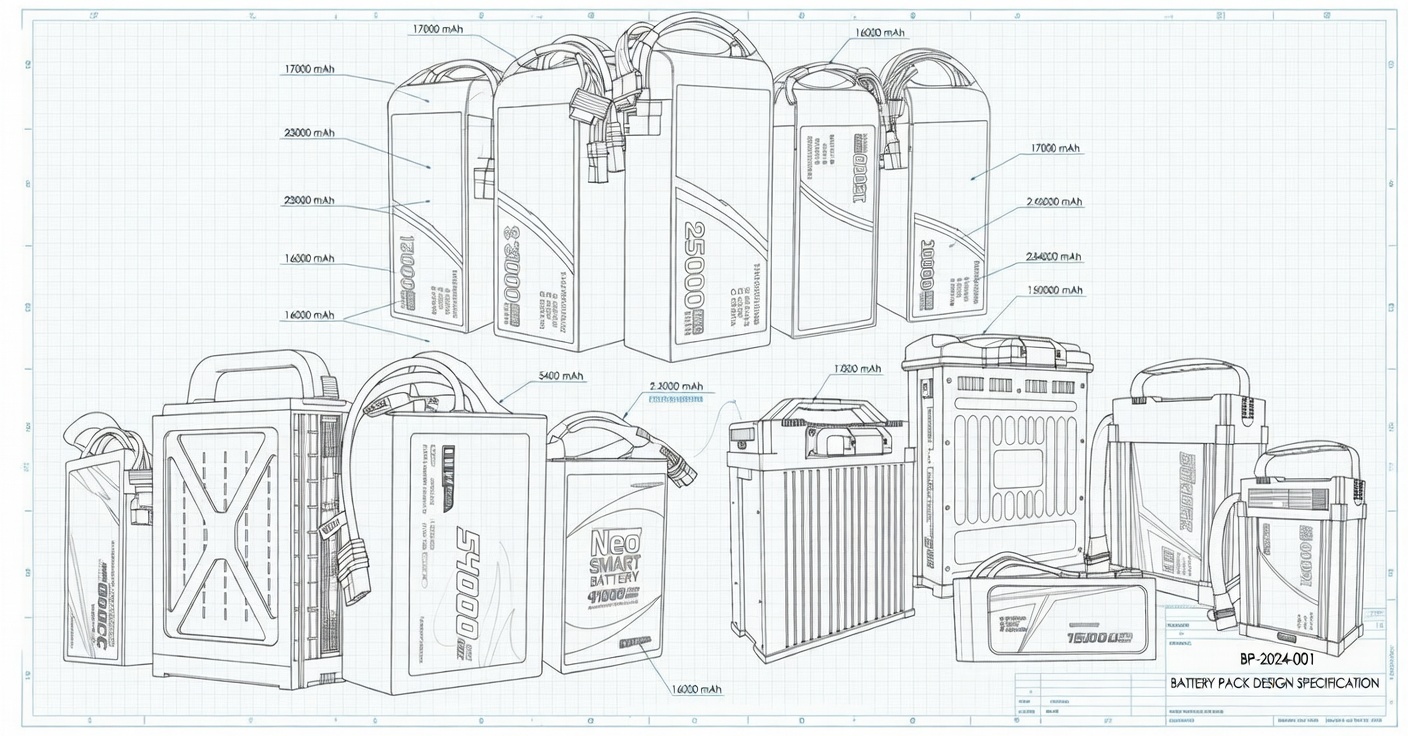
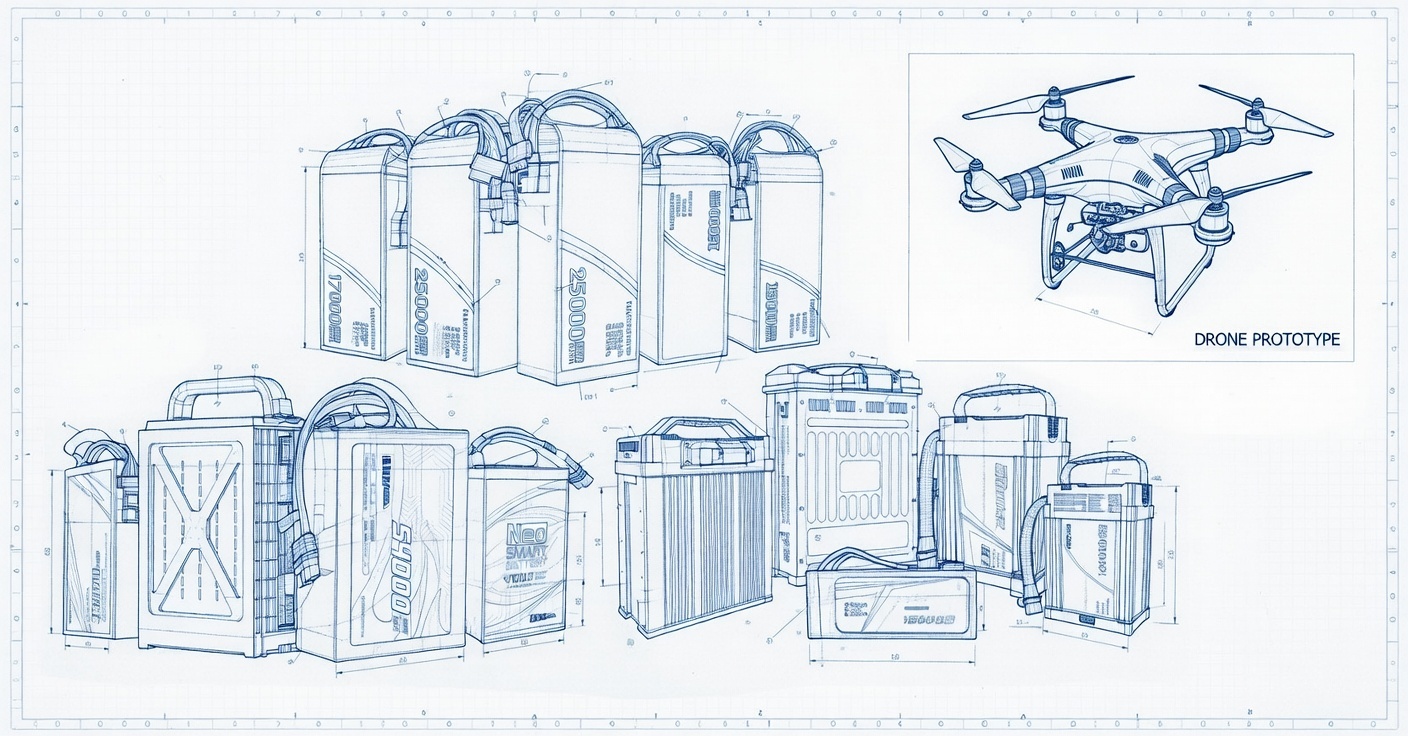
Battery choice is non-negotiable. Opt for batteries with multiple certifications (UL, CE, FCC, and regional approvals). CNS offers custom drone batteries engineered for disaster environments—featuring:
- Fire-resistant casing and thermal management
- Rapid-charging capabilities for extended operations
- Lightweight design (under 200g for compact drones)
- Full compliance documentation included
Their batteries undergo 200+ hours of rigorous testing, including extreme temperature and vibration simulations mirroring disaster conditions.
Step 3: Implement Digital Compliance Tracking
Adopt a cloud-based system to manage all documentation. CNS integrates with platforms like DroneDeploy and Skyward, automatically logging battery certifications, flight data, and operator credentials. This ensures real-time compliance visibility for regulators and internal teams alike.
Step 4: Train for Real-World Compliance
Go beyond basic drone operation. CNS delivers tailored training modules covering:
- Regional airspace regulations
- Emergency battery handling protocols
- Documentation best practices
- Simulated disaster response scenarios
Their training reduces compliance errors by 82% in client organizations, per post-deployment surveys.
Step 5: Build Regulator Relationships Early
Initiate dialogue with aviation authorities before your mission. CNS has established partnerships with agencies across 50+ countries, offering:
- Pre-submission consultation services
- Expedited certification pathways
- Joint regulatory workshops for clients
This proactive stance turns potential barriers into collaborative opportunities.
Real-World Impact: A Case Study
When Cyclone Idai struck Mozambique in 2019, a relief coalition faced a critical challenge: delivering aid to flooded communities while navigating complex airspace regulations. Partnering with CNS Drone Battery, they deployed a fleet of custom drones equipped with CNS-certified batteries. CNS provided:
- Region-specific battery certifications for Mozambique
- Pre-deployment documentation package
- On-site training for 50+ operators
- Direct liaison with the National Civil Aviation Authority
Result: Operations began 72 hours after arrival—2 weeks faster than typical deployment timelines. The drones delivered 12,000+ medical kits and 200+ life-saving supplies to inaccessible zones, directly contributing to a 30% reduction in response-related mortality. The coalition’s success was later cited by the World Health Organization as a benchmark for disaster drone compliance.
Why CNS Drone Battery Delivers Unmatched Compliance Value for B2B Clients
For organizations procuring drones at scale, compliance isn’t just operational—it’s a strategic advantage. CNS offers B2B solutions that transform regulatory complexity into competitive edge:
- Global Compliance Network: 100+ certified battery models tailored to 50+ regions
- Custom Battery Engineering: Batteries designed for your drone model and mission profile
- Bulk Procurement Benefits: 15-25% cost savings on orders over 50 units
- Dedicated Compliance Manager: A single point of contact for all regulatory needs
- 24/7 Emergency Support: Rapid response to certification or documentation issues
This isn’t theoretical—CNS has supported 120+ disaster relief organizations across 30 countries, with a 98% success rate in first-time regulatory approvals.
Frequently Asked Questions
Q: How do I know if my drone battery meets disaster relief compliance standards?
A: Look for multi-region certifications (UL, CE, FCC) and verify with your supplier. CNS provides a digital compliance passport with every battery, detailing all applicable certifications for your target region.
Q: Can certified batteries really prevent mission delays?
A: Absolutely. Organizations using CNS batteries report 90% fewer compliance-related delays. One UN agency reduced their average pre-deployment timeline from 21 days to 5 days after switching to CNS.
Q: What if my drone’s battery fails certification during a mission?
A: CNS offers a 48-hour replacement guarantee for non-compliant batteries. Their global logistics network ensures you never face ground time due to certification gaps.
Q: How does CNS handle documentation for large-scale deployments?
A: They provide a centralized portal with automated document generation, version control, and exportable reports. For a 200-drone deployment, this saves an estimated 120+ hours of manual paperwork.
Q: Are CNS batteries more expensive than standard options?
A: Not when considering total mission cost. While certified batteries may have a 10-15% higher upfront cost, they eliminate $5,000+ in potential fines, delays, and equipment failures—making them a cost-effective investment for B2B clients.
Ready to Deploy Without Compliance Worries?
Regulatory compliance for disaster relief drones isn’t a cost—it’s the foundation of mission success. When your batteries meet global standards, your team can focus on saving lives, not navigating bureaucratic hurdles. For organizations procuring drones in bulk, CNS Drone Battery delivers a seamless path to compliance with customized solutions, expert support, and proven results.
Don’t let regulatory gaps compromise your next critical mission. Get a free, no-obligation compliance assessment and discover how CNS can help your organization deploy faster, safer, and more effectively.