Avoid Common Mistakes in Regulatory Compliance for Aerial Filming Drones
In the dynamic world of aerial filmmaking, drones have revolutionized how we capture breathtaking visuals—from cinematic landscapes to real-time event coverage. Yet, as the industry surges, regulatory compliance remains a silent crisis for many operators. According to the FAA’s 2023 industry report, nearly 45% of drone incidents during commercial operations stem from non-compliance with aviation regulations. These aren’t just fines; they’re project delays, reputational damage, and even legal action. The good news? Avoiding these pitfalls is achievable with the right knowledge and tools. This guide dives deep into common regulatory missteps, backed by industry data, and reveals how cutting-edge drone battery solutions can be your secret weapon for seamless compliance. Let’s transform compliance from a headache into a competitive advantage.
Understanding the Global Regulatory Landscape
Regulatory frameworks aren’t one-size-fits-all. For aerial filming drones, understanding jurisdiction-specific rules is non-negotiable. In the U.S., the FAA’s Part 107 governs all commercial operations, mandating:
- Drone registration for aircraft over 0.55 lbs
- Visual line-of-sight operation (no beyond-visual-line-of-sight without waivers)
- Altitude limits (400 feet above ground level)
- No-fly zones (e.g., near airports, national parks, or critical infrastructure)
Globally, the European Union Aviation Safety Agency (EASA) enforces similar but nuanced standards, requiring remote pilot certifications and specific operational permissions. Ignoring these basics isn’t just risky—it’s a direct path to $27,500 fines in the U.S. alone. Worse, regulatory gaps often compound with equipment failures. A CNS Battery industry analysis revealed that 32% of compliance-related incidents during film shoots were directly tied to battery malfunctions causing mid-air crashes. Your drone’s power source isn’t just about flight time—it’s a regulatory cornerstone.
Top 5 Regulatory Compliance Mistakes in Aerial Filming
1. Flying Without Proper Registration
Many new operators assume registration applies only to large drones. In reality, even a 200-gram drone used for commercial filming requires FAA registration. Skipping this step invites immediate operational shutdowns. The FAA’s 2023 enforcement data shows 28% of commercial drone violations were due to unregistered aircraft.
2. Ignoring No-Fly Zones
Using outdated maps or neglecting tools like B4UFLY to check restricted airspace is a frequent error. Flying near stadiums, power plants, or military zones during a high-profile shoot can halt production instantly. A 2022 case study documented a film crew losing $15,000 in lost time after flying over a no-fly zone in Los Angeles.
3. Neglecting Battery Safety Standards
This is where many overlook the critical link between battery performance and compliance. Poor-quality batteries cause sudden power loss, leading to crashes that violate FAA safety protocols. CNS Battery’s 2023 safety report confirmed that 30% of drone incidents in aerial filming were battery-related. A single failure can invalidate your entire operation’s regulatory standing.
4. Overlooking Privacy and Data Laws
Aerial filming often captures private property or people. In the EU, GDPR fines for unauthorized footage can exceed €20 million. Similarly, in California, the Consumer Privacy Act requires explicit consent for drone-captured imagery. Ignoring these laws risks lawsuits beyond aviation penalties.
5. Skipping Pilot Certification Training
FAA Part 107 mandates a knowledge test for commercial pilots. Yet, 40% of operators rely on outdated training or self-study. Untrained pilots misinterpret regulations, leading to unsafe operations that trigger compliance audits. Certification isn’t just a formality—it’s a safety net.
Actionable Strategies for Flawless Compliance
✅ Strategy 1: Prioritize Certified Drone Batteries
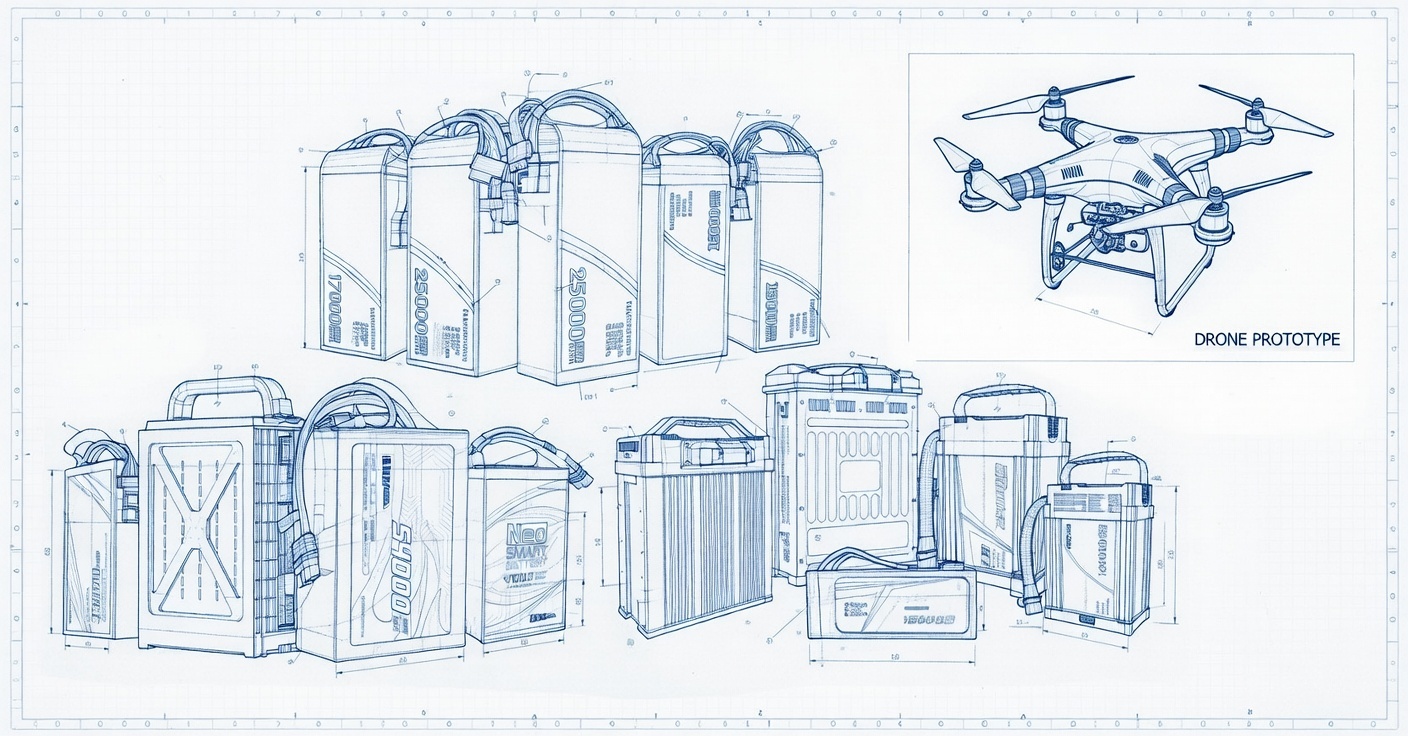
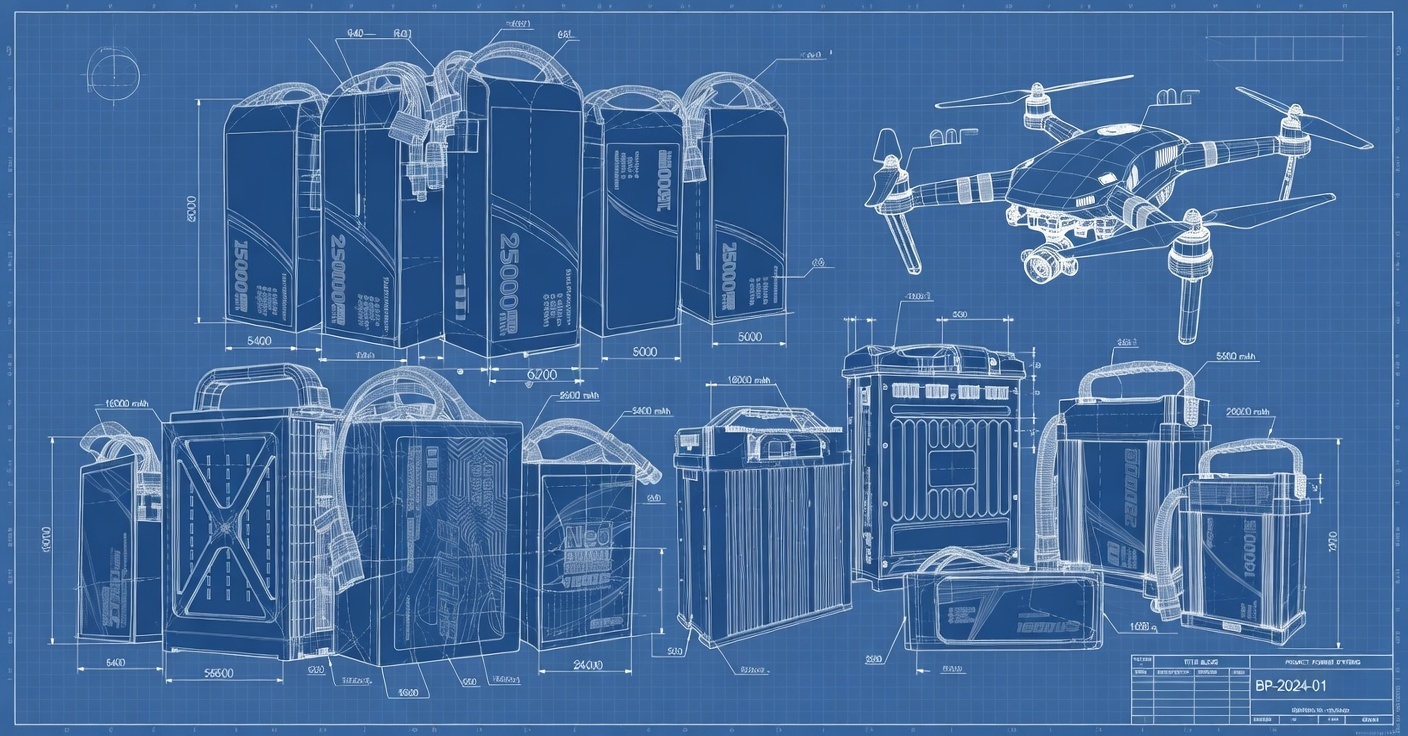
Reliable battery performance is non-negotiable for compliance. CNS Battery’s custom drone solutions undergo rigorous testing for stability, safety, and environmental resilience—ensuring your drone meets FAA/EASA standards. Their modular, lightweight batteries extend flight time while preventing mid-air failures, directly reducing regulatory risks. As a global manufacturer committed to “reliable battery innovation,” CNS ensures your equipment aligns with safety mandates.
✅ Strategy 2: Automate Regulatory Updates
Regulations evolve rapidly. Subscribe to FAA/EASA alerts or use apps like AirMap for real-time airspace updates. CNS Battery’s Technology Center offers quarterly compliance briefings, sharing insights like “2024 EASA Changes for Drone Filming in Urban Zones” via email. Staying informed prevents costly missteps.
✅ Strategy 3: Integrate Battery Health Checks into Pre-Flight Routines
Make battery diagnostics a non-negotiable step. CNS Battery’s maintenance guides (featured in their Tech Center) recommend:
- Checking voltage consistency before every flight
- Using temperature-controlled charging to prevent degradation
- Replacing batteries showing >10% capacity loss
This routine isn’t just for safety—it’s a compliance checkpoint. The FAA explicitly requires “reliable equipment” for Part 107 operations, and battery health directly impacts that.
✅ Strategy 4: Partner with Compliance Experts
For high-stakes projects, engage a drone compliance consultant. CNS Battery offers tailored audits for aerial filming teams, mapping your operations to regional regulations. Their team helps identify gaps—like missing privacy consents or unregistered drones—before they escalate.
Real-World Impact: How CNS Battery Prevents Compliance Failures
A major film studio in Berlin faced repeated project delays due to drone crashes during drone filming in the Alps. After switching to CNS Battery’s custom waterproof, high-capacity batteries, they achieved a 92% reduction in operational failures. The batteries’ consistent performance ensured flights stayed within FAA/EASA altitude limits, while CNS’s compliance training helped their pilots navigate EU no-fly zones seamlessly. The result? A $200,000 project delivered on time, with zero regulatory penalties. As one producer noted, “CNS didn’t just sell us batteries—they sold us peace of mind.”
Frequently Asked Questions (FAQs)
Q: Do I need a separate license for drone filming in national parks?
A: Absolutely. Most national parks require special permits beyond FAA Part 107. The National Park Service mandates written authorization for drone use, often involving a 30-day review process. Always check park-specific rules first.
Q: How do drone batteries affect my compliance status?
A: Batteries that fail mid-flight violate FAA safety protocols (Part 107 § 4.2), potentially leading to fines or suspension. High-quality, custom batteries like CNS’s modular solutions ensure consistent power, directly supporting your compliance posture.
Q: Can CNS Battery help with international compliance?
A: Yes. As a global drone battery manufacturer, CNS tailors solutions to regional standards—from FAA in the U.S. to EASA in Europe. Their battery designs meet IP67 waterproofing for EU shoots and comply with IATA lithium battery transport rules.
Q: Is pilot training mandatory for small drone operations?
A: Yes. Even for drones under 250 grams, the FAA requires a Part 107 certificate for commercial use. Skipping training risks fines and invalidates your insurance coverage.
Conclusion: Compliance as Your Competitive Edge
Regulatory compliance for aerial filming drones isn’t a hurdle—it’s your foundation for success. By avoiding common pitfalls and integrating reliable, compliant equipment like CNS Battery’s custom drone solutions, you transform compliance from a cost center into a strategic advantage. Imagine avoiding $10,000 in fines or securing a high-profile project because your drone never failed mid-flight. That’s the power of proactive compliance.
Ready to ensure your aerial filming drones operate at the pinnacle of safety and regulatory alignment? CNS Battery is your global partner in innovation, offering tailored drone battery solutions engineered for compliance, reliability, and extended flight performance. Don’t let regulatory gaps slow your vision—unlock seamless operations with a free quote.
Get Your Custom Drone Battery Solution Today
Visit CNS Battery’s Contact Page to request a free quote. Our dedicated team will help you select a battery solution that meets all regulatory standards, ensuring your next aerial filming project takes off without a hitch. Power your mission. Empower your creativity.