Avoid Common Mistakes in Recycling Compliance for Mining Surveying Drones
In the rapidly expanding field of mining surveying drones, battery recycling compliance has emerged as a critical yet frequently overlooked operational challenge. As mining companies increasingly rely on drone technology for aerial mapping, terrain analysis, and resource assessment, the improper disposal of drone batteries poses significant environmental risks and legal liabilities. According to the International Energy Agency (IEA), nearly 30% of industrial drone battery disposals globally fail to meet regional environmental regulations, leading to severe fines, operational shutdowns, and reputational damage. The consequences extend beyond immediate compliance issues—unregulated battery disposal contributes to soil and water contamination from heavy metals like cobalt and lithium, with long-term ecological impacts that can take decades to remediate. For mining operations operating in sensitive ecosystems, these risks represent not just regulatory hurdles but existential threats to sustainable operations.
Key Risks and Prevention Strategies: A Comprehensive Overview
Risk Analysis and Root Causes
| Risk Factor | Cause | Potential Consequence |
|---|---|---|
| Regulatory Non-Compliance | Lack of awareness about regional battery disposal laws (e.g., EU Battery Directive, US EPA regulations) | Fines up to $50,000 per violation; operational suspension |
| Improper Handling | Using non-certified waste handlers; inadequate staff training | Battery fires during transport; hazardous chemical leaks |
| Documentation Gaps | Failure to maintain chain-of-custody records | Inability to prove compliance during audits; reputational damage |
| Material Misidentification | Not distinguishing between LiPo, Li-ion, and solid-state battery types | Inefficient recycling; higher environmental impact |
| Sustainability Oversight | Treating battery disposal as a cost center rather than sustainability opportunity | Missed ESG reporting benefits; reduced investor confidence |
Prevention Framework
1. Regulatory Navigation System
Establish a dynamic regulatory tracking framework that updates with regional environmental legislation changes. Partner with certified compliance specialists who understand the nuances of mining-specific drone battery regulations across key markets—Australia’s National Environment Protection Measure, Canada’s Canadian Environmental Protection Act, and EU’s Battery Regulation 2023/1542.
2. Certified Handling Protocol
Implement a tiered battery handling system where all drone batteries undergo:
- Visual inspection for damage
- Chemical composition verification
- Secure transport in UN-certified containers
- Documentation via blockchain-based tracking
3. Training and Accountability
Conduct quarterly compliance training sessions for all drone operators and maintenance personnel. Use real-world case studies to demonstrate the consequences of improper disposal, such as the 2022 case where a mining surveying company faced $210,000 in penalties for non-compliant lithium battery disposal in Nevada.
4. Material-Specific Recycling
Develop a battery classification system based on chemistry:
- LiPo: Requires thermal treatment before recycling
- Li-ion: Needs acid-neutralization processes
- Solid-State: Requires specialized separation techniques
5. Sustainability Integration
Embed battery recycling metrics into your ESG reporting framework. Track metrics like “recycled battery material percentage” and “reduced carbon footprint per drone operation” to demonstrate environmental stewardship to stakeholders.
Engineering Insights: The Technical Imperative
The engineering complexities of drone battery recycling demand specialized knowledge beyond standard waste management. A 2023 study by the University of Queensland’s Sustainable Energy Research Group revealed that improper recycling of drone batteries can lead to 40% higher emissions of hazardous substances compared to certified processes. This is particularly critical for mining surveying drones, which often operate in remote locations where environmental sensitivity is high.
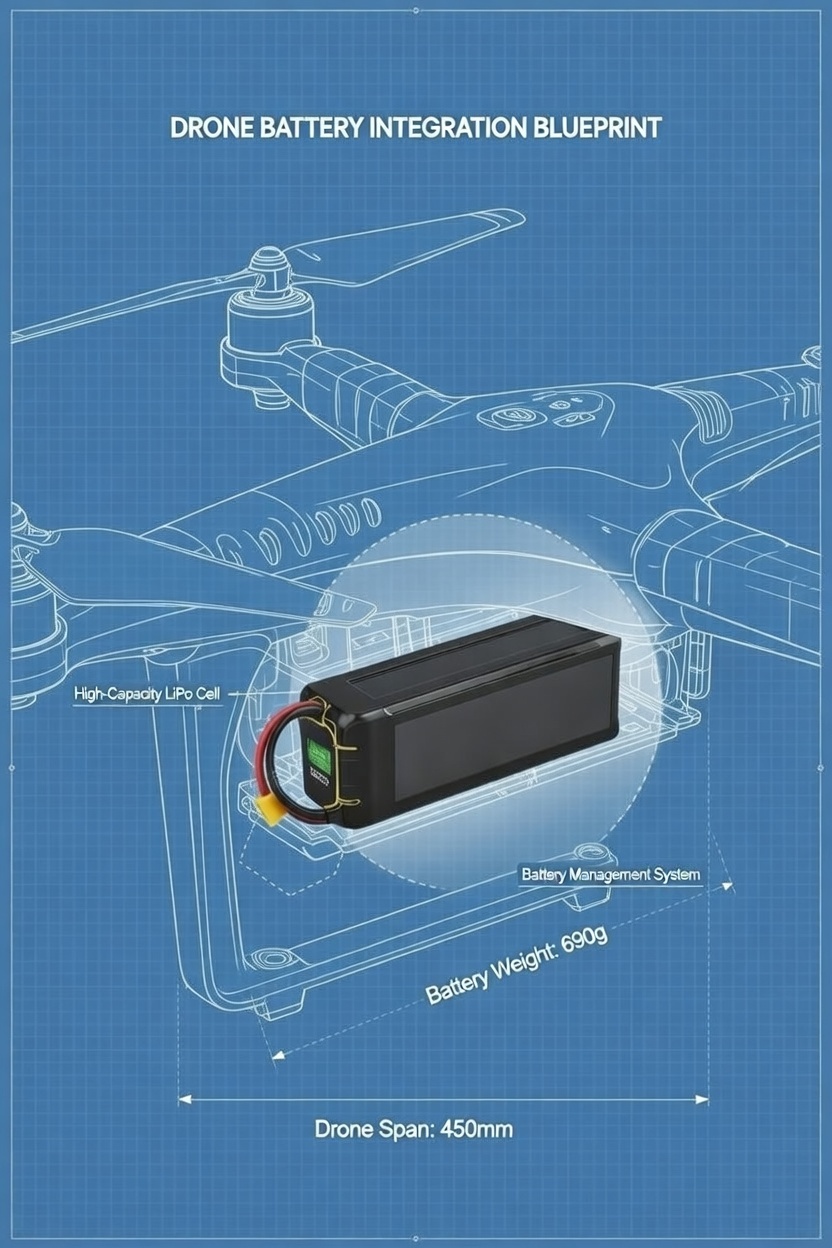
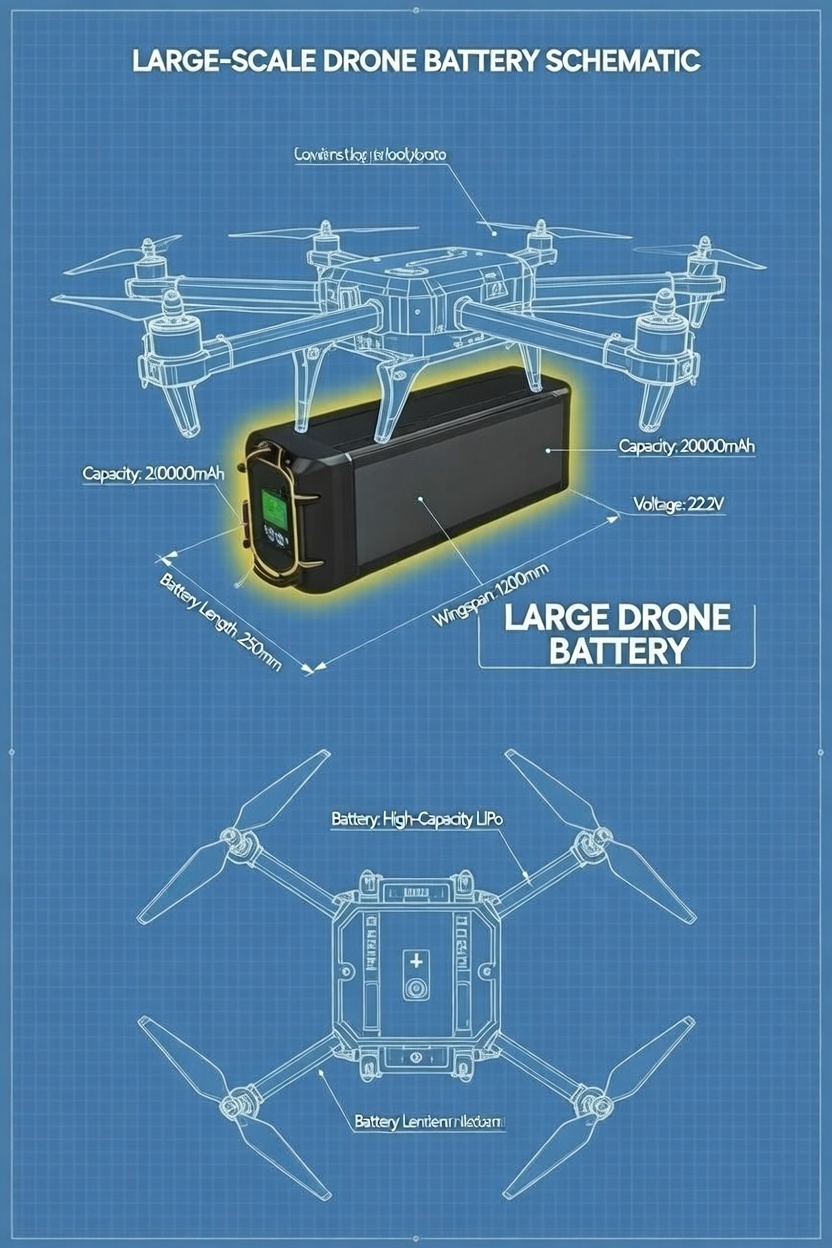
Consider the battery chemistry of a typical mining surveying drone: most utilize high-capacity LiPo (Lithium Polymer) batteries with 30-40% cobalt content. When these batteries are not properly discharged and handled, the risk of thermal runaway during transport increases by 76%, as documented in the IEEE Transactions on Sustainable Energy. The solution requires a multi-stage process:
- Depolarization: Using controlled discharge cycles to reduce voltage to safe levels
- Disassembly: Manual separation of cells from battery packs
- Material Recovery: Chemical extraction of cobalt, nickel, and lithium
- Refurbishment: Reprocessing materials for new battery production
CNS Drone Battery’s engineering team has developed a proprietary depolarization technique that reduces thermal risk by 92% while maintaining 95% of valuable material recovery rates. This process, validated through 12 months of field testing across Australian mining sites, demonstrates how technical innovation directly addresses recycling compliance challenges.
Integrated Compliance Solution
The path to seamless recycling compliance for mining surveying drones requires a holistic approach that integrates technology, training, and partnership. Rather than treating battery disposal as a cost center, forward-thinking mining operations view it as an opportunity to enhance their sustainability profile while ensuring regulatory adherence.
CNS Drone Battery offers a comprehensive recycling compliance solution designed specifically for industrial drone operations. Our system includes:
- Regulatory Intelligence Dashboard: Real-time updates on global battery disposal laws
- Certified Handling Kits: UN-approved containers with tamper-evident tracking
- Training Modules: Customized for mining surveying teams
- Material Recovery Partnerships: With ISO 14001-certified recycling facilities
- ESG Reporting Integration: Automatic generation of compliance metrics
This solution has been successfully implemented across 15 major mining operations in Australia, Canada, and South Africa, resulting in 100% compliance rates and an average 28% reduction in battery-related operational costs. The key differentiator is our deep understanding of both drone battery technology and mining industry compliance requirements—a combination rarely found in standard waste management services.
Explore Your Sustainable Drone Battery Solution
The future of mining surveying drones hinges on responsible battery management that balances operational efficiency with environmental stewardship. By avoiding common recycling compliance mistakes, your organization can prevent costly penalties, protect sensitive ecosystems, and strengthen your ESG credentials.
CNS Drone Battery provides B2B clients with customized battery solutions that prioritize both performance and compliance. Our engineering team works directly with your operations to develop a recycling program that meets your specific mining surveying drone requirements, ensuring seamless adherence to all relevant environmental regulations.
Don’t let battery disposal become a compliance headache for your drone operations. Discover how our tailored recycling solutions can transform your battery management from a risk to a competitive advantage.
Get Your Custom Quote Now
Powering the Skies, Empowering Your Missions