In the rapidly evolving landscape of modern agriculture, plant protection services drones have become indispensable tools for enhancing efficiency and reducing labor costs. However, for bulk procurement clients and service providers, the difference between a profitable fleet and a financial burden often lies in one critical phase: performance testing. Too many organizations rush into deployment without rigorous validation, leading to costly downtime, safety hazards, and inconsistent application results. This guide explores the common pitfalls in testing agricultural drones and provides actionable solutions to ensure your investment delivers maximum return.
The Hidden Costs of Inadequate Testing
When purchasing drones for large-scale agricultural operations, the initial purchase price is only part of the equation. The real cost emerges during operation. A common mistake is focusing solely on flight time while neglecting payload stability and environmental resilience.
Consider the scenario of a procurement manager who buys 50 units based on advertised spray width and battery life. Without testing under actual field conditions—varying wind speeds, temperature fluctuations, and chemical viscosity—these drones may fail mid-season. The pain points are severe:
- Operational Downtime: Unexpected battery swelling or motor failure during peak spraying windows can delay critical pest control measures, directly impacting crop yield.
- Safety Risks: Poorly tested propulsion systems can lead to crashes in populated areas or near livestock, creating liability issues.
- Inconsistent Application: If the spray system isn’t tested for flow rate stability under different battery voltage levels, crops may receive uneven treatment, leading to resistance issues or chemical waste.
- Premature Asset Depreciation: Batteries that haven’t undergone cycle life testing may degrade after 200 cycles instead of the promised 1500, forcing early replacement.
For bulk buyers, these issues multiply. A 5% failure rate in a fleet of 100 drones means five grounded units every week, disrupting service contracts and damaging reputation.
Critical Testing Phases Often Overlooked
To avoid these pitfalls, performance testing must go beyond basic hover checks. A comprehensive testing protocol should cover several key areas that are frequently ignored in standard factory acceptance tests.
Battery Endurance and Thermal Management
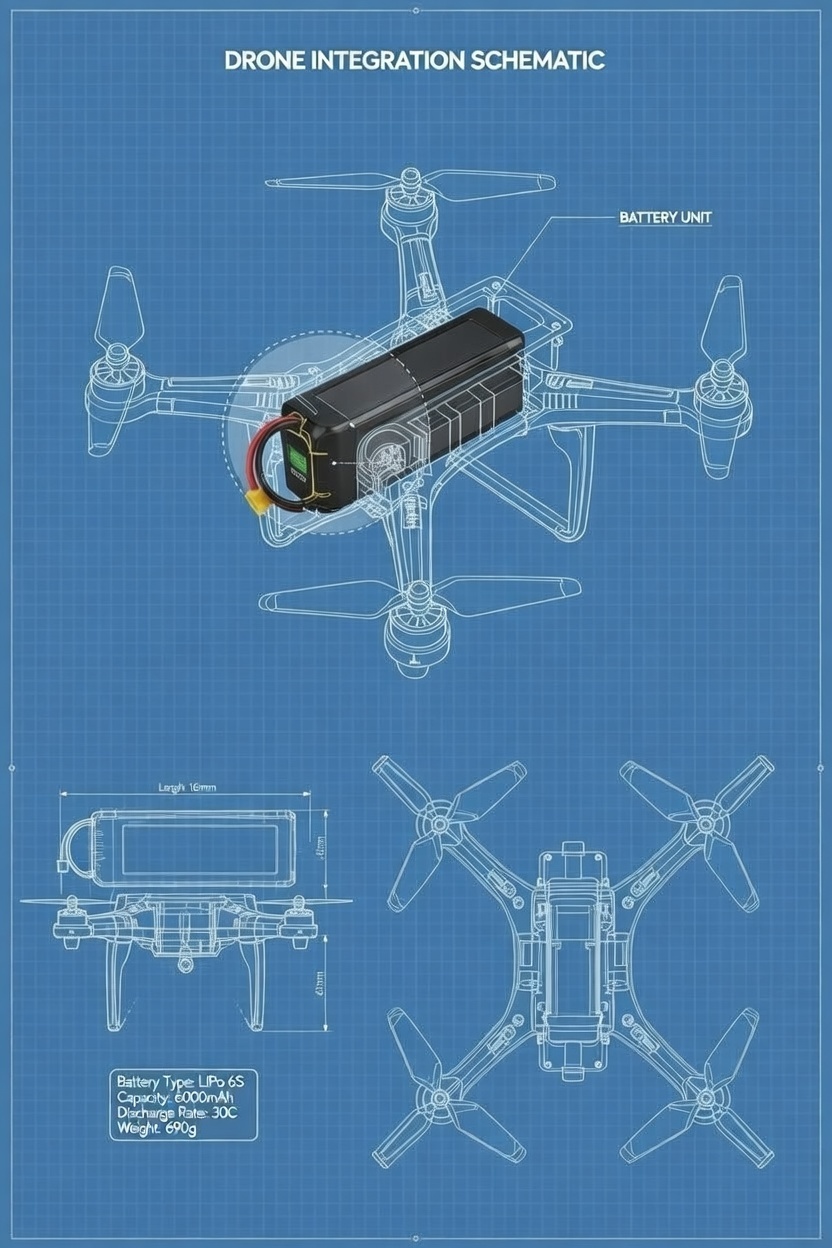
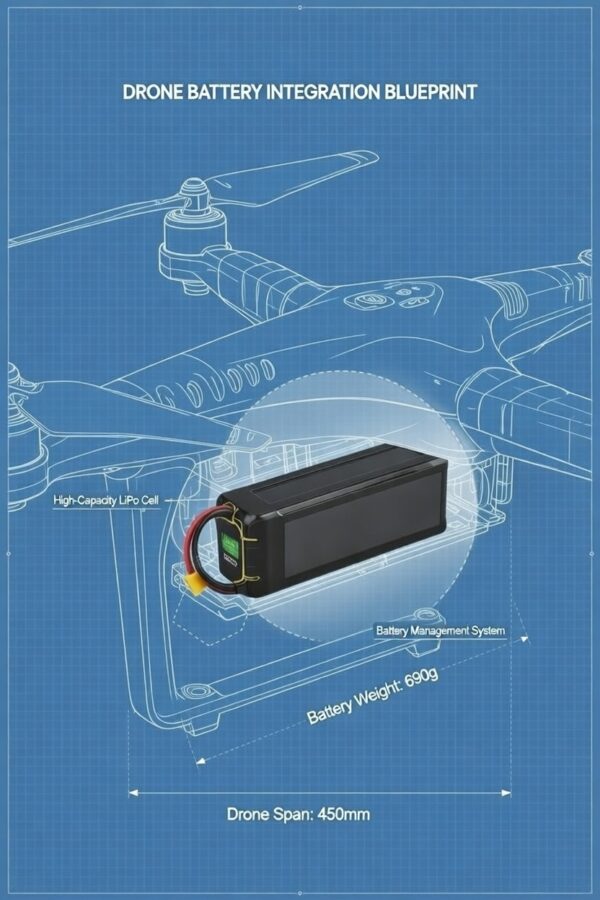
The heart of any electric plant protection drone is its power system. A common mistake is testing batteries only at room temperature. Agricultural drones operate in extreme conditions, from hot midday sun to cool early mornings. Testing must include:
- High-Load Discharge: Simulating full payload takeoffs and climbs to check voltage sag.
- Thermal Cycling: Exposing batteries to temperature ranges between -10°C to 45°C to ensure stability.
- Cycle Life Validation: Verifying that the battery maintains 80% capacity after the manufacturer’s claimed cycle count.
Payload Stability and Spray Accuracy
Carrying a 30-liter tank changes the drone’s center of gravity as the liquid depletes. Many testing protocols fail to account for this dynamic shift. Solutions include:
- Full-to-Empty Flight Profiles: Testing stability when the tank is 100% full versus 10% remaining.
- Nozzle Pressure Consistency: Ensuring the pump maintains constant pressure regardless of battery voltage drop.
- Drift Analysis: Measuring spray drift under varying wind conditions to ensure compliance with environmental regulations.
Environmental Resistance
Agricultural environments are harsh. Dust, moisture, and chemical corrosion are constant threats. A robust testing regime includes:
- IP Rating Verification: Confirming dust and water resistance claims (e.g., IP67) through actual exposure, not just certification papers.
- Corrosion Testing: Exposing electronic components to fertilizer and pesticide vapors to check for long-term degradation.
- Vibration Testing: Ensuring solder joints and connectors withstand the high-frequency vibrations of multi-rotor motors.
Industry Standards and Compliance
Navigating the regulatory landscape is crucial for bulk procurement. In 2026, standards for agricultural machinery are becoming more stringent. For instance, new national standards implemented in early 2026 focus on intelligent agricultural equipment, emphasizing safety and data monitoring.
When evaluating drones, ensure they comply with relevant aviation authority regulations in your region. In many jurisdictions, agricultural drones must meet specific noise limits and remote identification requirements. Additionally, look for ISO certifications related to quality management systems. Compliance isn’t just about legality; it’s about insurance and liability. A drone that meets international safety standards is easier to insure and safer to operate in regulated airspace.
Procurement teams should request test reports from third-party laboratories. Certificates from the manufacturer alone may not suffice. Independent validation of flight controllers, battery management systems (BMS), and spray mechanisms adds a layer of trust essential for large-scale deployments.
Checklist for Bulk Procurement Clients
To streamline your evaluation process, use this checklist when negotiating with suppliers. This ensures that performance testing is not just a formality but a core part of the procurement agreement.
- Battery Warranty Terms: Does the warranty cover capacity degradation below 80% within the first year?
- Field Test Data: Can the supplier provide logs from actual field tests in conditions similar to your operation area?
- Spare Parts Availability: Is there a guaranteed supply chain for critical components like propellers, pumps, and batteries for at least 5 years?
- Software Updates: How frequently is the flight control software updated, and is there support for integration with farm management systems?
- Training and Support: Does the package include technical training for your maintenance team on troubleshooting and testing procedures?
- Fail-Safe Mechanisms: Are there tested protocols for return-to-home in case of signal loss or low battery?
- Chemical Compatibility: Has the pump and tank system been tested with the specific chemicals you intend to use?
- Data Security: How is flight data stored and protected, especially if operating in sensitive agricultural zones?
Case Study: The Cost of Skipping Thermal Testing
A large agricultural cooperative in Southeast Asia recently expanded its fleet by 200 units. They selected a model based on price and advertised flight time, skipping independent thermal testing. During the first hot season, ambient temperatures regularly exceeded 40°C.
Within three months, 15% of the batteries showed signs of swelling, and several drones experienced unexpected power loss during flight. The cooperative faced a total operational halt for two weeks while replacements were sourced. The cost of downtime, emergency shipping, and lost service contracts exceeded 30% of the initial fleet investment.
In contrast, a competitor who insisted on high-temperature discharge testing and thermal management validation operated seamlessly through the same period. Their batteries maintained voltage stability, and their drones completed daily sorties without interruption. This real-world example underscores that rigorous testing is an investment, not an expense.
Frequently Asked Questions
Q: How often should performance testing be repeated after procurement?
A: For bulk fleets, quarterly testing is recommended. This should include battery health checks, motor vibration analysis, and spray calibration. Seasonal changes often affect performance, so pre-season testing is critical.
Q: What is the acceptable failure rate during acceptance testing?
A: For critical components like batteries and flight controllers, the acceptable failure rate should be 0%. For wearable parts like propellers, a small margin is expected, but structural failures should trigger a batch review.
Q: Can third-party batteries be used if they pass testing?
A: While technically possible, using non-OEM batteries often voids warranties and can lead to compatibility issues with the BMS. It is safer to stick with manufacturer-approved power systems unless you have specialized engineering support.
Q: How do we verify spray accuracy without specialized equipment?
A: Simple water sensitivity cards can be used in the field to check droplet density and distribution. For precise measurement, partner with local agricultural universities or testing centers that have wind tunnel facilities.
Q: What data should be logged during testing?
A: Key metrics include voltage per cell, current draw, motor temperature, GPS accuracy, and flow rate. This data helps in predictive maintenance and identifying trends before failures occur.
Conclusion
Avoiding common mistakes in performance testing for plant protection services drones requires a shift in mindset from buying products to investing in solutions. For bulk procurement clients, the stakes are higher, and the margin for error is smaller. By prioritizing rigorous testing protocols, adhering to industry standards, and demanding transparency from suppliers, you can build a fleet that is reliable, safe, and profitable.
The future of agriculture depends on technology that works as hard as the farmers who use it. Don’t let inadequate testing undermine your operational efficiency. Ensure your drones are ready for the field before they leave the ground.
Ready to optimize your drone fleet’s power performance and discuss bulk procurement testing standards? Contact our expert team today for a comprehensive consultation.