Avoid Common Mistakes in Performance Testing for Aerial Filming Drones
In the rapidly evolving world of aerial cinematography, drone performance testing isn’t just a technical necessity—it’s the cornerstone of professional quality and operational safety. Yet, many filmmakers and drone operators fall into preventable traps that compromise their footage, shorten equipment lifespan, and ultimately derail projects. The stakes are high: a single miscalculation in battery performance can mean lost shots, costly delays, and even drone crashes. As the demand for high-resolution aerial footage surges across film, real estate, and event industries, mastering precise performance testing becomes non-negotiable. This guide reveals critical pitfalls to avoid, backed by industry-tested methodologies, and positions CNS Battery’s specialized drone battery solutions as the essential foundation for reliable aerial imaging. Discover how proper testing protocols transform your drone from a mere tool into a consistent cinematic asset.
Pre-Test Preparation: The Unseen Foundation
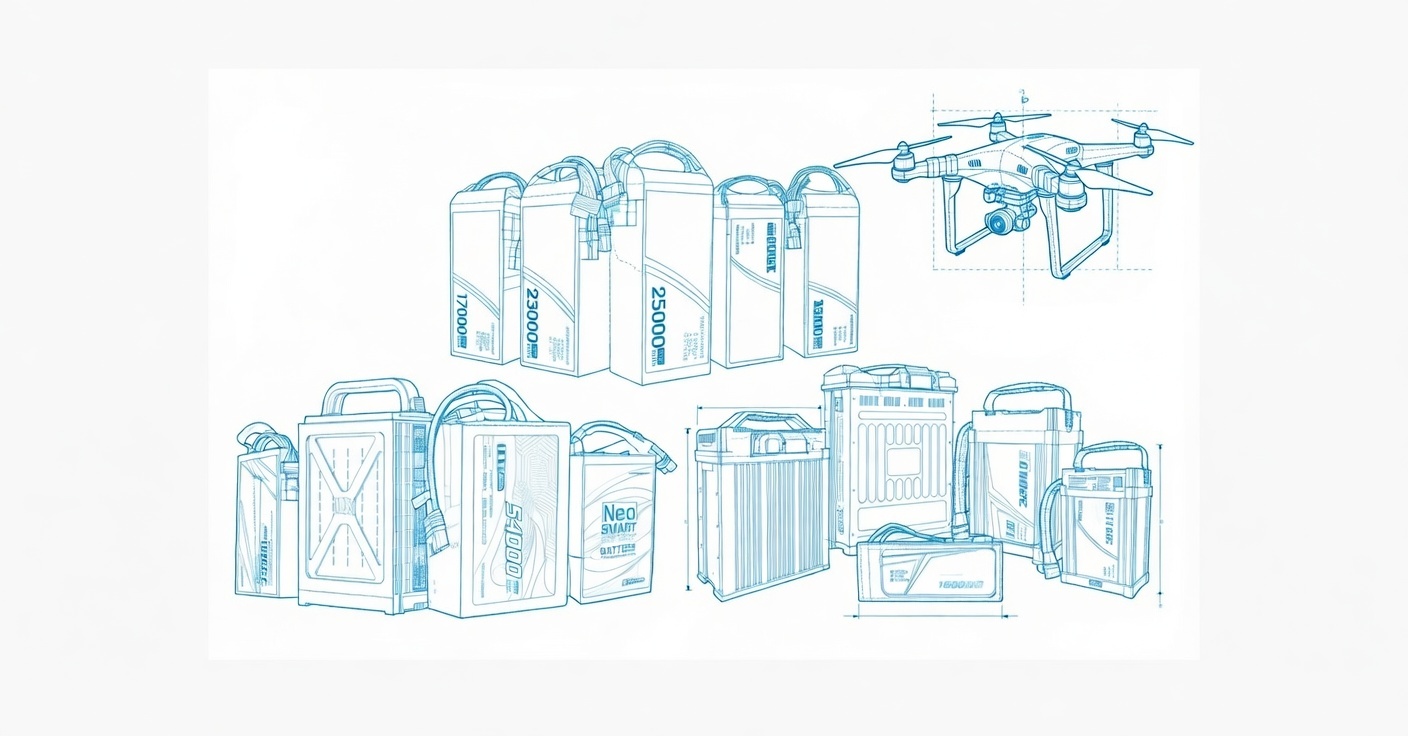
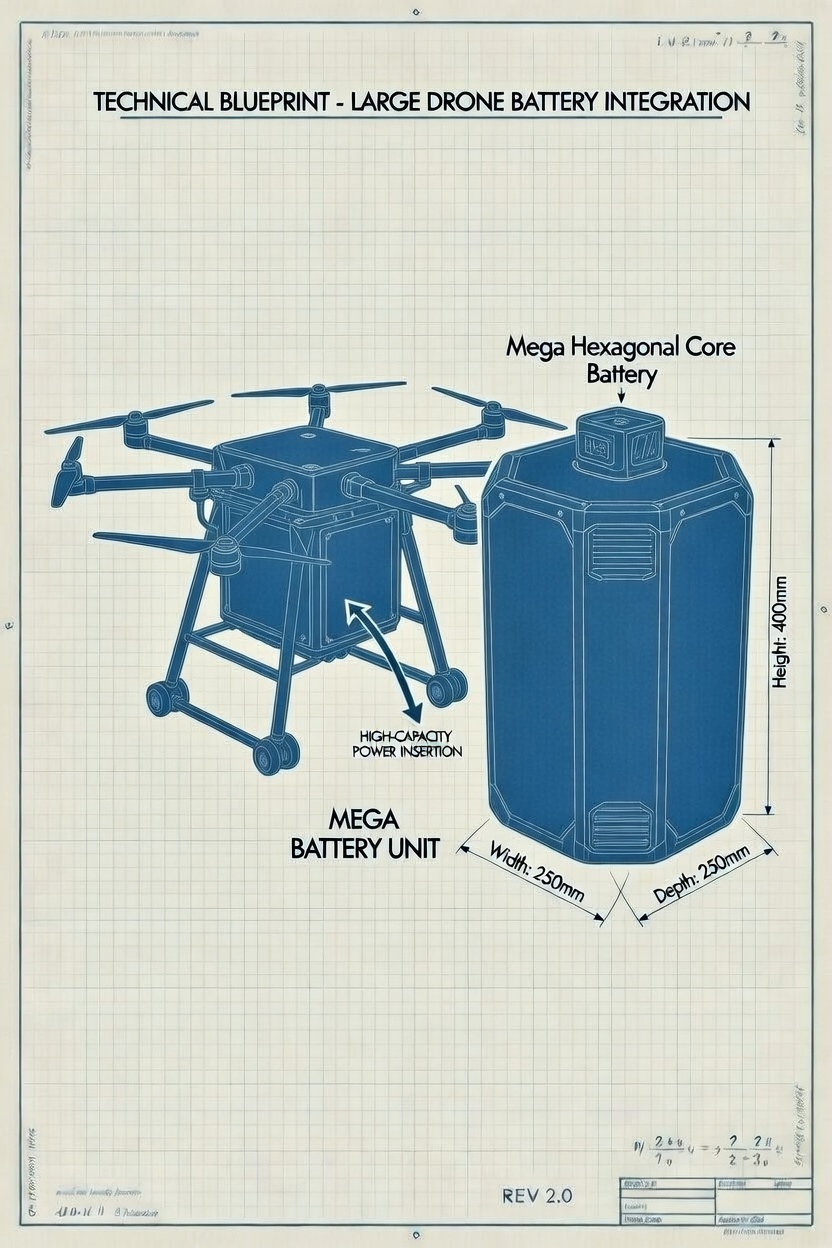
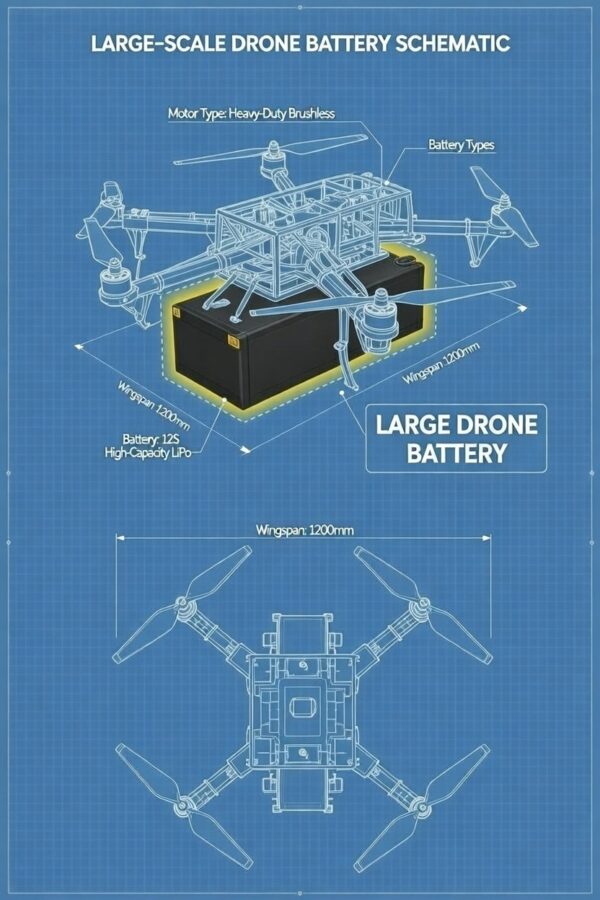
Before you even power up your drone, meticulous preparation sets the stage for accurate results. Many overlook this phase, leading to inconsistent data that misrepresents battery capabilities. Start by ensuring your drone battery is specifically optimized for aerial filming—a task where standard batteries often fail under prolonged high-drain conditions. CNS Battery’s custom drone batteries, engineered for industrial-grade reliability, incorporate features like thermal management systems and precision voltage monitoring that prevent the unexpected power drops common in off-the-shelf solutions.
Key preparation steps include:
- Battery Calibration: Always perform a full charge-discharge cycle before testing to reset the battery management system (BMS).
- Environmental Baseline: Record ambient temperature and humidity at the testing location, as these significantly impact battery performance.
- Drone Configuration: Confirm all camera and gimbal settings are identical to your filming setup, as payload weight directly influences battery drain rates.
- Software Verification: Ensure your drone’s firmware and flight controller software are updated to avoid compatibility issues that skew test results.
Skipping these steps often leads to data that doesn’t reflect real-world usage, making it impossible to trust your battery performance metrics.
Environmental Control: Eliminating External Variables
Aerial filming drones operate in unpredictable conditions, but your performance tests must isolate variables to yield actionable insights. Weather fluctuations, wind patterns, and even subtle temperature changes can dramatically alter battery behavior. For instance, a 10°C drop in ambient temperature can reduce battery capacity by up to 20%—a critical factor when shooting in mountainous or coastal regions.
Effective environmental control strategies:
- Temperature Management: Test in climate-controlled environments (ideally 20-25°C) to establish baseline performance. For real-world validation, conduct secondary tests in simulated conditions.
- Wind Simulation: Use wind tunnels or controlled outdoor spaces to assess battery drain during high-wind operations, which is crucial for film crews shooting in coastal or urban canyons.
- Altitude Considerations: Test at varying altitudes if your filming frequently occurs above 1,000 meters, as reduced atmospheric pressure affects battery chemistry.
- Time of Day: Avoid testing during extreme heat (midday) or cold (early morning) to prevent skewed data from temperature extremes.
CNS Battery’s temperature-optimized drone batteries excel in these scenarios, maintaining stable discharge rates even in challenging environments—proving invaluable for filmmakers who can’t afford downtime during critical shoots.
Parameter Precision: Setting the Right Metrics
Vague testing protocols yield vague results. To avoid misinterpreting battery performance, define precise parameters that mirror your actual filming demands. Many operators test batteries at maximum power output, ignoring the fact that aerial cinematography typically operates at 60-70% of a drone’s capacity. This mismatch leads to overestimating battery life during actual shoots.
Critical parameters to measure:
- Discharge Rate: Test at 1C-2C rates (not 5C) to simulate realistic filming conditions.
- Voltage Stability: Monitor voltage drop during sustained operations to identify early signs of battery degradation.
- Cycle Life: Conduct 50+ charge-discharge cycles to assess long-term reliability for recurring projects.
- Payload Impact: Add camera weight (or equivalent) to the drone during testing to replicate actual flight conditions.
CNS Battery’s modular drone battery systems allow for precise customization of these parameters, ensuring your tests directly correlate to your operational needs. For example, their waterproof, lightweight batteries maintain consistent performance even when carrying heavy cinema-grade cameras.
Data Analysis: Turning Numbers into Actionable Insights
Raw test data is meaningless without proper analysis. Many teams collect metrics but fail to interpret them through a filmmaking lens. A 15-minute battery life in a test might seem sufficient, but if it drops to 10 minutes under real-world conditions, the discrepancy could mean missing a sunset shot.
Effective data analysis techniques:
- Correlate Flight Time with Footage Quality: Track how battery depletion correlates with camera stabilization and image clarity.
- Identify Performance Plateaus: Note when battery drain accelerates unexpectedly, indicating potential cell inconsistencies.
- Benchmark Against Industry Standards: Compare results to CNS Battery’s documented performance metrics for similar drone models.
- Predict Failure Points: Use historical data to anticipate when batteries may need replacement before critical shoots.
This analytical approach transforms testing from a one-time task into a continuous optimization process, ensuring your drone battery performance aligns with your creative vision.
Top 5 Testing Mistakes to Avoid (With Solutions)
Avoid these common pitfalls that undermine your drone’s performance testing:
- Ignoring Battery Age: Using a nearly depleted battery for testing creates false negatives.
Solution: Always test with batteries at 30-70% charge to ensure consistent baseline performance. - Testing in Isolation: Evaluating batteries without the drone’s full payload.
Solution: Simulate your actual filming setup with camera and gimbal attached during all tests. - Relying on Manufacturer Claims: Accepting spec sheets without real-world validation.
Solution: Conduct your own tests using CNS Battery’s custom solutions, which undergo rigorous validation for industrial use. - Skipping Thermal Testing: Failing to monitor battery temperature during extended flights.
Solution: Use thermal cameras during testing to identify overheating points that could cause shutdowns. - Inconsistent Testing Conditions: Changing variables between test cycles.
Solution: Document every environmental and operational parameter to maintain test integrity.
Each of these mistakes can cost filmmakers hours of lost footage or expensive equipment repairs. CNS Battery’s performance-optimized batteries—engineered with rapid prototyping and quality control—minimize these risks, delivering the reliability needed for professional aerial cinematography.
Conclusion: Elevate Your Aerial Filming with Precision
Performance testing for aerial filming drones isn’t merely a technical chore—it’s a strategic advantage that separates amateur shoots from cinematic excellence. By avoiding common testing mistakes, you ensure your drone battery delivers consistent power, extends flight time, and safeguards your equipment investment. The key lies in precise preparation, controlled environments, and data-driven analysis, all of which are amplified by high-performance battery solutions like those from CNS Battery.
Your drone isn’t just a flying camera—it’s the engine of your creative vision. When battery performance is optimized, you gain more time in the air, fewer interruptions, and the confidence to capture the perfect shot, no matter the conditions.
Ready to transform your drone performance testing? CNS Battery specializes in custom drone battery solutions engineered for aerial filmmaking excellence. Our B2B-focused approach delivers high-capacity, waterproof, and temperature-stable batteries designed to meet the exacting demands of professional cinematography.
Get Your Custom Quote Now
Experience the CNS difference—where reliable battery innovation meets your creative ambitions.