Avoid Common Mistakes in IP Rating for Construction Mapping Drones
In the rapidly evolving landscape of construction technology, drone mapping has emerged as a game-changer for site surveying, progress tracking, and project management. Yet, many construction firms overlook a critical factor that can make or break the success of their drone operations: the IP rating of their drone batteries. When it comes to construction mapping drones, an inadequate IP rating isn’t just a technical oversight—it’s a direct threat to project timelines, data accuracy, and operational safety. Understanding and implementing the correct IP rating for your drone battery system is where true innovation meets practical necessity. Let’s explore why this matters and how to avoid the most common pitfalls.
Why IP Rating is the Silent Hero of Construction Drone Operations
The IP (Ingress Protection) rating is more than just a number—it’s a promise of reliability in the harshest environments. For construction mapping drones operating in dusty job sites, rainy conditions, or extreme temperatures, the right IP rating ensures consistent performance and data integrity. A properly rated battery system delivers significant advantages:
Enhanced Operational Reliability: Drones with appropriate IP ratings (typically IP67 or higher for construction applications) withstand dust, moisture, and temperature fluctuations without performance degradation. This means uninterrupted mapping sessions, even during unexpected weather changes.
Extended Equipment Lifespan: Construction environments are inherently harsh. Dust, moisture, and debris can infiltrate poorly rated batteries, causing corrosion, short circuits, and premature failure. A robust IP rating protects your investment, reducing replacement costs and downtime.
Superior Data Integrity: When batteries fail unexpectedly due to environmental factors, mapping data becomes incomplete or unusable. Proper IP ratings maintain stable power delivery, ensuring complete, accurate geospatial data collection—critical for engineering decisions and regulatory compliance.
Increased Safety and Compliance: Construction sites have strict safety protocols. Drones with inadequate IP ratings risk sudden failures mid-flight, creating safety hazards. A properly rated system meets industry safety standards and reduces liability concerns.
The Most Common IP Rating Mistakes and Why They Matter
Many construction teams make avoidable errors when selecting IP ratings for their mapping drones. Let’s examine these pitfalls from the perspective of the advantages they undermine:
Mistake 1: Ignoring Environmental Specifics
The Error: Assuming all construction sites are the same and choosing a generic IP65 rating without assessing specific conditions.
Why It’s Costly: Construction sites vary dramatically—some are dry and dusty, others are wet and muddy, and many experience both. IP65 may suffice for dry sites but fails in heavy rain or dust storms. This leads to unexpected battery failures, data loss, and costly delays.
The Advantage Realized: A site-specific assessment ensures your drone battery system matches the actual environmental challenges, maximizing uptime and data quality.
Mistake 2: Overlooking Battery Design Integration
The Error: Focusing solely on the drone’s IP rating while neglecting the battery’s integration with the entire system.
Why It’s Costly: A drone might have a high IP rating, but if the battery lacks proper sealing, moisture can infiltrate the power system, causing failures. This disconnect between drone and battery creates vulnerabilities.
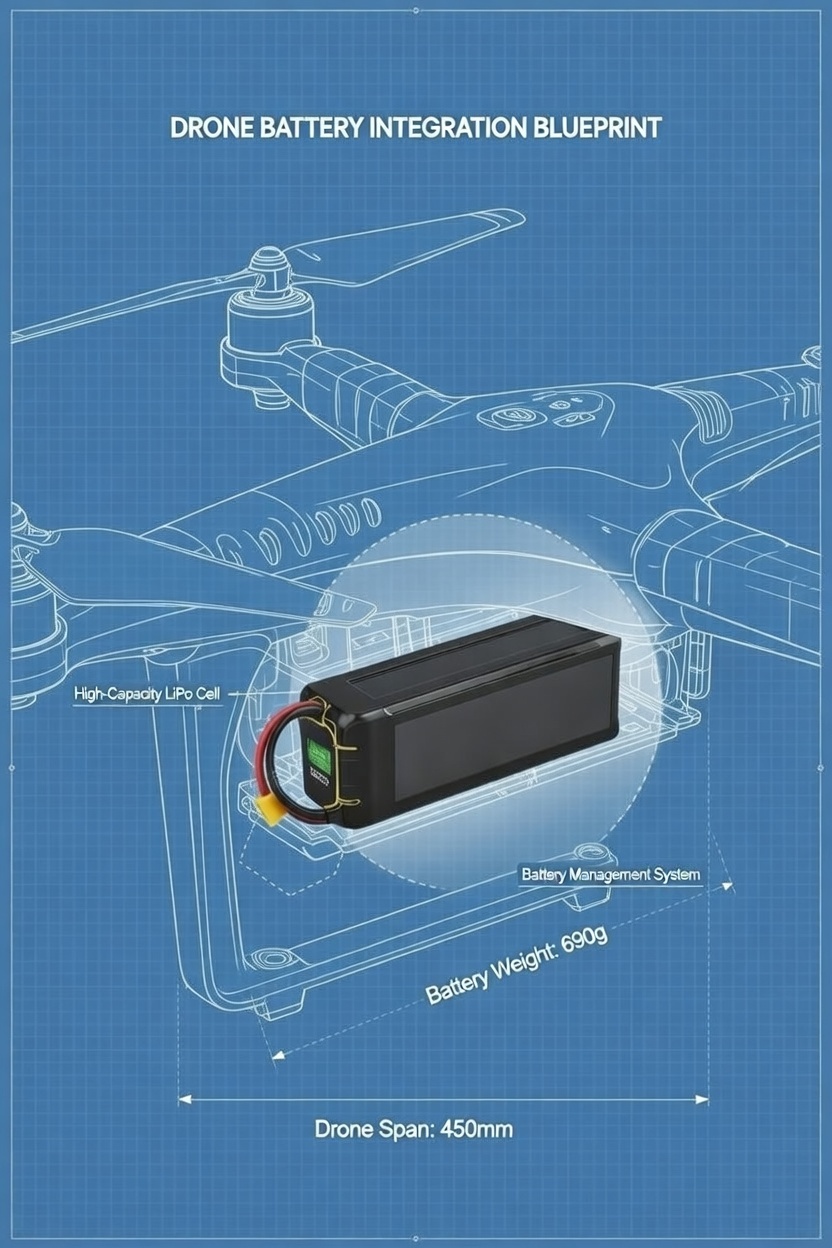
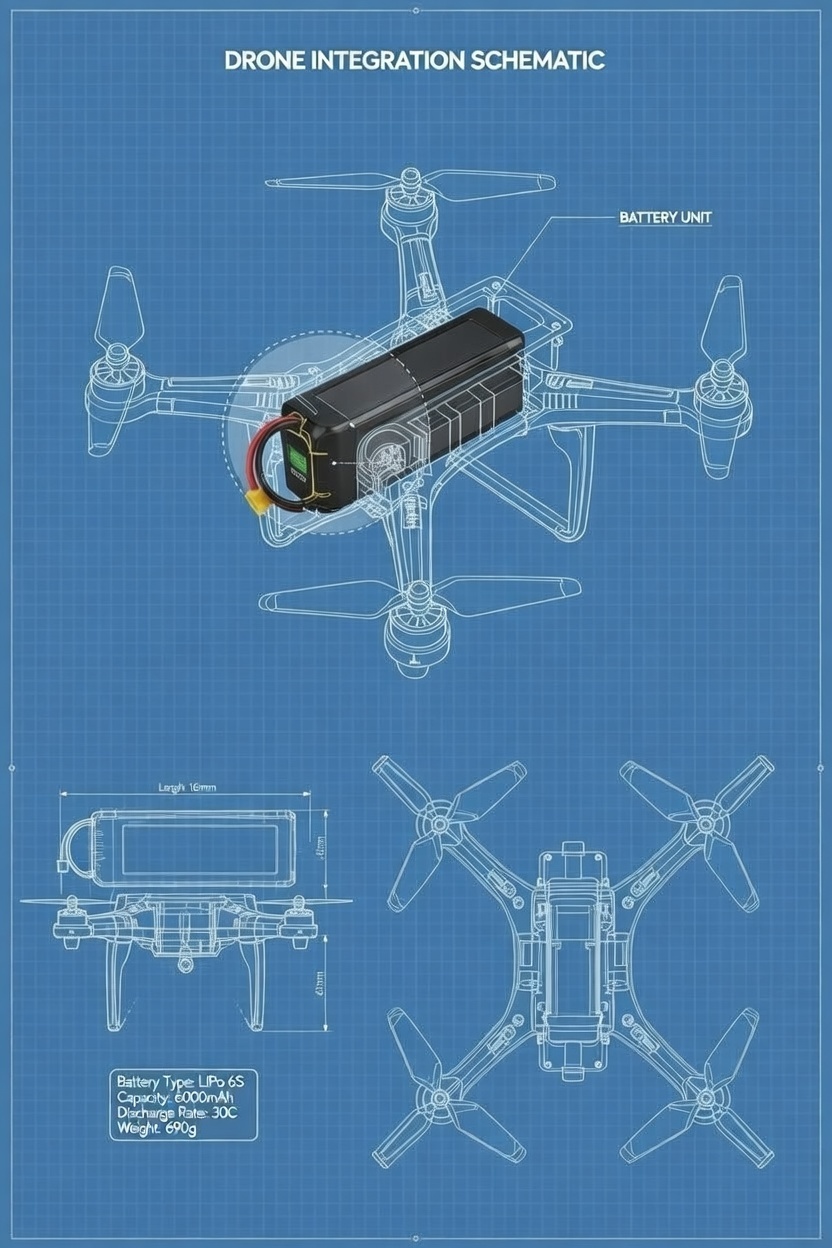
The Advantage Realized: When battery and drone are engineered as a cohesive system with matching IP ratings (e.g., IP68 for both), you achieve seamless performance and eliminate weak points in your operational chain.
Mistake 3: Prioritizing Cost Over Quality
The Error: Selecting cheaper batteries with misleading IP ratings to save initial costs.
Why It’s Costly: Low-quality batteries with false IP claims often fail prematurely, leading to higher long-term costs from replacements, lost data, and project delays. The “savings” quickly evaporate.
The Advantage Realized: Investing in high-quality, certified batteries with genuine IP ratings delivers superior value through extended operational life, reduced maintenance, and consistent performance.
A Step-by-Step Guide to Implementing the Right IP Rating
Avoiding these common mistakes requires a systematic approach. Follow this guide to ensure your construction mapping drones operate at peak performance in any environment.
Step 1: Conduct a Comprehensive Site Assessment
Begin by analyzing the specific conditions your drone will encounter:
- Weather Patterns: How often does rain occur? What are the typical humidity levels?
- Dust and Debris: Is the site prone to fine dust, sand, or construction materials?
- Temperature Extremes: What are the typical temperature ranges during operations?
Example: A construction site in Arizona’s desert might require IP68 for dust resistance and high-temperature tolerance, while a coastal site in Seattle would prioritize IP68 for moisture resistance.
Step 2: Understand IP Rating Specifications
Decipher the meaning of IP ratings to make informed choices:
- First Digit (Dust Protection): IP6X indicates total dust protection (6 = highest level).
- Second Digit (Water Protection): IPX7 means submersion up to 1 meter for 30 minutes; IPX8 indicates deeper submersion capability.
Tip: For construction mapping drones, IP67 or IP68 is ideal. Avoid IP54 or lower, as these are insufficient for most construction environments.
Step 3: Partner with a Battery Provider That Understands Construction Needs
Not all battery manufacturers have the expertise to address construction-specific challenges. Seek partners who offer:
- Customized solutions for high-dust, high-moisture environments
- Rigorous testing protocols that simulate real-world construction conditions
- Waterproof battery designs that maintain performance in extreme weather
Example: CNS BATTERY specializes in industrial drone battery solutions engineered for construction mapping. Their custom IP68-rated batteries undergo extensive testing for dust resistance, water submersion, and temperature extremes—ensuring they perform reliably in the most demanding job sites.
Step 4: Verify Through Real-World Testing
Before full deployment, test your drone-battery system in simulated conditions:
- Expose the drone to dust chambers to verify IP68 dust protection
- Submerge the battery in water (within specified depth and time) to confirm IP68 water resistance
- Conduct operational tests in temperature-controlled environments to ensure consistent performance
Pro Tip: Document all test results to validate your IP rating claims and build confidence in your drone system’s reliability.
Step 5: Implement Ongoing Maintenance Protocols
Even with the right IP rating, regular maintenance is crucial:
- Inspect battery seals after each use in harsh conditions
- Clean drone and battery components to prevent dust buildup
- Monitor battery performance metrics to detect early signs of degradation
Case Study: A major construction firm in Texas experienced a 40% reduction in drone downtime after implementing a maintenance protocol focused on IP-rated battery care. Their mapping projects consistently delivered complete datasets, eliminating costly re-surveys.
Real-World Impact: How Proper IP Rating Transformed a Construction Project
Consider the case of a large infrastructure project in Chicago’s downtown area. The client initially used drones with IP65-rated batteries for mapping. During a sudden summer thunderstorm, the drones failed repeatedly, causing a two-week delay in project progress and $250,000 in lost productivity. After switching to IP68-rated batteries from a specialized provider, the team completed mapping in the same weather conditions without interruption. The project was delivered on time, and the client reported a 30% increase in drone utilization due to improved reliability.
This example illustrates the tangible business impact of getting IP ratings right. It’s not just about avoiding failure—it’s about gaining a competitive edge through operational excellence.
The Future of Construction Drone Reliability
As construction mapping drones become more sophisticated, the demand for reliable, high-performance batteries will only increase. The industry is moving toward IP68 as the standard for professional construction applications, with a growing emphasis on modular, waterproof designs that support extended operations in challenging environments.
CNS BATTERY is at the forefront of this evolution, offering custom drone battery solutions engineered specifically for construction mapping. Their IP68-rated batteries feature:
- Advanced sealing technology for dust and moisture resistance
- High-capacity, long-lasting power for extended mapping missions
- Fast-charging capabilities to minimize downtime between operations
- Lightweight, modular designs that integrate seamlessly with leading drone platforms
Take Your Construction Mapping to the Next Level
The right IP rating isn’t a technical detail—it’s a strategic advantage that directly impacts your project’s success. By avoiding common mistakes and implementing a systematic approach to IP rating selection, you transform your drone operations from a potential liability into a reliable asset.
Don’t let environmental challenges derail your construction mapping projects. Partner with a battery provider who understands the unique demands of your industry and delivers solutions built for real-world performance.
Ready to elevate your drone battery performance? Get a free, customized quote for your construction mapping needs today.
Let us help you avoid the pitfalls of inadequate IP ratings and unlock the full potential of your construction mapping drones. Our team of experts will work with you to design a battery solution that matches your specific site conditions, ensuring maximum uptime, data accuracy, and operational safety. With CNS BATTERY, your drones won’t just fly—they’ll deliver results, no matter the weather.