Introduction
Power line inspection has undergone a dramatic transformation with the advent of drone technology. Today, utility companies rely heavily on unmanned aerial vehicles to conduct efficient, safe, and comprehensive transmission line patrols. However, one critical factor often overlooked by drone operators is energy density in drone batteries. Understanding and avoiding common mistakes related to energy density can mean the difference between a successful mission and an unexpected emergency landing.
This article explores the essential knowledge every power line patrol operator needs about drone battery energy density. We’ll identify frequent errors, provide actionable management techniques, and share expert tips to optimize your drone operations. Whether you’re managing a fleet of inspection drones or operating a single unit, mastering energy density considerations will enhance mission reliability, reduce operational costs, and improve overall safety.
Understanding Energy Density in Drone Batteries
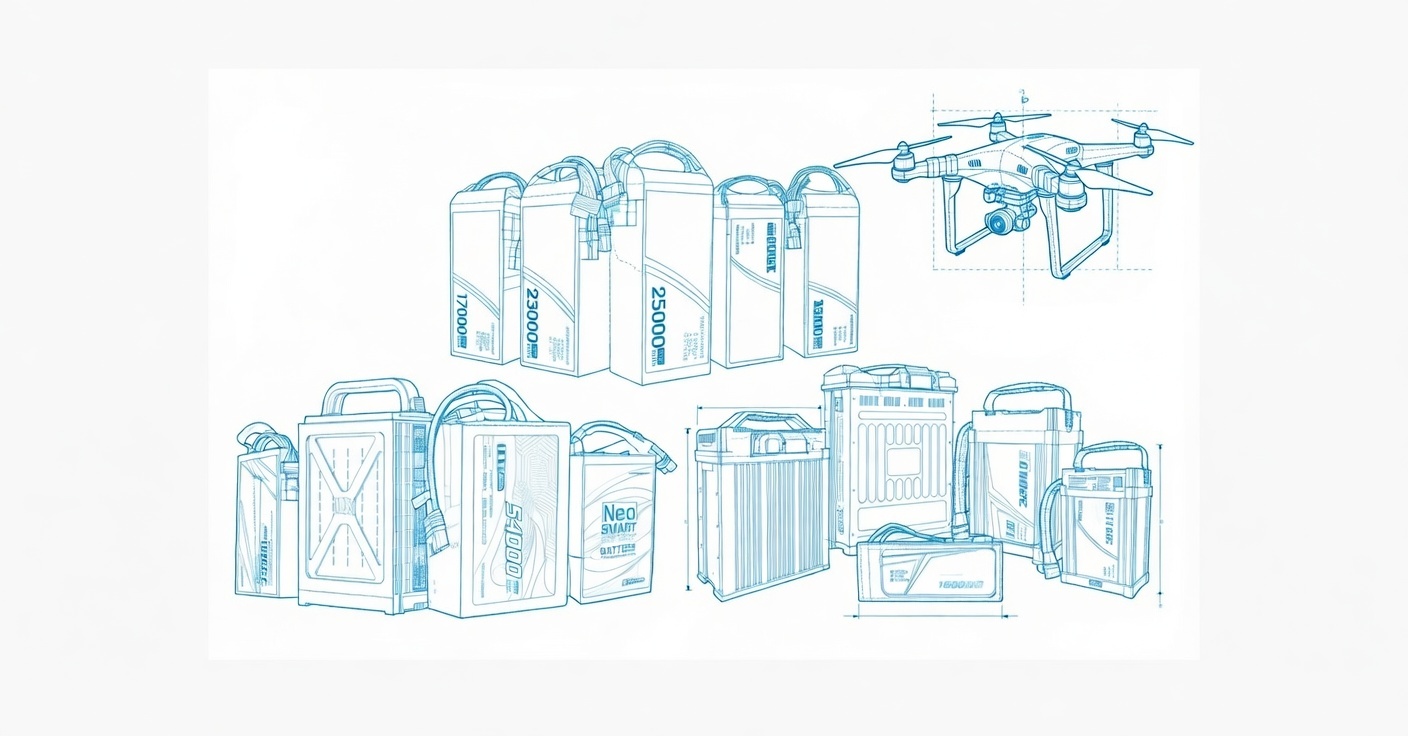
Energy density refers to the amount of energy stored per unit of battery weight or volume. For power line patrol drones, this metric directly impacts flight time, payload capacity, and operational range. Higher energy density batteries enable longer inspection missions without requiring frequent battery swaps or recharging stops.
Modern drone batteries typically utilize lithium polymer (LiPo) or lithium-ion (Li-ion) chemistry. Recent advancements in 2025-2026 have introduced solid-state and semi-solid battery technologies, offering improved safety margins and enhanced energy density for industrial applications. However, selecting the right battery requires more than simply choosing the highest energy density option available.
Key Metrics to Monitor
- Gravimetric Energy Density: Measured in watt-hours per kilogram (Wh/kg), this indicates how much energy the battery stores relative to its weight
- Volumetric Energy Density: Measured in watt-hours per liter (Wh/L), crucial for drones with limited battery compartment space
- Discharge Rate (C-Rating): Determines how quickly energy can be delivered during high-power maneuvers
- Cycle Life: The number of charge-discharge cycles before battery capacity degrades significantly
Common Mistakes Power Line Patrol Operators Make
1. Prioritizing Capacity Over Energy Density
Many operators mistakenly focus solely on battery capacity (mAh) without considering energy density. A high-capacity battery with poor energy density adds unnecessary weight, reducing flight efficiency and increasing power consumption. This creates a counterproductive cycle where additional battery weight demands more energy, ultimately shortening actual flight time.
Best Practice: Evaluate batteries based on Wh/kg rather than mAh alone. Calculate the total energy available relative to the drone’s takeoff weight for accurate mission planning.
2. Ignoring Temperature Effects on Energy Density
Power line inspections often occur in extreme environments—from scorching summer heat to freezing winter conditions. Battery energy density fluctuates significantly with temperature changes. Operating in cold weather can reduce available energy by 20-40%, while excessive heat accelerates degradation.
Best Practice: Implement temperature monitoring systems and adjust flight plans based on ambient conditions. Store batteries in climate-controlled environments when not in use.
3. Overlooking Battery Aging and Degradation
As batteries age, their effective energy density decreases even if nominal specifications remain unchanged. Operators who fail to track battery health often experience unexpected flight time reductions and increased safety risks during critical inspections.
Best Practice: Maintain detailed battery logs tracking cycle count, storage conditions, and performance metrics. Replace batteries after 300-500 cycles or when capacity drops below 80% of original specifications.
4. Mismatching Battery Specifications to Mission Requirements
Not all power line patrol missions require the same energy density characteristics. Short-range visual inspections differ significantly from long-distance LiDAR mapping operations. Using identical batteries for all mission types leads to inefficient operations and unnecessary costs.
Best Practice: Develop a battery inventory strategy matching specific energy density profiles to different mission types. Maintain separate battery sets for short-duration visual checks versus extended survey operations.
5. Neglecting BMS (Battery Management System) Integration
Advanced battery management systems optimize energy delivery and protect against dangerous conditions. Operators who disable or ignore BMS warnings risk catastrophic battery failures that can damage expensive drone equipment and compromise inspection data.
Best Practice: Never bypass BMS protections. Regularly update firmware and calibrate battery management systems according to manufacturer specifications.
Management Techniques for Optimal Energy Density Performance
Implementing systematic management practices ensures consistent drone battery performance across your inspection fleet. Consider these proven techniques:
- Establish Battery Rotation Schedules: Rotate batteries systematically to ensure even wear across your inventory. Label each battery with purchase date, cycle count, and performance history.
- Conduct Regular Performance Testing: Schedule monthly capacity tests under controlled conditions. Compare actual flight times against baseline specifications to identify degrading batteries early.
- Implement Pre-Flight Energy Checks: Develop standardized pre-flight checklists that include battery voltage, temperature, and estimated remaining energy calculations.
- Create Environmental Adaptation Protocols: Document specific procedures for extreme weather operations, including battery warming techniques for cold conditions and cooling strategies for hot environments.
- Train Operators on Energy Awareness: Ensure all pilots understand energy density implications. Conduct quarterly training sessions covering battery best practices and emergency procedures.
- Invest in Smart Charging Infrastructure: Use intelligent chargers that balance cells properly and prevent overcharging. Consider charging stations with temperature control for consistent battery conditioning.
- Maintain Backup Battery Reserves: Keep 20-30% additional battery capacity in reserve for unexpected mission extensions or emergency situations during power line patrols.
Expert Tips for Enhanced Mission Success
Drawing from industry best practices and 2026 technological advancements, here are expert recommendations for power line patrol operators:
Tip 1: Utilize battery heating systems for winter operations. Pre-warming batteries to 15-25°C before flight restores optimal energy density and prevents voltage sag during high-power maneuvers.
Tip 2: Implement real-time energy monitoring dashboards. Modern drone systems can display remaining flight time based on current energy density and power consumption patterns, enabling better decision-making during inspections.
Tip 3: Consider hybrid power solutions for extended missions. Some industrial drones now support hydrogen fuel cell supplements that work alongside traditional lithium batteries, dramatically extending operational range.
Tip 4: Document every anomaly. Unusual battery behavior often precedes failures. Create a reporting system where operators log any irregular performance for trend analysis.
Tip 5: Partner with reputable battery suppliers. Quality varies significantly across manufacturers. Established suppliers provide better consistency, warranty support, and technical assistance for industrial applications.
The Future of Drone Battery Technology
The drone battery landscape continues evolving rapidly. Solid-state batteries promise 50% higher energy density with improved safety characteristics. Semi-solid electrolyte technologies are already entering commercial markets, offering incremental improvements for power line inspection applications.
Artificial intelligence integration enables predictive battery health monitoring, alerting operators to potential issues before they affect mission performance. Smart battery systems now communicate directly with drone flight controllers, automatically adjusting power delivery based on real-time conditions.
Stay informed about emerging technologies while maintaining focus on proven best practices. The most successful operators balance innovation adoption with reliable, tested procedures.
Conclusion
Avoiding common mistakes in energy density management separates professional power line patrol operations from amateur endeavors. By understanding battery specifications, implementing systematic management techniques, and staying current with technological developments, operators can maximize mission success while minimizing risks and costs.
Energy density isn’t just a technical specification—it’s a critical operational parameter affecting every aspect of drone-based power line inspections. Operators who master these fundamentals gain competitive advantages through improved efficiency, reduced downtime, and enhanced safety records.
Remember that battery technology continues advancing. What represents best practice today may evolve tomorrow. Maintain flexibility in your approach while adhering to core principles of energy density management.
Call to Action
Ready to optimize your power line patrol drone operations with superior battery solutions? Our team specializes in high-energy-density drone batteries designed specifically for industrial inspection applications. We offer comprehensive support including battery selection guidance, performance testing, and ongoing technical assistance.
Contact us today to discuss your specific requirements and discover how the right battery strategy can transform your inspection operations. Visit our contact page at https://cnsbattery.com/drone-battery-home/drone-battery-contact to connect with our battery experts and request a customized consultation for your power line patrol fleet.
Don’t let battery limitations compromise your mission success. Take action now to ensure your drones operate at peak performance with optimal energy density solutions tailored to your operational needs.