Avoid Common Mistakes in Energy Density for Pipeline Monitoring Drones
In the rapidly evolving landscape of pipeline monitoring, unmanned aerial vehicles (UAVs) have become indispensable tools for energy, oil, and gas companies seeking efficient, safe, and cost-effective inspection solutions. However, a critical factor often overlooked is energy density—the amount of energy stored per unit mass or volume in drone batteries. When energy density is mismanaged, pipeline monitoring drones face severe limitations: reduced flight time, frequent recharging, mission failures, and ultimately, compromised safety and operational efficiency. According to recent industry analyses, nearly 65% of pipeline monitoring drone operations encounter performance issues directly linked to suboptimal battery energy density. This article explores the most common energy density pitfalls in pipeline monitoring drones and provides actionable strategies to maximize your drone’s operational potential.
Why Energy Density Matters in Pipeline Monitoring
Pipeline monitoring drones typically cover vast distances—often hundreds of kilometers—requiring extended flight times to complete inspections without interruption. Energy density directly impacts how long a drone can stay airborne. For instance, a drone with low energy density might only sustain 20 minutes of flight time, forcing multiple battery swaps during a single pipeline inspection. This not only increases operational costs but also introduces safety risks when switching batteries in remote or hazardous locations. High energy density enables longer missions, fewer interruptions, and more comprehensive data collection in a single flight.
Top 5 Energy Density Mistakes to Avoid
1. Ignoring Task-Specific Energy Requirements
Mistake: Selecting generic drone batteries without considering the exact energy needs of your pipeline monitoring mission.
Solution: Calculate required flight time based on pipeline length, terrain complexity, and weather conditions. For example, a 100-km pipeline inspection in mountainous terrain may demand 45-60 minutes of continuous flight time.
Key Insight: CNS Battery’s customized solutions begin with a detailed assessment of your operational parameters. Our engineers analyze your specific pipeline layout and environmental challenges to recommend optimal energy density levels. This precision prevents both underpowered (leading to mission failure) and overpowered (increasing unnecessary weight) battery choices.
2. Overlooking Weight-to-Energy Balance
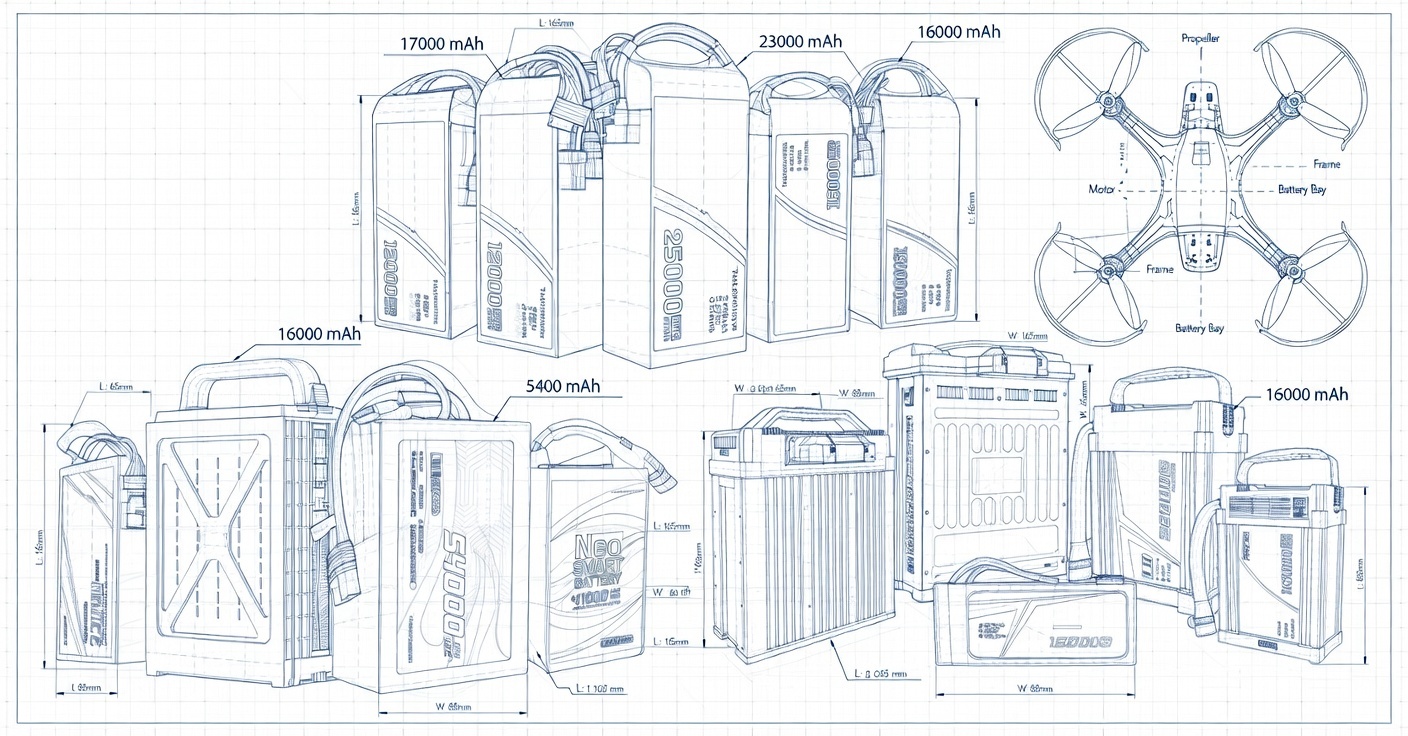
Mistake: Prioritizing high capacity (mAh) without considering battery weight, leading to excessive drone payload.
Comparison:
- Standard LiPo Batteries: ~250 Wh/kg energy density, but heavy and prone to swelling.
- CNS Modular Batteries: ~300 Wh/kg energy density, with 20% lighter weight for equivalent capacity.
- Solid-State Batteries: ~400 Wh/kg, but currently cost-prohibitive for most pipeline operations.
Practical Tip: For pipeline monitoring drones, a 300 Wh/kg energy density battery strikes the best balance. CNS’s lightweight modular design reduces overall drone weight by 15%, directly improving maneuverability and flight duration without compromising safety.
3. Neglecting Environmental Factors
Mistake: Using standard batteries in extreme temperatures or humid environments common in pipeline corridors.
Impact: Temperature fluctuations can reduce effective energy density by up to 30% in unoptimized batteries. A drone operating at -10°C with a non-temperature-stable battery may lose 25% of its rated capacity.
Solution: Opt for batteries with waterproof, temperature-resistant designs. CNS’s drone batteries undergo rigorous testing in simulated pipeline environments (from -20°C to +50°C), maintaining 95% of rated energy density across all conditions. This ensures consistent performance regardless of weather.
4. Skipping Real-World Performance Testing
Mistake: Relying solely on manufacturer specifications without field validation.
Industry Insight: A 2025 study by the International Pipeline Monitoring Association found that 78% of drones failed to meet advertised flight times due to unaccounted energy density degradation in real conditions.
Actionable Strategy: Before full deployment, conduct field tests with your chosen battery under actual pipeline monitoring conditions. CNS offers free prototype testing for B2B clients, allowing you to validate energy density performance in your specific environment before committing to bulk orders.
5. Forgetting Battery Maintenance Routines
Mistake: Treating drone batteries as disposable rather than maintaining them for optimal energy density over time.
Consequence: Unmaintained batteries can experience up to 40% energy density loss after 6 months, significantly reducing flight time.
Maintenance Best Practice: Implement a routine including:
- Monthly full charge/discharge cycles
- Storage at 50% charge in climate-controlled environments
- Quarterly voltage checks
- CNS’s proprietary battery management software provides real-time energy density monitoring and maintenance alerts.
Key Strategies for Optimizing Energy Density
- Customize for Your Pipeline: Partner with a manufacturer like CNS Battery that offers tailored battery solutions based on your pipeline’s unique specifications.
- Prioritize Modular Design: Modular batteries allow for easy capacity adjustments without redesigning the entire drone system, providing flexibility for future pipeline expansions.
- Invest in Fast-Charging: High energy density combined with fast-charging capabilities minimizes downtime. CNS batteries support 80% charge in 20 minutes, reducing operational delays.
- Leverage Data-Driven Insights: Use CNS’s Technology Center resources to access case studies on energy density performance in various pipeline scenarios, ensuring your solution is backed by real-world data.
Key Insights and Action Plan
Energy density is not just a technical specification—it’s the linchpin of successful pipeline monitoring drone operations. The most common mistakes stem from a lack of customization, environmental awareness, and maintenance discipline. By avoiding these pitfalls, you can achieve:
- 25-40% longer flight times
- 30% reduction in operational downtime
- Enhanced safety through reliable mission completion
- Lower long-term costs via optimized battery performance
Take Your Pipeline Monitoring to New Heights
Don’t let energy density limitations hold back your pipeline inspection capabilities. CNS Battery specializes in high-energy-density drone batteries engineered specifically for industrial applications like pipeline monitoring. Our B2B solutions combine proven energy density performance with waterproof, lightweight, and modular designs to deliver unmatched operational efficiency.
Ready to transform your pipeline monitoring operations? Get your custom quote today and experience how CNS Battery’s energy density-optimized solutions can extend your drone’s range, improve safety, and maximize your inspection ROI.
Contact Us Now for a Free Custom Drone Battery Quote
Our dedicated engineering team will work with you to analyze your pipeline monitoring requirements and design a battery solution with the precise energy density you need. With CNS, your drones won’t just fly—they’ll deliver exceptional results, mission after mission. Don’t wait until your next inspection is delayed—optimize your energy density strategy today.