In the rapidly evolving landscape of precision agriculture, unmanned aerial vehicles (UAVs) have become indispensable tools for crop monitoring, spraying, and seeding. However, the heart of any agricultural drone lies in its power source. As operators push for longer flight times and heavier payload capacities, the demand for high energy density batteries has surged. Yet, this pursuit often comes with significant pitfalls. Prioritizing energy density above all else without a comprehensive understanding of the associated engineering trade-offs can lead to catastrophic failures, reduced operational efficiency, and severe safety hazards. The risks are not merely theoretical; they manifest as mid-flight power losses, thermal runaway incidents, and accelerated battery degradation, all of which threaten the viability of farming operations. Understanding these dangers is the first step toward building a resilient and efficient aerial fleet.
The Hidden Dangers of High Energy Density
When agricultural operators select batteries, the focus frequently lands on watt-hours per kilogram (Wh/kg). While a higher number suggests longer flight times, it often masks underlying instability. High energy density cells are typically more chemically reactive. In the rugged environment of agricultural work—characterized by dust, humidity, vibration, and temperature fluctuations—this reactivity becomes a liability. The primary risk involves thermal management. Dense energy packs generate more heat during high-discharge scenarios, such as when a drone is carrying a full tank of pesticide and fighting against wind resistance. Without adequate dissipation, this heat accumulates, leading to cell swelling, capacity loss, or in worst-case scenarios, fire. Furthermore, pushing cells to their energy limits often compromises their cycle life. An agricultural season is long, and a battery that degrades after fifty cycles is an economic burden, forcing operators to replace expensive packs frequently.
Common Risk Causes in Battery Selection
To mitigate these dangers, operators must recognize the root causes of battery failure related to energy density. The following points outline the most frequent errors made in the industry:
- Overlooking Discharge Rates (C-Rating): A common mistake is pairing high energy density cells with insufficient discharge capabilities. Agricultural drones require bursts of power for takeoff and maneuvering. If the battery cannot sustain the required current without significant voltage sag, the drone may trigger low-voltage alarms prematurely or crash.
- Neglecting Thermal Design: High-density packs often come in compact forms that trap heat. Operators frequently fail to account for the thermal insulation provided by the drone’s frame or the ambient heat from motors, leading to overheating during continuous operation.
- Ignoring Cycle Life Trade-offs: Chemistry that offers maximum energy density, such as certain high-nickel NCM formulations, often sacrifices cycle longevity. Operators expecting thousands of cycles from a max-density pack will face premature failure.
- Incompatible Charging Protocols: Using chargers that do not match the specific chemistry of high-density cells can lead to overcharging or uneven cell balancing. This imbalance reduces the usable capacity of the entire pack and increases safety risks.
- Environmental Mismatch: Agricultural environments are harsh. Batteries designed for consumer electronics often lack the ingress protection (IP) ratings necessary to withstand chemical exposure from fertilizers and pesticides, which can corrode terminals and compromise safety.
Strategic Prevention Measures
Preventing these issues requires a proactive approach to battery management and selection. By implementing the following measures, operators can significantly enhance safety and performance:
- Prioritize Balanced Chemistry: Instead of chasing the highest possible energy density, select cells that offer a balance between energy, power, and safety. Lithium Iron Phosphate (LFP) or modified NCM blends often provide a safer profile for heavy-duty agricultural use.
- Implement Robust BMS: Ensure every battery pack is equipped with a sophisticated Battery Management System (BMS). The BMS should monitor individual cell voltages, temperatures, and current flow in real-time, cutting off power if unsafe conditions are detected.
- Regular Health Monitoring: Adopt a schedule for checking internal resistance and capacity. Tools that analyze cell impedance can predict failures before they happen, allowing for timely replacements.
- Optimized Storage Practices: Store batteries at partial charge (around 50-60%) in climate-controlled environments. Extreme temperatures during storage can degrade high-density cells even when not in use.
- Vendor Verification: Work exclusively with manufacturers who provide detailed engineering data sheets. Verify that the batteries have undergone rigorous testing for vibration, shock, and thermal stability specific to UAV applications.
Engineering Solutions and Technical Insights
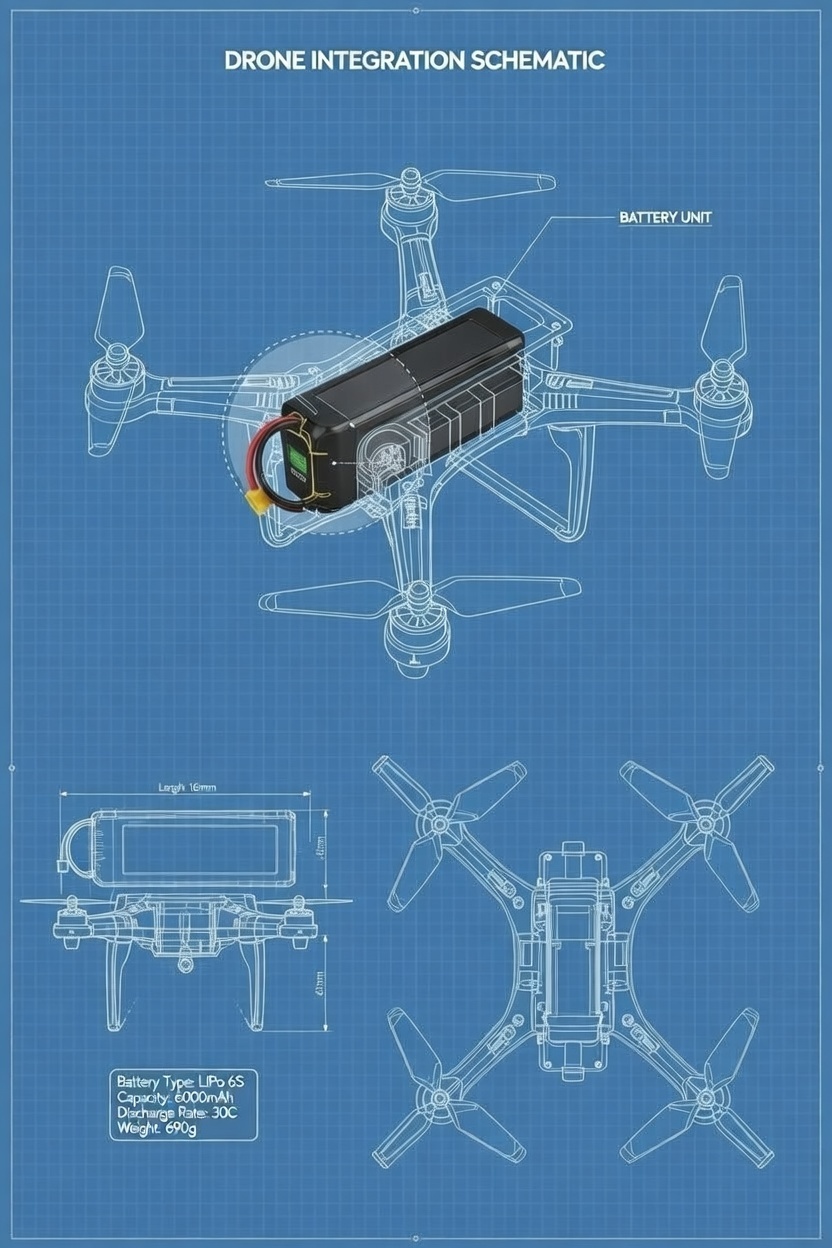
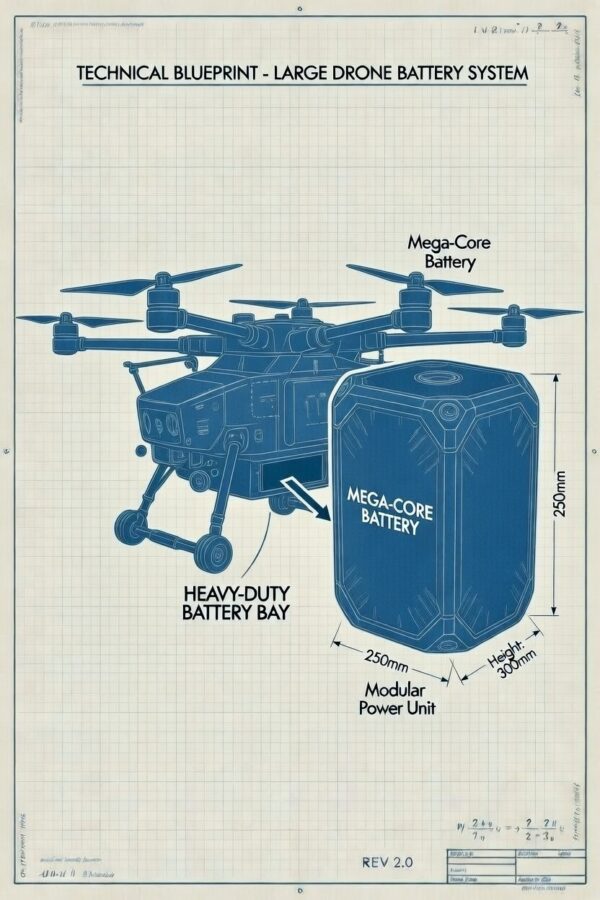
From an engineering perspective, solving the energy density dilemma involves more than just picking a different cell. It requires a systemic approach to power integration. One effective solution is the use of modular battery designs. Modular systems allow operators to swap out individual modules rather than the entire pack if a cell fails, reducing waste and cost. Additionally, advanced cooling technologies, such as phase-change materials or active air cooling integrated into the battery housing, can mitigate the thermal risks associated with dense energy packs.
Another critical factor is the discharge curve. High-quality agricultural drone batteries maintain a flat voltage curve for most of the discharge cycle, providing consistent power to the motors. This stability is crucial for spraying accuracy, as motor speed fluctuations can affect droplet distribution. Engineers also recommend derating the battery. Using a battery at 80% of its maximum rated capacity significantly extends its life and reduces the risk of thermal events. This practice, known as operating within the “safe envelope,” ensures that the battery is never pushed to its absolute physical limits during critical operations.
Furthermore, the integration of smart telemetry allows ground control stations to receive real-time data on battery health. This connectivity enables predictive maintenance, where algorithms analyze usage patterns to suggest optimal charging times or flag potential cell imbalances. By treating the battery as a smart component rather than a passive fuel tank, operators can align energy density choices with actual operational needs rather than marketing specifications.
Conclusion and Next Steps
The path to efficient agricultural aviation is paved with informed decisions. Avoiding common mistakes in energy density is not about rejecting high-performance technology; it is about understanding its limitations and managing them through engineering best practices. Safety, longevity, and reliability must always take precedence over raw specifications. By adopting a balanced approach to battery selection and maintenance, agricultural operators can ensure their drones remain productive assets throughout the growing season.
For operators seeking specialized battery solutions tailored to the rigorous demands of agricultural UAVs, expert guidance is essential. Partnering with a manufacturer who understands the nuances of energy density, thermal management, and cycle life can transform your operational capability. We invite you to explore our range of high-performance drone batteries designed specifically for agricultural applications. Our team is ready to assist you in selecting the right power systems to maximize efficiency and safety.
To learn more about our products and discuss your specific requirements, please visit our contact page at https://cnsbattery.com/drone-battery-home/drone-battery-contact. Let us power your harvest with reliability and precision.