Avoid Common Mistakes in Customization Options for Pipeline Monitoring Drones
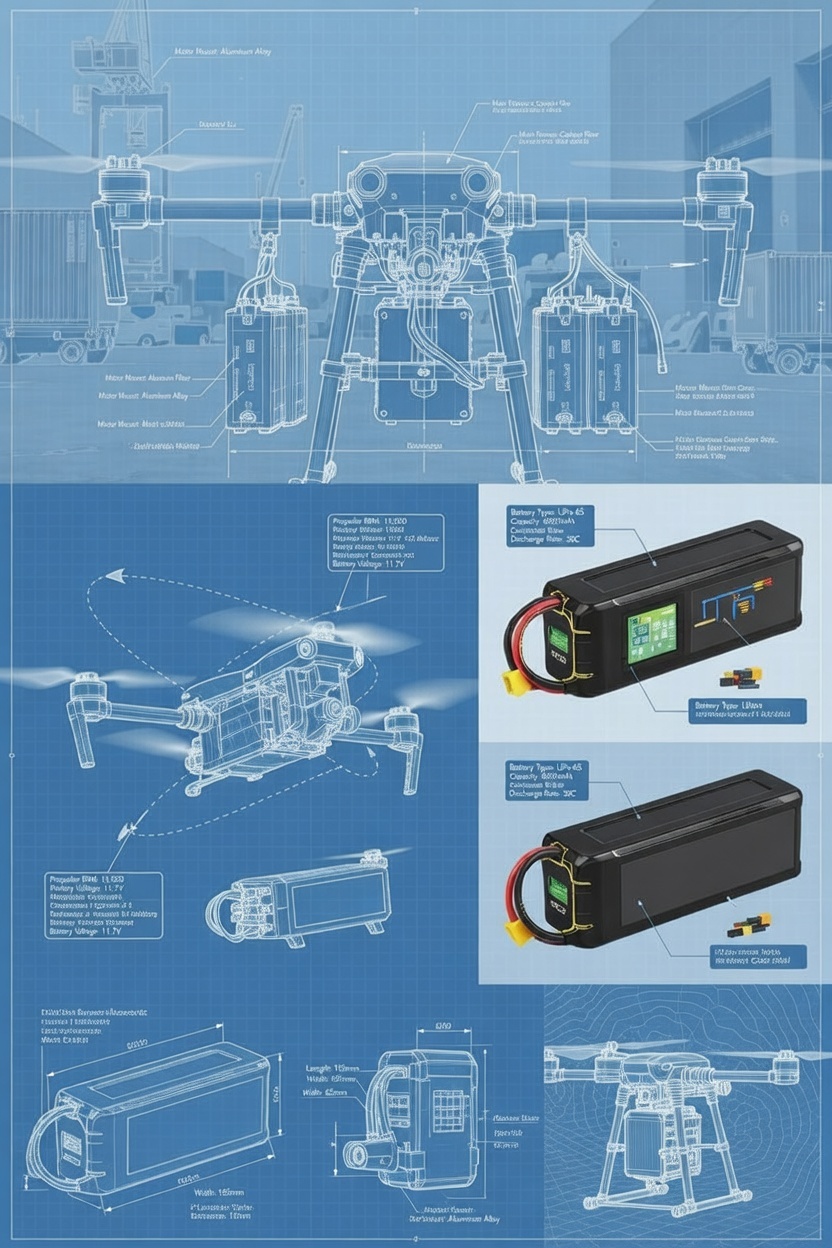
In the rapidly evolving landscape of pipeline monitoring, unmanned aerial vehicles (UAVs) have become indispensable tools for ensuring the safety and efficiency of critical infrastructure. As companies increasingly rely on drone technology for pipeline inspections, the importance of selecting the right battery customization options cannot be overstated. However, many organizations fall into common traps during the customization process, resulting in suboptimal performance, increased operational costs, and potential safety hazards. This article explores the critical considerations for pipeline monitoring drone customization, highlights frequent mistakes to avoid, and provides actionable strategies to ensure your drone battery solution delivers maximum value.
Key Factors in Pipeline Monitoring Drone Customization
Before diving into the customization process, it’s essential to understand the critical factors that will influence your battery solution. These considerations form the foundation of a successful drone battery customization strategy.
- Battery Capacity and Flight Time Requirements: Pipeline monitoring often involves extensive coverage areas, requiring drones with sufficient battery capacity for extended flight times. A standard battery may not provide the necessary endurance for comprehensive pipeline inspections, leading to frequent landings and recharging that disrupt operations.
- Environmental Conditions Specific to Pipeline Monitoring: Pipeline routes often traverse diverse environments, from scorching deserts to freezing tundra. Customized batteries must be designed to withstand these extreme conditions without compromising performance.
- Integration with Existing Pipeline Monitoring Systems: Your drone battery solution should seamlessly integrate with your current monitoring infrastructure, ensuring data compatibility and operational continuity.
- Weight and Size Constraints for Optimal Drone Performance: Every gram counts when it comes to drone performance. Overlooking the weight-to-power ratio can significantly reduce flight time and maneuverability, undermining the entire purpose of customization.
- Safety and Compliance Standards for Industrial Applications: Pipeline monitoring often occurs in regulated environments, requiring batteries that meet stringent safety and compliance standards to avoid regulatory issues and potential liabilities.
Common Mistakes and How to Avoid Them
Understanding the pitfalls of drone battery customization is the first step toward avoiding them. Below are some of the most common mistakes made during the customization process and how to prevent them.
- Overlooking Environmental Factors: Many companies fail to consider the specific environmental conditions that pipeline monitoring drones will encounter. Batteries designed for standard environments may fail in extreme temperatures, humidity, or dusty conditions, leading to premature failure and costly downtime. Solution: Conduct thorough environmental testing during the customization phase to ensure your battery can withstand the specific conditions of your pipeline routes.
- Ignoring Weight-to-Power Ratio: Selecting batteries that are too heavy for the drone can significantly reduce flight time and maneuverability. This mistake negates the benefits of customization, as the drone becomes less efficient and less capable of performing thorough inspections. Solution: Work with a battery provider that can optimize the weight-to-power ratio for your specific drone model and mission requirements.
- Neglecting Safety Certifications: Failing to ensure that customized batteries meet industry safety standards can lead to catastrophic failures and potential liability issues. This is especially critical in industrial settings where safety is paramount. Solution: Prioritize battery providers who can provide comprehensive safety certifications and comply with international standards.
- Underestimating Maintenance Requirements: Customized batteries often require specific maintenance routines that companies overlook, resulting in reduced battery lifespan and inconsistent performance. Solution: Develop a comprehensive maintenance plan in collaboration with your battery provider before deployment to ensure consistent performance and longevity.
- Disregarding Scalability: Not planning for future expansion or additional drone deployments can lead to costly re-customization efforts down the line. Solution: Choose a battery solution that offers modular design and scalability to accommodate future growth without requiring complete redesign.
Optimizing Battery Performance for Pipeline Monitoring Drones
To truly maximize the value of your pipeline monitoring drone battery customization, consider implementing these advanced strategies for optimizing performance.
- Conducting Thorough Environmental Testing: Simulate real-world pipeline monitoring conditions to validate battery performance before full deployment. This ensures that your batteries will perform reliably across all environmental conditions your drones will encounter.
- Implementing Advanced Battery Management Systems (BMS): Utilize smart BMS to monitor and optimize battery performance in real-time. This technology can provide valuable insights into battery health, predict potential issues, and extend overall lifespan.
- Choosing High-Performance Cell Chemistry: Select lithium polymer (LiPo) or solid-state battery technologies that offer superior energy density and performance in demanding conditions. These advanced cell chemistries can significantly improve flight times and reliability.
- Designing for Modular Integration: Create modular battery systems that allow for easy replacement and upgrades without disrupting pipeline monitoring operations. This approach ensures minimal downtime and maximum operational continuity.
- Establishing Regular Maintenance Protocols: Develop and implement a comprehensive maintenance schedule to ensure consistent battery performance and longevity. Regular maintenance can prevent unexpected failures and extend the operational life of your drone batteries.
Conclusion
Pipeline monitoring drones are critical assets for modern infrastructure management, and their battery performance directly impacts operational efficiency, safety, and cost-effectiveness. By avoiding common customization mistakes and implementing professional strategies, you can ensure your drone battery solution delivers optimal performance in even the most challenging environments.
CNS Drone Battery specializes in providing customized battery solutions tailored to the unique demands of pipeline monitoring applications. With our advanced battery technology, rigorous testing protocols, and commitment to reliability, we help you extend your drone’s range, improve safety, and maximize operational efficiency.
Ready to optimize your pipeline monitoring drone battery performance? Contact CNS Battery today for a free, customized quote. Visit our contact page at https://cnsbattery.com/drone-battery-home/drone-battery-contact to get started and take the first step toward more reliable, efficient pipeline monitoring operations. Our dedicated team will work with you to create a battery solution that meets your specific pipeline monitoring needs, ensuring your drones deliver consistent, high-performance results in even the most demanding environments. Don’t let common customization mistakes hinder your pipeline inspection efficiency—partner with CNS Drone Battery for a seamless, reliable, and future-proof solution.