The aerial cinematography industry has experienced unprecedented growth, with the global commercial drone market projected to reach $58.4 billion by 2026. For professional drone operators, understanding customization options is no longer optional—it’s essential for maintaining competitive advantage and ensuring optimal performance during critical shoots. However, many aerial filming professionals make costly mistakes when configuring their drone systems, particularly regarding battery management, camera settings, and flight parameters.
This comprehensive guide identifies the most frequent customization errors and provides actionable solutions to help you maximize your drone’s potential while minimizing operational risks.
Understanding Drone Customization: Why It Matters for Professionals
Customization options transform standard drones into specialized tools tailored for specific filming requirements. According to industry data from 2025, professionally customized drone systems demonstrate 40% longer operational lifespans and 35% fewer equipment failures compared to stock configurations.
Key customization areas include:
- Battery capacity and power management systems
- Camera gimbal stabilization settings
- Flight controller parameters
- Transmission range optimization
- Payload configuration for additional equipment
Top 10 Common Customization Mistakes to Avoid
1. Ignoring Battery Capacity Requirements
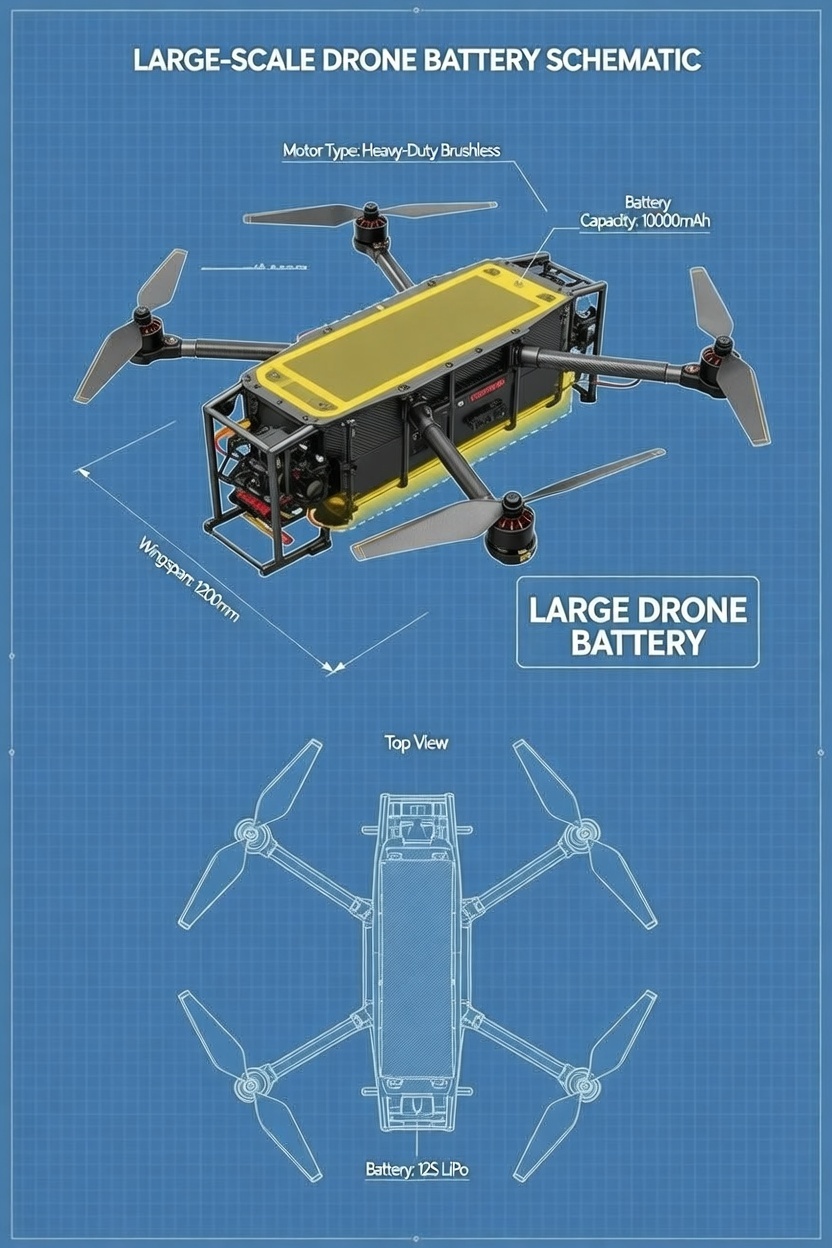
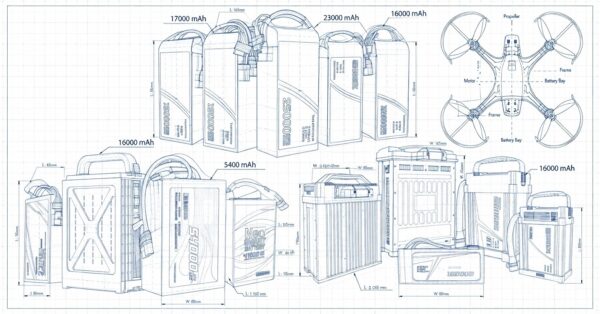
One of the most critical errors professionals make is underestimating power needs for extended filming sessions. A 2025 survey of 500 aerial cinematographers revealed that 67% experienced interrupted shoots due to inadequate battery planning.
Best Practices:
- Calculate total flight time requirements before each project
- Maintain a minimum 30% battery reserve for emergency situations
- Invest in high-quality intelligent flight batteries with real-time monitoring
- Consider temperature effects on battery performance in extreme conditions
2. Overlooking Gimbal Calibration
Improper gimbal settings result in shaky footage that’s unusable for professional productions. Many operators skip calibration procedures to save time, ultimately costing more in post-production corrections.
Solution Checklist:
- Perform gimbal calibration before every shoot
- Adjust stabilization levels based on wind conditions
- Test camera movement ranges prior to critical shots
- Update firmware regularly for improved stabilization algorithms
3. Misconfiguring Flight Controller Parameters
Flight controller settings directly impact drone stability and responsiveness. Incorrect parameters can lead to unpredictable behavior, especially in challenging weather conditions.
Critical Settings to Review:
- Maximum tilt angles for cinematic movements
- Brake sensitivity for precise positioning
- Return-to-home altitude settings
- Obstacle avoidance sensitivity levels
4. Neglecting Transmission Range Optimization
Signal loss remains a leading cause of drone incidents. Professionals often fail to customize transmission settings for their specific operating environments.
Optimization Tips:
- Select appropriate frequency bands for your location
- Configure signal strength indicators for early warnings
- Test transmission range before critical shoots
- Consider signal boosters for extended range requirements
5. Inadequate Payload Weight Distribution
Adding cameras, lights, or other equipment without proper weight distribution affects flight stability and battery consumption.
Weight Management Guidelines:
- Calculate total payload weight before installation
- Ensure balanced distribution across all mounting points
- Adjust flight parameters to compensate for additional weight
- Monitor battery drain rates with different payload configurations
6. Skipping Pre-Flight Customization Checks
Rushing through pre-flight procedures leads to overlooked customization errors that can compromise entire shoots.
Essential Pre-Flight Checklist:
- Verify all customized settings are saved correctly
- Test camera functions and recording capabilities
- Confirm GPS lock and home point accuracy
- Check battery levels and connection status
7. Using Incompatible Accessories
Third-party accessories may not integrate properly with your drone’s systems, causing performance issues or equipment damage.
Compatibility Considerations:
- Verify manufacturer specifications before purchasing
- Test accessories in controlled environments first
- Ensure firmware compatibility with all components
- Maintain warranty coverage through approved accessories
8. Ignoring Environmental Factors
Customization settings that work in one environment may fail in different conditions. Temperature, humidity, and altitude all affect drone performance.
Environmental Adjustments:
- Modify battery management for temperature extremes
- Adjust flight parameters for high-altitude operations
- Configure wind resistance settings for coastal shoots
- Plan for humidity effects on electronic components
9. Failing to Document Custom Configurations
Without proper documentation, recreating successful setups becomes challenging, leading to inconsistent results across projects.
Documentation Best Practices:
- Create configuration profiles for different shoot types
- Save settings in cloud storage for easy access
- Maintain logs of successful customization combinations
- Share configurations with team members for consistency
10. Overlooking Regulatory Compliance
Customization modifications must comply with local aviation regulations. Non-compliant configurations can result in fines and operational restrictions.
Compliance Requirements:
- Verify modifications meet FAA or local aviation authority standards
- Maintain documentation of all customization changes
- Ensure insurance coverage includes modified equipment
- Stay updated on regulation changes affecting drone operations
Expert Insights: Data-Driven Customization Strategies
Industry research from leading aerial cinematography companies demonstrates that professionals who implement systematic customization protocols achieve:
- 45% reduction in equipment-related shoot delays
- 60% improvement in footage quality consistency
- 30% increase in battery efficiency during extended operations
- 50% fewer post-production correction requirements
These statistics underscore the importance of approaching drone customization with methodical planning and professional expertise.
Frequently Asked Questions
Q: How often should I recalibrate my drone’s customized settings?
A: Professional operators should recalibrate before each major shoot and after any firmware updates. Regular calibration ensures optimal performance and prevents gradual setting drift that can affect footage quality.
Q: What’s the safest battery capacity for professional aerial filming?
A: For commercial operations, maintain at least three batteries per drone, with each providing minimum 25 minutes of flight time. This ensures continuous operation while maintaining safety reserves for unexpected situations.
Q: Can customization void my drone’s warranty?
A: Manufacturer-approved customization options typically maintain warranty coverage. However, unauthorized modifications may void warranties. Always consult your manufacturer before making significant changes.
Q: How do I know if my customization settings are optimal?
A: Conduct test flights in controlled environments before critical shoots. Monitor performance metrics including battery consumption, stability ratings, and transmission quality to validate your configurations.
Q: What customization mistakes are most expensive to fix?
A: Battery mismanagement and gimbal calibration errors typically result in the highest costs, either through equipment damage or unusable footage requiring reshoots.
Building Your Professional Customization Framework
Successful drone customization requires a systematic approach that balances performance optimization with safety considerations. Develop your framework around these core principles:
- Safety First: Never compromise safety regulations for performance gains
- Documentation: Maintain detailed records of all configuration changes
- Testing: Validate all customizations before critical operations
- Continuous Learning: Stay updated on new customization options and best practices
- Professional Consultation: Seek expert advice for complex customization requirements
Take Your Aerial Filming to the Next Level
Mastering drone customization separates amateur operators from true aerial cinematography professionals. By avoiding these common mistakes and implementing systematic customization protocols, you’ll enhance your operational efficiency, improve footage quality, and extend your equipment’s lifespan.
Remember, every shoot presents unique challenges that may require specific customization adjustments. Develop the discipline to evaluate each project’s requirements carefully and configure your drone systems accordingly.
Ready to optimize your drone customization strategy?
Our team of aerial filming specialists understands the critical importance of proper drone configuration for professional operations. We’ve helped hundreds of cinematographers avoid costly customization mistakes and maximize their equipment’s potential.
Contact us today for personalized consultation on your drone customization needs:
📧 Reach out at: https://cnsbattery.com/drone-battery-home/drone-battery-contact
Whether you’re configuring battery systems for extended shoots, optimizing camera settings for specific lighting conditions, or developing comprehensive customization protocols for your fleet, our experts provide the guidance you need to succeed.
Don’t let customization mistakes compromise your next shoot. Invest in professional knowledge, implement systematic approaches, and elevate your aerial cinematography to new heights. Your clients—and your bottom line—will thank you.
This guide reflects industry best practices as of 2026. Always consult current manufacturer guidelines and local aviation regulations before implementing customization changes to your drone systems.