Avoid Common Mistakes in After-Sales Support for Infrastructure Inspection Companies Drones
Introduction
The drone industry has revolutionized infrastructure inspection, offering unprecedented efficiency and safety for examining bridges, power lines, pipelines, and telecommunications towers. However, as drone technology becomes increasingly integral to these critical operations, the importance of robust after-sales support cannot be overstated. Many infrastructure inspection companies make costly mistakes in their post-purchase support strategies, leading to decreased customer satisfaction, lost revenue, and damaged reputations. This article explores the most common pitfalls in after-sales support for drone-based infrastructure inspection services and provides actionable strategies to avoid them. By implementing these best practices, companies can enhance customer loyalty, improve operational efficiency, and establish themselves as industry leaders in the competitive drone inspection market.
Understanding the Unique Challenges of Drone After-Sales Support
Infrastructure inspection drones operate in demanding environments that test equipment limits daily. Unlike consumer drones, these professional-grade devices require specialized knowledge for maintenance, troubleshooting, and optimization. The complexity of industrial drone systems means that after-sales support must address multiple layers of technical expertise, from battery management to sensor calibration and data processing software.
Key Challenges Include:
- Harsh environmental conditions affecting drone performance
- Complex integration with existing inspection workflows
- Regulatory compliance requirements across different jurisdictions
- Rapid technology evolution requiring continuous updates
- Critical downtime costs for infrastructure inspection projects
Common Mistake #1: Inadequate Technical Training Programs
One of the most frequent errors infrastructure inspection companies make is providing insufficient technical training to their support teams. When technicians lack comprehensive understanding of drone systems, battery management, and inspection-specific applications, response times increase and solution quality decreases.
Management Tips:
- Implement certified training programs for all support staff
- Create specialized tracks for battery technicians, software specialists, and field support engineers
- Establish regular refresher courses to keep pace with technology updates
- Develop hands-on simulation environments for complex troubleshooting scenarios
- Partner with drone manufacturers for official certification programs
Common Mistake #2: Poor Response Time Management
In infrastructure inspection, time is money. When drones experience technical issues during critical inspection projects, every hour of downtime translates to significant financial losses for clients. Companies that fail to prioritize rapid response protocols risk losing valuable contracts to competitors.
Management Tips:
- Establish tiered support levels with clear response time guarantees
- Implement 24/7 emergency support for critical infrastructure projects
- Create regional support centers to reduce travel time for on-site assistance
- Develop remote diagnostic capabilities to resolve issues without physical visits
- Track and analyze response time metrics continuously for improvement
Common Mistake #3: Neglecting Battery Management Support
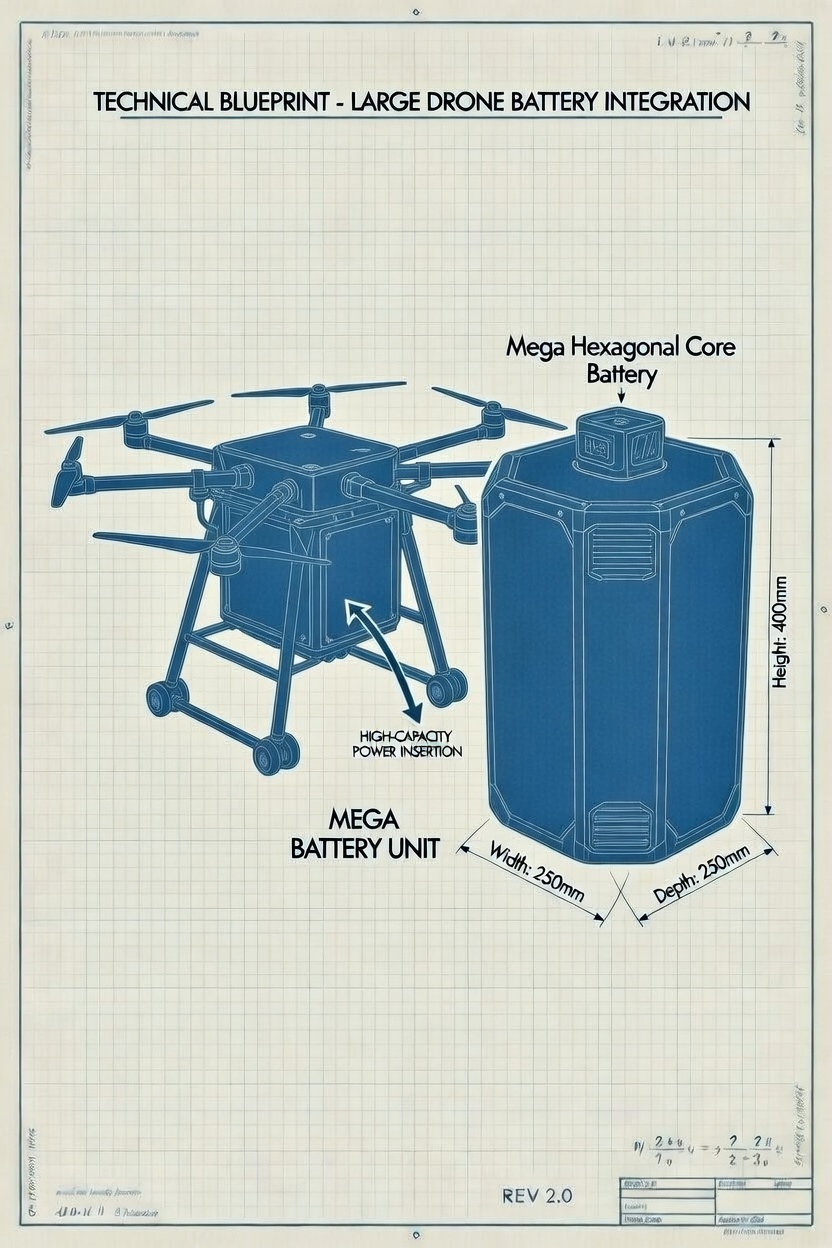
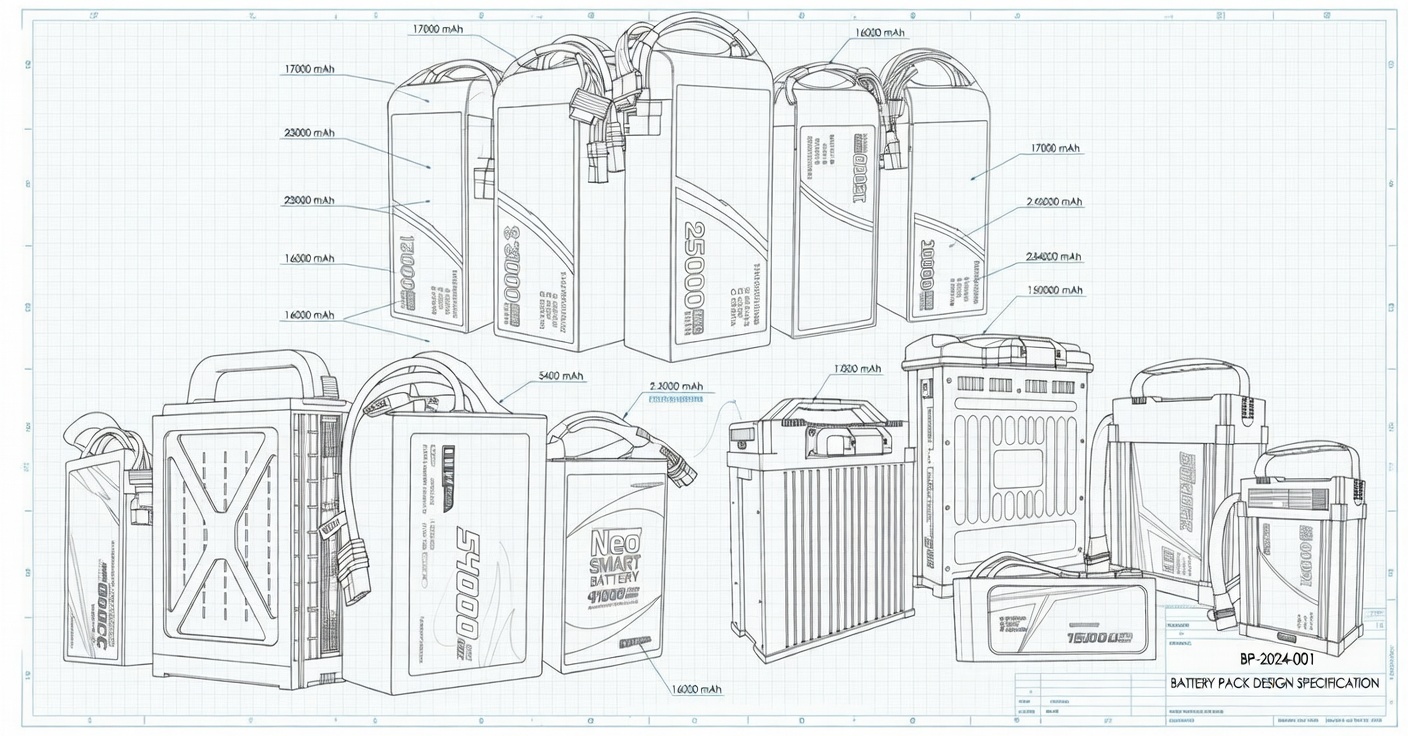
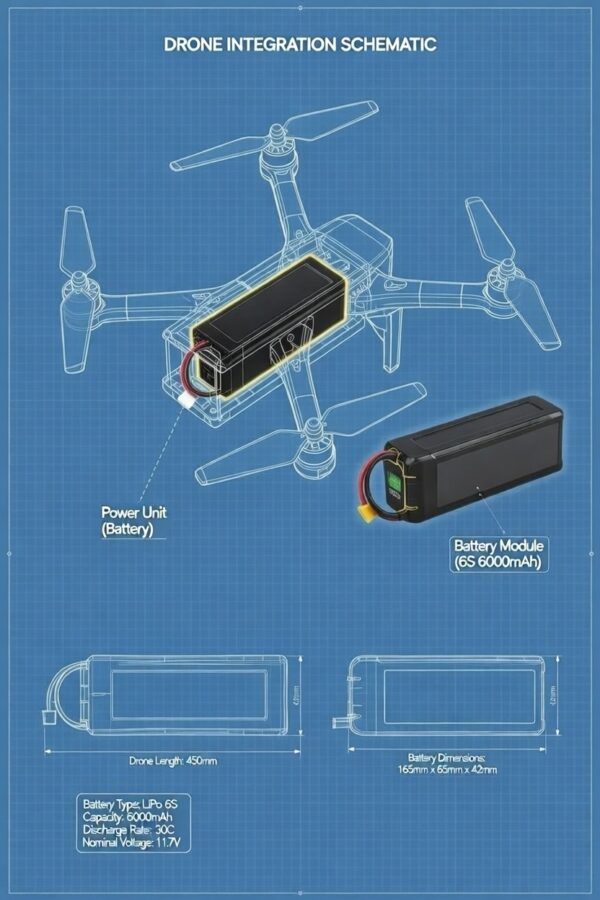
Drone batteries represent one of the most critical and vulnerable components in infrastructure inspection operations. Improper battery handling, storage, and maintenance lead to premature failures, safety hazards, and unexpected downtime. Many companies underestimate the importance of specialized battery support.
Management Tips:
- Provide comprehensive battery lifecycle management guidance
- Offer battery health monitoring services with predictive maintenance alerts
- Establish battery replacement and recycling programs
- Train customers on proper storage conditions and charging protocols
- Maintain adequate battery inventory for quick replacements during peak seasons
Common Mistake #4: Insufficient Documentation and Knowledge Base
When support teams lack accessible, up-to-date documentation, problem resolution becomes inefficient and inconsistent. Customers frustrated by having to repeat their issues to different support agents lose confidence in the service provider.
Management Tips:
- Develop a centralized knowledge base with searchable troubleshooting guides
- Create video tutorials for common maintenance procedures
- Maintain detailed service history records for each drone unit
- Implement ticketing systems that preserve customer interaction history
- Regularly update documentation based on emerging issues and solutions
Common Mistake #5: Weak Customer Feedback Integration
Companies that fail to systematically collect and act on customer feedback miss valuable opportunities for service improvement. After-sales support should be a continuous improvement cycle driven by real-world user experiences.
Management Tips:
- Implement post-service satisfaction surveys after every support interaction
- Create customer advisory boards for regular feedback sessions
- Analyze support ticket patterns to identify recurring issues
- Share feedback insights with product development teams
- Publicly communicate improvements made based on customer suggestions
Building a Proactive Support Culture
The most successful infrastructure inspection drone companies transition from reactive problem-solving to proactive support prevention. This cultural shift requires investment in predictive analytics, customer education, and continuous monitoring systems.
Strategic Approaches:
- Deploy IoT sensors for real-time drone health monitoring
- Schedule preventive maintenance before predicted failure points
- Offer seasonal inspection services before peak operational periods
- Provide customers with self-service diagnostic tools
- Create customer communities for peer-to-peer knowledge sharing
Measuring After-Sales Support Success
To ensure continuous improvement, companies must establish clear metrics for evaluating after-sales support performance. These measurements should align with customer satisfaction and business objectives.
Key Performance Indicators:
- First-contact resolution rate
- Average response time across support tiers
- Customer satisfaction scores (CSAT)
- Net Promoter Score (NPS)
- Repeat service request frequency
- Support cost per drone unit
- Customer retention rate
Conclusion
Avoiding common mistakes in after-sales support for infrastructure inspection drones requires strategic planning, adequate resource allocation, and unwavering commitment to customer success. Companies that invest in comprehensive training programs, rapid response systems, specialized battery support, robust documentation, and feedback integration will distinguish themselves in this competitive market. The infrastructure inspection industry demands reliability, expertise, and responsiveness—qualities that exceptional after-sales support delivers consistently.
Remember, every support interaction is an opportunity to strengthen customer relationships and build long-term loyalty. By implementing the strategies outlined in this article, your company can transform after-sales support from a cost center into a competitive advantage that drives growth and reputation in the drone infrastructure inspection sector.
Call to Action
Ready to elevate your drone after-sales support strategy? Our team specializes in comprehensive drone battery solutions and technical support services designed specifically for infrastructure inspection companies. Contact us today to discuss how we can help you avoid common support mistakes and build a world-class service program that keeps your clients flying confidently.
Visit our contact page: https://cnsbattery.com/drone-battery-home/drone-battery-contact
Take the first step toward exceptional after-sales support excellence. Your customers—and your bottom line—will thank you.