Introduction
The drone industry has experienced unprecedented growth, with industrial drone sales increasing by over 450% in recent years. For infrastructure inspection companies, drones have become indispensable tools for surveying bridges, power lines, pipelines, and other critical assets. However, many organizations overlook a crucial aspect of their drone operations: after-sales support. Poor post-purchase service can lead to costly downtime, reduced operational efficiency, and compromised safety standards. This comprehensive guide identifies the most common mistakes in drone after-sales support and provides actionable solutions to help infrastructure inspection companies maximize their investment while maintaining peak operational performance.
Understanding the Critical Role of After-Sales Support
After-sales support encompasses everything from technical assistance and maintenance to warranty claims and battery replacement services. For infrastructure inspection operations, where drones work in challenging environments and demanding conditions, reliable support isn’t just convenient—it’s essential for business continuity.
Why After-Sales Support Matters for Infrastructure Inspections
- Minimized Downtime: Quick resolution of technical issues keeps inspection schedules on track
- Extended Equipment Lifespan: Proper maintenance guidance prevents premature equipment failure
- Regulatory Compliance: 2026 drone regulations require documented maintenance and safety protocols
- Cost Efficiency: Preventive support reduces expensive emergency repairs and replacements
- Safety Assurance: Regular support ensures drones operate within safe parameters
Common Mistake #1: Neglecting Battery Maintenance Protocols
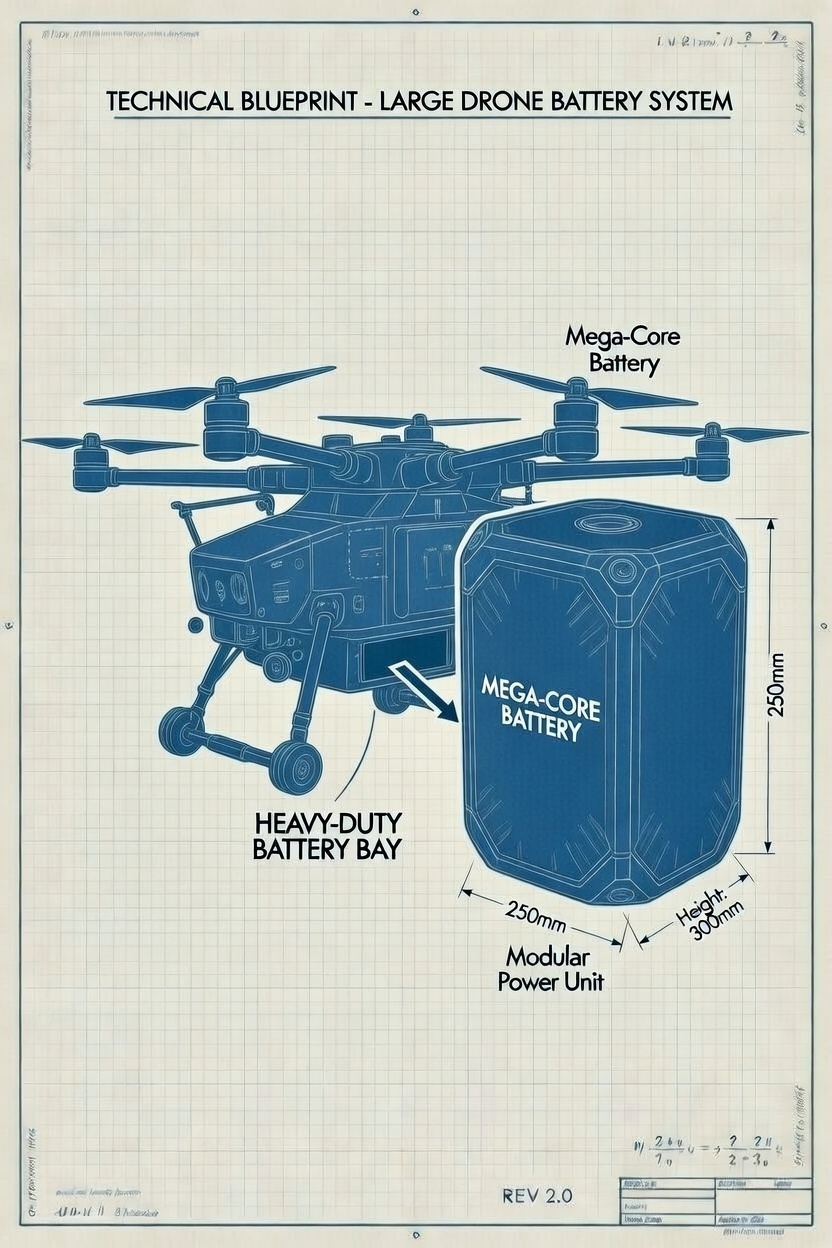
The Problem: Drone batteries are the most frequently replaced components, yet many companies lack structured maintenance programs.
The Solution: Implement a comprehensive battery care system:
- Storage Best Practices: Keep batteries at 40-60% charge when not in use for extended periods
- Temperature Control: Store batteries between 15-25°C (59-77°F) to prevent degradation
- Cycle Tracking: Monitor charge-discharge cycles and replace batteries after 300-500 cycles
- Regular Inspection: Check for swelling, damage, or connection issues before each flight
- Documentation: Maintain detailed battery logs for warranty claims and performance tracking
Pro Tip: Invest in intelligent flight batteries with built-in management systems that provide real-time health data and automatic diagnostics.
Common Mistake #2: Inadequate Technical Training for Support Staff
The Problem: Support teams often lack specialized knowledge about industrial drone systems, leading to misdiagnosis and prolonged resolution times.
The Solution: Develop a structured training program:
| Training Area | Basic Level | Advanced Level | Expert Level |
|---|---|---|---|
| Hardware Diagnostics | Component identification | Fault isolation | System optimization |
| Software Troubleshooting | Basic reset procedures | Configuration management | Custom integration |
| Battery Management | Safety protocols | Performance analysis | Lifecycle optimization |
| Regulatory Compliance | Basic regulations | Documentation requirements | Audit preparation |
Implementation Steps:
- Assess current team capabilities through skills evaluation
- Partner with manufacturers for certified training programs
- Establish internal knowledge bases with troubleshooting guides
- Conduct quarterly refresher courses to stay updated on new technologies
- Create escalation protocols for complex technical issues
Common Mistake #3: Poor Warranty Management and Documentation
The Problem: Many companies fail to properly document incidents, voiding warranty coverage and increasing replacement costs.
The Solution: Establish systematic warranty management:
- Pre-Flight Documentation: Record serial numbers, purchase dates, and service plan details
- Incident Reporting: Document all issues with photos, videos, and detailed descriptions
- Service History: Maintain comprehensive logs of all repairs and maintenance activities
- Warranty Tracking: Set up alerts for warranty expiration dates
- Claim Preparation: Keep all purchase receipts and activation records accessible
Critical Insight: According to industry data, approximately 30% of warranty claims are denied due to insufficient documentation. Proper record-keeping can save thousands in unnecessary replacement costs.
Common Mistake #4: Delayed Response to Technical Issues
The Problem: Slow response times to technical problems create operational bottlenecks and project delays.
The Solution: Implement a tiered support system:
Tier 1 – Immediate Response (0-2 hours)
- Basic troubleshooting guidance
- Remote diagnostics
- Quick-fix solutions
Tier 2 – Technical Support (2-24 hours)
- Advanced diagnostics
- Parts identification
- Repair instructions
Tier 3 – Specialist Support (24-72 hours)
- Complex system analysis
- Manufacturer escalation
- Replacement coordination
Best Practice: Establish service level agreements (SLAs) with clear response time commitments and escalation procedures.
Common Mistake #5: Ignoring Firmware and Software Updates
The Problem: Outdated firmware can cause compatibility issues, security vulnerabilities, and performance limitations.
The Solution: Create an update management protocol:
- Scheduled Updates: Plan firmware updates during non-operational periods
- Testing Procedures: Validate updates on non-critical equipment before fleet-wide deployment
- Backup Configurations: Save current settings before applying updates
- Rollback Plans: Maintain ability to revert to previous versions if issues arise
- Update Logs: Document all updates with dates, versions, and observed changes
Warning: The 2026 drone regulations emphasize that operating with outdated firmware may violate compliance requirements and void insurance coverage.
Common Mistake #6: Lack of Preventive Maintenance Programs
The Problem: Reactive maintenance approaches lead to unexpected failures during critical inspection operations.
The Solution: Develop comprehensive preventive maintenance schedules:
Daily Checks:
- Visual inspection for physical damage
- Battery connection verification
- Propeller condition assessment
- Sensor calibration confirmation
Weekly Maintenance:
- Motor performance testing
- Communication system verification
- GPS accuracy validation
- Camera and sensor cleaning
Monthly Service:
- Comprehensive system diagnostics
- Firmware update review
- Battery health analysis
- Structural integrity inspection
Quarterly Overhaul:
- Complete system recalibration
- Component wear assessment
- Performance benchmarking
- Documentation review and updates
Common Mistake #7: Insufficient Spare Parts Inventory
The Problem: Waiting for parts delivery during urgent operations causes significant project delays.
The Solution: Optimize spare parts management:
- Critical Components: Stock essential parts like propellers, batteries, and landing gear
- Usage Analysis: Track part failure rates to optimize inventory levels
- Supplier Relationships: Establish priority agreements with multiple suppliers
- Storage Conditions: Maintain proper environmental controls for sensitive components
- Rotation System: Implement first-in-first-out protocols to prevent part degradation
Cost-Benefit Insight: Maintaining a strategic spare parts inventory typically costs 5-10% of equipment value but can reduce downtime by 60-80%.
Building a Robust After-Sales Support Framework
Creating an effective after-sales support system requires commitment across multiple organizational levels:
Leadership Commitment
- Allocate adequate budget for support infrastructure
- Establish clear support quality metrics
- Regular review of support performance data
Team Empowerment
- Provide necessary tools and resources
- Encourage continuous learning and certification
- Recognize and reward excellent support performance
Customer Communication
- Maintain transparent communication channels
- Provide regular status updates on service requests
- Gather and act on customer feedback
Technology Integration
- Implement ticketing systems for tracking support requests
- Use remote diagnostics tools for faster troubleshooting
- Leverage data analytics for predictive maintenance
Key Takeaways and Action Steps
After-sales support excellence isn’t optional for infrastructure inspection companies—it’s a competitive necessity. The companies that thrive in this evolving market are those that recognize support quality as a core business function rather than an afterthought.
Immediate Actions to Take:
- Audit Current Support: Evaluate your existing after-sales processes against the mistakes outlined above
- Develop Documentation Systems: Implement comprehensive record-keeping for all equipment and service activities
- Invest in Training: Ensure your team has the knowledge and skills to provide effective support
- Establish Partnerships: Build relationships with reliable suppliers and service providers
- Monitor Performance: Track key support metrics and continuously improve processes
Get Professional Support for Your Drone Operations
Optimizing your drone after-sales support requires expertise, resources, and commitment. Whether you need guidance on battery maintenance, technical troubleshooting, or comprehensive support program development, professional assistance can accelerate your journey to support excellence.
Ready to transform your drone after-sales support? Contact our team of experts for personalized consultation and solutions tailored to your infrastructure inspection operations.
Visit our contact page: https://cnsbattery.com/drone-battery-home/drone-battery-contact
Our specialists understand the unique challenges of industrial drone operations and can help you build a support framework that minimizes downtime, maximizes equipment lifespan, and ensures regulatory compliance. Don’t let support mistakes compromise your inspection operations—take action today to secure your drone investment and maintain your competitive edge in the rapidly evolving infrastructure inspection market.
Remember: In the drone industry, exceptional after-sales support isn’t just about fixing problems—it’s about preventing them, optimizing performance, and building lasting partnerships that drive business success.