
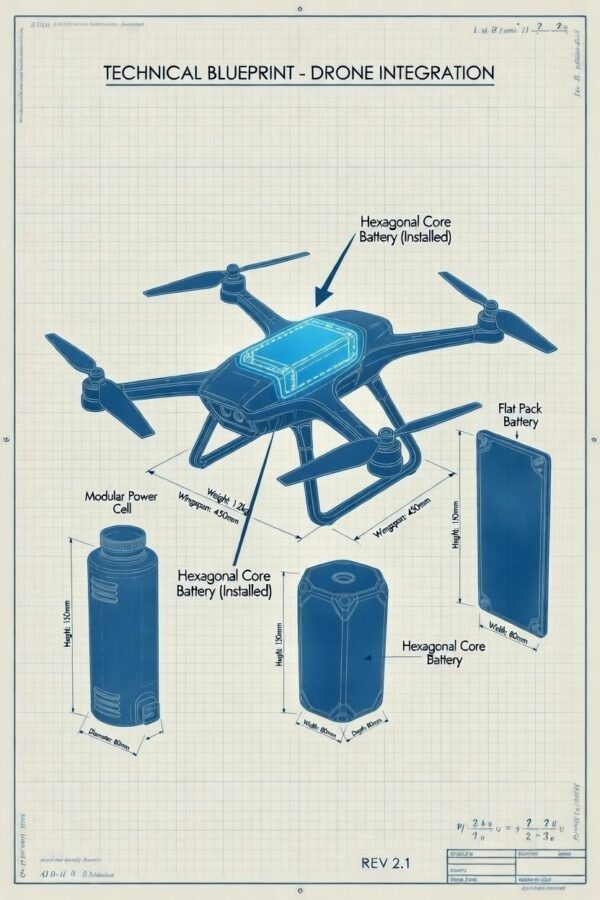
The electric vertical takeoff and landing (eVTOL) industry is experiencing unprecedented growth, with the global market reaching $158 billion in 2025, representing a 12% year-over-year increase. As manufacturers race to capture this emerging market, one critical component stands at the heart of operational success: drone battery after-sales support. This comprehensive guide reveals industry-proven best practices that separate leading manufacturers from the competition.
Why After-Sales Support Matters for eVTOL Battery Systems
Energy systems represent approximately 30% of total eVTOL weight and account for 10-20% of overall BOM costs. These numbers alone demonstrate why battery after-sales support cannot be an afterthought. When battery systems fail, the consequences extend far beyond simple replacement costs—they impact flight safety, operational continuity, and brand reputation.
Key Statistics Driving Support Requirements
- Safety Standard: eVTOL aircraft must achieve safety levels equivalent to commercial airliners (one catastrophic accident per billion flight hours)
- Battery Lifecycle: Premium drone batteries typically deliver 500-1000 charge cycles before capacity degradation becomes significant
- Downtime Costs: Operational aircraft grounded for battery issues can cost operators $5,000-$15,000 per day in lost revenue
- Warranty Claims: Industry data shows 15-25% of battery-related service requests occur within the first 12 months of operation
Core Components of Effective After-Sales Support
1. Comprehensive Warranty Programs
Leading eVTOL manufacturers structure warranty coverage around three essential pillars:
Performance Guarantees
- Minimum capacity retention (typically 80% after specified cycles)
- Voltage stability under operational loads
- Thermal management system functionality
Coverage Periods
- Standard warranty: 24-36 months from delivery date
- Extended options: Up to 60 months with premium service packages
- Cycle-based alternatives: Coverage tied to charge-discharge cycles rather than time
Claim Processing
- 48-hour initial response commitment
- 7-day replacement for critical operational batteries
- Transparent documentation requirements
2. Proactive Maintenance Protocols
Preventive maintenance reduces unexpected failures by up to 60%. Implement these evidence-based practices:
Regular Inspection Schedule
| Frequency | Inspection Type | Key Checkpoints |
|---|---|---|
| Every 50 cycles | Basic visual | Connector integrity, casing condition |
| Every 100 cycles | Performance test | Capacity verification, internal resistance |
| Every 200 cycles | Comprehensive | Cell balancing, BMS calibration, thermal system |
Storage Guidelines
- Maintain 40-60% state of charge for long-term storage
- Temperature range: 15-25°C (59-77°F) optimal
- Humidity control: Below 60% relative humidity
- Monthly voltage checks for stored battery packs
3. Technical Support Infrastructure
Multi-Channel Accessibility
- 24/7 hotline for emergency operational support
- Email ticketing system with 4-hour response SLA
- Live chat for quick troubleshooting questions
- Dedicated account managers for fleet operators
Knowledge Base Development
- Searchable troubleshooting database
- Video tutorials for common procedures
- downloadable maintenance checklists
- Regular technical bulletins on emerging issues
Building Trust Through E-E-A-T Principles
Experience: Demonstrate Real-World Expertise
Share case studies documenting successful battery support scenarios. Include specific metrics like mean time to resolution, customer satisfaction scores, and fleet uptime improvements. Manufacturers with documented support histories command 20-30% premium pricing compared to newcomers.
Expertise: Certify Your Support Team
Ensure technical staff hold relevant certifications:
- UL 62133 battery safety standards knowledge
- IEC 62133 international compliance expertise
- Manufacturer-specific training completion
- Annual recertification requirements
Authoritativeness: Industry Recognition
Participate in standards development through organizations like the Drone Advisory Council. Publish white papers on battery safety and maintenance best practices. Speak at industry events like the Shenzhen eVTOL Expo to establish thought leadership.
Trustworthiness: Transparent Communication
Provide clear documentation on:
- Warranty terms without hidden exclusions
- Realistic performance expectations
- Known limitations and operating constraints
- Honest assessments of battery health during inspections
Common Challenges and Solutions
Challenge 1: Battery Degradation Disputes
Solution: Implement standardized testing protocols with third-party verification options. Document baseline performance at delivery and compare against regular monitoring data.
Challenge 2: Replacement Logistics
Solution: Establish regional distribution centers for critical battery inventory. Offer expedited shipping options for operational aircraft. Consider battery pooling programs for fleet operators.
Challenge 3: Technical Complexity
Solution: Develop tiered support structure with Level 1 handling basic inquiries and Level 3 engineers addressing complex technical issues. Invest in augmented reality remote assistance tools.
Frequently Asked Questions
Q: How long should eVTOL drone batteries last under normal operating conditions?
A: Premium lithium-ion battery packs typically deliver 500-1000 full charge cycles while maintaining 80% or higher capacity. Actual lifespan depends on operating temperature, discharge rates, and charging practices. Proper maintenance can extend useful life by 30-40%.
Q: What certifications should I look for in eVTOL battery suppliers?
A: Essential certifications include UL 62133, IEC 62133, UN 38.3 for transportation safety, and aviation-specific approvals from relevant authorities. For commercial operations, verify compliance with local aviation regulations and any type certificate requirements.
Q: How quickly can I expect battery replacement under warranty?
A: Industry standard for warranty replacements is 5-7 business days for standard shipping, with expedited 48-72 hour options available. Critical operational support may qualify for same-day replacement in major metropolitan areas with local inventory.
Q: What maintenance records should I keep for warranty compliance?
A: Maintain detailed logs including charge cycles, storage conditions, performance test results, inspection reports, and any incident documentation. Digital battery management systems often automate this record-keeping, simplifying warranty claims.
Q: Can battery warranty be transferred when selling aircraft?
A: Transferability varies by manufacturer. Some offer transferable warranties with registration fees, while others restrict coverage to original purchasers. Clarify this term before acquisition, as it significantly impacts resale value.
Implementing Your After-Sales Strategy
Success in the eVTOL market requires more than superior hardware—it demands exceptional support that keeps aircraft flying safely and profitably. Manufacturers who invest in comprehensive after-sales programs see customer retention rates 40% higher than competitors and generate 25-35% of revenue from service contracts alone.
Action Steps for Manufacturers
- Audit current support capabilities against industry benchmarks
- Develop standardized procedures for common service scenarios
- Train technical teams on latest battery technologies and safety protocols
- Implement tracking systems for warranty claims and resolution times
- Gather customer feedback continuously to identify improvement opportunities
Action Steps for Operators
- Document all battery performance data from day one of operation
- Follow manufacturer maintenance schedules without exception
- Train operators on proper charging and storage procedures
- Establish relationships with manufacturer support teams before issues arise
- Review warranty terms carefully before purchase agreements
Ready to Elevate Your Battery Support Experience?
The eVTOL revolution demands battery after-sales support that matches the innovation of the aircraft themselves. Whether you’re a manufacturer building support infrastructure or an operator seeking reliable partnership, excellence in battery service separates industry leaders from followers.
Take the next step toward operational excellence. Our team specializes in drone battery solutions with comprehensive after-sales support designed for the unique demands of eVTOL operations. From warranty management to technical troubleshooting, we provide the backing your fleet deserves.
Contact us today to discuss how optimized battery support can improve your operational uptime and reduce total cost of ownership. Visit our dedicated support portal at https://cnsbattery.com/drone-battery-home/drone-battery-contact to connect with our technical team and explore customized service packages tailored to your specific requirements.
The sky is no longer the limit—it’s your operational domain. Ensure your battery support infrastructure is ready for takeoff.


