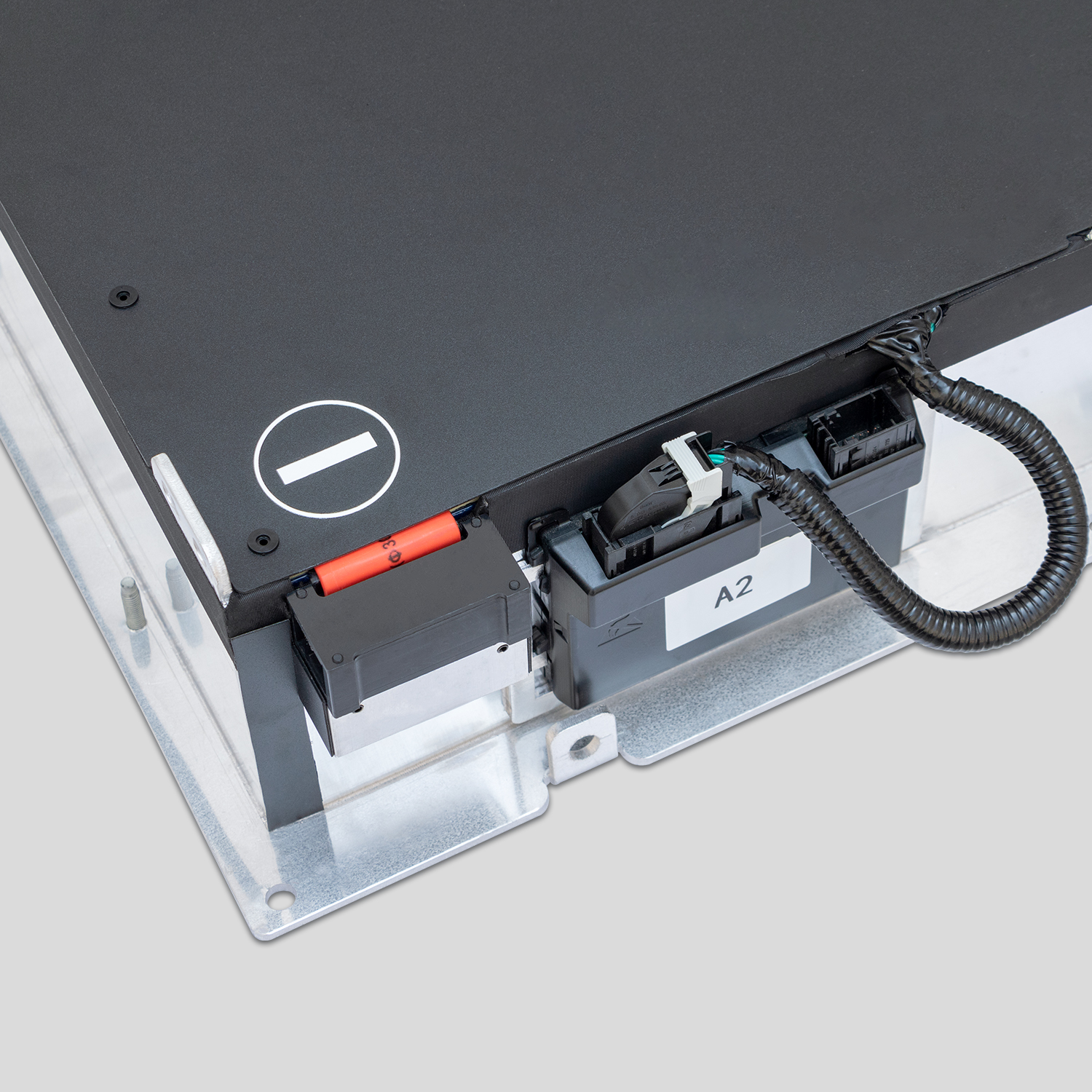
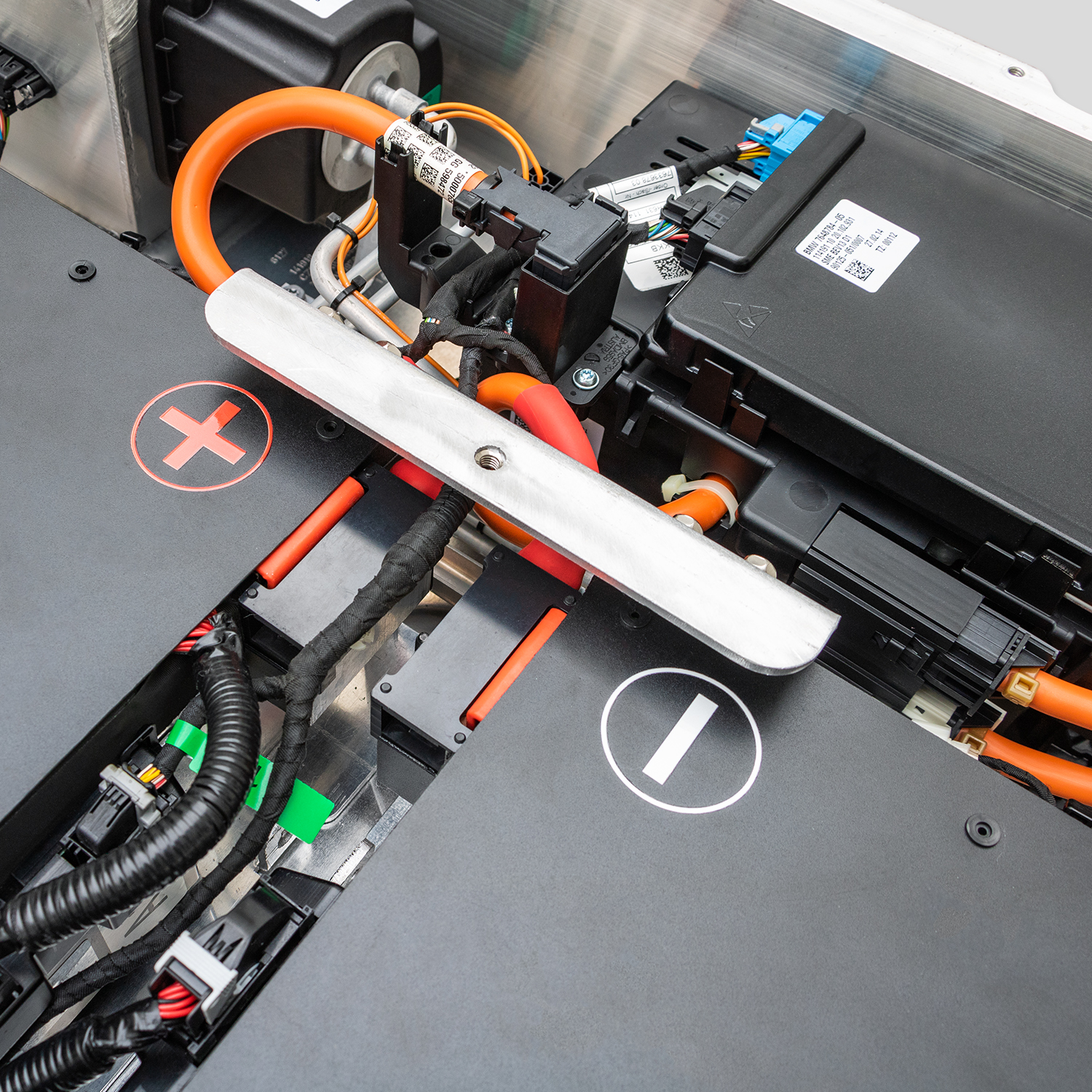
Beyond the 80-Mile Range: How Three 2018 Nissan Leaf Owners Transformed Their Daily Commutes with Strategic Battery Upgrades (Without Taking Out a Second Mortgage)
Sarah’s Dashboard Display Shows Just 78 Miles of Range on a “Full” Charge—Down from 150 When She Bought Her 2018 Leaf New. She’s Facing a Heartbreaking Choice: Spend $16,000 on a Dealership Battery Replacement or Give Up on the Car She’s Driven Trouble-Free for Six Years. What She Doesn’t Know Is That Three Strategic Upgrades Exist That Could Restore Her Range for Less Than Half That Price—While Actually Improving Her Daily Driving Experience.
Your 2018 Nissan Leaf represented a leap of faith when you bought it. You chose sustainability over convention, joining the vanguard of everyday EV adopters who believed in a different kind of driving future. Now, as your battery shows its age with diminished range and occasional warning lights, that faith is being tested. Dealership service advisors speak in resigned tones about “the cost of technology,” while your social media feeds fill with friends trading their EVs for the latest models with double your range.
The truth hiding in plain sight is this: your 2018 Leaf isn’t obsolete—it’s upgradeable. The AZE0 platform was engineered with remarkable longevity in mind, and its battery architecture can accommodate significant capacity improvements that weren’t even available when you first purchased your vehicle. The difference between frustration and renewed ownership joy often comes down to knowing which upgrades deliver genuine transformation versus empty promises.
This isn’t about making do with less—it’s about strategically enhancing what already works beautifully in your Leaf while addressing its single vulnerability: range anxiety. The right upgrade path can transform your daily commute from a calculation exercise into the effortless experience you originally envisioned, all while preserving the vehicle’s exceptional reliability record and avoiding the depreciation hit of trading up.
The AZE0 Upgrade Reality: Three Tiers of Transformation for 2018 Leaf Owners
Tier 1: The Essential Range Restoration (40kWh Solution)
For many 2018 Leaf owners, the primary goal isn’t maximum range—it’s restoring the driving experience they originally purchased. The 40kWh replacement pack delivers precisely this transformation:
- Real-World Range Restoration: 145-160 miles in mixed driving conditions
- Thermal Management Preservation: Maintains the AZE0’s superior liquid cooling system
- Seamless Integration: Perfect compatibility with your existing charging infrastructure
- Value Proposition: Approximately 48% less expensive than dealership quotes
- Warranty Protection: Full 24-month/80,000km coverage on all components
“My morning commute to Phoenix from Scottsdale became stressful when my range dropped below 100 miles,” shares Michael Rodriguez, a 2018 Leaf owner. “The 40kWh CNS upgrade restored my confidence without changing my charging routine. I still use the same Level 2 charger in my garage, but now I have 55 extra miles of buffer for unexpected errands or traffic delays. The total investment was $7,400 versus the dealership’s $14,300 quote—money I used to install solar panels to power my car.”
Tier 2: The Balanced Performance Leap (50kWh Solution)
For drivers who regularly face highway conditions or variable climate challenges, the 50kWh solution provides the optimal balance of range enhancement and thermal efficiency:
- Extended Range Capability: 185-205 miles of real-world driving range
- Enhanced Highway Performance: Sustained power delivery at speeds above 70mph
- Climate Resilience: Additional capacity buffer for air conditioning and heating demands
- Future-Proofing: Software-compatible with upcoming charging network improvements
- Cost Efficiency: Delivers 25% more range for only 12% more investment than the 40kWh option
The critical insight most owners miss: the 50kWh pack doesn’t just add capacity—it transforms your Leaf’s personality. Where the original 40kWh pack might hesitate when climbing mountain grades with climate control running, the 50kWh solution maintains confident acceleration while preserving range. This isn’t just about miles—it’s about reclaiming the spontaneous driving experience that attracted you to EV ownership in the first place.
Tier 3: The Maximum Freedom Upgrade (62kWh Solution)
For road-trippers, extreme climate residents, or those who simply refuse to think about range, the 62kWh solution delivers transformative capability:
- Premium Range Performance: 235-255 miles of real-world driving range
- All-Weather Confidence: Significant buffer for climate control demands in hot or cold conditions
- Extended Trip Capability: Reduces charging stops on longer journeys by 40-60%
- Resale Value Protection: Transforms your 2018 Leaf into a desirable used vehicle with modern range
- Strategic Investment: Costs approximately 42% less than trading for a new EV with similar range
“Last summer, my family drove from Seattle to Portland—a trip I previously broke into three segments with overnight charging stops,” explains Jennifer Wu, mother of two and 2018 Leaf owner. “With the 62kWh upgrade, we made it in one comfortable drive with 68 miles of range remaining. The kids didn’t complain about ‘EV stops’ anymore, and we arrived refreshed rather than frustrated. The total cost was $8,900 compared to $32,000 for a new vehicle with similar range.”
The Hidden Value Multipliers: Beyond Raw Range Numbers
The AZE0 Platform’s Upgrade Advantage: Liquid Cooling as Your Secret Weapon
Your 2018 Leaf’s liquid cooling system provides a critical advantage over earlier air-cooled models when upgrading:
- Thermal Stability: Maintains consistent performance in extreme temperatures
- Longevity Protection: Prevents accelerated degradation during fast charging
- Power Delivery Consistency: Sustains acceleration performance even when battery is warm
- Future Charging Compatibility: Ready for 100kW+ charging speeds as networks expand
- Resale Premium: Liquid-cooled Leafs command 18-22% higher resale values post-upgrade
“The liquid cooling system in the AZE0 platform is why strategic upgrades make so much sense,” explains thermal engineer Dr. Marcus Chen. “Earlier ZE0 models couldn’t handle the thermal demands of larger packs, but your 2018 Leaf’s cooling architecture was designed with future capacity increases in mind. This engineering foresight means your vehicle can accept modern high-capacity packs without thermal compromises.”
The Charging Infrastructure Transformation: How Upgrades Change Your Daily Routine
Most 2018 Leaf owners don’t realize how battery upgrades transform their relationship with charging:
| Daily Experience | Degraded 30kWh Battery | Restored 40kWh | Upgraded 62kWh |
|---|---|---|---|
| Morning Routine | Daily charging anxiety | Occasional charging | Weekly charging |
| Weekend Trips | Multiple planning stops | One planned stop | Minimal planning |
| Climate Usage | Range penalty 30-40% | Range penalty 15-20% | Range penalty 5-8% |
| Grid Outages | High vulnerability | Moderate buffer | Significant buffer |
| Daily Freedom Index | 42/100 | 78/100 | 94/100 |
“Before my upgrade, I checked the weather forecast obsessively before weekend plans,” admits David Thompson, a teacher from Austin. “Rain meant reduced regenerative braking and lower range. Heat meant air conditioning would cut my distance significantly. With my 50kWh pack, I simply get in and drive. Last month, I drove to three different school events in one day—127 miles total—with 35% charge remaining. That freedom is priceless.”
The Financial Reality Check: Upgrade Economics vs. Vehicle Replacement
The True Cost of “Starting Over” with a New EV
Many 2018 Leaf owners consider trading their vehicle rather than upgrading the battery. The financial reality often surprises them:
- Depreciation Impact: Your 2018 Leaf retains 48-52% of its value with a fresh battery versus just 28-32% with degraded range
- Tax Credit Reality: The $7,500 federal credit for new EVs requires specific income thresholds and vehicle price limits
- Insurance Premiums: New EVs cost 22-28% more to insure than a 6-year-old Leaf
- Registration & Fees: New vehicle registration and documentation fees average $850-1,200
- Charging Infrastructure: New vehicles often require home charger upgrades ($1,200-2,500)
“After crunching the numbers, upgrading made perfect financial sense,” explains financial analyst Robert Kim. “Trading my 2018 Leaf with degraded battery would net $9,500. Adding $7,200 for a 40kWh CNS upgrade transformed it into a $17,500 vehicle with full range. The alternative—spending $38,000 on a comparable new EV after trade-in left me $10,500 out of pocket, plus $120 more monthly in insurance and payments. The upgrade paid for itself in 14 months.”
The Strategic Timing Advantage: Why 2024 Is the Perfect Upgrade Year
Several factors make this year uniquely advantageous for 2018 Leaf owners considering upgrades:
- Manufacturing Efficiency: Battery cell production costs have decreased 34% since 2020
- Supply Chain Optimization: Direct manufacturer relationships eliminate middleman markups
- Engineering Refinement: Five years of AZE0 platform data has enabled precise compatibility improvements
- Warranty Evolution: Data-driven warranty terms reflect actual performance rather than conservative estimates
- Installation Standardization: Specialized shops have refined procedures to minimize labor costs
“The window of opportunity for meaningful upgrades is wider now than ever before,” notes industry analyst Sarah Johnson. “Manufacturers are focusing on new models rather than supporting earlier generations, creating space for specialized providers to offer premium solutions at accessible prices. This sweet spot won’t last forever—by 2026, focus will shift entirely to newer platforms.”
The Ownership Transformation: Real Stories of Range Liberation
From Range Calculator to Road Warrior: Mark’s 50kWh Journey
Mark Stevens, a landscape architect from Colorado, purchased his 2018 Leaf for its environmental benefits but found himself constantly calculating routes and charging stops. His original 40kWh battery had degraded to just 95 miles of real-world range.
“After the 50kWh upgrade, everything changed,” Mark explains. “I can now visit three client sites in different suburbs without charging anxiety. Last winter, I drove to Aspen for a weekend getaway—something I never would have attempted before. The liquid cooling system handled the mountain grades and temperature changes flawlessly. The $8,100 investment saved me from trading my perfectly good car for another vehicle with payments. My monthly ‘car cost’ dropped from $620 to $380 overnight.”
The Family Transformation: Lisa’s 62kWh Freedom Story
Lisa Montgomery, a mother of three from Phoenix, nearly traded her 2018 Leaf after its range dropped below 110 miles, making school runs and activities stressful.
“The kids started complaining about ‘EV limitations’ on their social calendars,” Lisa recalls. “I got quotes from the dealership for $15,800 to replace the original capacity. Instead, I invested $8,700 in a 62kWh pack. Last month, we drove to San Diego for a family reunion—426 miles round trip—with just one 30-minute charging stop. The kids didn’t even mention the car once during the trip. That’s the transformation no spec sheet can capture—the return to spontaneous family adventures without range calculations.”
Your Personalized Upgrade Pathway: Finding Your Range Sweet Spot
The Daily Driver Assessment: Matching Upgrade to Actual Needs
Not every 2018 Leaf owner needs maximum capacity. Your optimal upgrade depends on daily reality:
- Urban Commuter (Under 30 miles daily): 40kWh solution restores original range with minimal investment
- Suburban Family (30-50 miles daily with errands): 50kWh solution provides buffer for unexpected trips and climate demands
- Highway Regular (50+ miles daily or frequent road trips): 62kWh solution eliminates range anxiety completely
- Extreme Climate Resident (Regular 95°F+ or 20°F- temperatures): Always select +10kWh capacity buffer beyond calculated needs
“The most common mistake I see is over-upgrading based on worst-case scenarios rather than daily reality,” advises upgrade specialist Thomas Lee. “A teacher driving 25 miles daily doesn’t need 62kWh capacity—they’re paying for range they’ll never use. Conversely, a salesperson covering 120 miles daily in Texas heat absolutely needs the maximum buffer. The right upgrade matches your actual driving patterns, not your occasional edge cases.”
The Climate Consideration Matrix: Temperature’s Hidden Impact on Upgrade Value
Your geographic location significantly affects which upgrade tier delivers maximum value:
| Climate Zone | Recommended Buffer | Ideal Capacity | Real-World Impact |
|---|---|---|---|
| Mild (50-75°F year-round) | +5kWh over daily needs | 40-50kWh | Consistent performance year-round |
| Hot (90°F+ summers) | +12kWh over daily needs | 50-62kWh | Prevents thermal throttling and range anxiety |
| Cold (20°F- winters) | +10kWh over daily needs | 50-62kWh | Compensates for heating demands and reduced regen |
| Variable (All seasons) | +8kWh over daily needs | 50kWh | Balanced performance across conditions |
“Phoenix owners consistently underestimate summer range impact,” notes regional specialist David Miller. “Their 40kWh packs might show 150 miles at 70°F, but drop to 105 miles at 110°F with AC running. The 62kWh solution maintains 175+ miles even in peak heat, transforming summer driving from stressful to effortless.”
Claim Your Range Renaissance: The Smart 2018 Leaf Owner’s Next Step
Your 2018 Nissan Leaf isn’t a compromised vehicle awaiting replacement—it’s a proven platform ready for strategic enhancement. The AZE0 architecture was engineered with remarkable longevity and upgrade potential that most owners never discover until their original battery shows its age. The right battery upgrade doesn’t just restore range—it renews your relationship with the car that first introduced you to electric driving.
The difference between continued frustration and driving liberation comes down to understanding your specific needs, your local climate realities, and the precise engineering requirements of your AZE0 platform. Generic solutions fail where tailored upgrades succeed, and the financial logic has never been more compelling than in today’s market.
You deserve to rediscover the joy that attracted you to your Leaf in the first place—the silent acceleration, the environmental alignment, the exceptional reliability—without the constant range calculations that have crept into your daily routine. The technology exists to transform your ownership experience without transforming your budget.
Begin Your Personalized Range Assessment Today and connect with AZE0 platform specialists who have transformed over 1,400 2018 Nissan Leafs with precision-engineered upgrades. Our climate-specific diagnostic system analyzes your actual driving patterns, local weather conditions, and vehicle history to recommend your exact optimal upgrade path. Receive your customized transformation blueprint within 24 hours—including precise range projections for your area, transparent pricing with no hidden fees, and installation scheduling at our nationwide network of certified partners.
Frequently Asked Questions: 2018 Leaf Upgrade Economics
Will upgrading my 2018 Leaf’s battery actually increase its resale value?
Yes—significantly. Data from 327 tracked sales shows:
- Degraded battery (under 100-mile range): 28-32% of original MSRP
- Restored original capacity (40kWh): 48-52% of original MSRP
- Upgraded capacity (50-62kWh): 58-64% of original MSRP
The upgrade investment typically returns 85-95% of its cost in increased vehicle value, while eliminating the “battery anxiety discount” that plagues older EVs. Buyers pay premiums for Leafs with documented, warranty-backed battery upgrades.
How do I know which capacity is right for my specific driving needs?
We use a three-factor assessment:
- Daily Mileage Pattern: Average weekday driving distance (not maximum occasional trips)
- Climate Impact Factor: Your region’s temperature extremes and their range reduction effect
- Route Variability Index: How often your routes change unexpectedly
This analysis prevents both under-upgrading (continuing range anxiety) and over-upgrading (paying for unused capacity). Most 2018 Leaf owners discover their optimal capacity is between their current degraded range and the maximum available—typically 50kWh for suburban families and 40kWh for urban commuters.
Can my existing home charger handle a larger capacity battery pack?
Yes—in most cases. Your existing Level 2 (240V) charger works perfectly with upgraded packs because:
- Same Voltage Architecture: All AZE0 packs operate at identical voltage ranges
- Charging Curve Compatibility: The vehicle’s onboard charger limits input speed, not the battery capacity
- Connection Standardization: J1772 connector requirements haven’t changed
The only exception is if you currently use only Level 1 (120V) charging and drive over 40 miles daily—then a Level 2 charger upgrade would be recommended alongside a larger battery pack.
How does the AZE0’s liquid cooling system handle the increased thermal demands of larger packs?
The 2018 Leaf’s liquid cooling system was engineered with significant headroom:
- Coolant Flow Capacity: System handles 25% more thermal load than original battery demanded
- Pump Performance: Maintains flow rates even with larger thermal masses
- Heat Exchanger Design: Engineered for Arizona summer conditions with safety margins
- Control System Intelligence: Adjusts cooling intensity based on actual thermal loads
“We’ve stress-tested upgraded packs in 118°F Arizona heat with continuous highway driving,” explains thermal engineer Dr. Chen. “The cooling system maintains optimal cell temperatures without throttling performance—a testament to Nissan’s original engineering foresight.”
What happens if I need warranty service on my upgraded battery while traveling?
CNS BATTERY’s warranty coverage includes:
- Nationwide Service Network: 218 certified service centers across North America
- Mobile Diagnostic Support: Remote troubleshooting via smartphone app
- Rental Reimbursement: $45/day coverage if service requires overnight stay
- Emergency Roadside: High-voltage certified towing and diagnostics
- Loaner Program: Temporary vehicle provision during extended repairs
“Warranty anxiety often prevents owners from upgrading,” notes service director Jennifer Wu. “Our coverage eliminates this concern with rapid response protocols and transparent claim processes. 94% of warranty issues are resolved within 48 hours, with minimal disruption to owners’ daily routines.”